H.R. 10488: Environmental Health Restoration Act of 2026
This bill would require the Environmental Protection Agency (EPA) to restore and maintain a set of air-pollution and climate-related regulations that were in effect on January 19, 2025. In plain terms, it would stop the EPA from rolling back or weakening those rules unless Congress specifically authorizes the change.
What the EPA would have to do
Within 60 days of enactment, the EPA Administrator would have to reinstate prior rules, guidance, and enforcement programs covering:
- Greenhouse gas emissions from power plants
- Methane and volatile organic compound emissions from oil and gas operations
- Mercury and air toxics standards
- The greenhouse gas reporting program
- Other hazardous air pollutant standards
- Fine particle air quality standards (PM2.5)
- Vehicle greenhouse gas emissions standards for light-duty, medium-duty, and heavy-duty vehicles
The bill would also bar the President, EPA, or any other federal official from delaying, suspending, repealing, weakening, or exempting these rules unless Congress passes a law allowing it.
Scientific review and carbon accounting
The bill would require the EPA to re-establish and fully staff two scientific advisory bodies: the Science Advisory Board and the Clean Air Scientific Advisory Committee. It would also require that members of those bodies not have financial or advisory ties to regulated industries.
When making regulatory decisions, the EPA would have to rely on peer-reviewed science.
For rules affecting greenhouse gas emissions, the EPA would have to use the “social cost of carbon” in its rulemakings. The bill specifies restoring a 2 percent discount rate and a value of $190 per metric ton in 2020 dollars.
Enforcement and funding
The bill would require the EPA to keep civil and criminal enforcement resources at levels sufficient to enforce the covered programs. It would also require the agency to send Congress an annual report listing inspections, violations, penalties, and corrective actions taken under environmental laws it administers.
It authorizes $10.99 billion, or whatever additional amount is needed, for EPA duties beginning in fiscal year 2027, adjusted annually for inflation.
Environmental justice and public health analysis
The bill would require the EPA to restore and expand environmental justice programs that were eliminated or reduced after January 19, 2025. It would direct the agency to focus monitoring, permitting oversight, and enforcement on communities with disproportionate pollution burdens.
For rules, enforcement policies, or regulatory actions affecting air or water quality, the EPA would have to publish a public health impact assessment covering effects on mortality, respiratory illness, cardiovascular disease, and cumulative exposure burdens. The bill also requires the EPA to consider cumulative impacts in regulatory and permitting decisions and to publish annual reports on pollution trends, enforcement, and progress in reducing health disparities.
Enforcement through lawsuits
The bill would allow a person harmed by the EPA’s failure to comply with the act to sue in federal court. A court could order the EPA to comply, and it could award attorney’s fees if the plaintiff wins.
State authority
The bill would not limit states from setting or enforcing environmental standards that are stricter than federal standards. It also would not affect the ability of states or others to petition the EPA to take required action or to pursue common-law nuisance claims.
Relevant Companies
- XOM — Could be affected by stricter methane and emissions rules covering oil and gas operations.
- CVX — Could be affected by stricter methane and emissions rules covering oil and gas operations.
- SLB — Could be indirectly affected if oil and gas customers face tighter emissions compliance requirements.
- CAT — Could be indirectly affected through emissions standards and reporting requirements that influence industrial equipment and vehicle fleets.
- PCG — Utilities could be affected by reinstated power-plant greenhouse gas rules and related enforcement.
- DUK — Utilities could be affected by reinstated power-plant greenhouse gas rules and related enforcement.
- NEE — Utilities could be affected by reinstated power-plant greenhouse gas rules and related enforcement.
- F — Vehicle emissions standards could affect vehicle manufacturers and compliance costs.
- GM — Vehicle emissions standards could affect vehicle manufacturers and compliance costs.
- TSLA — Vehicle emissions standards and greenhouse gas rules could affect emissions-credit markets and vehicle compliance strategies.
This is an AI-generated summary of the bill text. There may be mistakes.
Sponsors
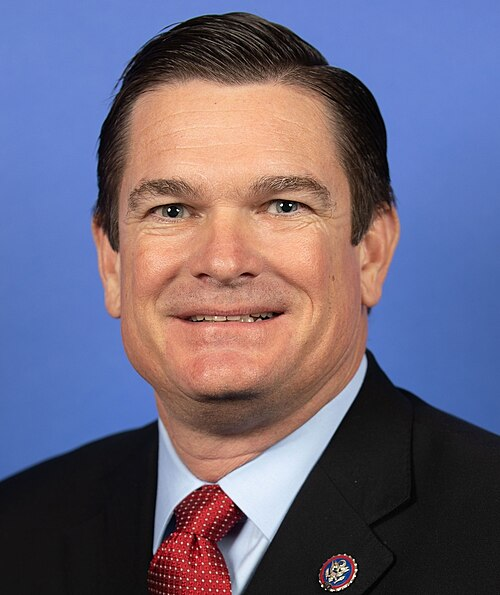
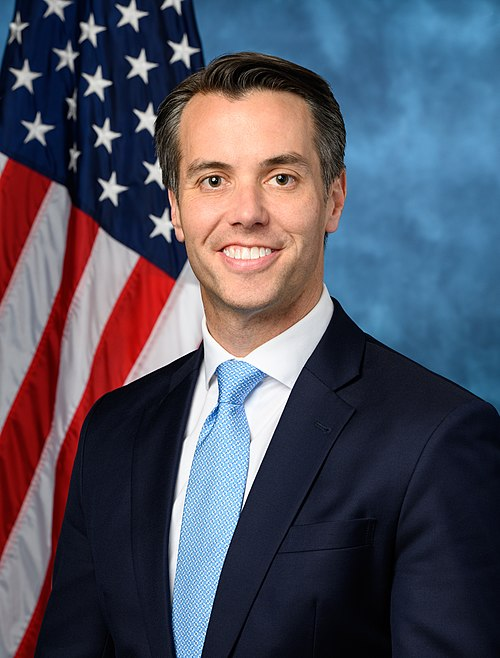
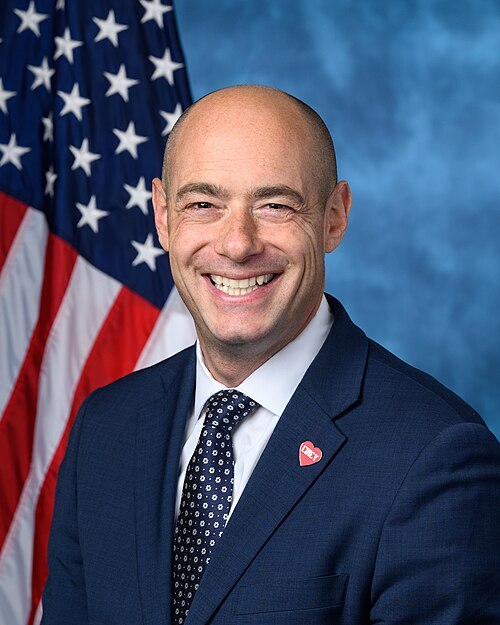
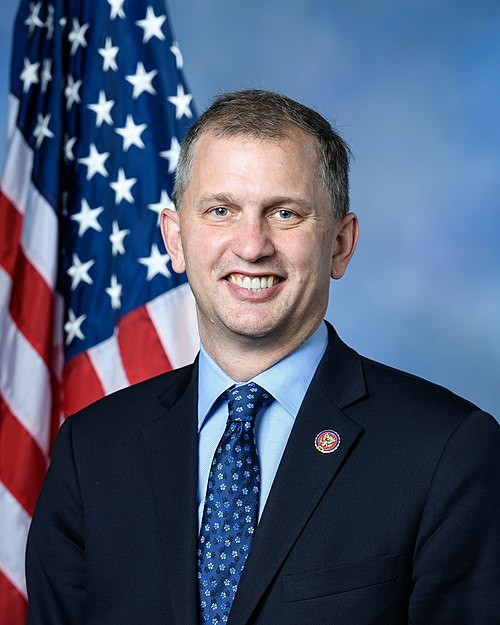
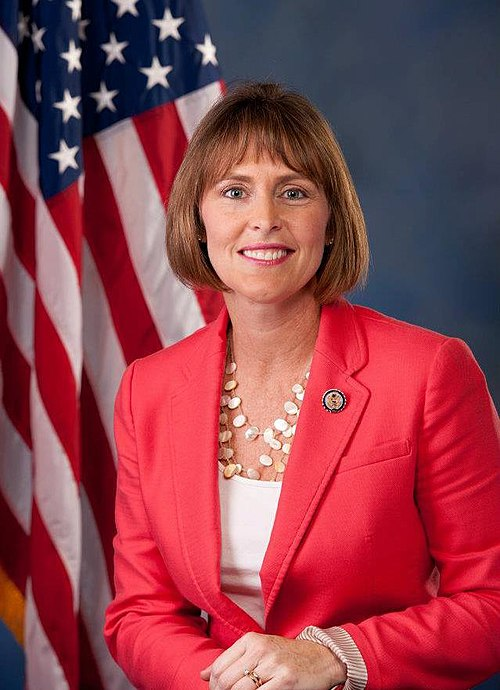
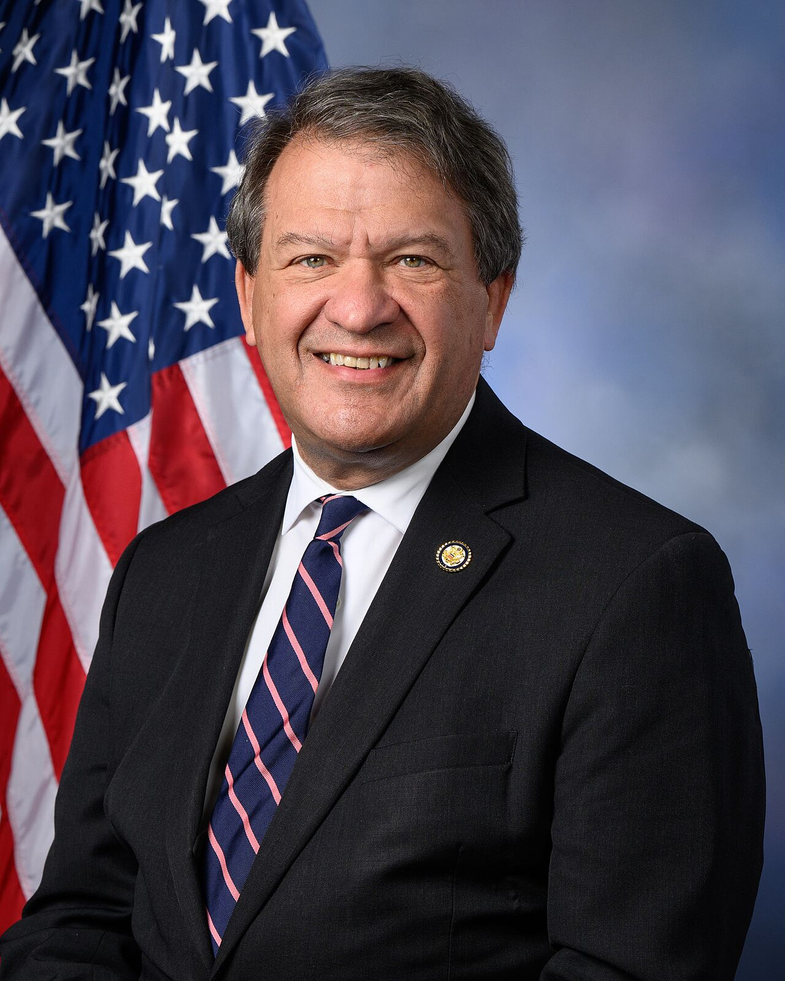
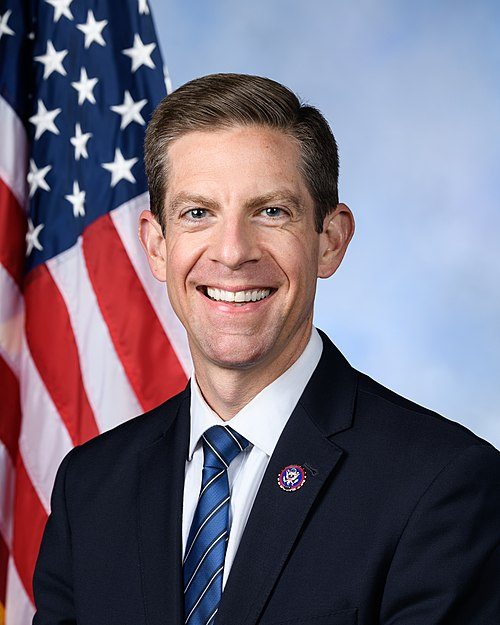
5 bill sponsors

Actions
2 actions
| Date | Action |
|---|---|
| Sep. 17, 2026 | Introduced in House |
| Sep. 17, 2026 | Referred to the Committee on Energy and Commerce, and in addition to the Committees on Transportation and Infrastructure, Agriculture, Natural Resources, and Science, Space, and Technology, for a period to be subsequently determined by the Speaker, in each case for consideration of such provisions as fall within the jurisdiction of the committee concerned. |
Corporate Lobbying
0 companies lobbying
None found.
* Note that there can be significant delays in lobbying disclosures, and our data may be incomplete.