
H.R. 10457: Honoring the Sacrifice of Troops in War Act of 2026
This bill would limit the Defense Department’s ability to renumber, reclassify, or otherwise relabel an ongoing military operation in a way that changes how casualties or benefits are recorded, if U.S. forces are still fighting the same enemy or opposing force.
What the bill says in general
The bill states that every service member who is killed or wounded in hostilities should be counted by name and in official casualty totals. It says casualty records should remain complete and should not be altered in a way that hides the human cost of military operations.
Changes to casualty reporting
The bill would require the Defense Department to publish and update casualty statistics for covered casualties, and to link each casualty to the specific military operation the person was supporting.
It would also prohibit the Defense Department from:
- changing a casualty record,
- reclassifying a casualty,
- changing which operation the casualty is tied to, or
- resetting casualty totals,
if the reason is simply that the operation was renamed, redesignated, or reclassified while fighting against the same enemy continued.
When records could still be corrected
The bill allows changes to casualty records if they fix a clear factual mistake, such as the person’s identity, unit, duty status, location, or cause of death or injury. Any such correction would need to be documented in writing and could not be based on a policy change or a reporting change.
Effect of a ceasefire or change in operational phase
The bill says casualty records could not be removed or shifted just because the government says hostilities have ended, paused, or diminished, if the facts on the ground still meet the legal standard for a contingency operation against the same enemy or force.
Restoring past records
The bill would require the Defense Department, within 30 days after enactment, to restore any casualty records and casualty statistics changed since February 28, 2026, so they comply with the new rules. It would also require written notice to the next of kin of any deceased or wounded service member whose record or operation attribution was changed during that period.
Effects on benefits and recognition
The bill would also bar the Defense Department from changing deployment-related benefits just because an operation was renamed or reclassified, as long as the troops were still involved in hostilities against the same enemy. This includes benefits or recognition tied to:
- awards and decorations,
- veterans’ preference accrual,
- pay or leave entitlements, and
- contingency-related benefits.
Benefits would generally continue to be calculated as if the original operation designation remained in place, unless a change is required by law, justified by a real change in the enemy or operational conditions, or otherwise authorized under existing rules.
Restoring benefits for affected personnel
The bill would require the Defense Department, within 30 days after enactment, to restore covered benefits to military and civilian personnel who supported the covered military operations since February 28, 2026. It would also require written notice to affected personnel explaining the restoration.
Scope
The bill specifically defines the covered military operations as U.S. military activities against Iran from February 28, 2026, until the bill becomes law.
Relevant Companies
None found
This is an AI-generated summary of the bill text. There may be mistakes.
Sponsors
12 bill sponsors
-
TrackPatrick Ryan
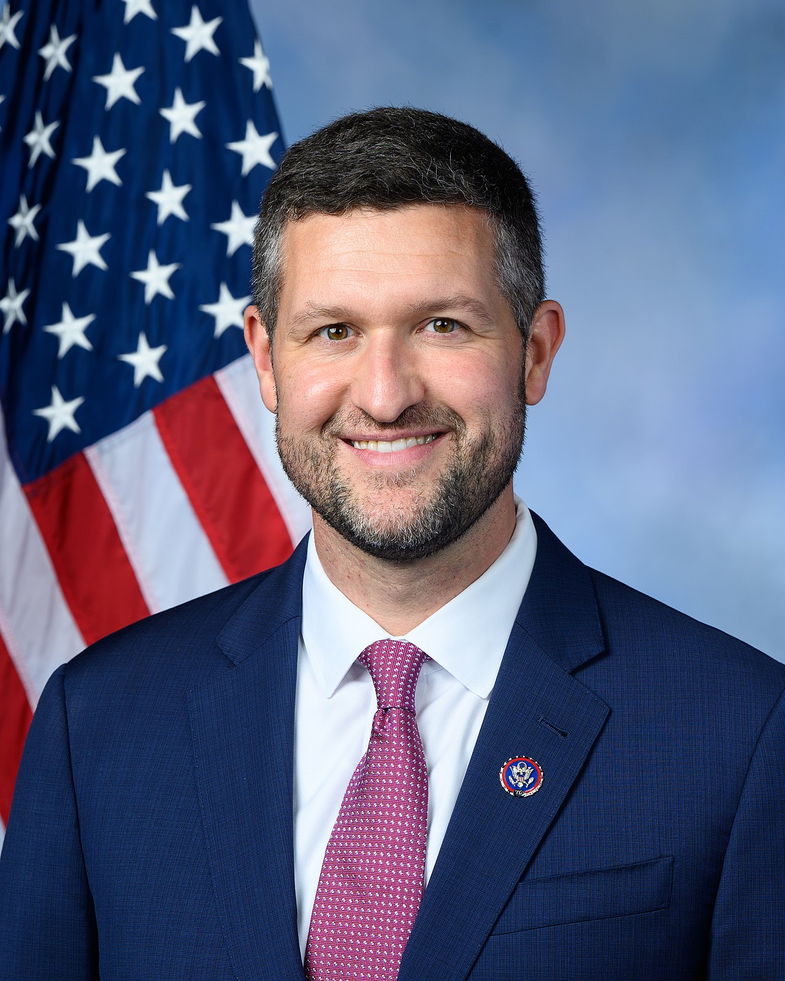
Sponsor
-
TrackSalud O. Carbajal
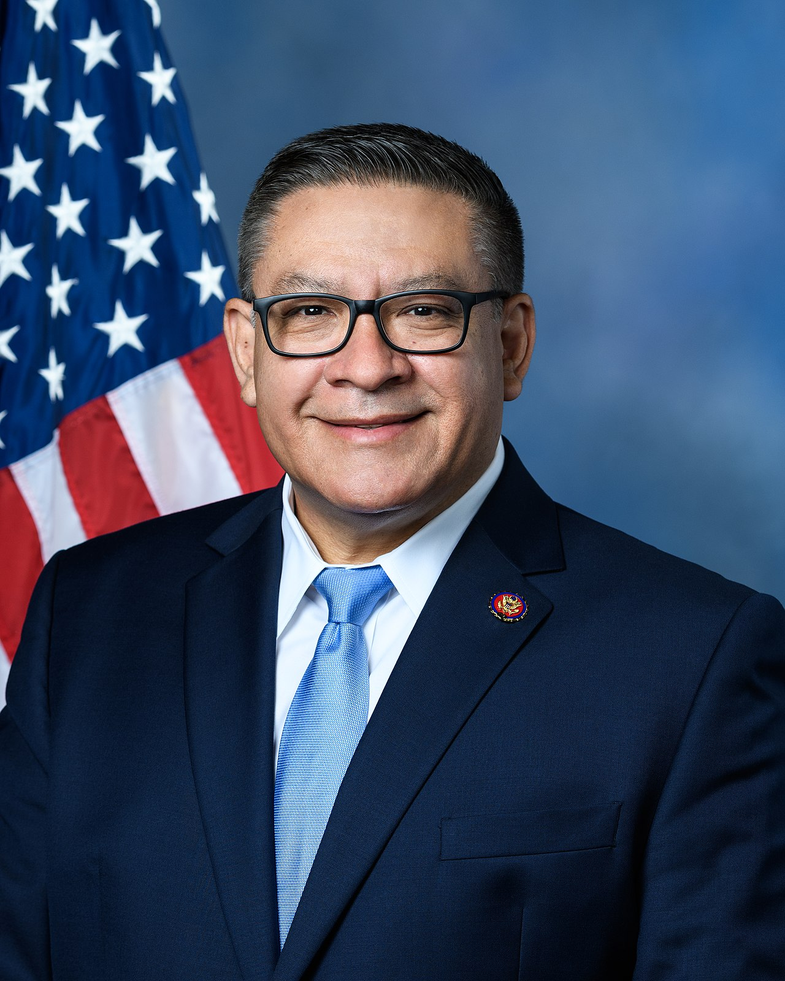
Co-Sponsor
-
TrackHerbert Conaway
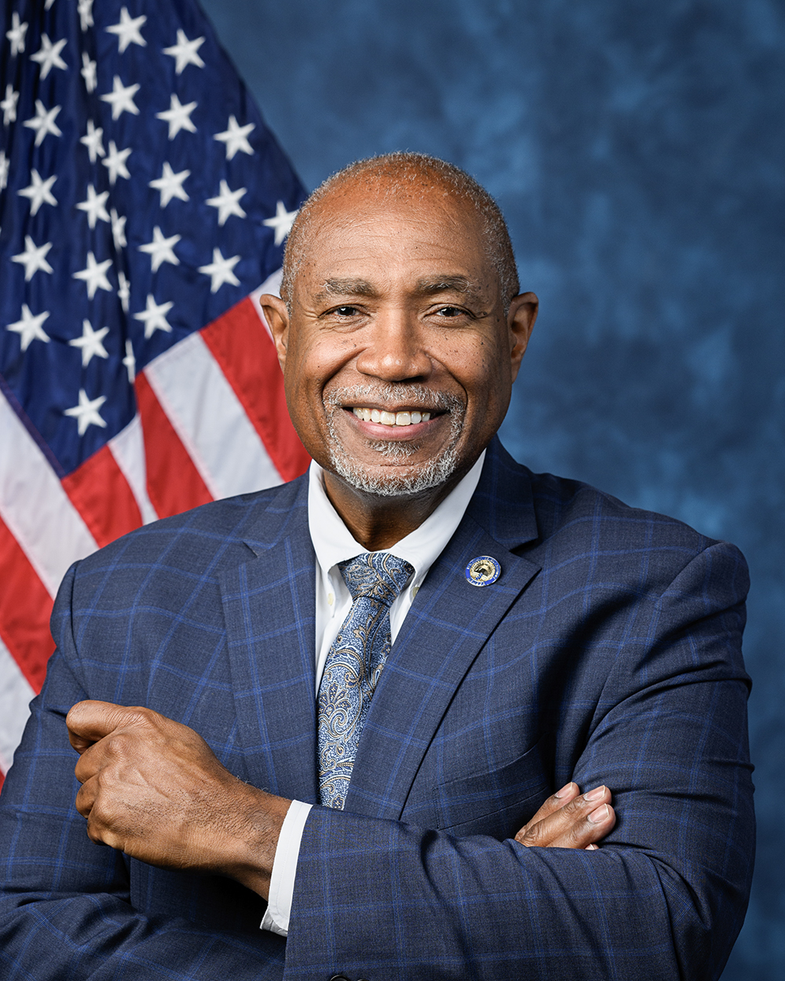
Co-Sponsor
-
TrackJason Crow

Co-Sponsor
-
TrackChristopher R. Deluzio

Co-Sponsor
-
TrackMaggie Goodlander
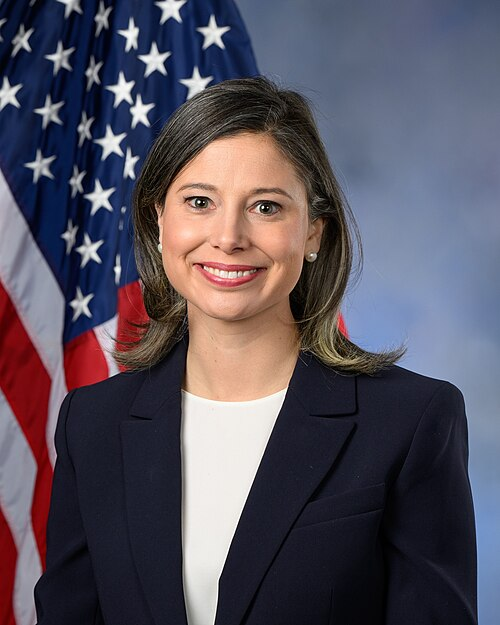
Co-Sponsor
-
TrackChrissy Houlahan
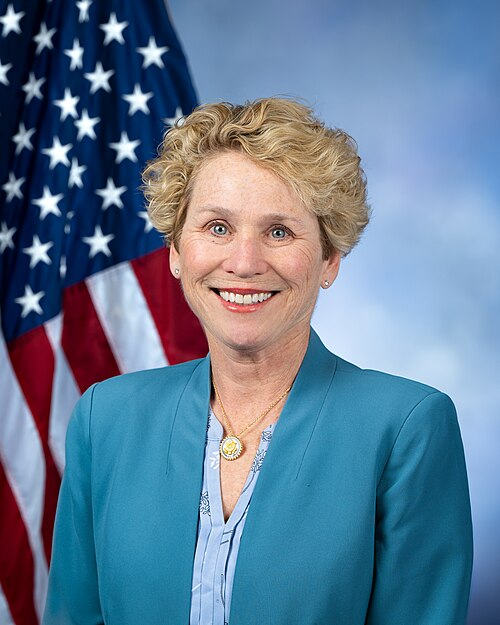
Co-Sponsor
-
TrackTed Lieu
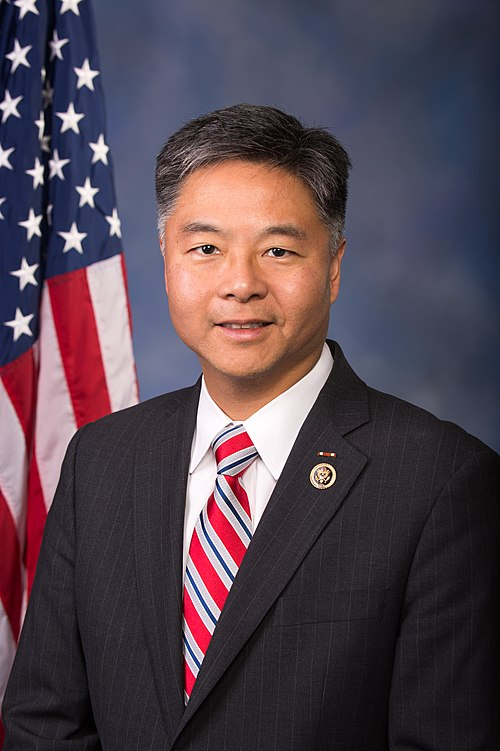
Co-Sponsor
-
TrackJimmy Panetta
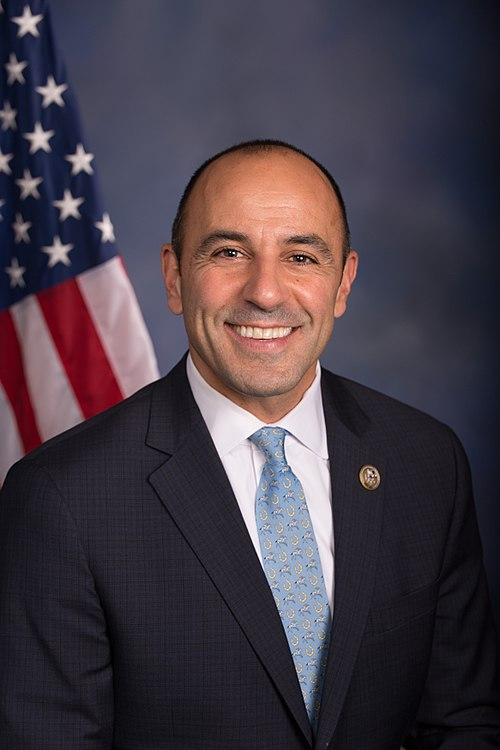
Co-Sponsor
-
TrackMike Thompson
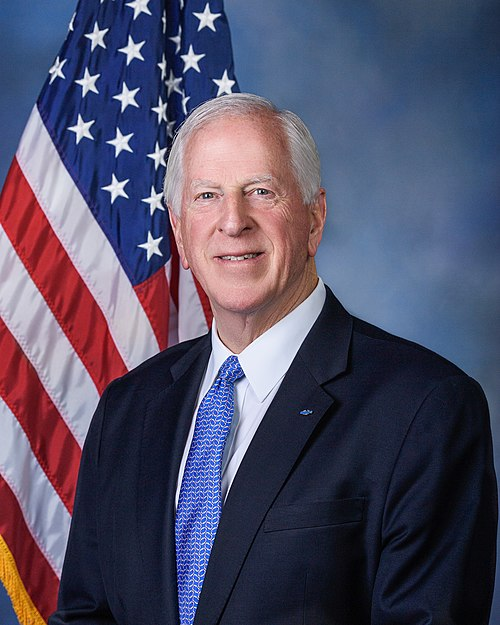
Co-Sponsor
-
TrackDerek Tran
Co-Sponsor
-
TrackEugene Vindman

Co-Sponsor
Actions
2 actions
| Date | Action |
|---|---|
| Sep. 16, 2026 | Introduced in House |
| Sep. 16, 2026 | Referred to the Committee on Armed Services, and in addition to the Committees on Oversight and Government Reform, and Ways and Means, for a period to be subsequently determined by the Speaker, in each case for consideration of such provisions as fall within the jurisdiction of the committee concerned. |
Corporate Lobbying
0 companies lobbying
None found.
* Note that there can be significant delays in lobbying disclosures, and our data may be incomplete.
Potentially Relevant Congressional Stock Trades
No relevant congressional stock trades found.