
H.R. 10453: Communications and Technology Transparency Act of 2026
This bill would expand and revise federal rules aimed at identifying and limiting certain foreign-linked communications and technology products and services that the government considers risky.
Main changes
- It broadens the law’s language from only “communications equipment or services” to “information and communications technology or services,” which is a wider category.
- It updates related laws so they use the same broader terminology.
- It makes the Federal Communications Commission’s “covered list” process more detailed and more closely tied to actions by the Department of Commerce.
How the covered list would work
- The FCC would have to update its covered list at least every 6 months.
- The FCC would monitor government determinations that could lead to additions to or removals from the list.
- If a prior government determination is reversed, the FCC would generally have to remove the technology or service from the list within 180 days, after notice and comment, unless another basis still supports keeping it listed.
- The bill says changes to the list for an entire class of technology, without naming a specific company, would count as a “major rule” for congressional review purposes.
Limits on what can be added to the list
- The FCC could only add a technology or service to the covered list if it is produced or provided by an entity controlled by a “foreign adversary.”
- Before adding something to the list, the FCC and, if applicable, the relevant agency head would have to send Congress a report 7 days in advance explaining what is being added and the national security concern behind it.
- The report would generally be unclassified, though it could include a classified annex.
Sharing risk notices and coordinating between agencies
- If the FCC receives a written notice that a technology or service poses an unacceptable national security or safety risk, it would have to send that notice to the Secretary of Commerce within 60 days.
- The FCC and the Secretary of Commerce would have to meet within 90 days of enactment and then every 90 days afterward to coordinate on the covered list.
- National security agencies would be allowed to attend those meetings.
- The FCC would have to report annually to Congress on the results of those meetings.
Restrictions on covered entities
- No FCC authorization, license, or other grant of authority could be obtained, held, or controlled by a “covered entity.”
- A covered entity is defined as an entity that produces or provides covered information and communications technology or services, plus its affiliates.
- This restriction would not apply to certain equipment authorizations under the FCC’s equipment-authorization rules.
Equipment authorizations
- The bill would clarify that the FCC does not have to review or revoke an equipment authorization just because the equipment is later placed on the covered list, if the authorization was granted before the equipment was listed.
What it would not change
- It says the bill should not be read to change the status of technologies or services already on the covered list before enactment.
Relevant Companies
- None found
This is an AI-generated summary of the bill text. There may be mistakes.
Show More
Sponsors
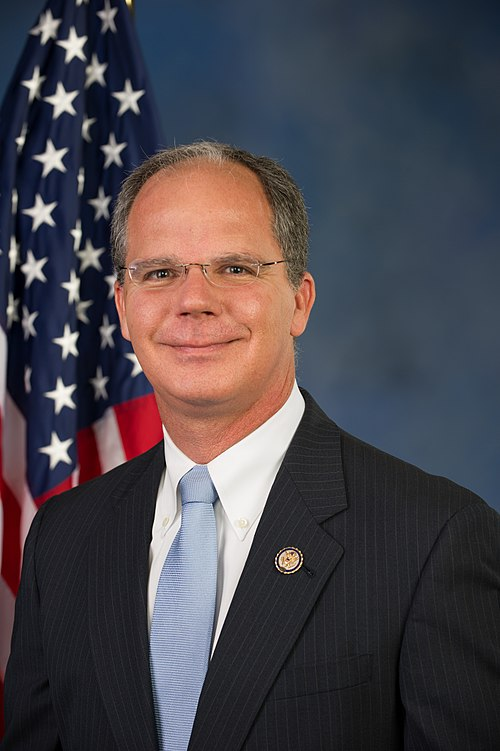
2 bill sponsors

Actions
2 actions
| Date | Action |
|---|---|
| Sep. 16, 2026 | Introduced in House |
| Sep. 16, 2026 | Referred to the House Committee on Energy and Commerce. |
Corporate Lobbying
0 companies lobbying
None found.
* Note that there can be significant delays in lobbying disclosures, and our data may be incomplete.
Potentially Relevant Congressional Stock Trades
No relevant congressional stock trades found.