
H.R. 10450: Revealing Egregious Violators of Ethics and the Law Act
This bill would create new ethics rules for certain federal officials, including Members of Congress, the President, the Vice President, political appointees, judicial officers, and their spouses and dependent children.
What it would prohibit
The bill would bar covered officials from:
- Trading on prediction markets tied to specific events or outcomes.
- Owning or trading most covered investments, which include securities, commodities, futures, and similar financial interests, including through derivatives such as options or warrants.
What is excluded
The ownership/trading ban would not apply to certain assets, including:
- Diversified, publicly traded investment funds.
- U.S. Treasury bills, notes, and bonds.
- State and municipal bonds.
- Compensation a spouse or dependent child receives from their employer.
- Interests in small businesses.
- Certain LLCs used only to hold a personal residence.
- Some Alaska Native Claims Settlement Act stock.
How divestment would work
Covered officials who already own banned investments would have to sell them at fair market value:
- Within 180 days after enactment if they are already covered when the law takes effect.
- Within 90 days after becoming covered if they enter covered service later.
- Within 90 days if they acquire a covered investment later through non-purchase events such as marriage, inheritance, or divorce settlement.
The bill would allow certificates of divestiture under existing tax rules, which can help defer certain tax consequences when officials are required to sell assets. It would also let ethics offices grant extensions in some cases, such as when an asset is hard to sell quickly because of low liquidity, vesting schedules, or contract limits.
Special rules for trusts and family members
Investments held in a qualified blind trust would still have to be divested. Family trusts could qualify for an exemption only if the covered official did not create the trust, contribute assets to it, or control the trustee, and the trust was created by a family member. A spouse or dependent child could trade a covered investment if it is part of their own job and not owned by the covered official.
Enforcement and penalties
If a covered official violates the rules, the supervising ethics office could require:
- A fee equal to 10% of the value of the prohibited transaction.
- Giving up any profits made from the prohibited activity.
The bill also says these penalties cannot be paid using congressional office funds, campaign funds, or other federal office-related money. Ethics offices would have to publish the fines, the reasons for them, and the results on a public website.
Relevant Companies
- None found
This is an AI-generated summary of the bill text. There may be mistakes.
Sponsors
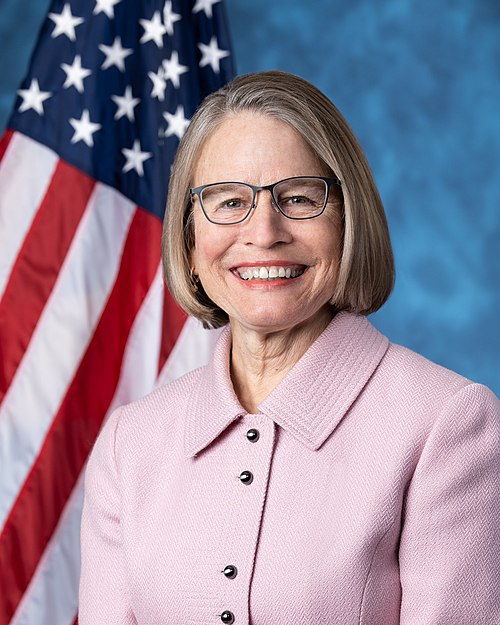
1 sponsor
Actions
2 actions
| Date | Action |
|---|---|
| Sep. 16, 2026 | Introduced in House |
| Sep. 16, 2026 | Referred to the Committee on Oversight and Government Reform, and in addition to the Committees on House Administration, the Judiciary, and Ways and Means, for a period to be subsequently determined by the Speaker, in each case for consideration of such provisions as fall within the jurisdiction of the committee concerned. |
Corporate Lobbying
0 companies lobbying
None found.
* Note that there can be significant delays in lobbying disclosures, and our data may be incomplete.
Potentially Relevant Congressional Stock Trades
No relevant congressional stock trades found.