
H.R. 10444: Stop Corporate Takeovers of Physicians Act of 2026
This bill would create new federal rules limiting how outside corporations and management services organizations can control medical practices. In general, it would make it unlawful for a business entity that is not majority-owned and controlled by licensed clinicians to own or control a medical practice, employ or contract for the services of a licensed clinician, or practice medicine.
What counts as a “licensee” and a “medical practice”
The bill defines a licensee as a physician, physician assistant, nurse practitioner, or other advanced practice provider authorized by state law to diagnose and treat patients. A medical practice is a partnership or corporate entity formed to practice medicine.
Limits on corporate control
The bill would largely bar non-clinician-owned corporations from controlling medical practices. It also says that, to qualify as “majority-owned and controlled” by licensees, the clinicians must own at least half of the business and make up a majority of its governing body.
There are exceptions for:
- nonprofit or public health care providers,
- hospitals, hospital-affiliated clinics, critical access hospitals, and rural emergency hospitals.
Rules for employment agreements and workplace restrictions
The bill would prohibit non-compete clauses, non-disclosure agreements, and non-disparagement agreements involving licensees, health care providers, or management services organizations, with a narrow exception allowing some non-competes when the clinician owns at least 25% of the medical practice. It also states that certain confidentiality-related limits would not stop claims based on libel, slander, or other independent legal claims.
Protections for clinical judgment
Health care providers would be barred from using discipline, threats, retaliation, or other pressure to interfere with a clinician’s professional judgment or clinical decisions. The bill specifically says employers or other entities could not control things like:
- how much time a clinician spends with a patient,
- admission, observation, palliative care, or referral decisions,
- how quickly treatment is started,
- where patients are referred after discharge,
- diagnostic language or codes in medical records,
- what clinical orders are available in the medical record system.
Restrictions on management services organizations
The bill would impose detailed limits on management services organizations that provide non-medical business support to medical practices. These organizations would not be allowed to:
- control the sale or transfer of a medical practice’s ownership interests or assets,
- issue or arrange ownership interests in a medical practice,
- receive dividends from medical practice ownership interests,
- own or manage a medical practice,
- finance acquisition of ownership interests in a medical practice,
- enter into or change management contracts except under arm’s-length conditions with fair market value compensation,
- advertise a medical practice under another entity’s name,
- exercise de facto control over hiring, schedules, staffing, pay, clinical policies, billing, pricing, coding, or payor contracts in a way that affects care.
Any contract that allows prohibited control would be void and unenforceable.
Ownership requirements
Owners of a medical practice who are licensees would need to be licensed and present in the state where the practice serves patients, and they would need to be substantially involved in delivering medical care.
Enforcement
The Federal Trade Commission would enforce the law. Violations would be treated as unfair or deceptive acts or practices under federal trade law. The FTC would also get rulemaking authority to carry out the law. The bill would allow:
- private lawsuits by injured persons, with possible treble damages, attorney’s fees, and other relief,
- actions by state attorneys general on behalf of residents,
- court orders requiring violators to stop the conduct, divest entities if needed, and give up revenue received during the violation.
Federal health programs
The bill would add violations of these rules as a basis for exclusion or related action under the Social Security Act’s federal health program provisions.
Effective date
The new requirements would take effect one year after enactment.
Preemption
The bill would not override state laws that are at least as strict as the federal rules. States could keep stronger ownership, control, or clinician-protection laws.
Relevant Companies
None found
This is an AI-generated summary of the bill text. There may be mistakes.
Sponsors
20 bill sponsors
-
TrackVal T. Hoyle
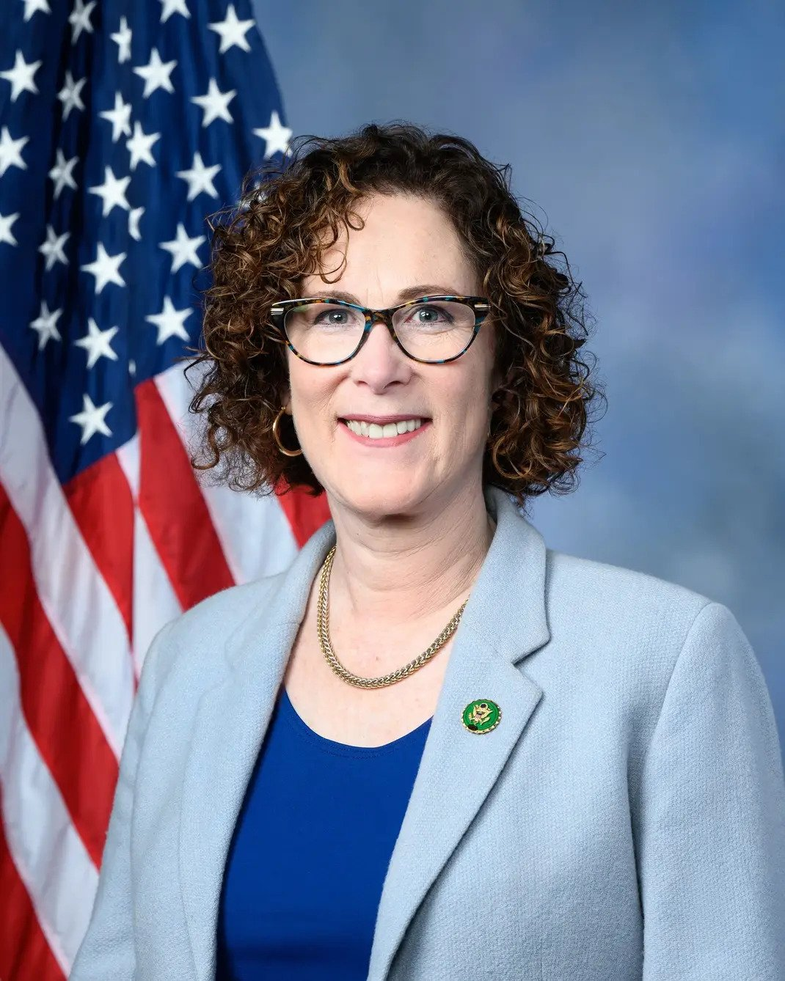
Sponsor
-
TrackYassamin Ansari
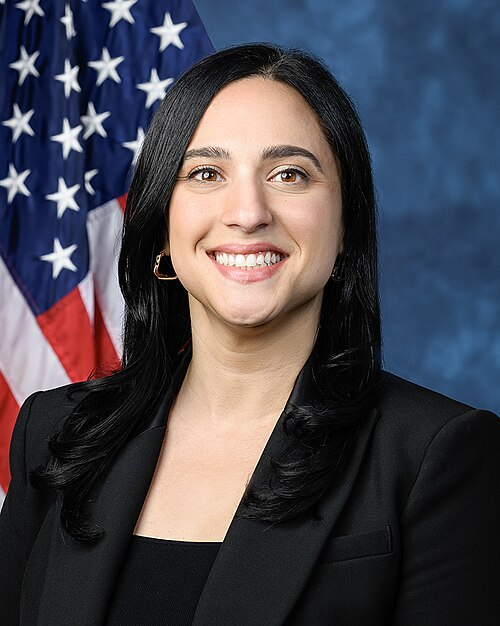
Co-Sponsor
-
TrackBecca Balint
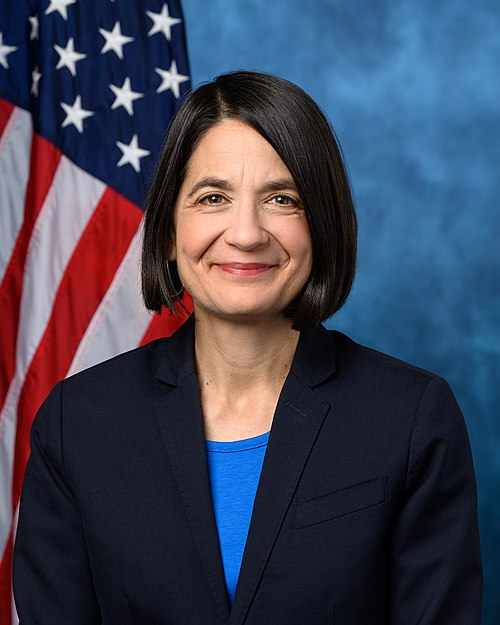
Co-Sponsor
-
TrackSuzanne Bonamici
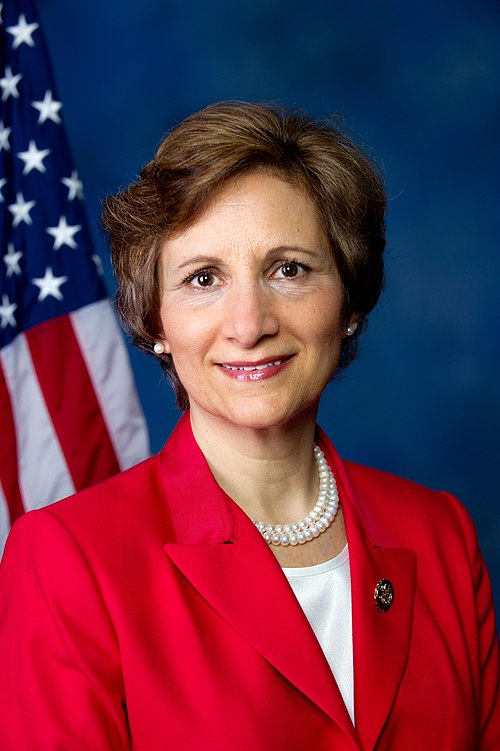
Co-Sponsor
-
TrackYvette D. Clarke
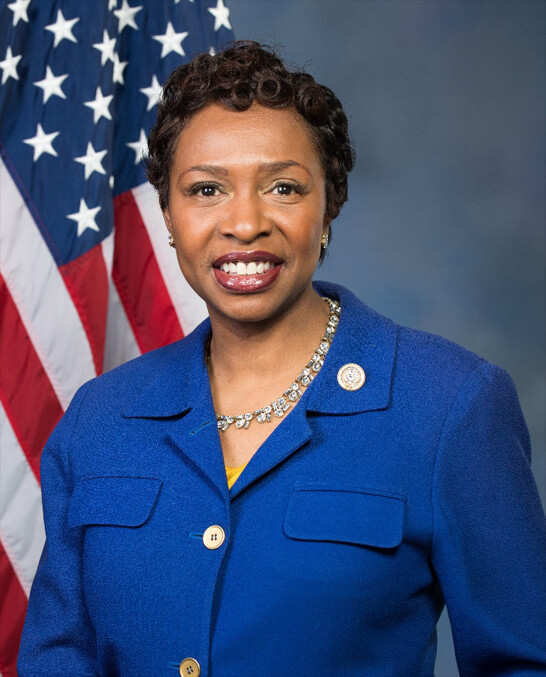
Co-Sponsor
-
TrackChristopher R. Deluzio

Co-Sponsor
-
TrackMaxine Dexter

Co-Sponsor
-
TrackMaxwell Frost
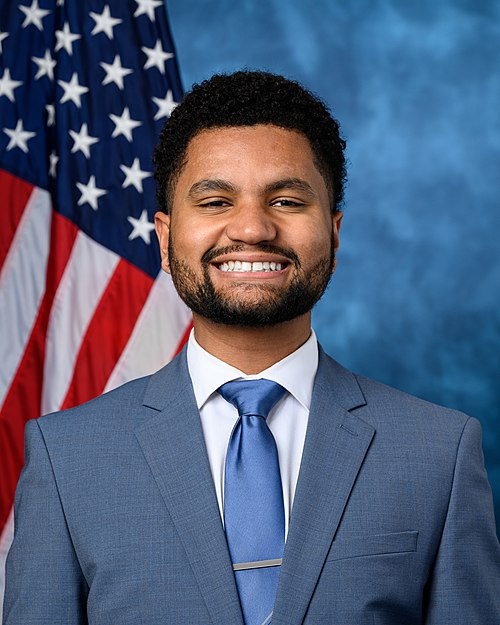
Co-Sponsor
-
TrackJesús G. "Chuy" García
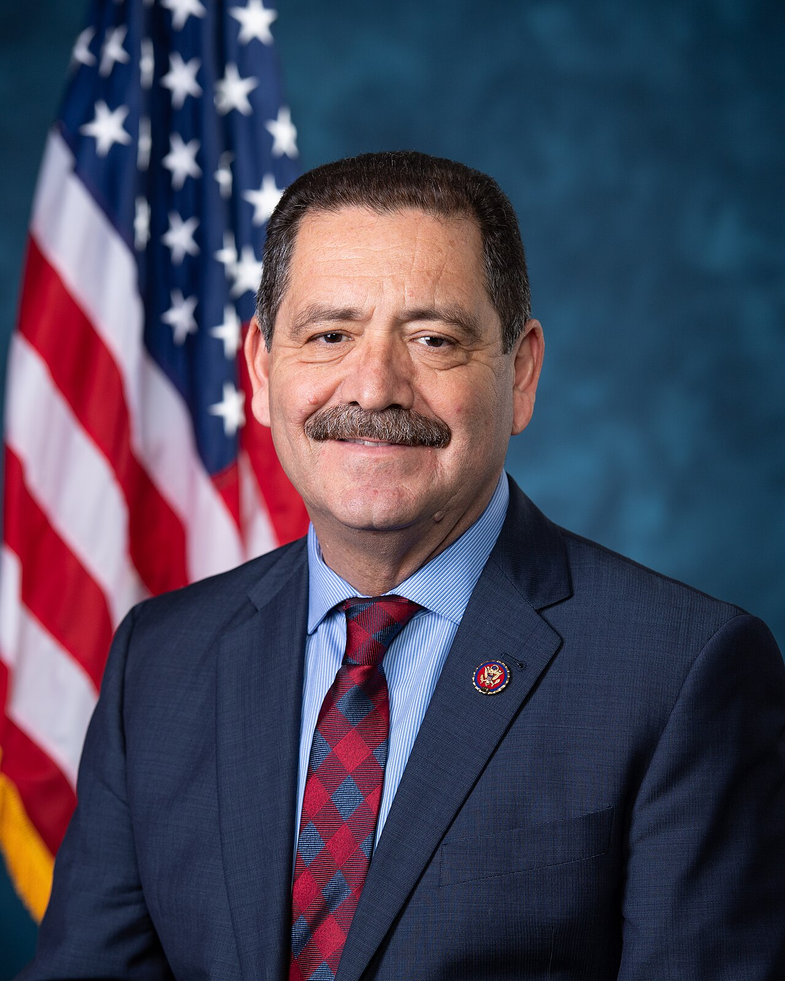
Co-Sponsor
-
TrackSummer L. Lee
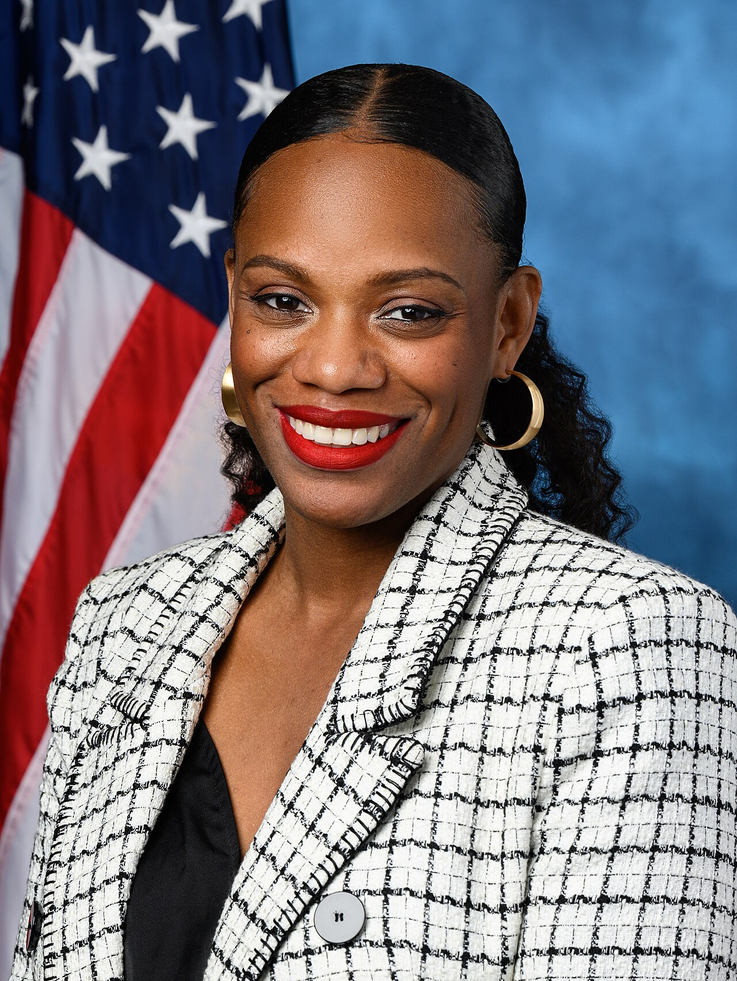
Co-Sponsor
-
TrackGrace Meng
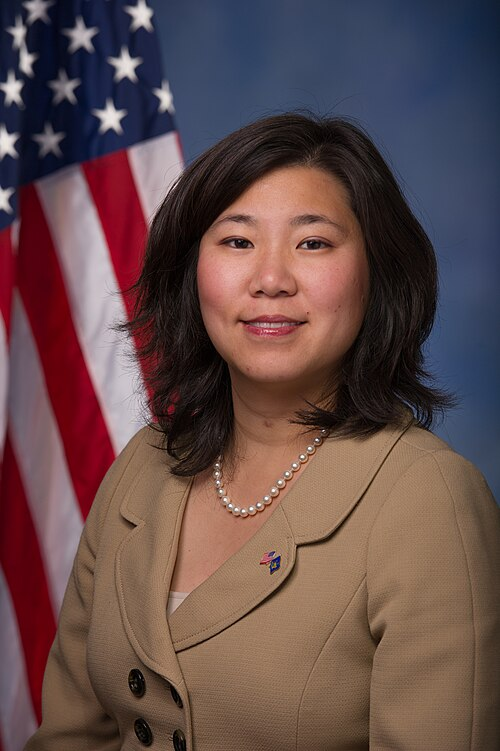
Co-Sponsor
-
TrackEleanor Holmes Norton

Co-Sponsor
-
TrackAlexandria Ocasio-Cortez
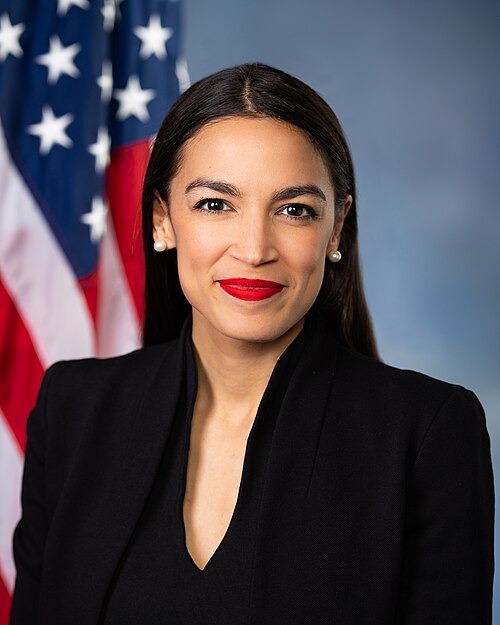
Co-Sponsor
-
TrackMark Pocan
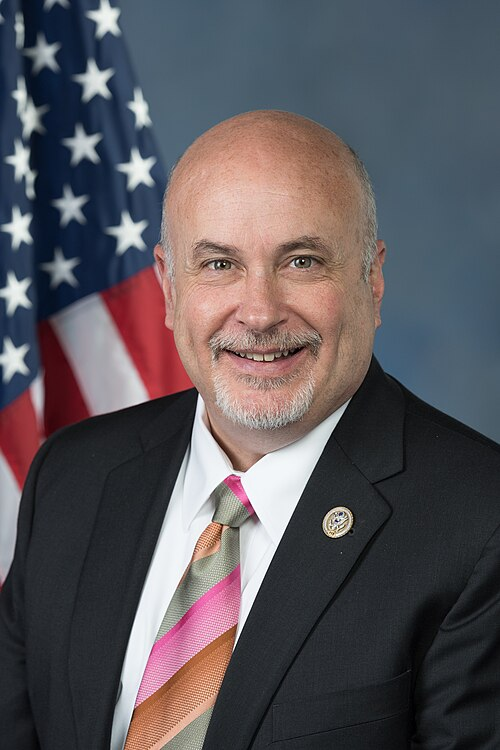
Co-Sponsor
-
TrackAndrea Salinas
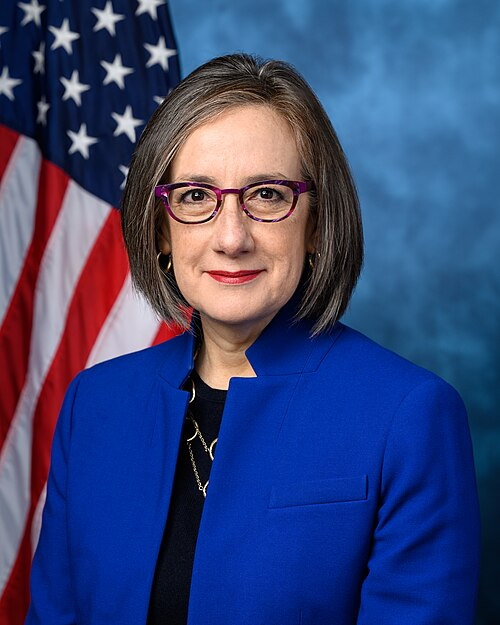
Co-Sponsor
-
TrackSuhas Subramanyam
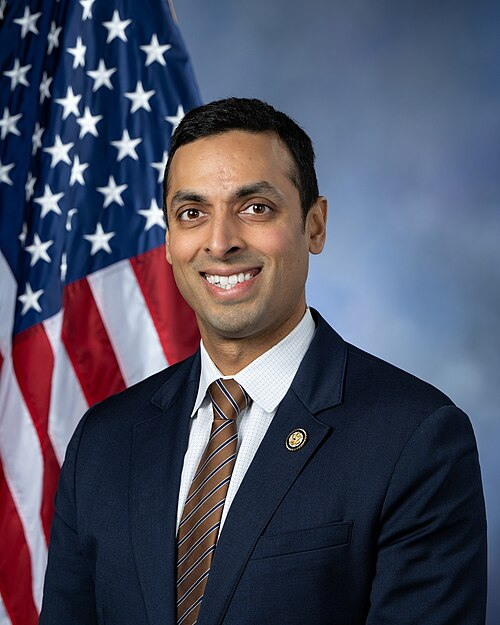
Co-Sponsor
-
TrackRashida Tlaib
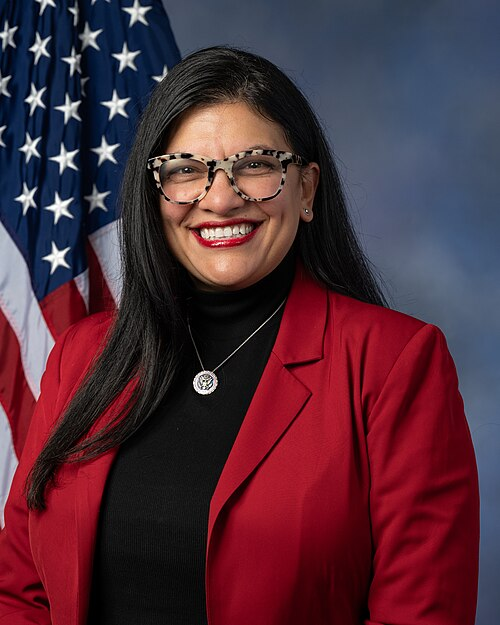
Co-Sponsor
-
TrackJill N. Tokuda
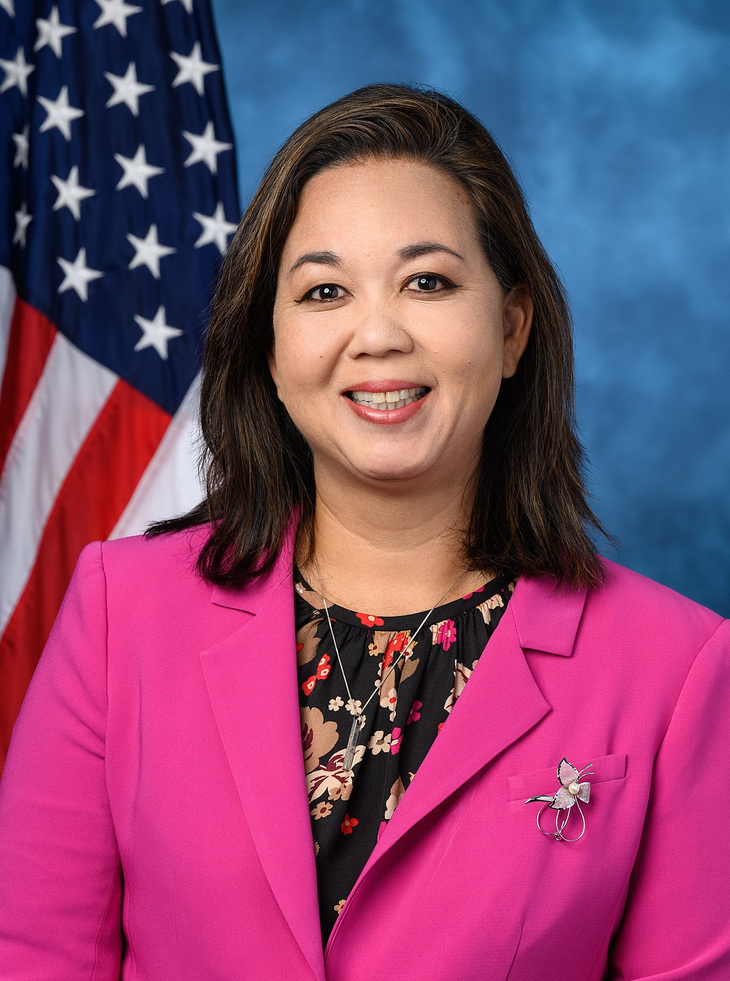
Co-Sponsor
-
TrackEugene Vindman
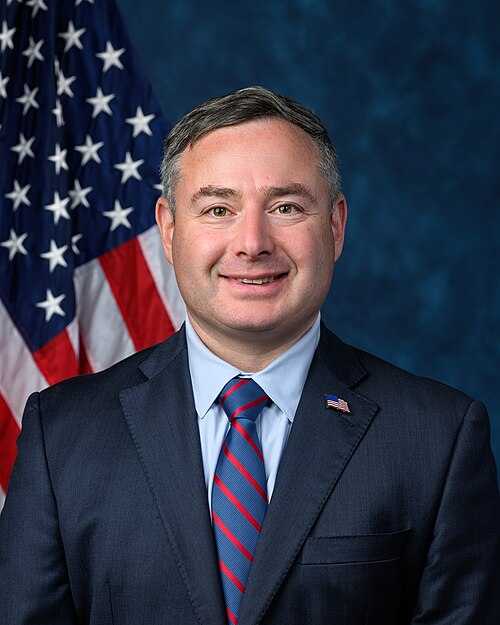
Co-Sponsor
-
Tracknan

Co-Sponsor
Actions
2 actions
| Date | Action |
|---|---|
| Sep. 16, 2026 | Introduced in House |
| Sep. 16, 2026 | Referred to the Committee on Energy and Commerce, and in addition to the Committee on Ways and Means, for a period to be subsequently determined by the Speaker, in each case for consideration of such provisions as fall within the jurisdiction of the committee concerned. |
Corporate Lobbying
0 companies lobbying
None found.
* Note that there can be significant delays in lobbying disclosures, and our data may be incomplete.
Potentially Relevant Congressional Stock Trades
No relevant congressional stock trades found.