H.R. 10433: Stopping Abuse and Fraud Enabled by Platforms Act
This bill would require large online platforms to take more steps to reduce fraud on their services, especially fraud connected to advertisements, commercial content, and user accounts.
Who would be covered
The bill would apply to a covered platform, meaning an online service that lets users view or interact with content posted by others and that has at least 100,000 monthly active users or more than $25 million in annual gross revenue, adjusted for inflation. It would not apply to services that primarily function as internet service providers, email providers, or data storage providers. It also would not apply to content that is transmitted through a platform but not stored on it.
Main restrictions on platforms
The bill would make it illegal for a covered platform to “materially contribute” to fraudulent content directed at consumers. In plain terms, that means a platform could not go beyond being a neutral tool and instead help create, promote, target, recommend, curate, or prioritize content that it knows or should reasonably know is fraudulent.
The bill also defines fraud broadly as misleading conduct that would matter to a reasonable consumer’s decision-making.
Reporting and complaint tools
Covered platforms would have to add easy-to-use reporting and appeal tools within 180 days after enactment. These would include:
- a clearly visible “Report Scam” button or link on content that could be advertising, commercial, or promotional material;
- a simple reporting process that does not require many steps or a lot of information;
- accessibility features for users with disabilities and compatibility with the user’s selected language;
- an option for the reporter to provide identity and contact information, a sworn good-faith statement, and facts supporting the claim of fraud;
- acknowledgment of the report within 30 days;
- notice to the content creator that a fraud report was filed; and
- a counter-notice process for creators to challenge removals, including identity information, a sworn statement that the removal was a mistake, and facts supporting that position.
Privacy-related default settings
The bill would require default privacy settings designed to reduce fraud risk. By default, platforms would generally have to:
- hide a user’s account existence from people they are not connected to, unless the user opts in to public visibility;
- hide a user’s posted media from unconnected users unless the user opts in;
- block direct messages from unconnected users unless the user allows them;
- not show a user’s location unless the user chooses to share it;
- not show a user’s connections unless the user chooses to share them; and
- turn off search engine indexing of profiles unless the user opts in.
Platforms would not be allowed to use one single setting that makes all of these privacy protections weaker at once. They also could not reduce service quality just because a user keeps stronger privacy settings, unless that limitation is technically necessary.
Stopping repeat evasion and platform design features that aid fraud
Platforms would have to use reasonable measures to detect and prevent people from creating new accounts to evade fraud-related enforcement. This includes accounts created soon after suspension, accounts with similar fraudulent behavior, and coordinated networks of fraudulent accounts.
The bill would also require platforms to avoid design features that facilitate fraud, to take reasonable steps to prevent fake profiles and pages, and to prevent fraudulent reviews, likes, and other engagement metrics.
Advertising rules
The bill would require the FTC to issue regulations about ad accessibility and design within 180 days. These rules would cover things like:
- minimum font sizes for key terms and pricing;
- clear labeling;
- contrast between text and background;
- accessibility for users with disabilities; and
- other design requirements to prevent deceptive ads.
Platforms would also have to verify advertisers before letting them buy ads. That verification would include collecting and checking things like legal name, address, contact information, tax ID or similar government identifier, business registration if relevant, and information about the advertiser’s industry and whether it deals in high-risk products or services.
For high-risk advertisers, such as those involved in financial services, health products, education credentials, housing, gambling, cryptocurrency, NFTs, age-restricted goods, or other categories the FTC adds later, platforms would need extra verification, including more documentation, review of the advertiser’s online presence and business history, and periodic re-verification.
Platforms would also have to keep advertiser verification records for at least three years after the last ad activity and provide users with basic information about advertisers, including the advertiser’s legal name, country or jurisdiction, and how long the advertiser has had an account on the platform.
In addition, platforms would need a system to track advertisers that violated fraud policies, stop them from re-registering under another identity, and apply greater scrutiny to new accounts that look similar to banned ones.
Enforcement
The Federal Trade Commission would enforce the bill as if violations were unfair or deceptive acts or practices under the FTC Act. States could also bring civil actions on behalf of residents, and private individuals harmed by violations could sue for injunctions and damages. Courts could award actual losses or statutory damages, with higher awards possible for willful or knowing violations, plus attorney’s fees and costs.
The FTC would also have rulemaking authority to implement, interpret, and enforce the law.
Limits and exceptions
The bill says it would not require platforms to monitor all content before it is posted. It also says Section 230 of the Communications Act would not block enforcement of this law. However, the bill would not apply to internet service providers, email providers, data storage providers, or content merely transmitted through a platform and not stored there.
Relevant Companies
- GOOGL / GOOG — Google’s ad products and YouTube could be affected by advertiser verification, ad labeling, fraud reporting, and content moderation requirements.
- META — Facebook and Instagram would likely be affected by changes to ad verification, scam reporting tools, privacy defaults, and anti-fraud enforcement.
- PINS — Pinterest, which relies on advertising and user-generated content, could be affected by ad verification and fraud-related platform design requirements.
- SNAP — Snapchat could be affected by default privacy settings, messaging limits, and fraud detection obligations.
- AMZN — Amazon, especially its advertising business and marketplace-adjacent content, could face added advertiser verification and anti-fraud compliance costs.
- EBAY — eBay could be affected by requirements to reduce fraudulent listings, reviews, and seller abuse.
- SHOP — Shopify could be indirectly affected if merchants using its tools are subject to increased advertiser verification and fraud-related restrictions on connected platforms.
- ROKU — Roku’s ad-supported platform could be affected by advertiser verification and ad content rules.
This is an AI-generated summary of the bill text. There may be mistakes.
Sponsors
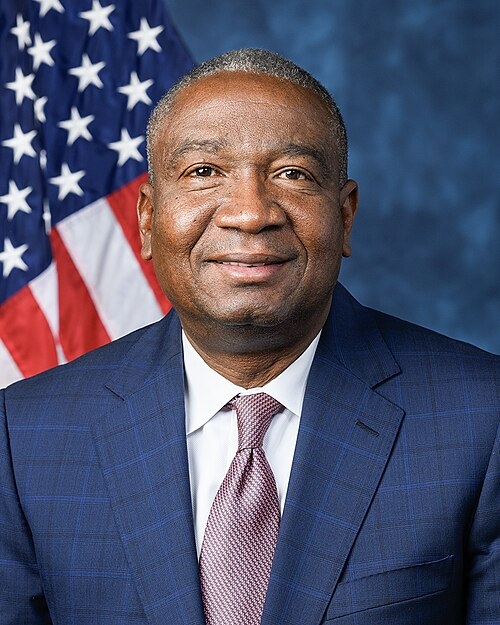
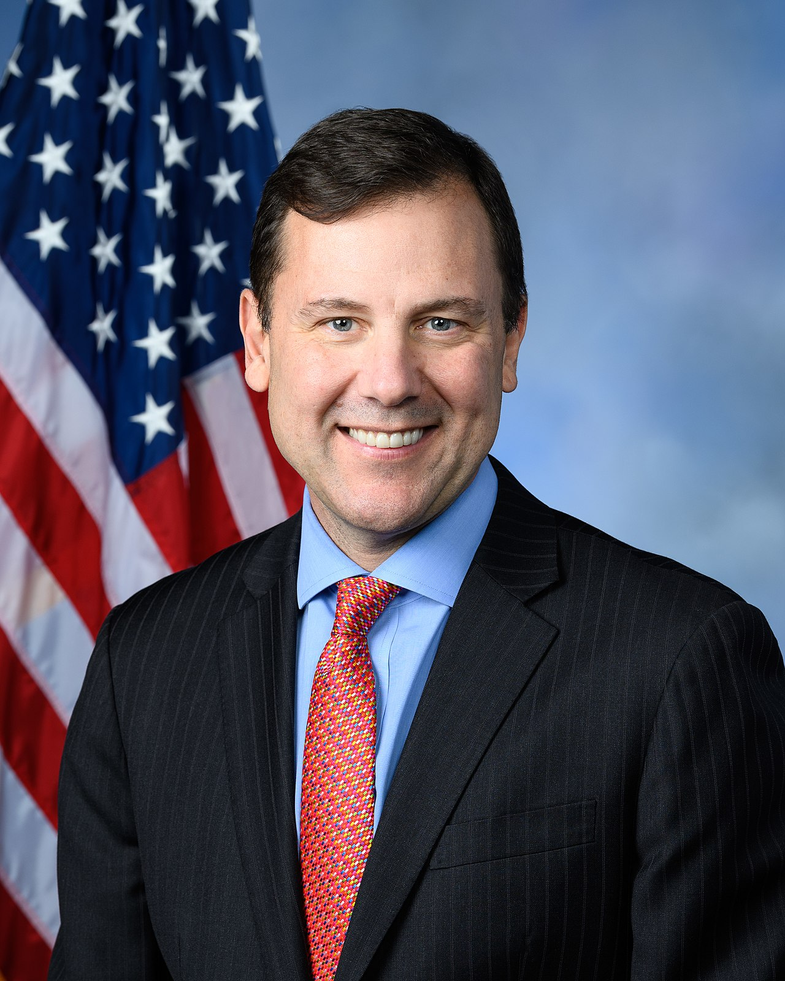
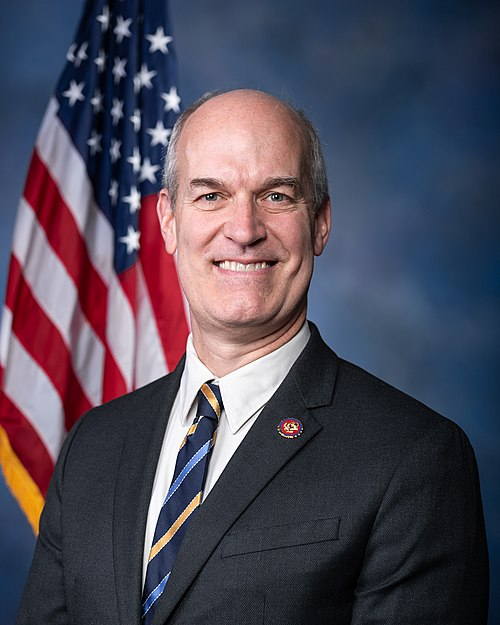
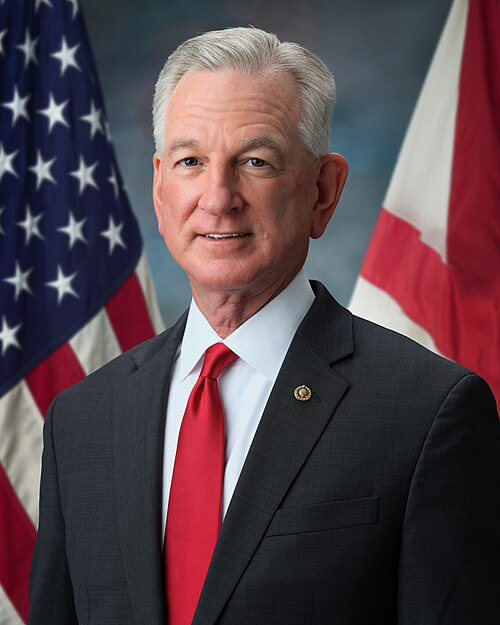
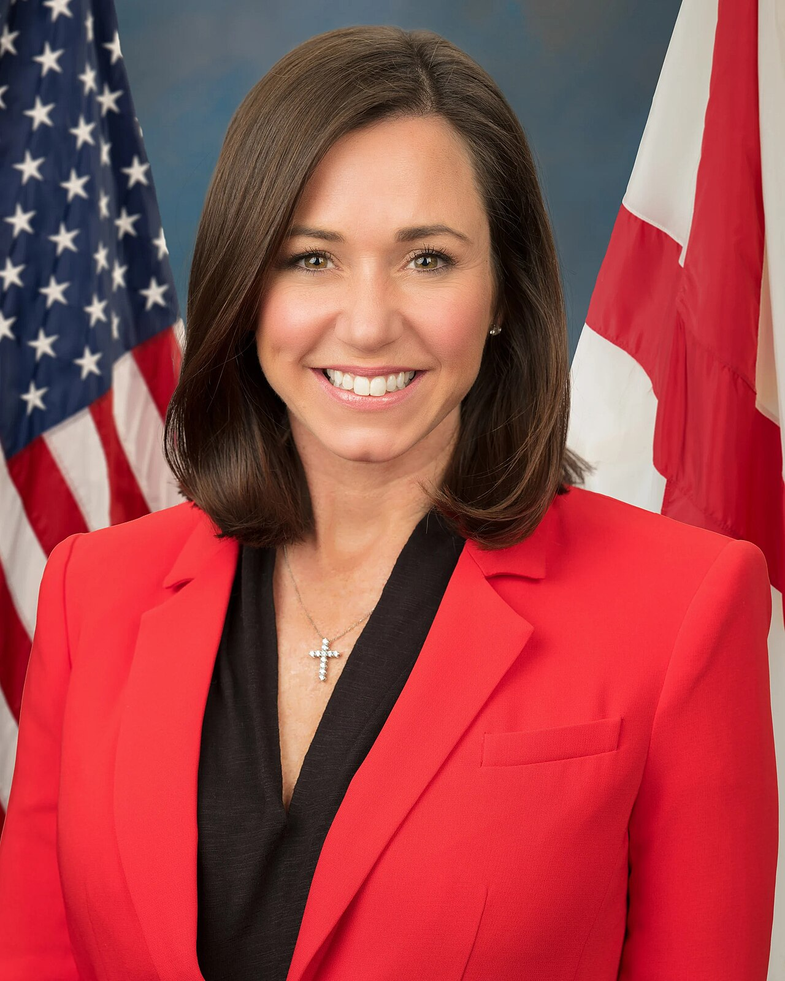
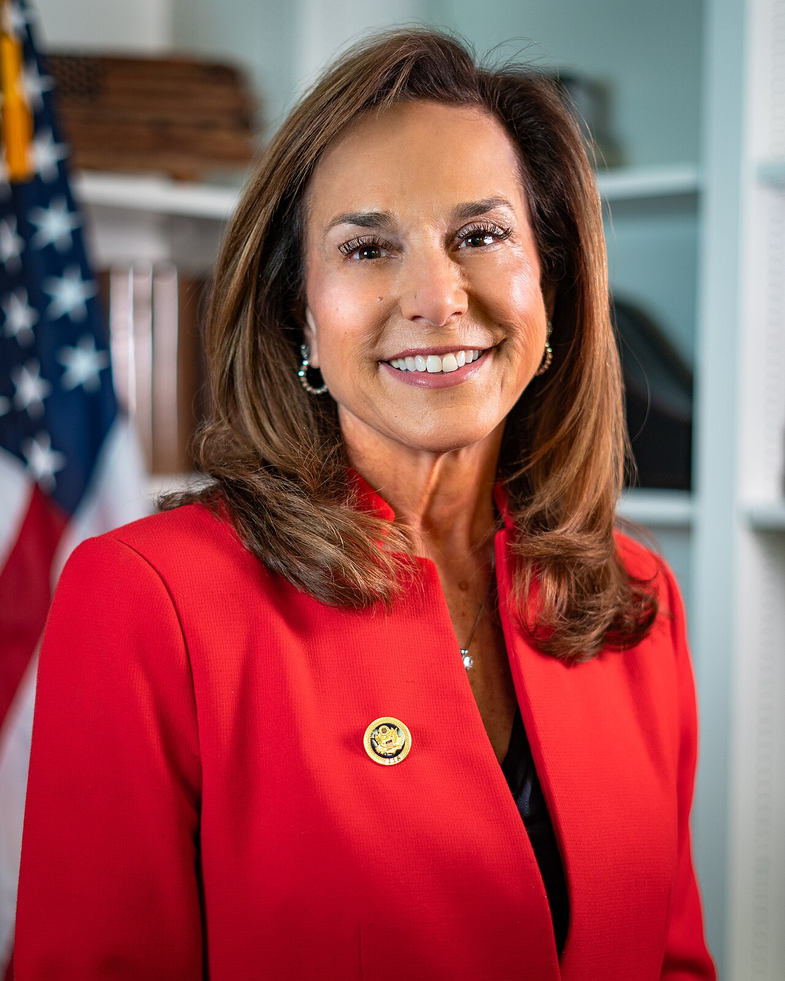
2 bill sponsors

Actions
2 actions
| Date | Action |
|---|---|
| Sep. 16, 2026 | Introduced in House |
| Sep. 16, 2026 | Referred to the House Committee on Energy and Commerce. |
Corporate Lobbying
0 companies lobbying
None found.
* Note that there can be significant delays in lobbying disclosures, and our data may be incomplete.