
H.R. 10426: Backlog Justice Act of 2026
This bill would create several federal programs aimed at helping states and local governments process sexual assault evidence kits more quickly and consistently.
What the bill would do
- Create a public national database: The Attorney General would be required to set up and maintain an online database with aggregated and anonymized information about sexual assault evidence kits that have been submitted for testing and are being held by state or local forensic providers. The database would also estimate how long it takes each lab to test a kit.
- Expand FBI training: The FBI would be authorized to run training programs for people who test sexual assault evidence for state and local governments. This could include training at the FBI lab or at state/local labs. It would also allow FBI-trained analysts to be hired by states or local governments after training. The bill also authorizes training for DNA technical leaders, including both in-person and remote sessions.
- Support new forensic technology: The FBI, working with state and local forensic labs, could coordinate a program to research and share new DNA processing technologies and methods. This would include analytical protocols, validation data, and equipment verification plans. Afterward, the FBI could publish a list of validated technologies and processes.
- Reward states that track kit status electronically: Starting in fiscal year 2027, states that have a website-based electronic tracking system for sexual assault kits could receive up to a 10 percent increase in certain STOP grant funding. The tracking system would need to let survivors and their advocates see each stage of the kit’s progress, from the hospital to law enforcement, the lab, and final disposition. The boost would last for two years, and a state could receive it no more than four times.
- Require periodic reporting on forensic science needs: Within one year of enactment, and every three years after that, the Attorney General—working with the Secretary of Commerce and the Secretary of Health and Human Services—would have to submit and publicly release a report on the status and needs of the public forensic science system. The report would cover workload, backlogs, staffing, equipment, and training needs at crime labs, medical examiner and coroner offices, and toxicology offices, and would include a plan for addressing those needs.
Funding authorized
- $5 million per year for fiscal years 2027 through 2031 for FBI training programs.
- $10 million per year for fiscal years 2027 through 2031 for the validation and technology transfer program.
- $1.5 million per year for fiscal years 2027 through 2031 for the state tracking-system grant incentive.
Relevant Companies
None found
This is an AI-generated summary of the bill text. There may be mistakes.
Sponsors
21 bill sponsors
-
TrackEmanuel Cleaver
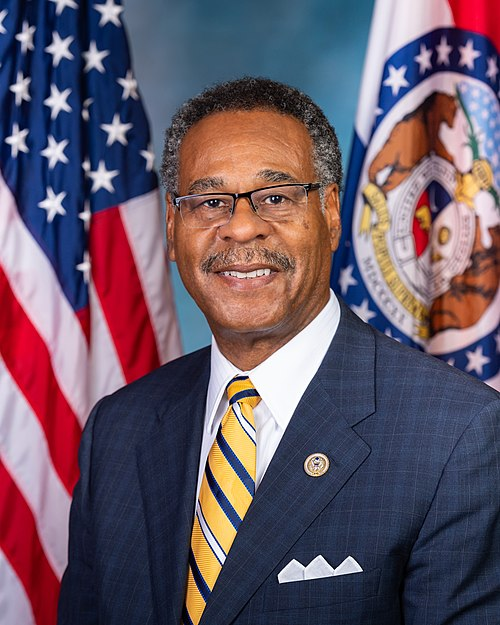
Sponsor
-
TrackAlma S. Adams
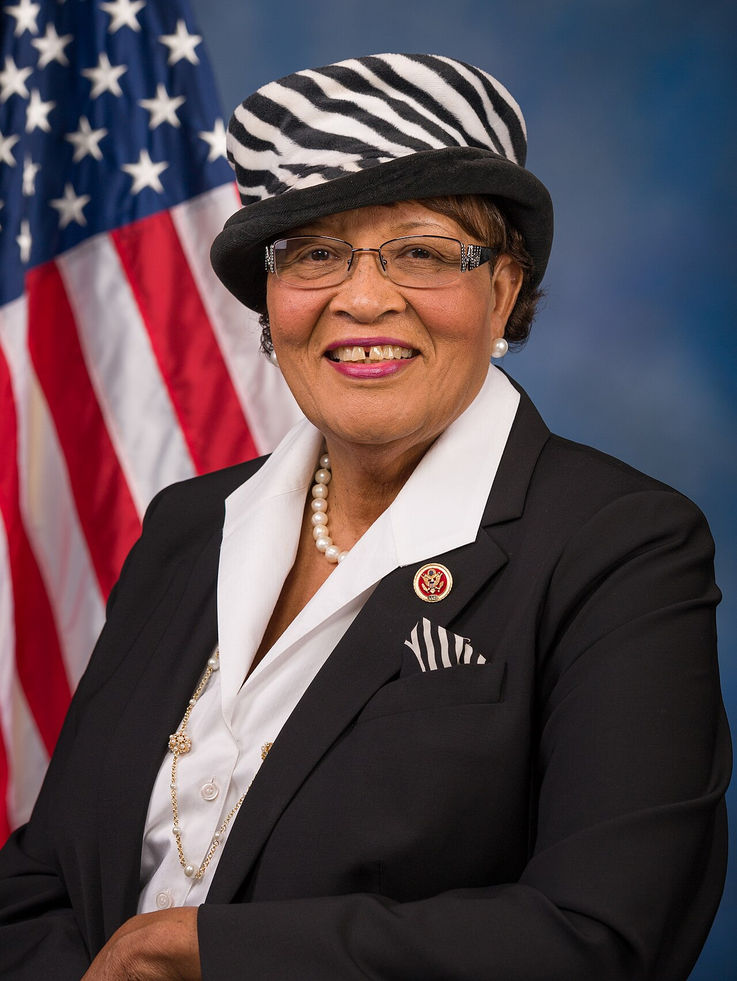
Co-Sponsor
-
TrackSuzanne Bonamici
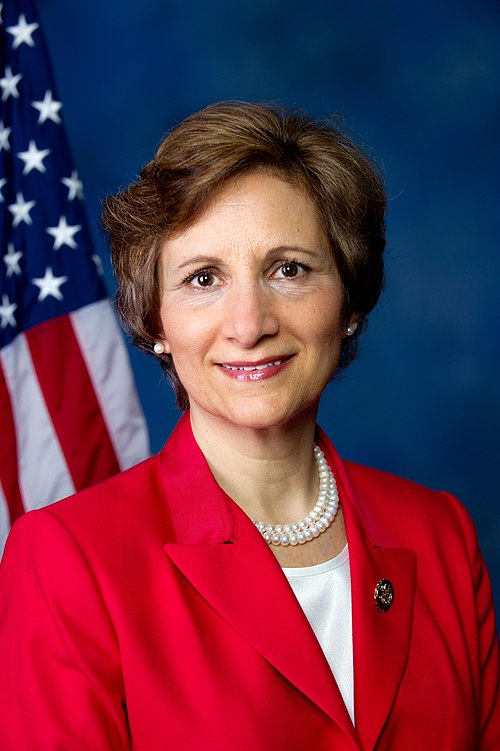
Co-Sponsor
-
TrackSalud O. Carbajal
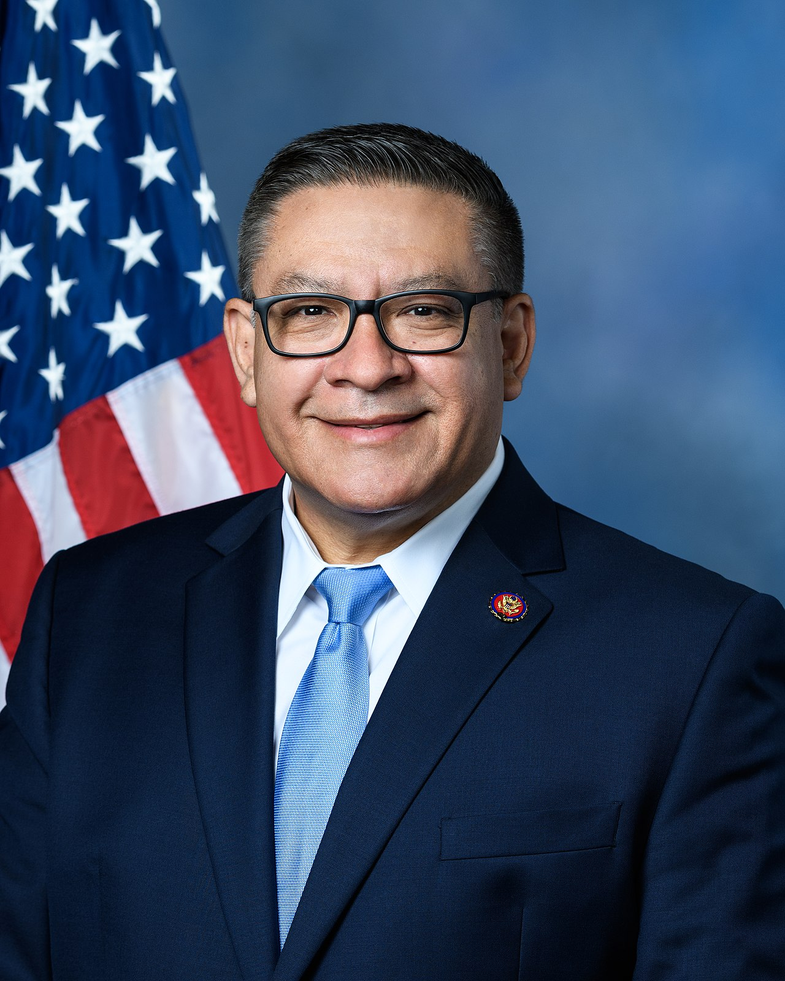
Co-Sponsor
-
TrackJudy Chu
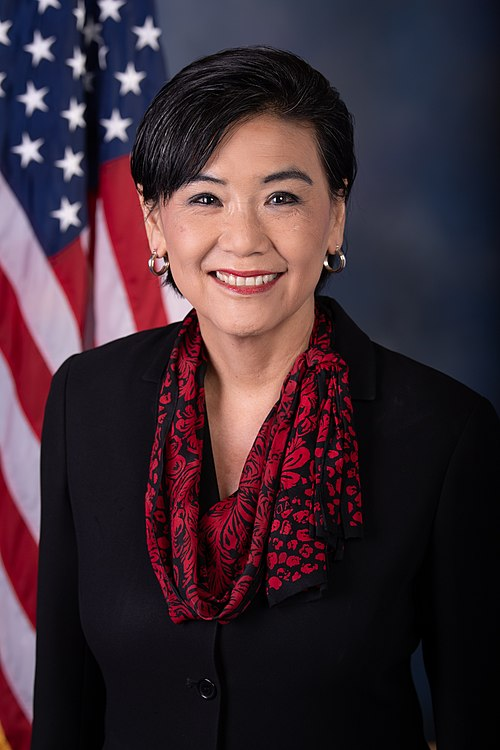
Co-Sponsor
-
TrackYvette D. Clarke
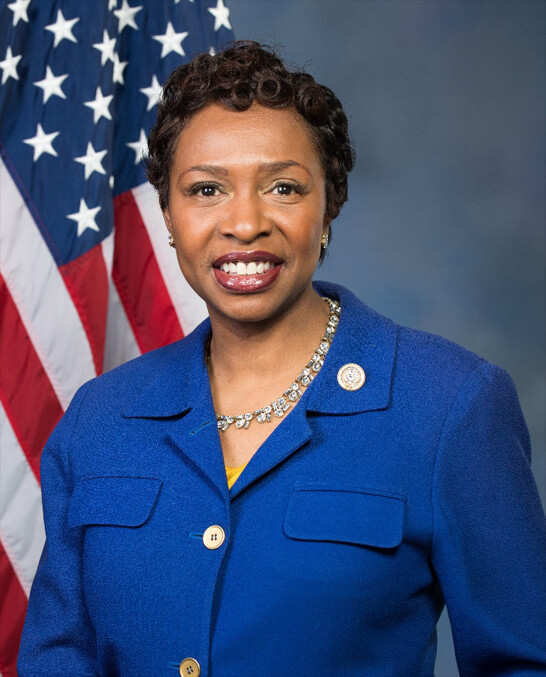
Co-Sponsor
-
TrackDebbie Dingell
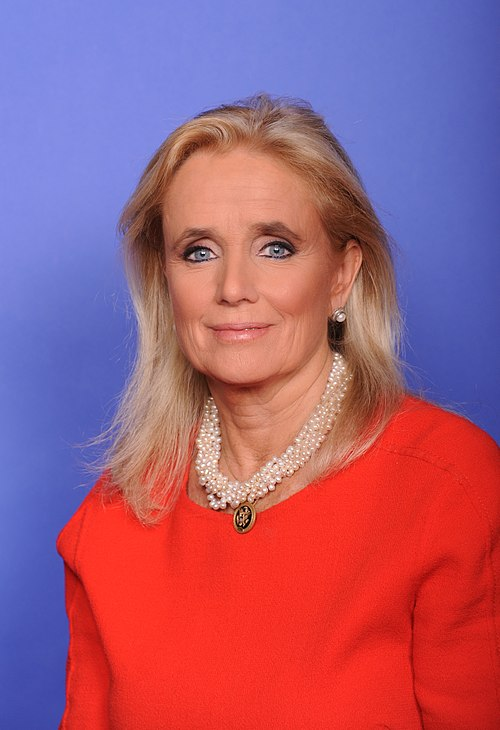
Co-Sponsor
-
TrackBrian K. Fitzpatrick
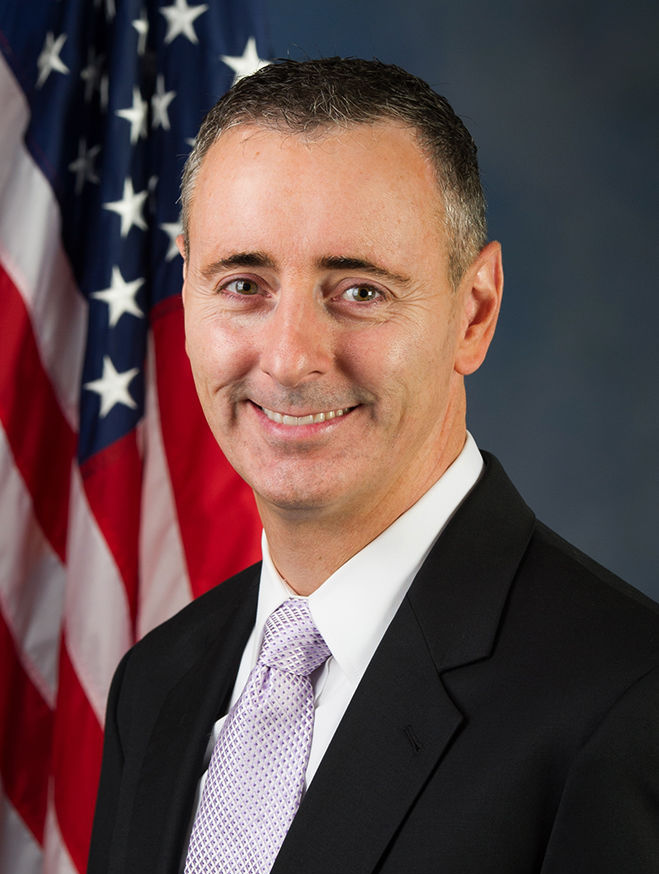
Co-Sponsor
-
TrackJosh Harder
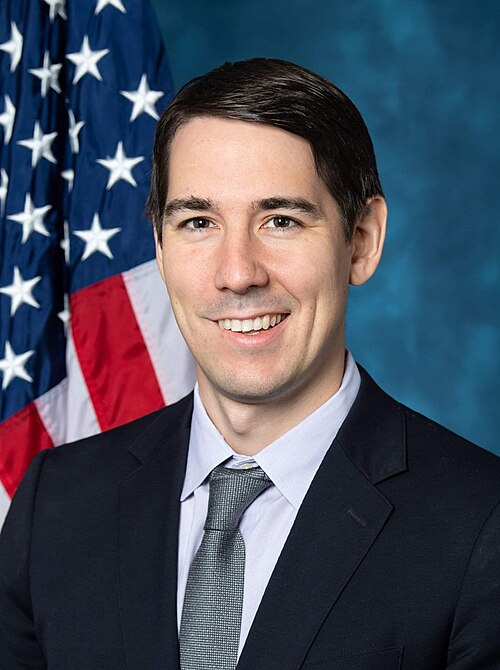
Co-Sponsor
-
TrackMichael Lawler
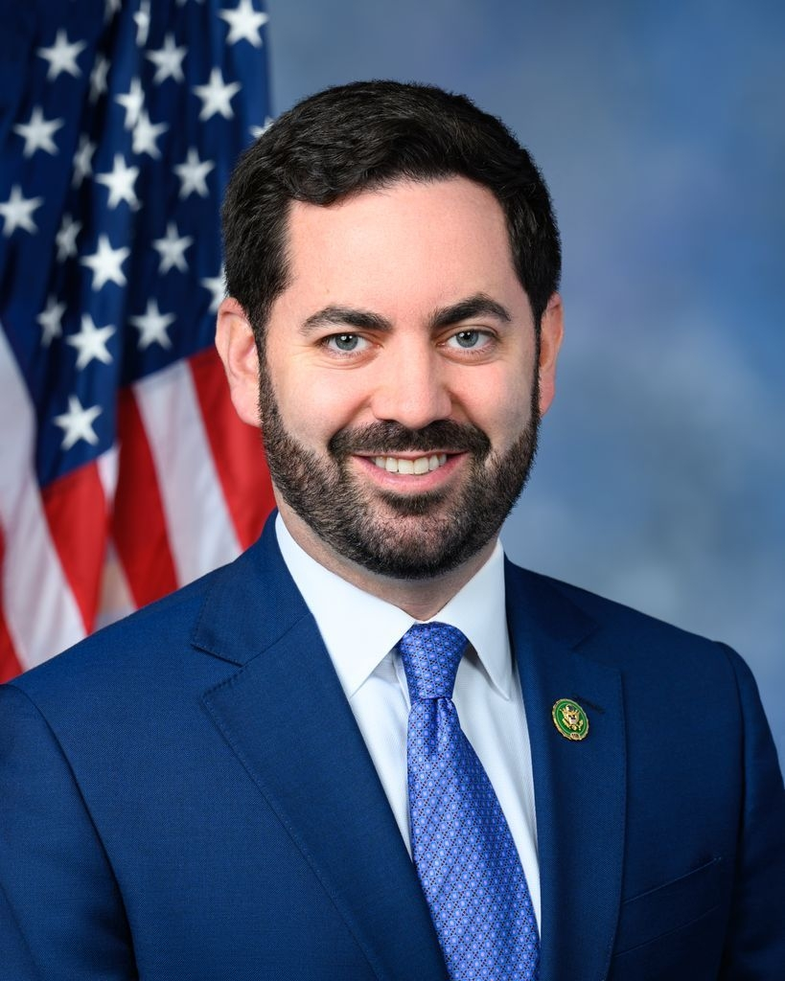
Co-Sponsor
-
TrackStephen F. Lynch
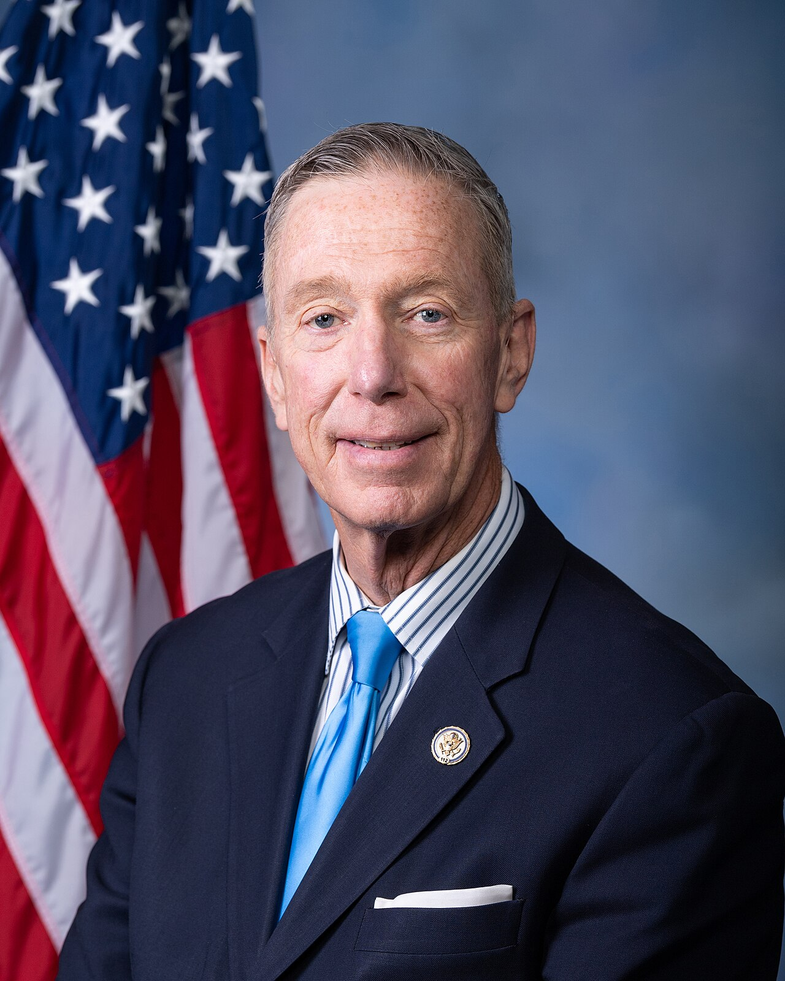
Co-Sponsor
-
TrackRyan Mackenzie
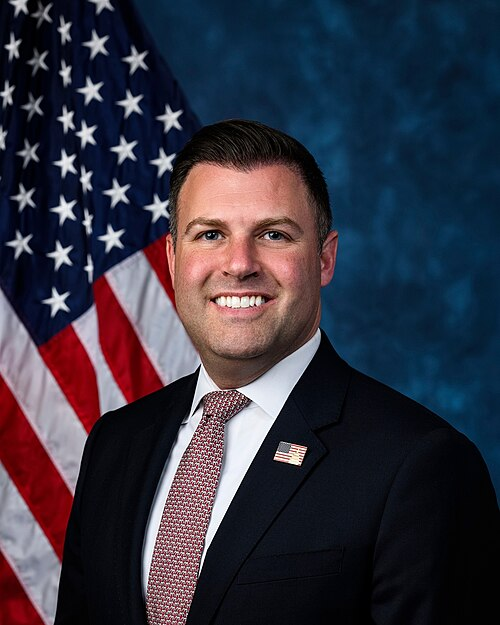
Co-Sponsor
-
TrackJennifer L. McClellan
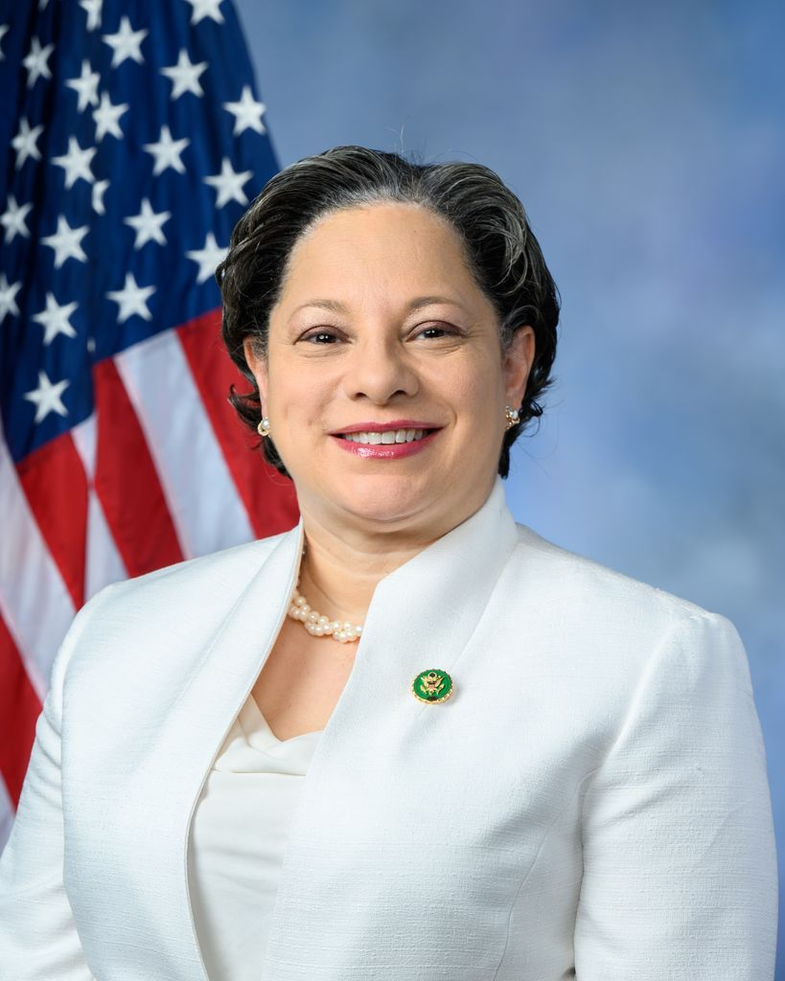
Co-Sponsor
-
TrackEleanor Holmes Norton

Co-Sponsor
-
TrackChellie Pingree
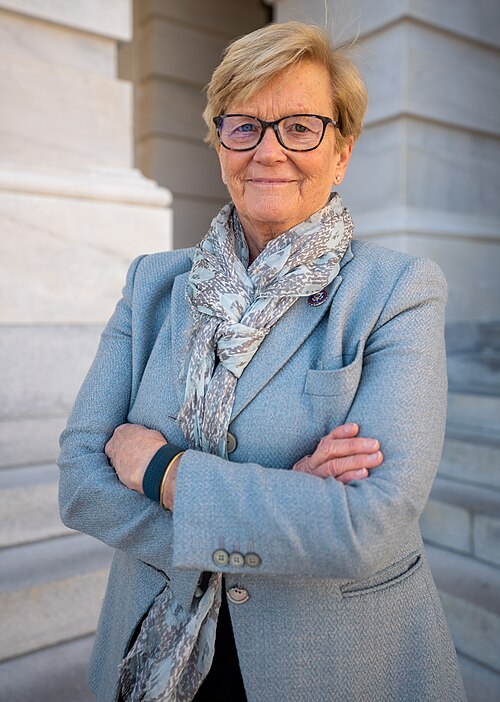
Co-Sponsor
-
TrackMike Quigley
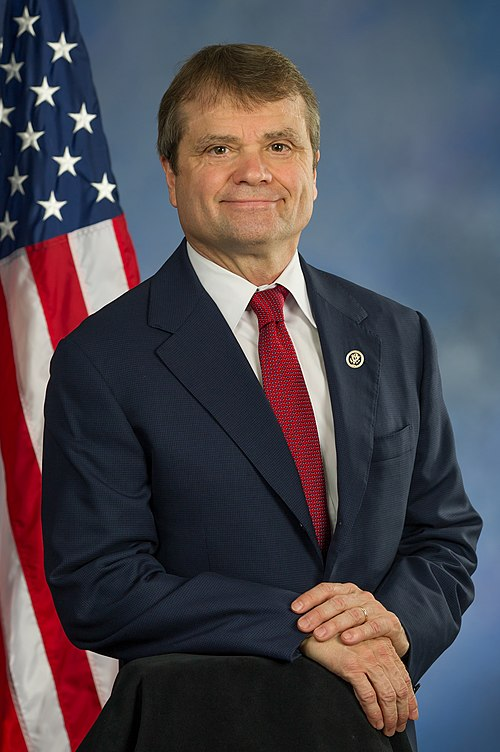
Co-Sponsor
-
TrackLateefah Simon
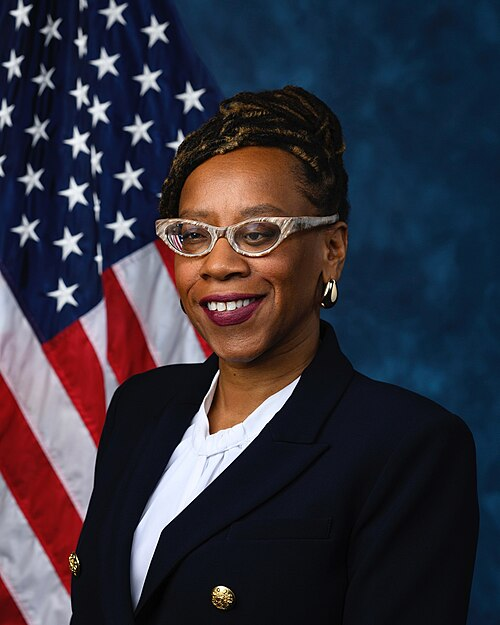
Co-Sponsor
-
TrackShri Thanedar
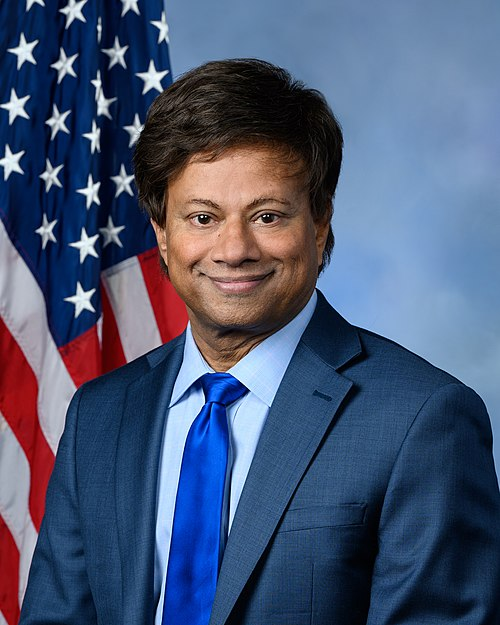
Co-Sponsor
-
TrackAnn Wagner
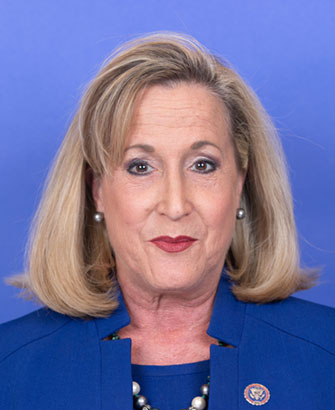
Co-Sponsor
-
TrackBonnie Watson Coleman
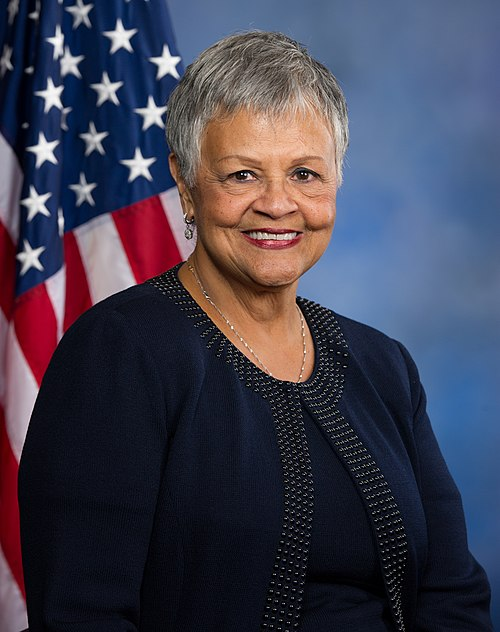
Co-Sponsor
-
TrackFrederica S. Wilson
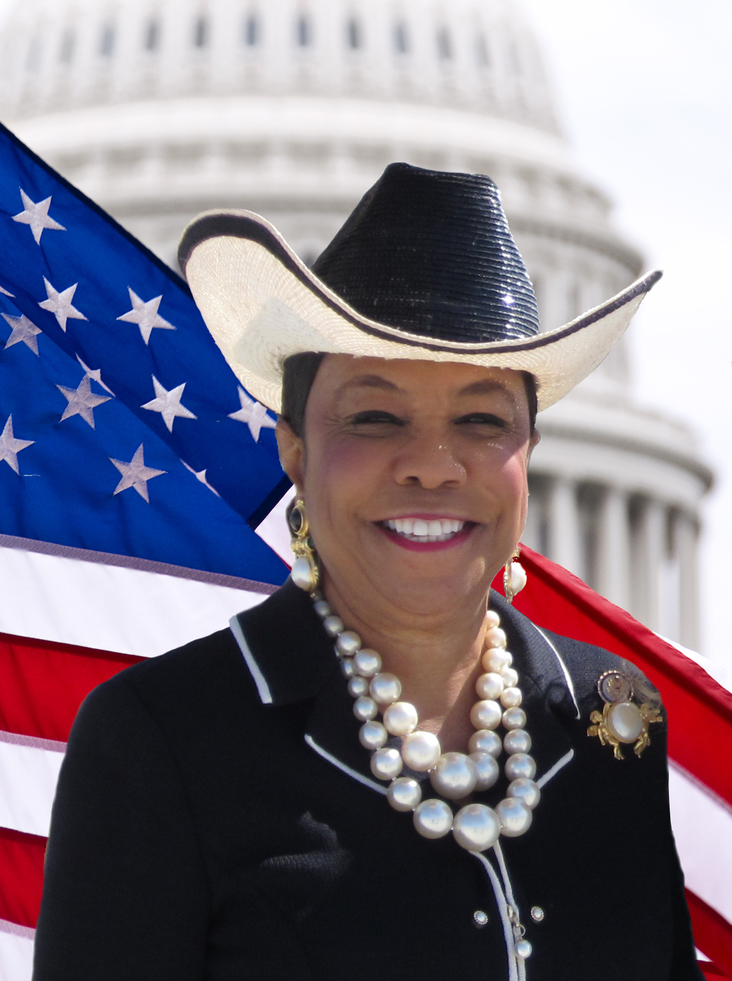
Co-Sponsor
Actions
2 actions
| Date | Action |
|---|---|
| Sep. 16, 2026 | Introduced in House |
| Sep. 16, 2026 | Referred to the House Committee on the Judiciary. |
Corporate Lobbying
0 companies lobbying
None found.
* Note that there can be significant delays in lobbying disclosures, and our data may be incomplete.
Potentially Relevant Congressional Stock Trades
No relevant congressional stock trades found.