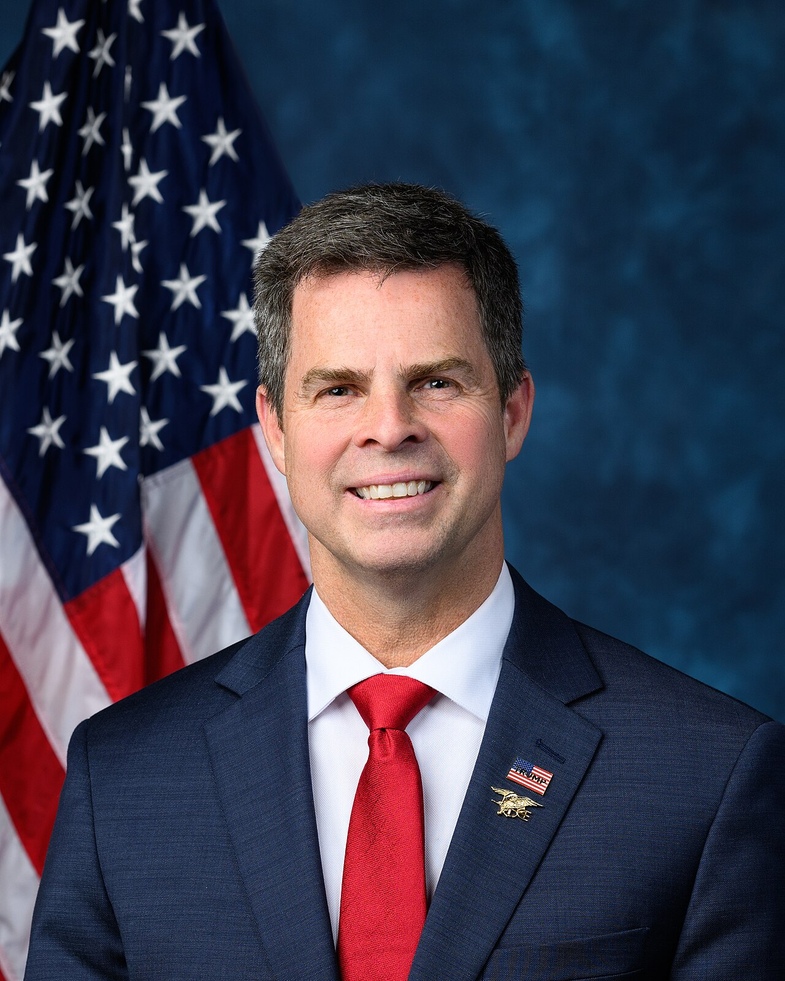
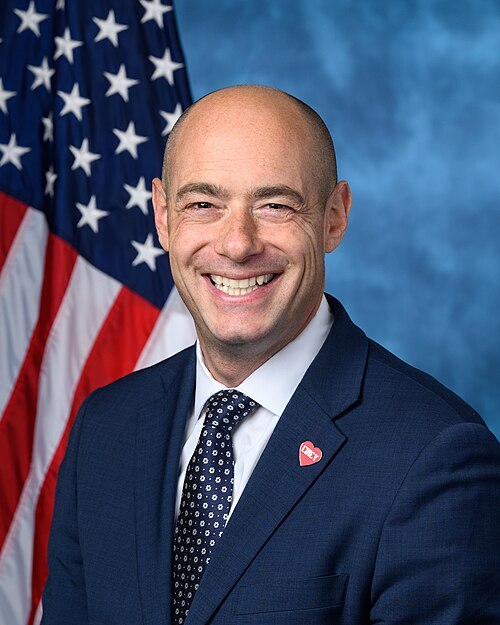
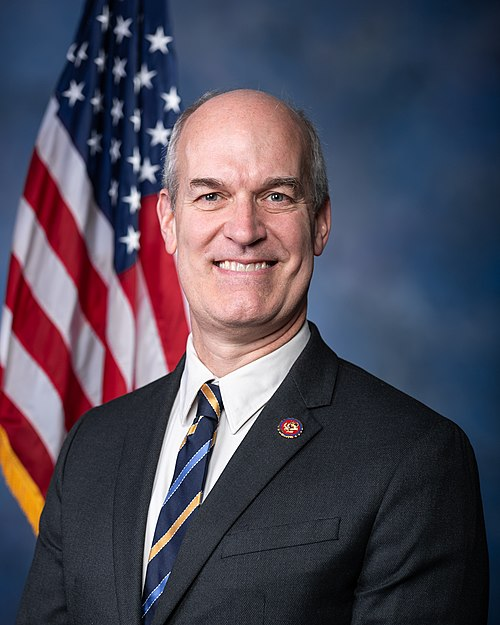
H.R. 10419: Supporting Mobile and Integrated Local Examinations for Veterans Act
This bill would direct the Department of Veterans Affairs (VA) to create a 3-year pilot program to improve dental care access for veterans living in rural areas. The program would need to be set up within one year of enactment.
What the pilot program would do
The VA would work with community-based dental providers outside the VA system to offer eligible rural veterans dental services through reimbursements, contracts, or other agreements. The program could include:
- Basic, preventive, restorative, and urgent dental care
- Mobile dental services
- No-cost dentistry days, where services are provided free to veterans
The VA would also be required to outreach and inform veterans about the available services.
Where it would operate
The pilot program would have to run in at least 10 rural locations across at least 5 states.
Who could receive care
Eligible veterans would generally be those who:
- are enrolled in the VA patient enrollment system,
- live in a rural area, and
- either are not otherwise eligible for VA dental care, or are eligible but cannot access care through the VA or Community Care Network within required access standards.
For homeless veterans, the VA could waive the enrollment requirement, may relax the rural residency requirement in certain cases, and would have to create alternative ways to verify eligibility.
Which providers could participate
The VA would have to identify community providers willing to work with the program, including:
- nonprofit dental organizations
- Federally Qualified Health Centers and Community Health Centers
- Rural Health Clinics
- Critical Access Hospitals
- dental schools and dental education programs
- mobile dental clinics and mobile health programs
- private dental practices
- other organizations serving underserved populations
The VA would be required to give preference, when practical, to providers with experience serving rural areas, especially those using mobile or portable care models.
Program rules and payment
The VA would set participation standards covering things like licensure, quality, data reporting, and oversight. Participating providers would have to accept the VA reimbursement rate as payment in full for covered services and generally could not bill veterans extra for those services.
For services not covered by the pilot, providers could charge veterans only if the veteran chooses the service and is given clear advance notice of the cost. Cosmetic or other elective procedures would not be allowed under that provision.
The VA would also have to process clean claims from providers within 30 days.
Services covered
Covered services would include outpatient dental care needed to diagnose, prevent, or treat dental disease, infection, or pain, such as:
- oral exams
- X-rays
- cleanings and preventive care
- fillings
- urgent pain relief and infection treatment
- basic extractions
- certain dentures and related preparatory care
- nonsurgical periodontal services
- other outpatient dental services the VA chooses to include
Outreach and coordination
The VA would have to use its communication channels to help rural veterans learn about the program and connect them with providers. This could include information shared through VA medical centers, outpatient clinics, websites, digital platforms, and coordination with state and county veterans service officers.
At each pilot location, the VA would designate a staff member to serve as a contact point for the program, helping with eligibility decisions, provider coordination, and access to services.
Study and reporting requirements
The bill would create an internal VA working group to study barriers to dental care for rural veterans. The group would include VA offices and may include outside community dental providers. It would examine service availability, barriers to access, coordination opportunities, and best practices for mobile or community-based dental care.
The working group would submit findings to the VA Secretary within 18 months, and the Secretary would have to consider them in running the pilot.
The VA would then have to send Congress a report within 3 years of the pilot’s start describing the providers used, outreach effectiveness, access improvements, costs, and any changes made based on the working group’s findings.
Funding and duration
The bill authorizes $5 million for fiscal year 2027 to start the program and $20 million per year for fiscal years 2028 through 2030 to operate it. The pilot authority would end after 3 years, and the VA would review it annually to assess whether it should be continued or expanded.
Relevant Companies
- HCA Healthcare, Inc. (HCA) — Could participate through hospitals or affiliated care facilities, especially in rural or critical access settings that provide dental services.
- UnitedHealth Group Inc. (UNH) — Its health care services business could be indirectly affected if it participates in or administers related community care arrangements, though the bill does not directly target it.
- Cigna Group (CI) — Could be indirectly affected through dental benefit or network-related administrative arrangements if involved in VA-adjacent provider networks.
- Henry Schein, Inc. (HSIC) — Could see some indirect demand effects if mobile or community dental providers expand services and need dental supplies or equipment.
- Patterson Companies, Inc. (PDCO) — Could be indirectly affected by increased activity among participating dental practices, clinics, or mobile dental providers needing equipment and supplies.
This is an AI-generated summary of the bill text. There may be mistakes.
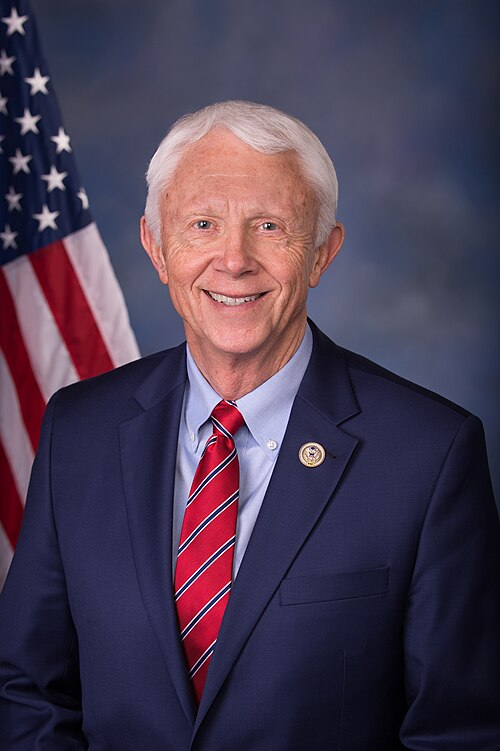
Sponsors
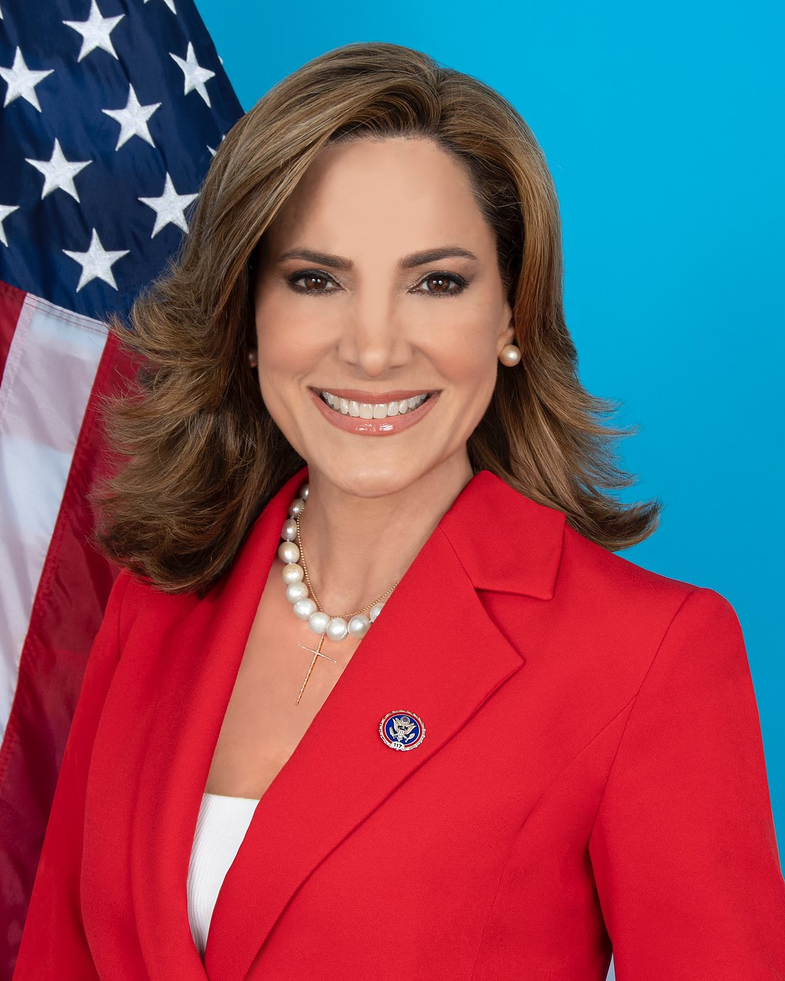
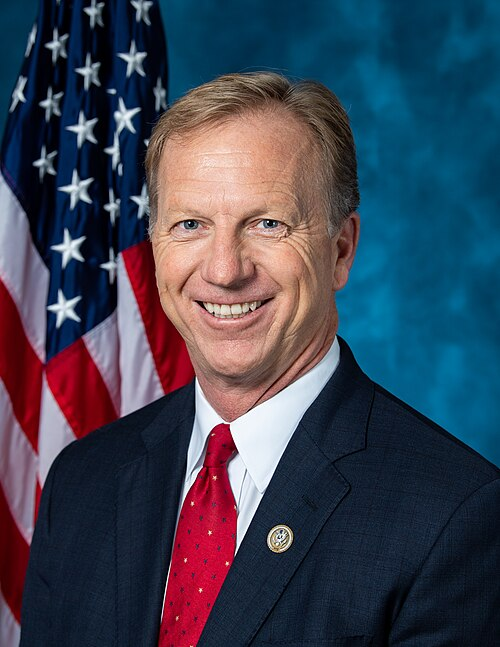
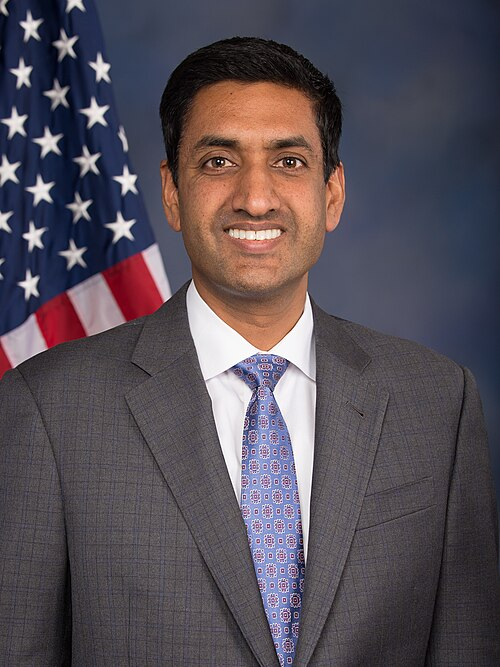
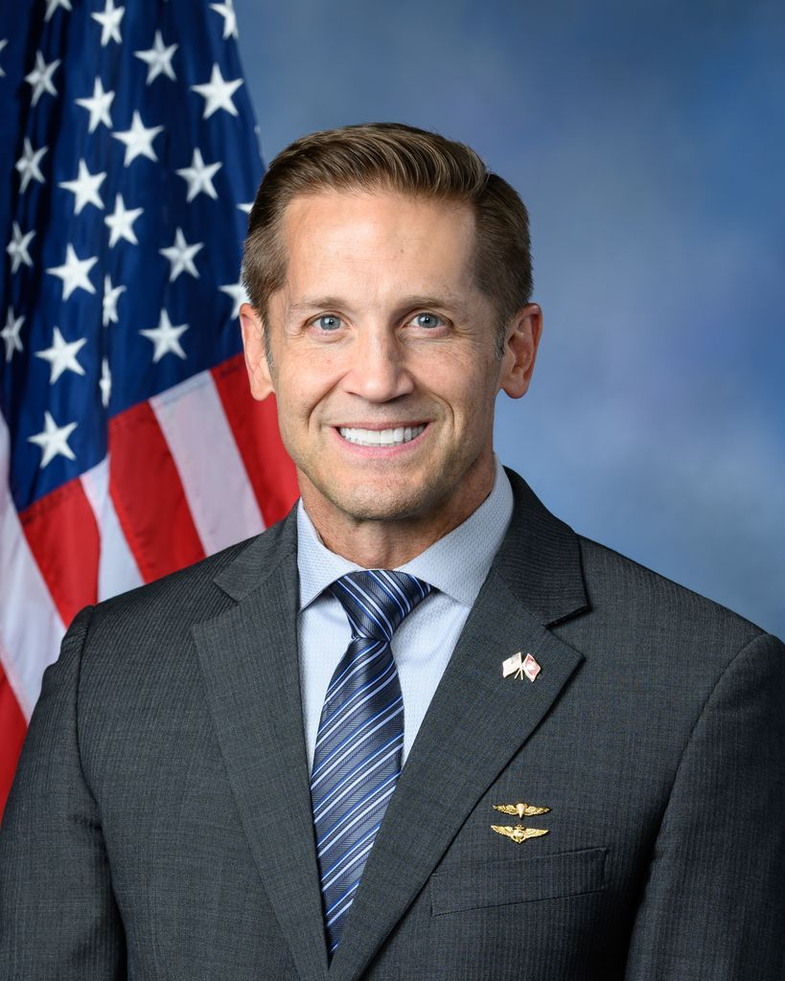
6 bill sponsors
Actions
2 actions
| Date | Action |
|---|---|
| Sep. 16, 2026 | Introduced in House |
| Sep. 16, 2026 | Referred to the House Committee on Veterans' Affairs. |
Corporate Lobbying
0 companies lobbying
None found.
* Note that there can be significant delays in lobbying disclosures, and our data may be incomplete.