H.R. 10415: Food for Thought Act of 2026
This bill would create a new federal grant program to help certain colleges and universities provide free meals, including snacks, to low-income students.
What the program would do
- The U.S. Department of Agriculture, through the Food and Nutrition Service, would set up a competitive grant program.
- Eligible schools could use the money to give free meals to low-income students for up to 2 years per grant.
- Each student could receive at least 1 and no more than 10 free meals per week.
Who could apply
The bill defines eligible schools broadly, but it focuses on institutions with at least 20% of undergraduates eligible for Pell Grants. That includes many community colleges, minority-serving institutions, historically Black colleges and universities, Tribal colleges and universities, and some vocational institutions.
Eligible applicants could include:
- Colleges that already have an on-campus meal program.
- Schools that use outside meal providers, food pantries, food halls, mobile meal distribution, or similar arrangements.
- Consortia of schools, as long as at least one school in the group has an on-campus meal program and is reasonably accessible to the others.
How students would be selected
Schools receiving grants would have to give priority to low-income students who:
- Receive Pell Grants.
- Are experiencing or at risk of food insecurity, housing insecurity, homelessness, or other basic-needs insecurity.
- Participate in state or federally funded work-study programs.
How the money could be used
Grant funds could be used to:
- Set up or run the free meal program.
- Prepare meals or buy them from vendors.
- Outreach to students and encourage participation.
- Tell students about other benefit programs they may qualify for, including SNAP.
- Review school meal-plan policies that may make it harder for low-income students to enroll or stay enrolled.
- Reduce those barriers if they are found.
- Help students at schools without their own meal programs learn how to access meals and transportation options.
No more than 20% of a grant could be used to buy equipment.
Meal standards and SNAP
Meals provided under the program would have to meet nutrition standards to be set by USDA, based on the Dietary Guidelines for Americans. Receiving these meals would not count against a student’s eligibility for SNAP benefits.
Administrative requirements
The bill would require USDA and the Department of Education to work together, including through a formal agreement within 120 days after enactment. That agreement would allow sharing of education-related data and resources, while following federal privacy rules, for the purpose of identifying eligible schools and students and improving outreach.
USDA would also have to provide technical assistance to schools, including help with building meal infrastructure, carrying out the program, training staff, and reaching students who may qualify for SNAP.
Reporting and oversight
Schools receiving grants would have to report on food insecurity among their students, how the funds were used, and information about the students served. USDA would also have to report to Congress within 2 years on how the program is working, and within 4 years on its effect on student retention and completion rates.
Funding
The bill authorizes whatever funding is needed for fiscal years 2027 through 2032 to run the program.
Other change to federal student aid rules
The bill would also change how some meal benefits are treated under federal higher education aid rules. Specifically, meals received through this new program would not be counted as “other financial assistance” for a certain aid-calculation purpose, which could affect how student aid is determined.
Relevant Companies
None found
This is an AI-generated summary of the bill text. There may be mistakes.
Sponsors
37 bill sponsors
-
TrackNanette Diaz Barragán
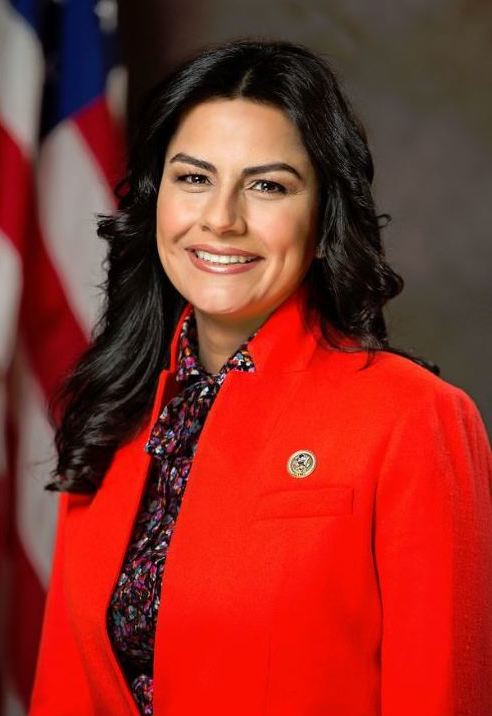
Sponsor
-
TrackJoyce Beatty
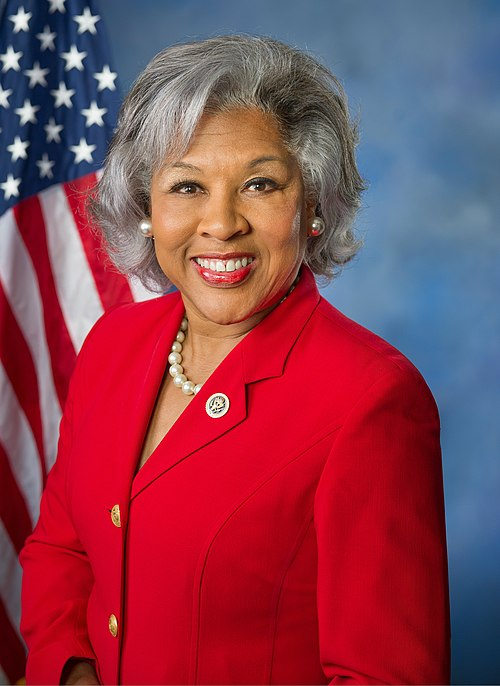
Co-Sponsor
-
TrackSalud O. Carbajal
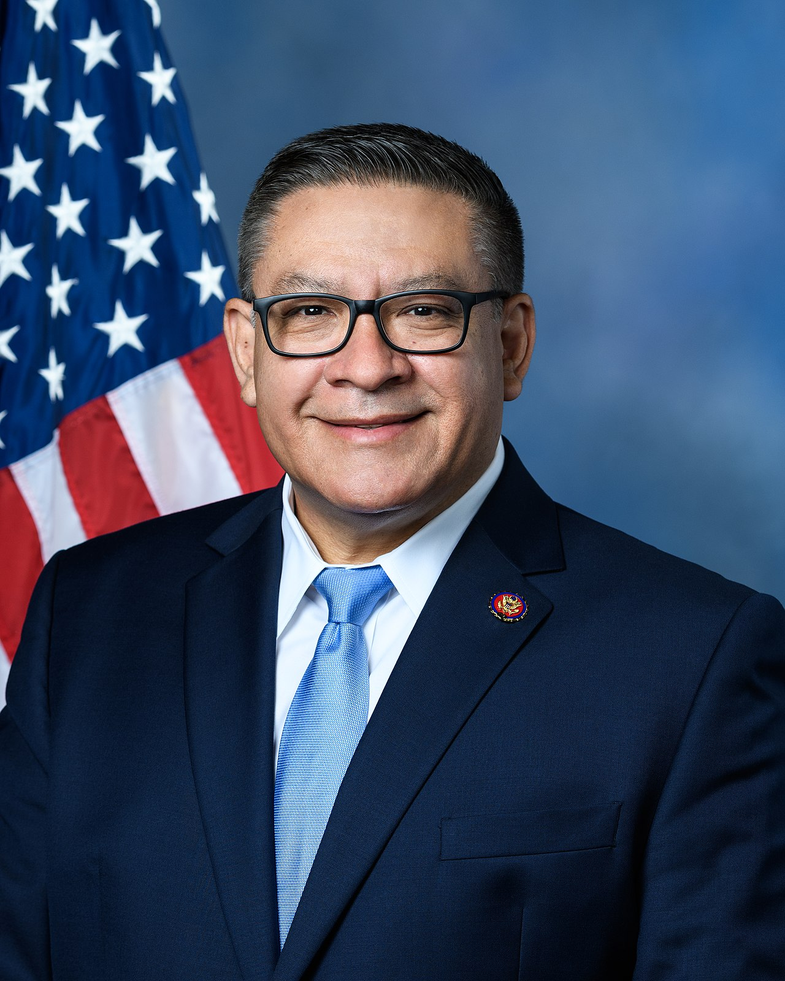
Co-Sponsor
-
TrackTroy A. Carter
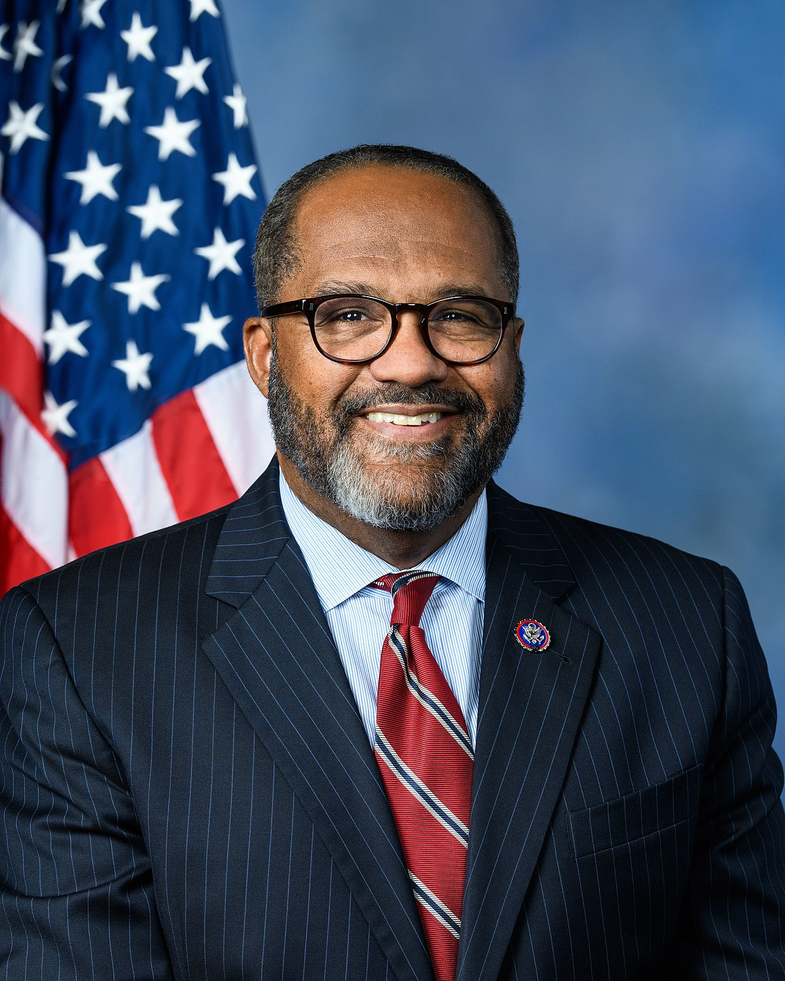
Co-Sponsor
-
TrackJudy Chu
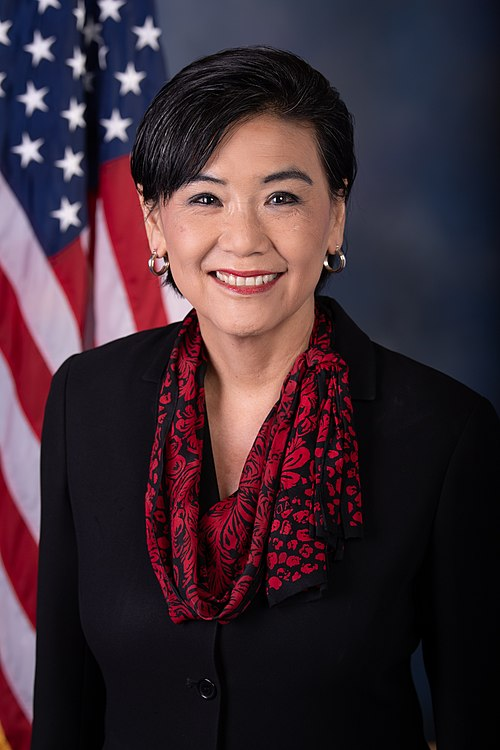
Co-Sponsor
-
TrackYvette D. Clarke
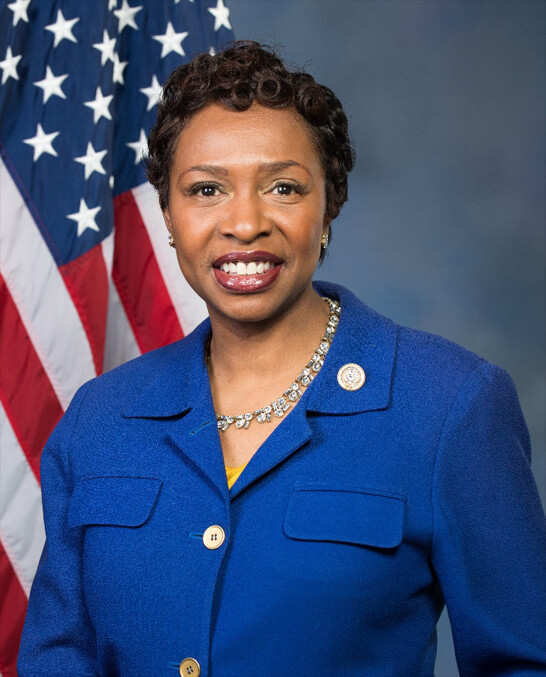
Co-Sponsor
-
TrackJim Costa
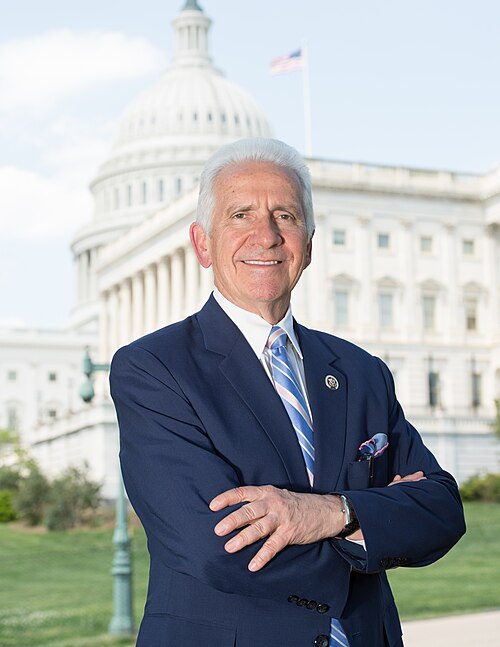
Co-Sponsor
-
TrackJasmine Crockett
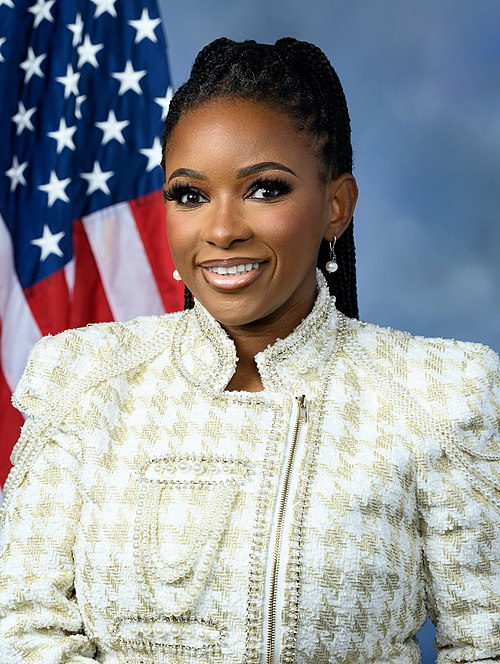
Co-Sponsor
-
TrackDanny K. Davis
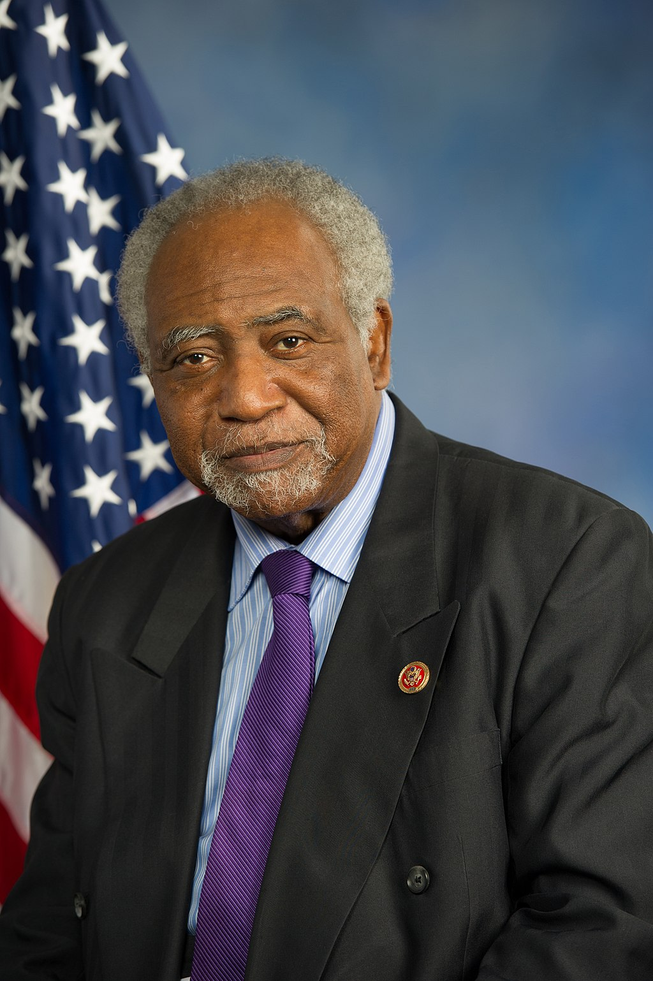
Co-Sponsor
-
TrackMark DeSaulnier
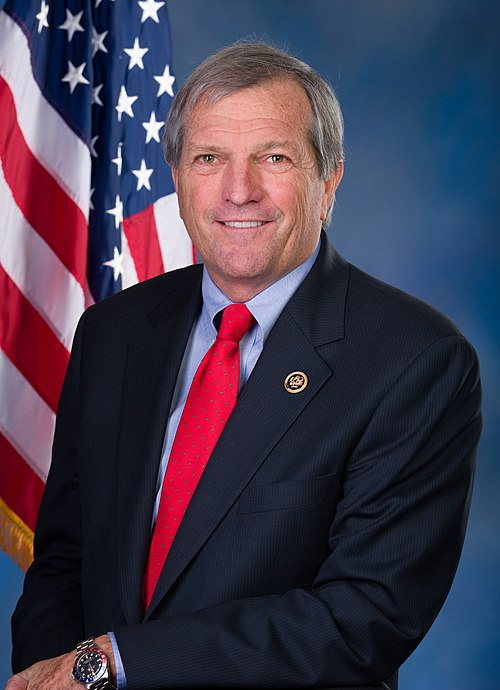
Co-Sponsor
-
TrackMadeleine Dean
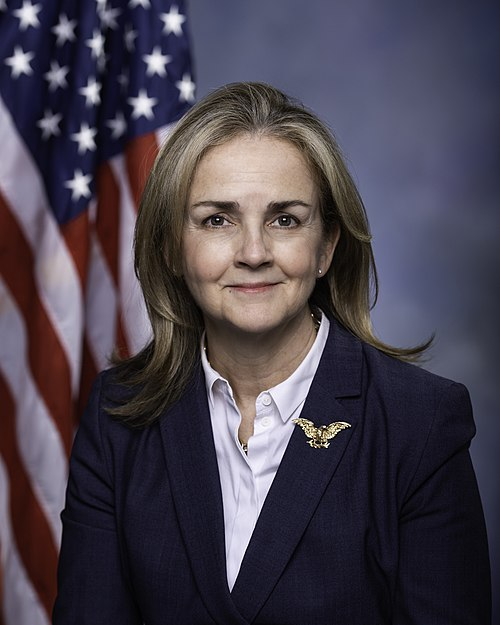
Co-Sponsor
-
TrackVeronica Escobar
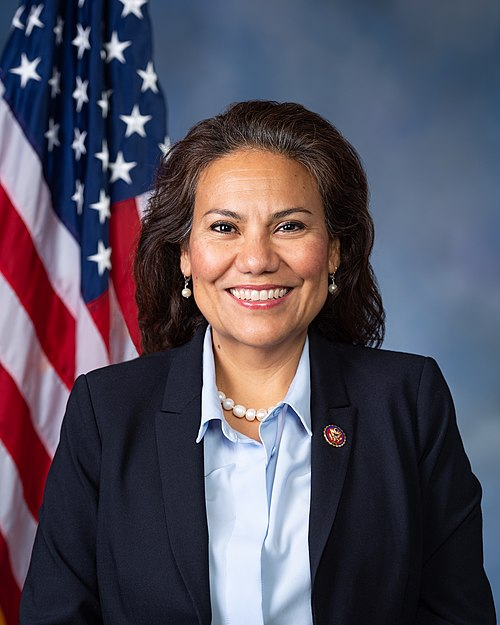
Co-Sponsor
-
TrackDwight Evans
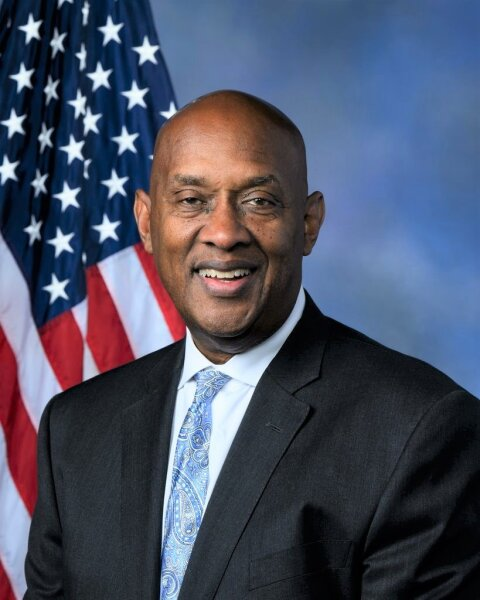
Co-Sponsor
-
TrackSylvia R. Garcia
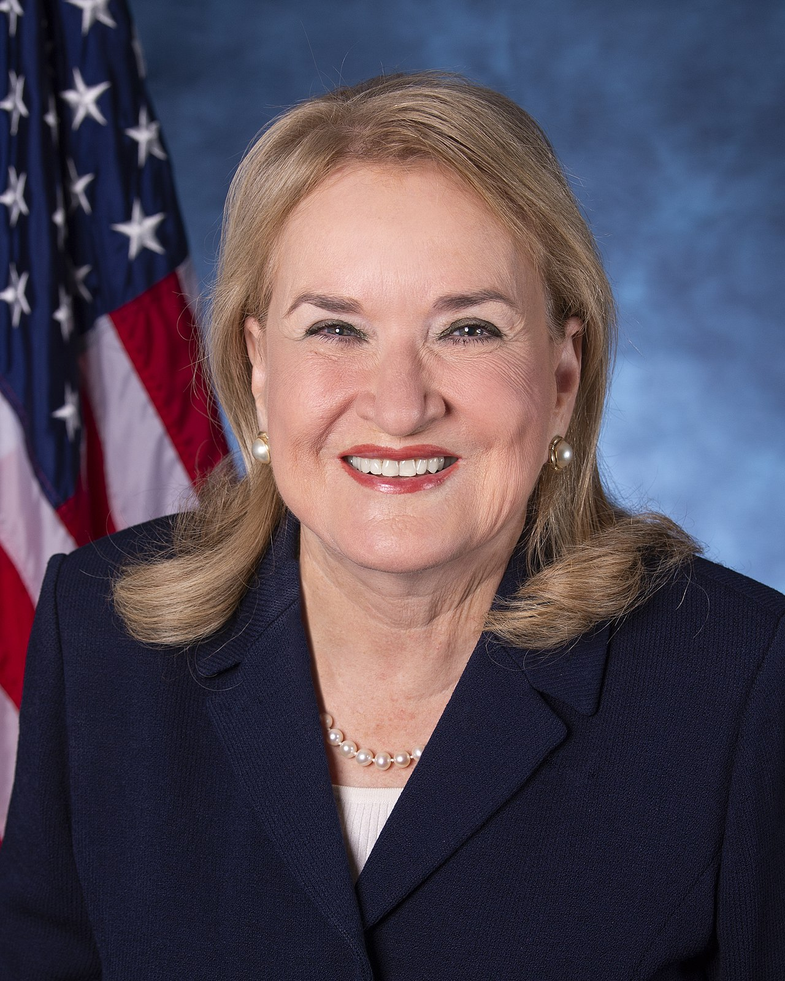
Co-Sponsor
-
TrackJesús G. "Chuy" García
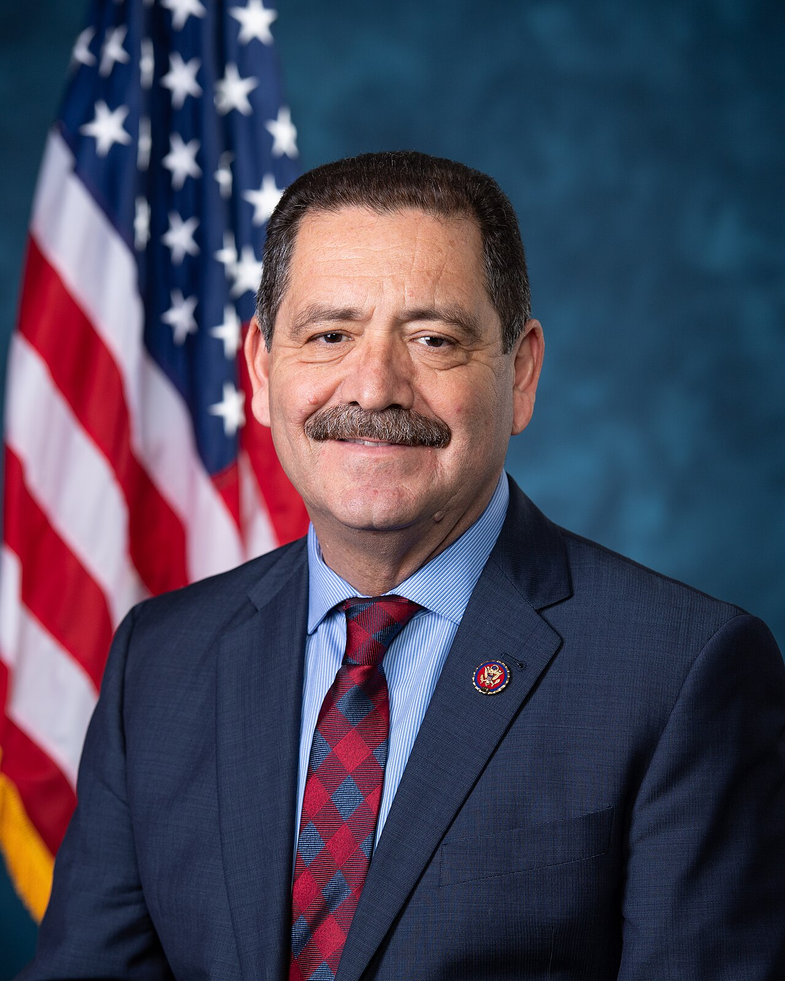
Co-Sponsor
-
TrackJahana Hayes
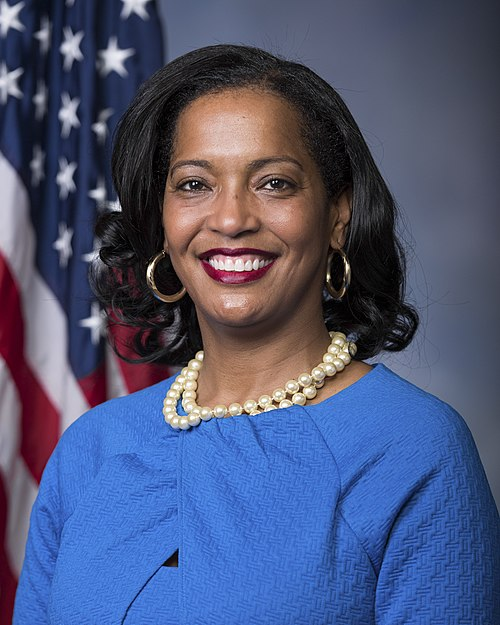
Co-Sponsor
-
TrackSteven Horsford
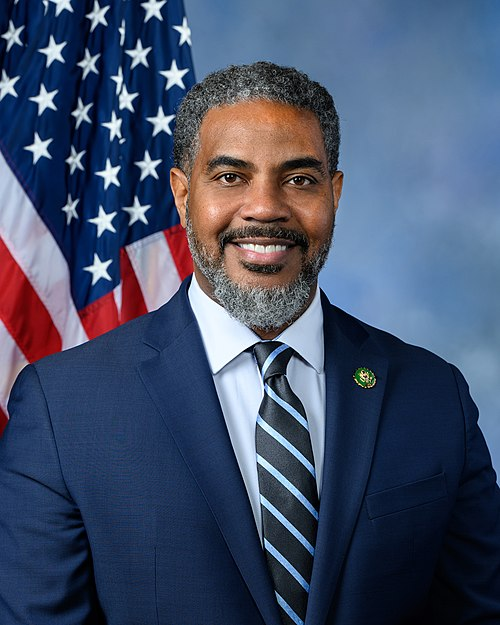
Co-Sponsor
-
TrackJared Huffman
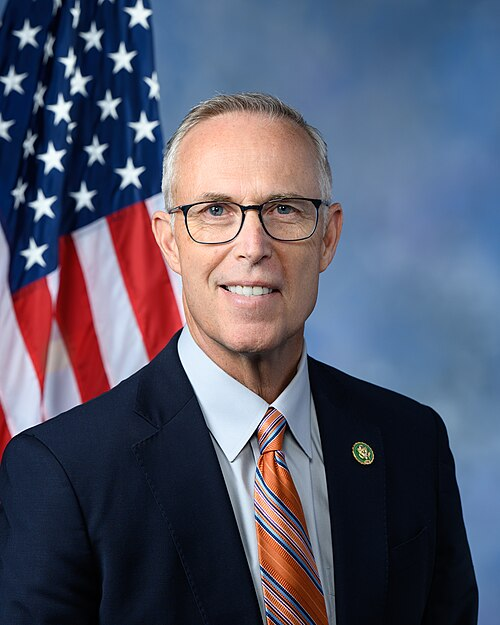
Co-Sponsor
-
TrackJonathan L. Jackson
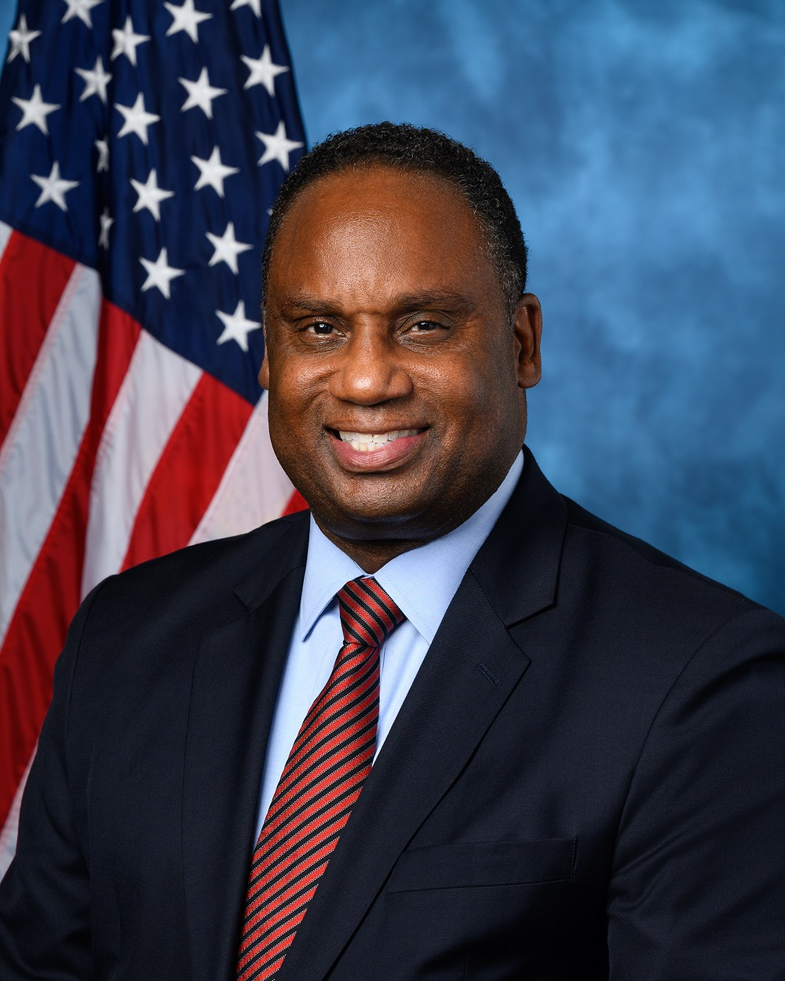
Co-Sponsor
-
TrackPramila Jayapal
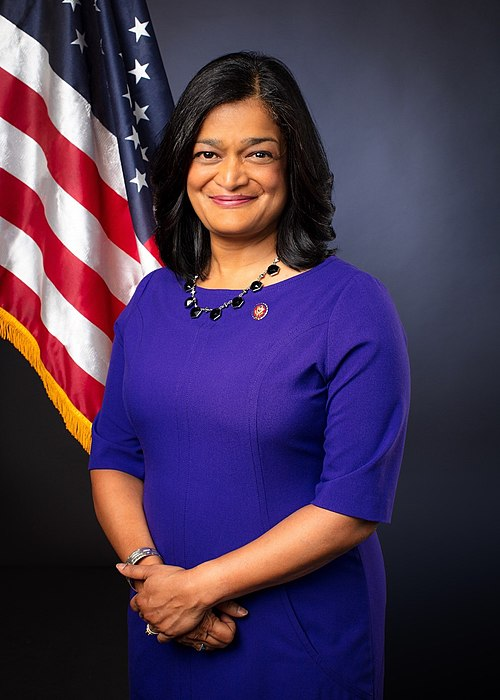
Co-Sponsor
-
TrackRaja Krishnamoorthi
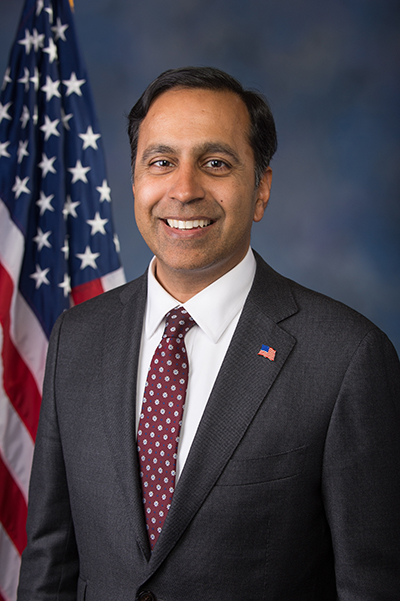
Co-Sponsor
-
TrackStephen F. Lynch
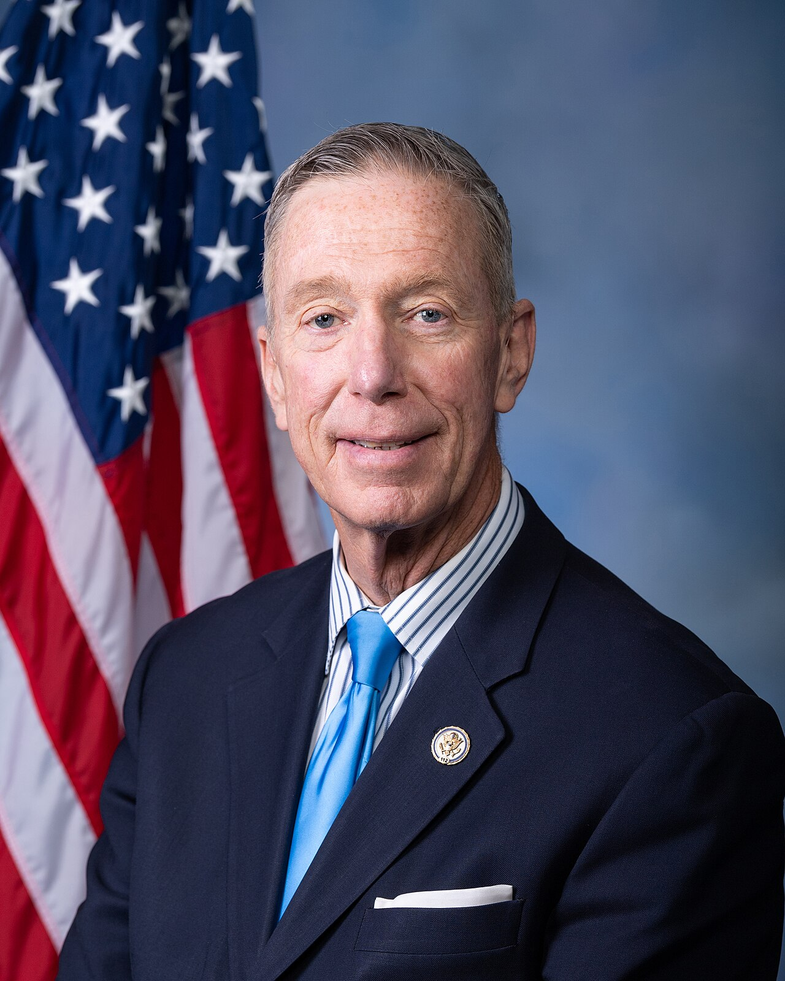
Co-Sponsor
-
TrackChristian Menefee

Co-Sponsor
-
TrackGwen Moore
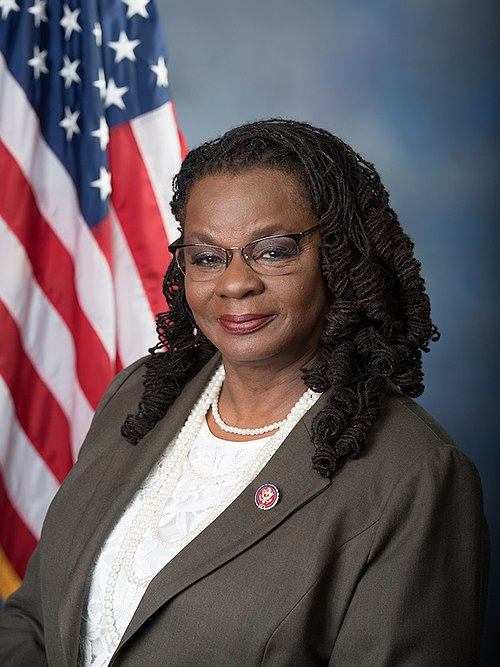
Co-Sponsor
-
TrackSeth Moulton
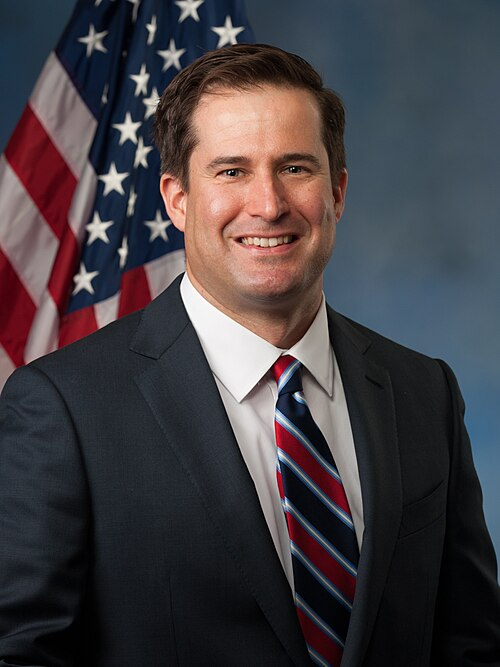
Co-Sponsor
-
TrackEleanor Holmes Norton

Co-Sponsor
-
TrackJimmy Panetta
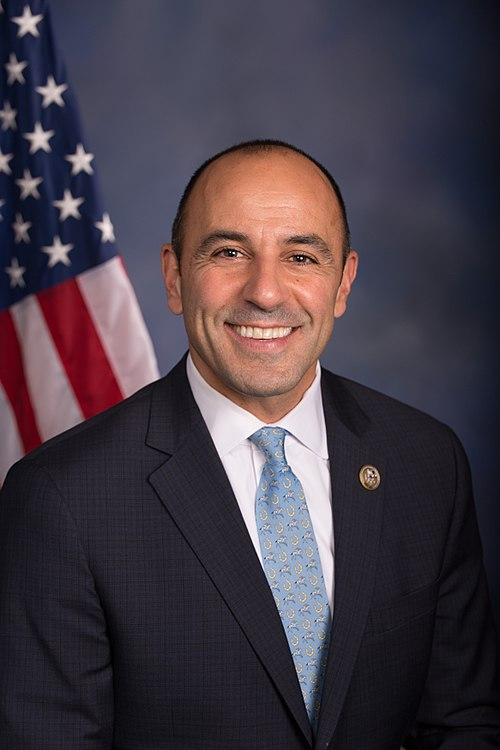
Co-Sponsor
-
TrackDeborah K. Ross
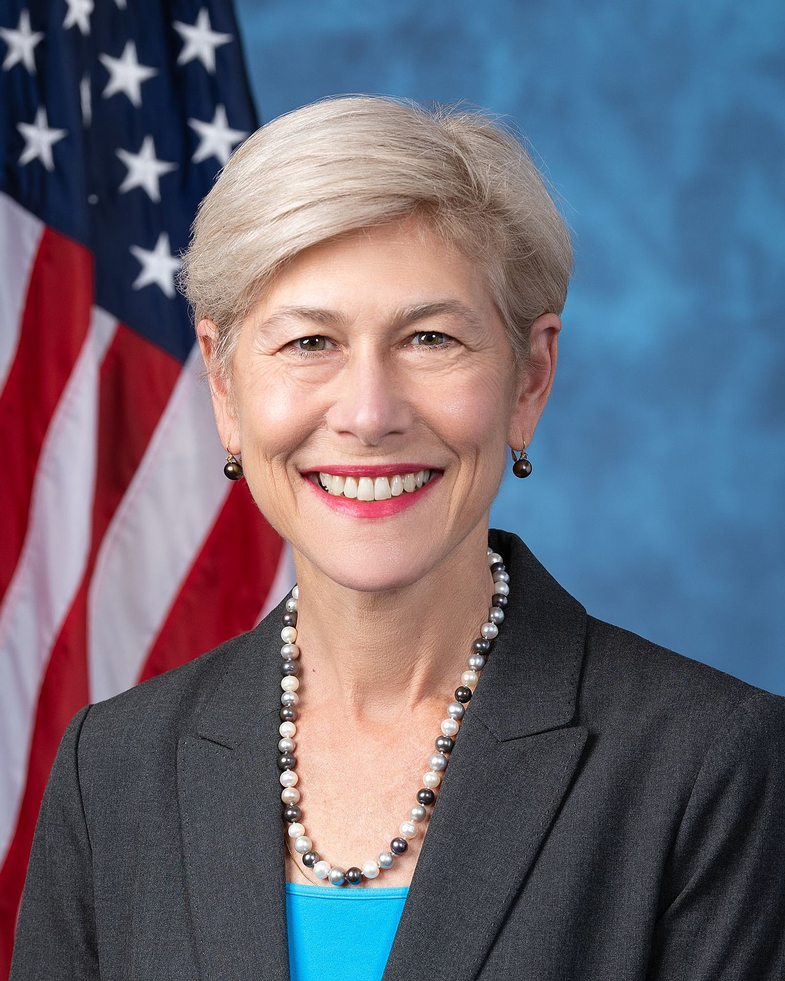
Co-Sponsor
-
TrackJanice D. Schakowsky

Co-Sponsor
-
TrackLateefah Simon
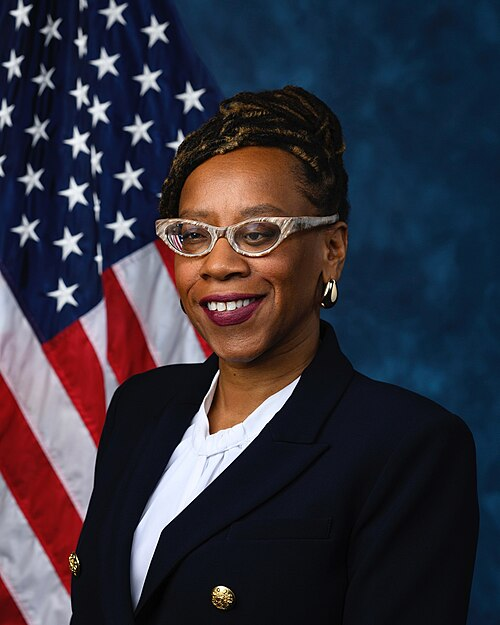
Co-Sponsor
-
TrackAdam Smith
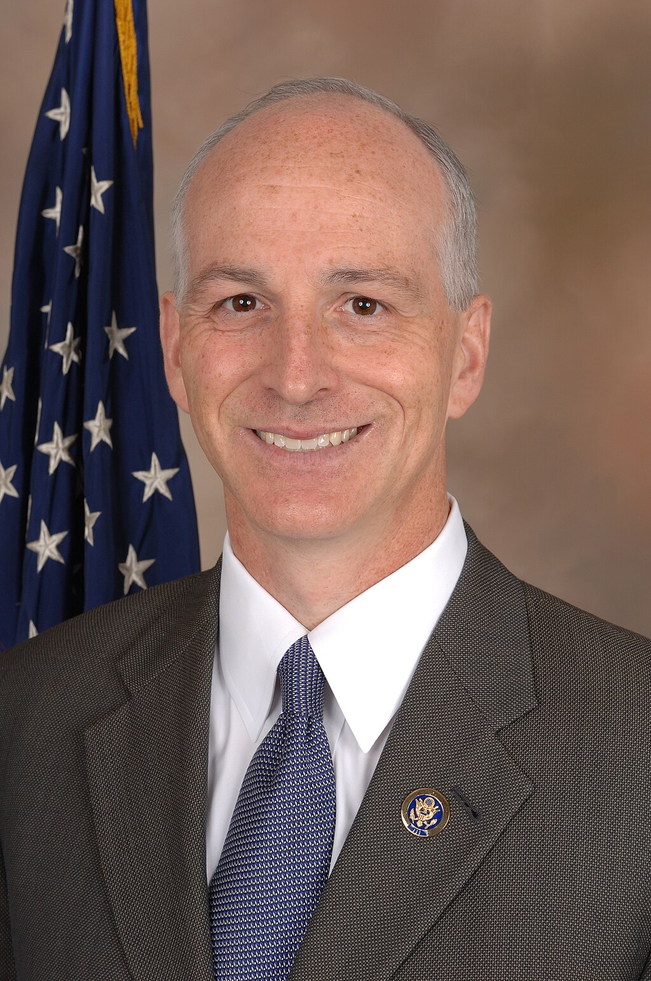
Co-Sponsor
-
TrackMelanie A. Stansbury
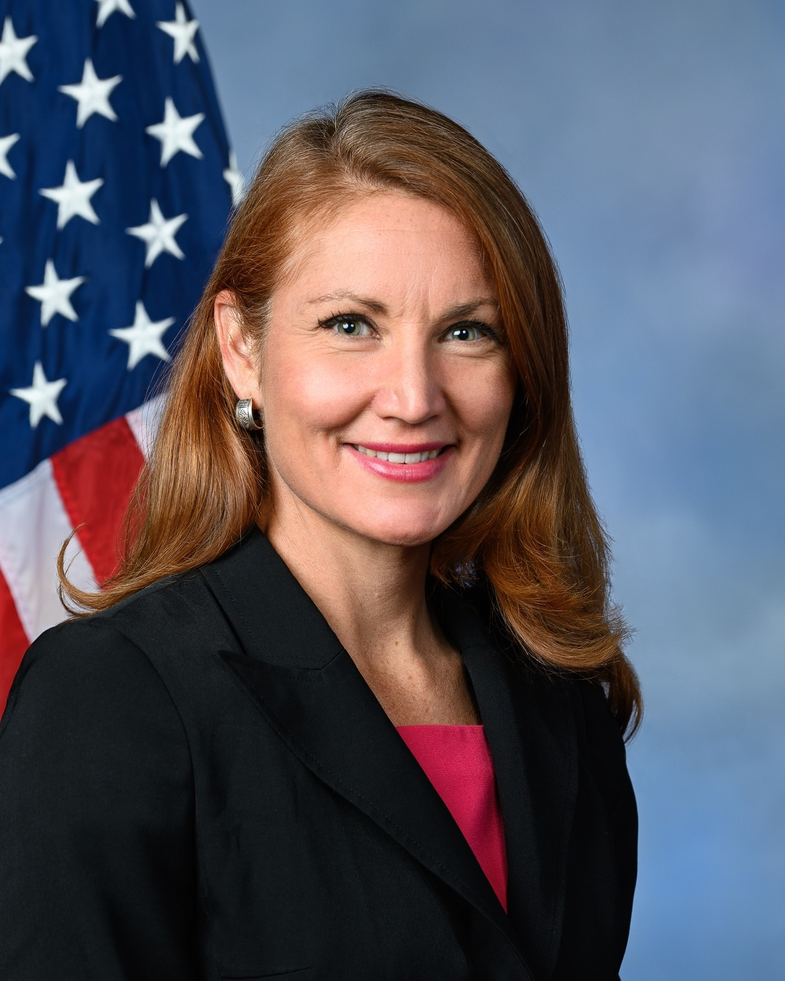
Co-Sponsor
-
TrackRashida Tlaib
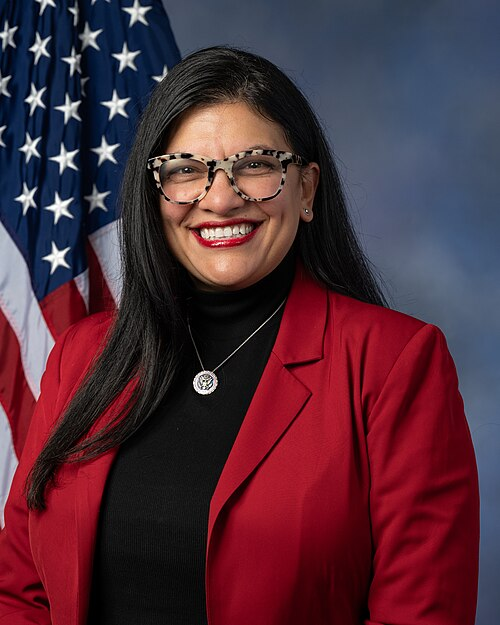
Co-Sponsor
-
TrackJill N. Tokuda
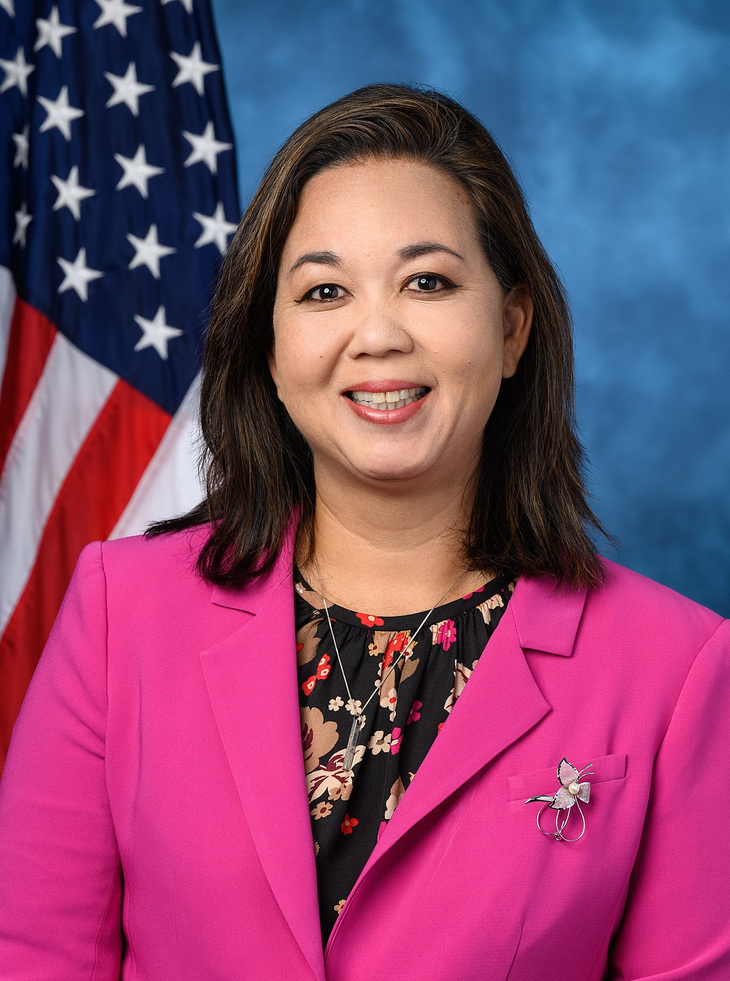
Co-Sponsor
-
TrackBonnie Watson Coleman
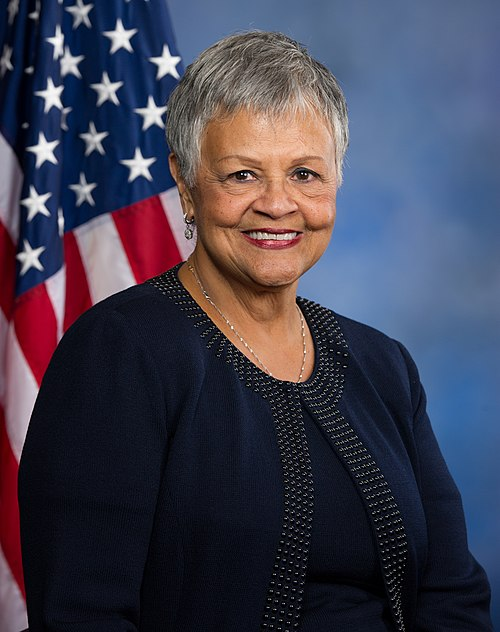
Co-Sponsor
-
TrackFrederica S. Wilson
Co-Sponsor
-
Tracknan

Co-Sponsor
Actions
2 actions
| Date | Action |
|---|---|
| Sep. 16, 2026 | Introduced in House |
| Sep. 16, 2026 | Referred to the House Committee on Education and Workforce. |
Corporate Lobbying
0 companies lobbying
None found.
* Note that there can be significant delays in lobbying disclosures, and our data may be incomplete.
Potentially Relevant Congressional Stock Trades
No relevant congressional stock trades found.