
H.R. 10397: Survivors’ Rights Restitution Act of 2026
This bill would create a new federal compensation program for certain survivors of sexual violence and exploitation. The program would be run by the Attorney General, with claims filed in the U.S. Court of Federal Claims.
Who could apply
A person could seek compensation if they can show, with supporting information, that they:
- were a victim of sexual assault, sexual abuse, sex trafficking, or sexual exploitation involving Jeffrey Epstein or Ghislaine Maxwell; or
- were a victim of a federal offense involving sexual assault, sexual abuse, sex trafficking, or sexual exploitation, and the federal government failed to provide rights owed to the victim under the federal Crime Victims’ Rights Act.
If the person has died, a personal representative could file on their behalf. The bill would allow only one petition per person.
How claims would be handled
The bill would create a new office within the Court of Federal Claims called the Office of Special Adjudicators for Survivors Restitution. These special adjudicators would review claims and decide whether compensation should be paid and how much.
The process is designed to be less formal than a typical court case. It would generally allow:
- electronic filing;
- more flexible evidence rules;
- limited discovery;
- optional hearings rather than routine live testimony; and
- the ability for the parties to submit written evidence and arguments.
Claims would be decided as quickly as practicable, generally within 120 days, though limited delays could be allowed. The Attorney General would be the respondent in every case, and notice of each petition would be published in the Federal Register without identifying the petitioner.
Compensation and payment
To receive compensation, a petitioner would need to prove the claim by a “preponderance of the evidence,” meaning more likely than not. The special adjudicator or court would consider both economic losses and non-economic harms. Compensation could not include punitive damages.
The bill sets a minimum award of $123,000. It also requires an award for reasonable attorneys’ fees and other costs. If a claim is denied, fees and costs may still be awarded if the claim was brought in good faith and had a reasonable basis.
Once an award is granted, the Attorney General would have to pay it within 20 days from a new Treasury fund created by the bill.
Payments under the bill would not count as taxable income and would not count when determining eligibility for means-tested benefits.
Funding
The bill would create a separate Treasury account called the Survivors’ Rights Restitution Fund. The fund would receive:
- money forfeited to the federal government under certain criminal statutes; and
- voluntary contributions from individuals or entities.
The fund money would be available without needing further appropriations or annual renewal, and Congress could also appropriate additional money as needed.
Administration and review
The bill would require the chief special adjudicator to manage the office, hire staff, and report annually to Congress on the number of claims, outcomes, award amounts, timing, administrative costs, and suggested changes.
Decisions by a special adjudicator could be reviewed by the Court of Federal Claims, and later appealed to the U.S. Court of Appeals for the Federal Circuit in limited circumstances.
Relevant Companies
None found
This is an AI-generated summary of the bill text. There may be mistakes.
Sponsors
46 bill sponsors
-
TrackAyanna Pressley
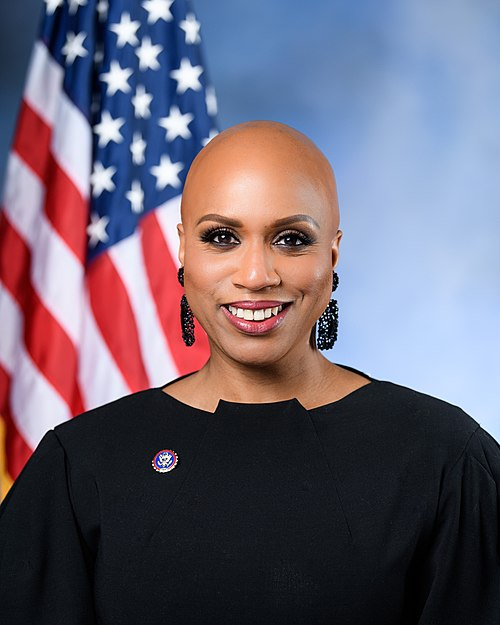
Sponsor
-
TrackYassamin Ansari
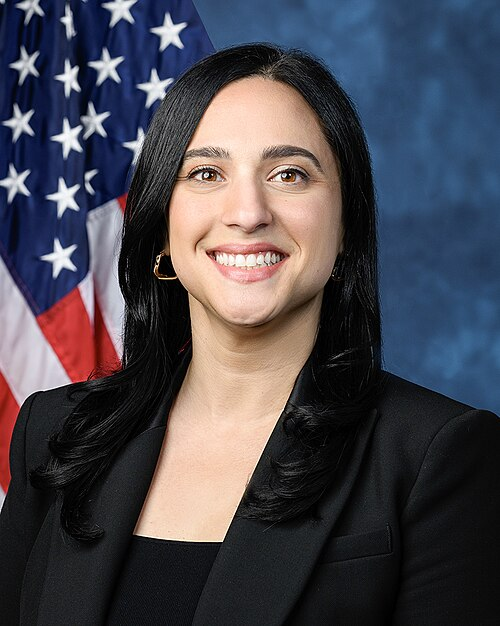
Co-Sponsor
-
TrackBecca Balint
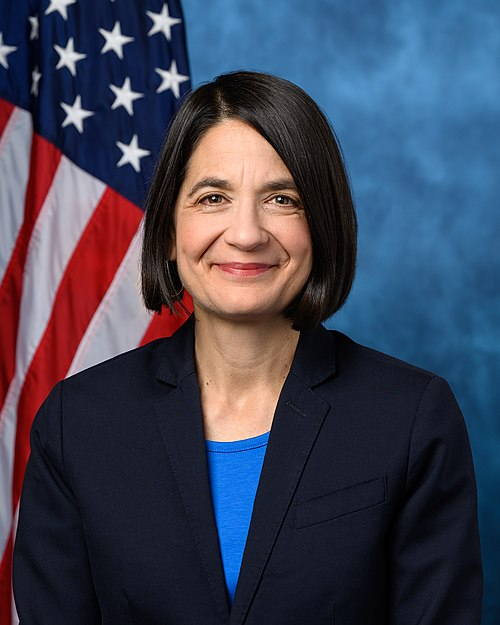
Co-Sponsor
-
TrackJoyce Beatty
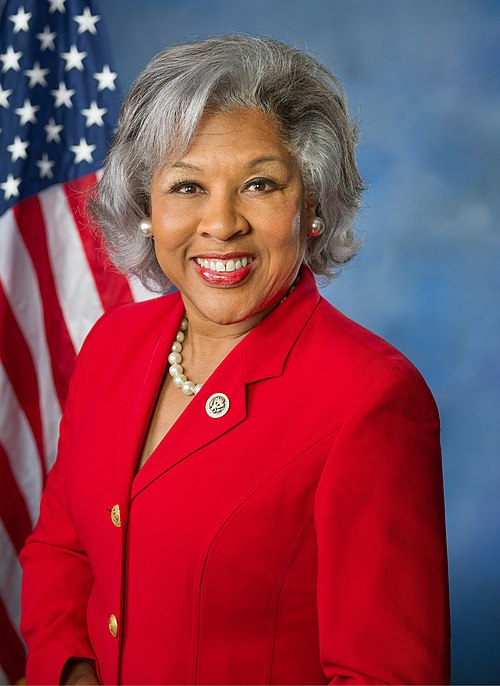
Co-Sponsor
-
TrackWesley Bell
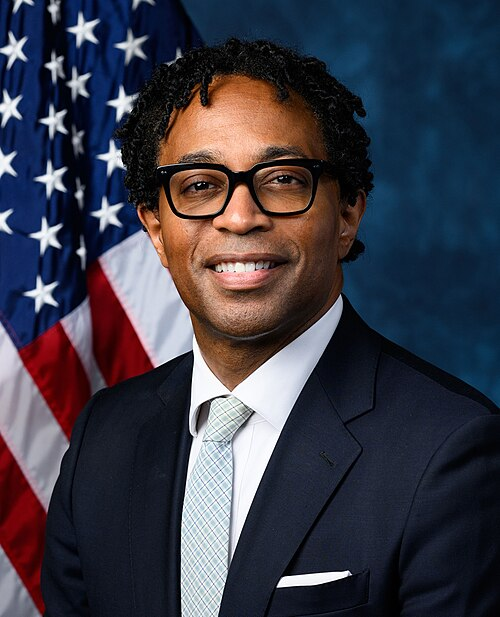
Co-Sponsor
-
TrackBrendan F. Boyle
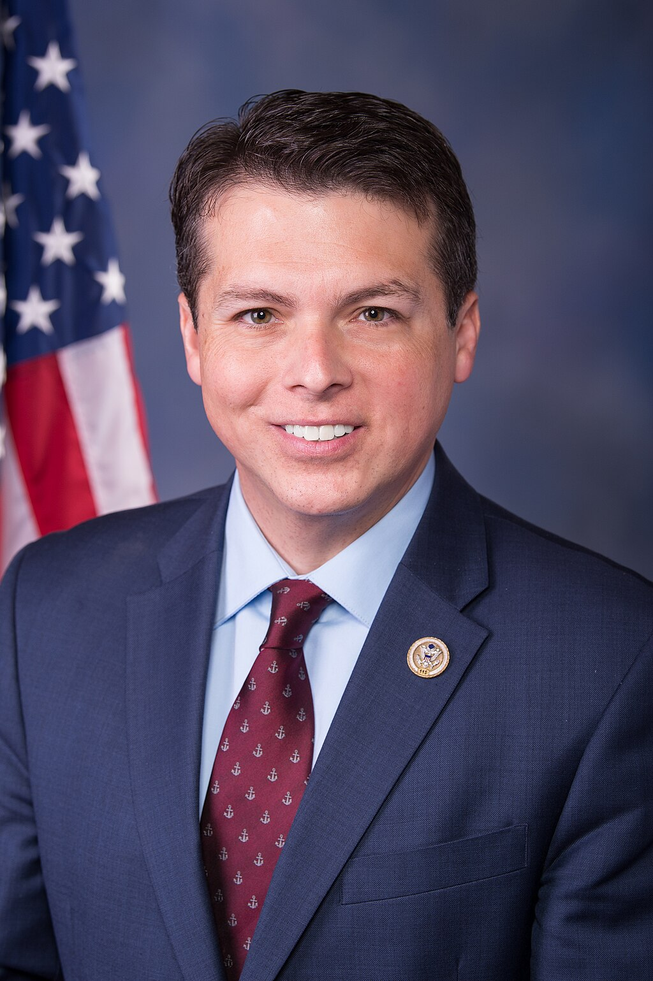
Co-Sponsor
-
TrackSalud O. Carbajal
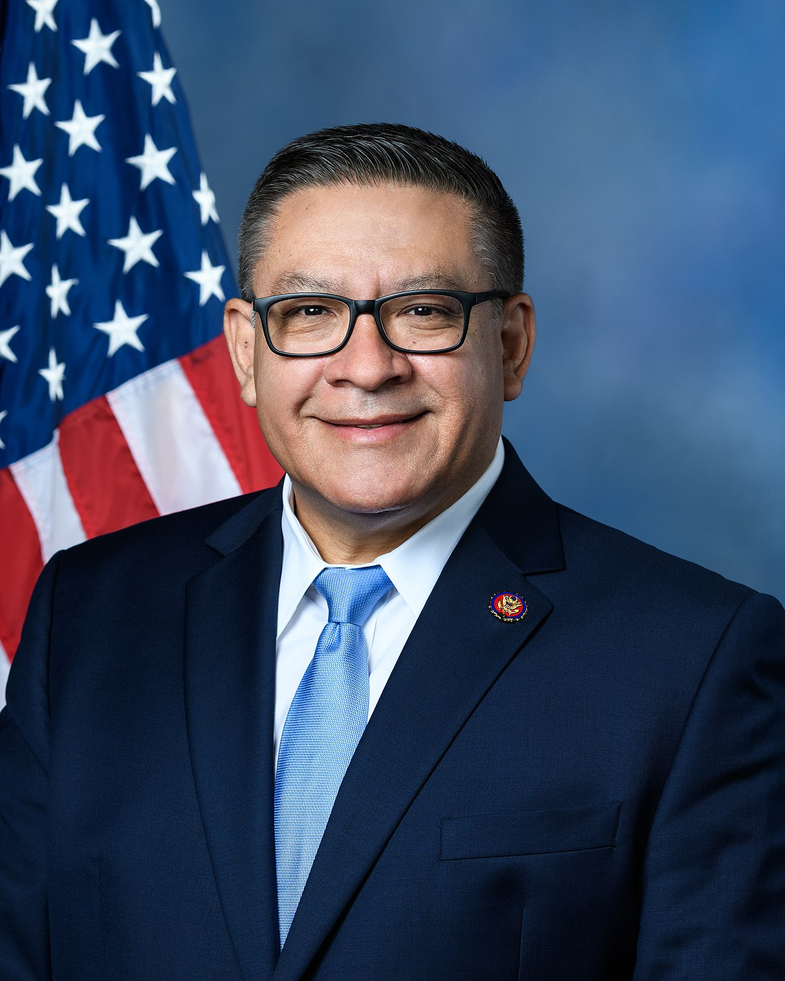
Co-Sponsor
-
TrackAndré Carson
Co-Sponsor
-
TrackYvette D. Clarke
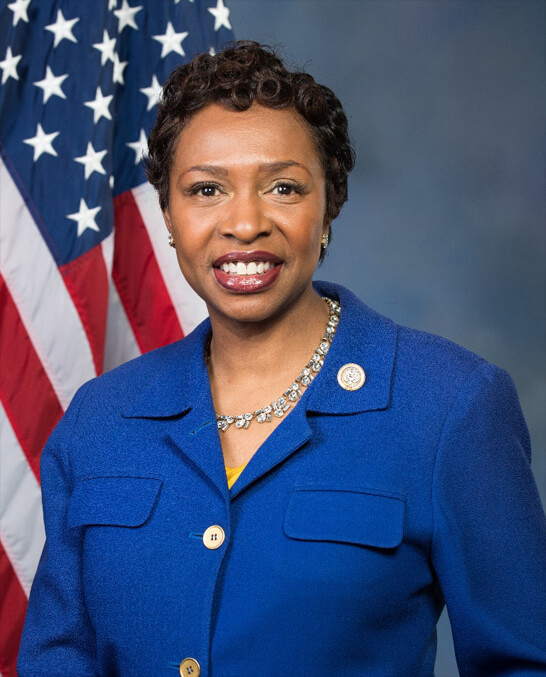
Co-Sponsor
-
TrackJ. Luis Correa
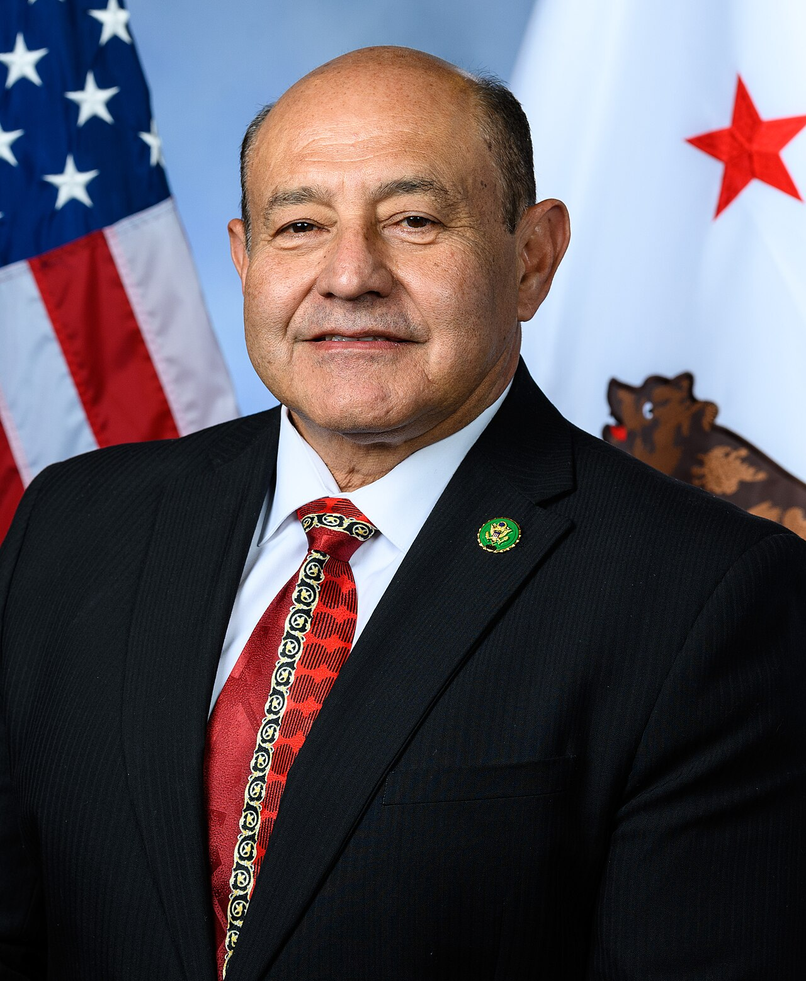
Co-Sponsor
-
TrackJim Costa
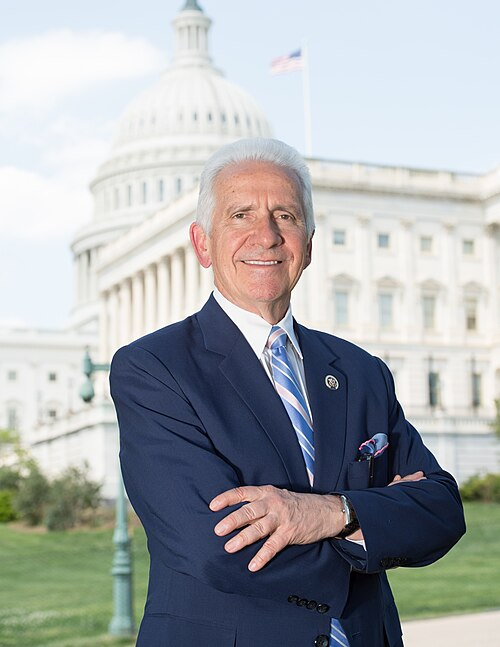
Co-Sponsor
-
TrackMadeleine Dean
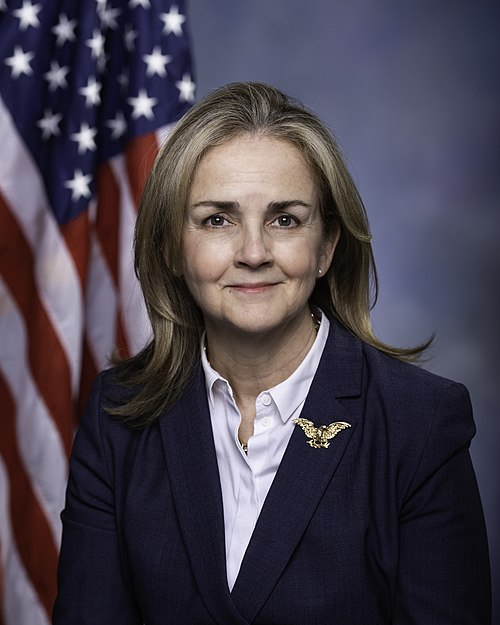
Co-Sponsor
-
TrackMaxine Dexter
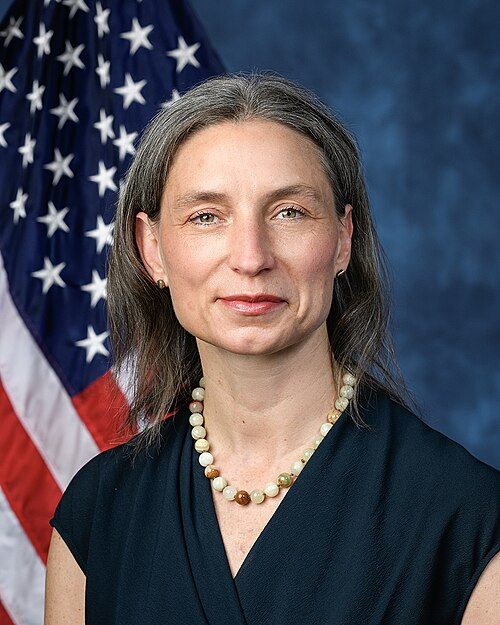
Co-Sponsor
-
TrackDebbie Dingell
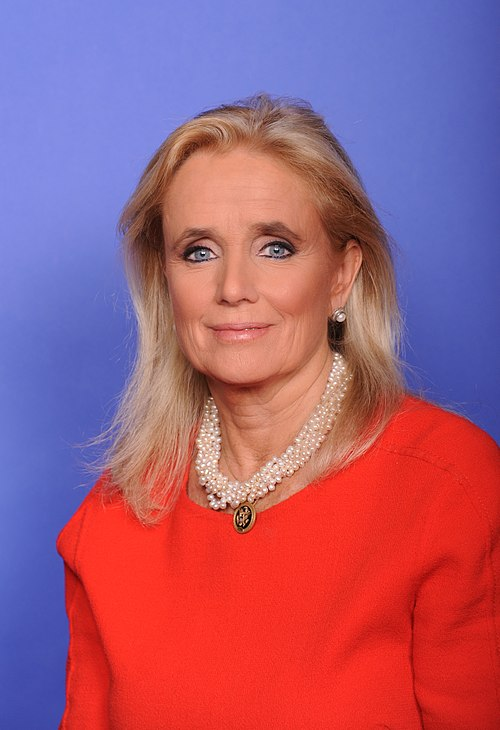
Co-Sponsor
-
TrackMaxwell Frost
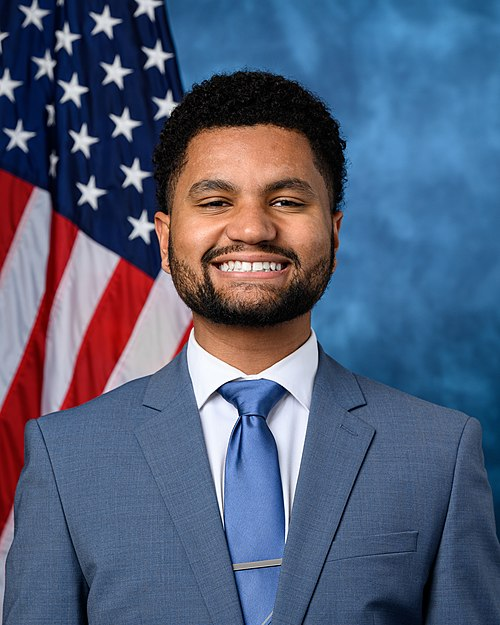
Co-Sponsor
-
TrackRobert Garcia
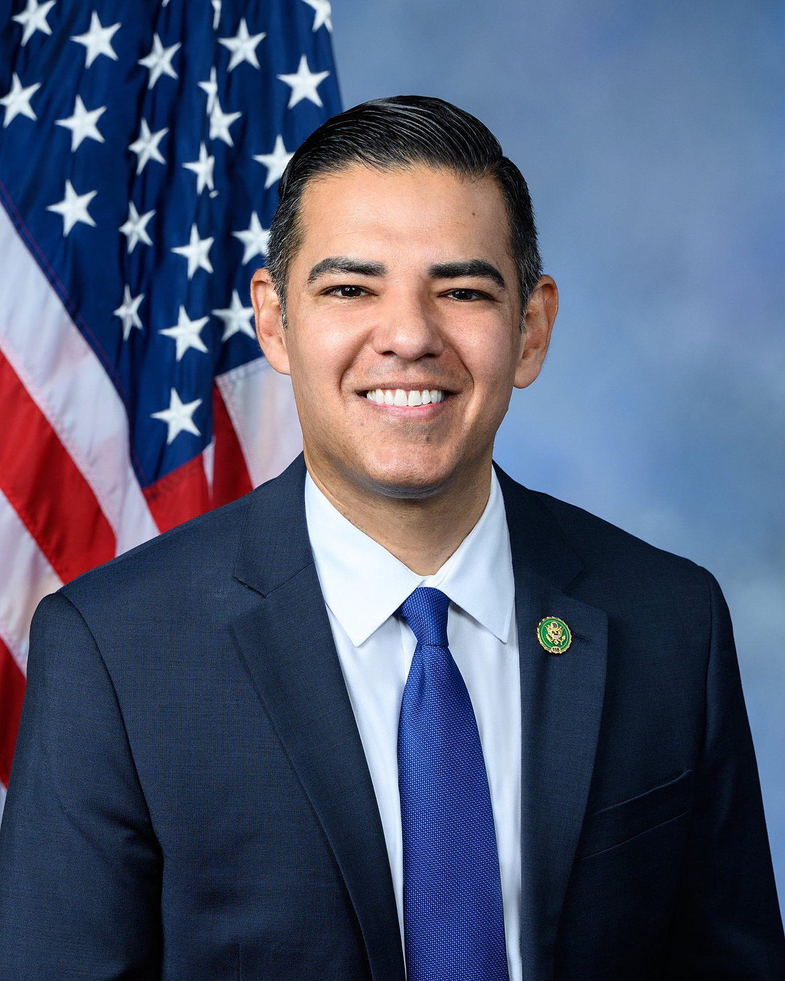
Co-Sponsor
-
TrackSylvia R. Garcia
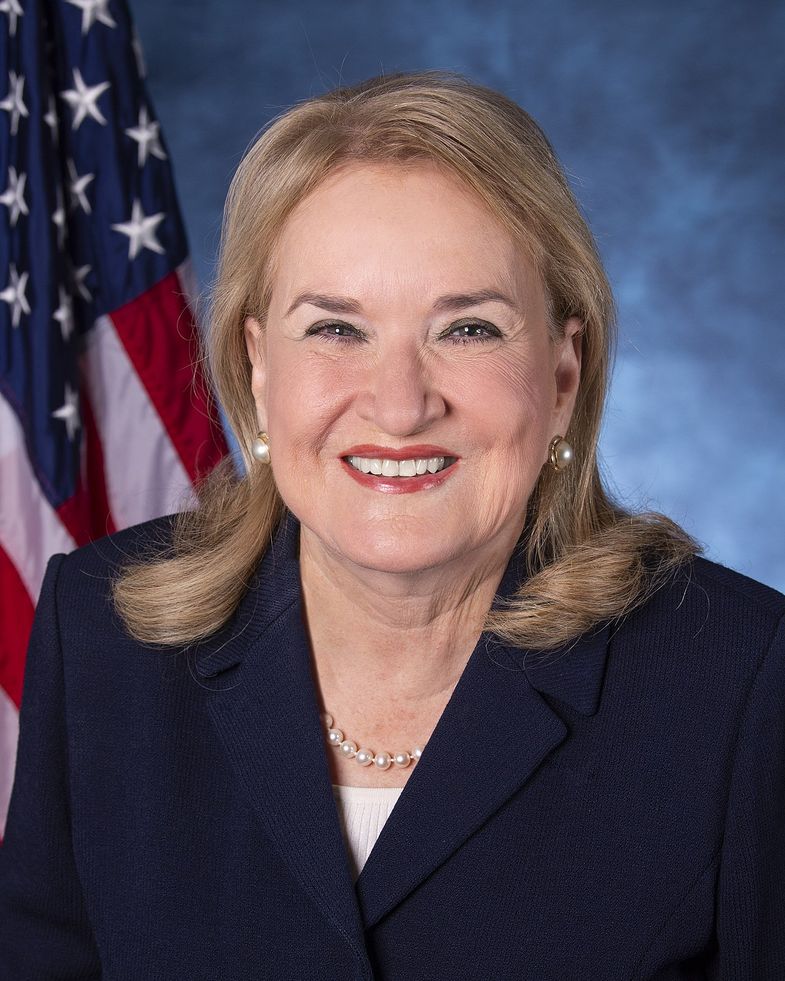
Co-Sponsor
-
TrackJesús G. "Chuy" García
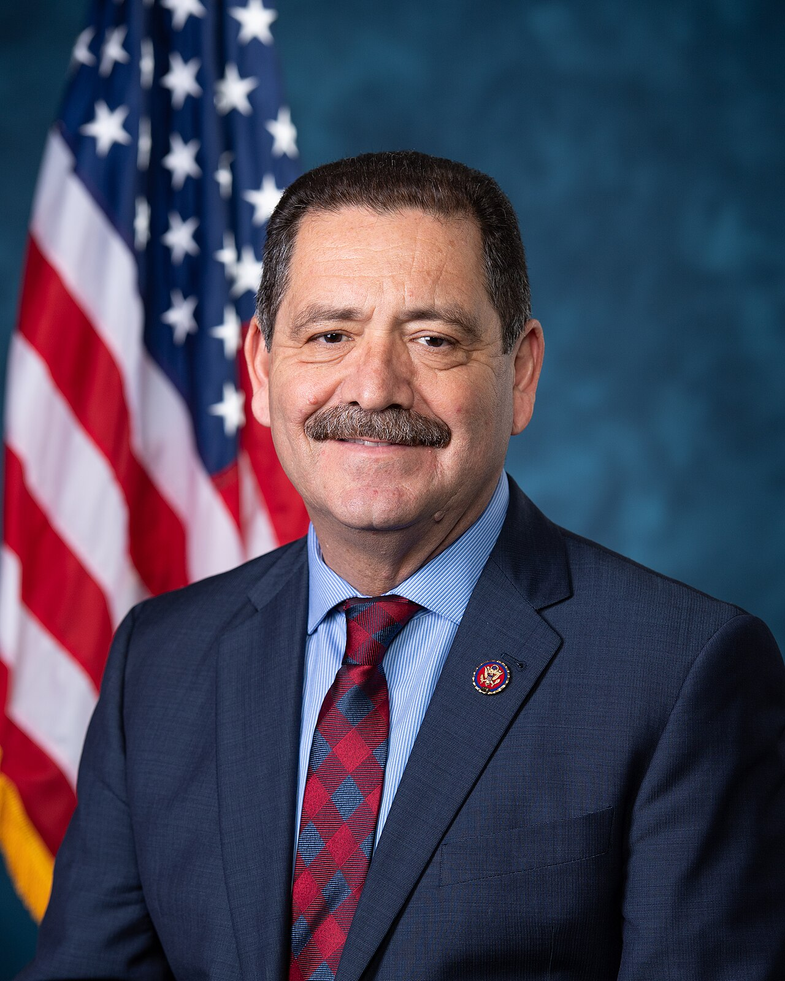
Co-Sponsor
-
TrackHenry C. "Hank" Johnson, Jr.
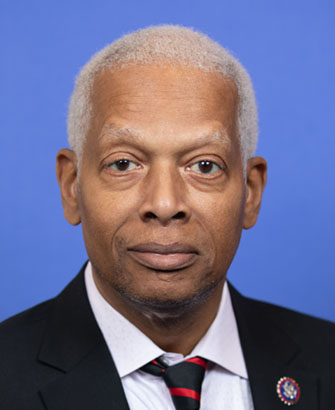
Co-Sponsor
-
TrackSydney Kamlager-Dove
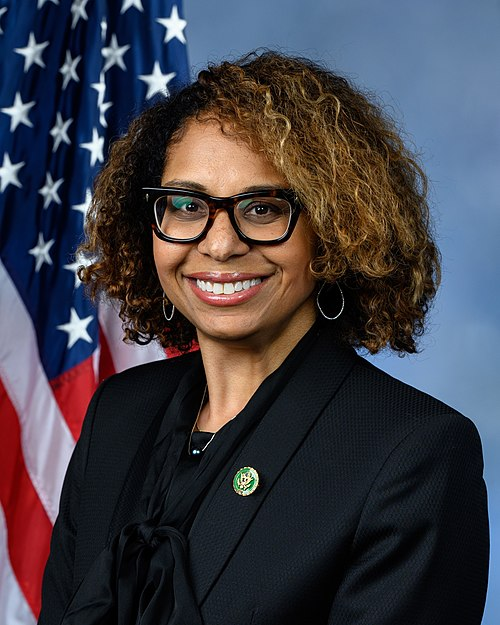
Co-Sponsor
-
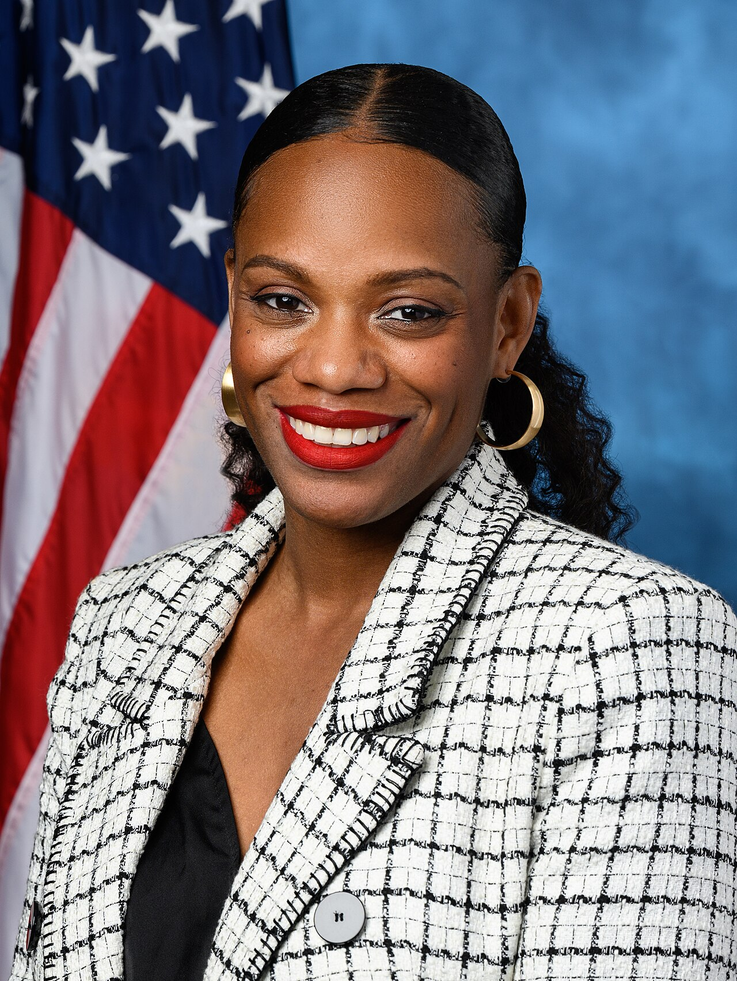
TrackSummer L. Lee
Co-Sponsor
-
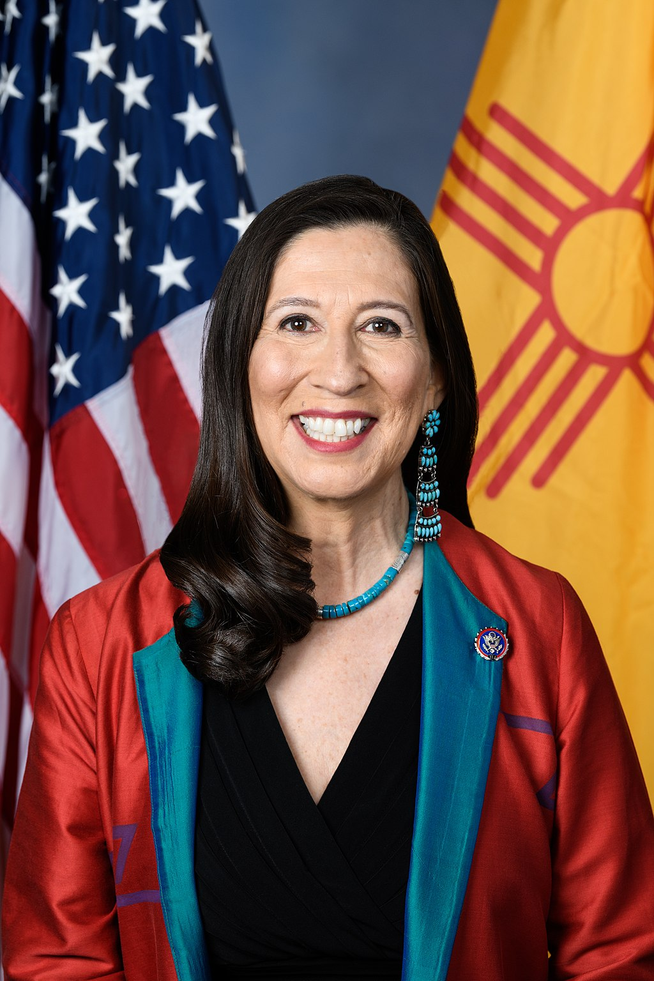
TrackTeresa Leger Fernandez
Co-Sponsor
-
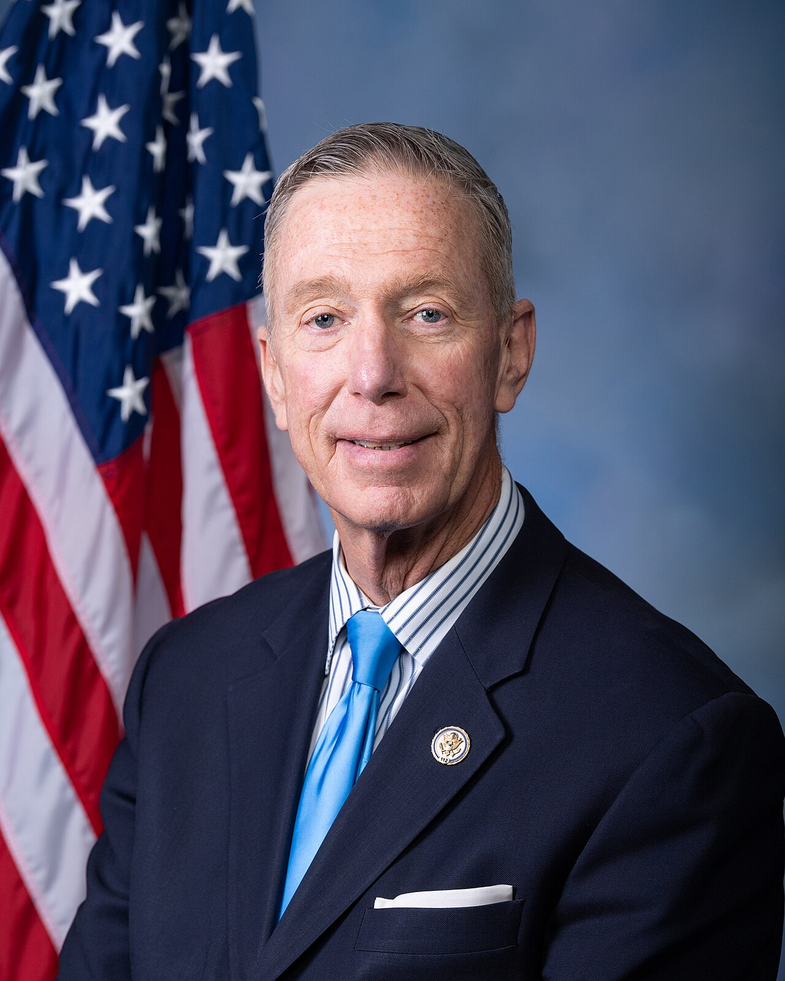
TrackStephen F. Lynch
Co-Sponsor
-
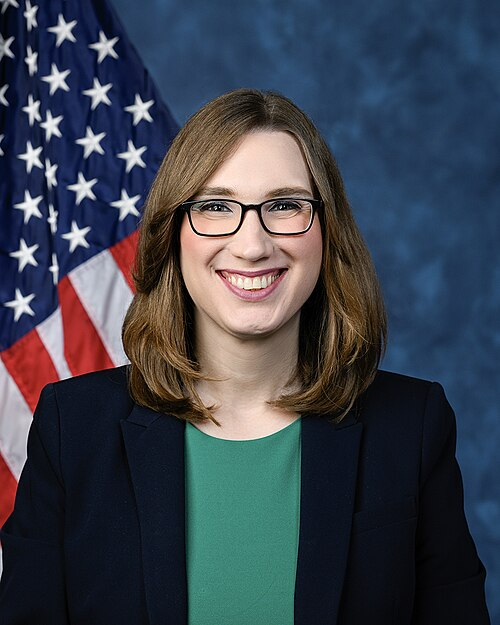
TrackSarah McBride
Co-Sponsor
-
TrackJennifer L. McClellan
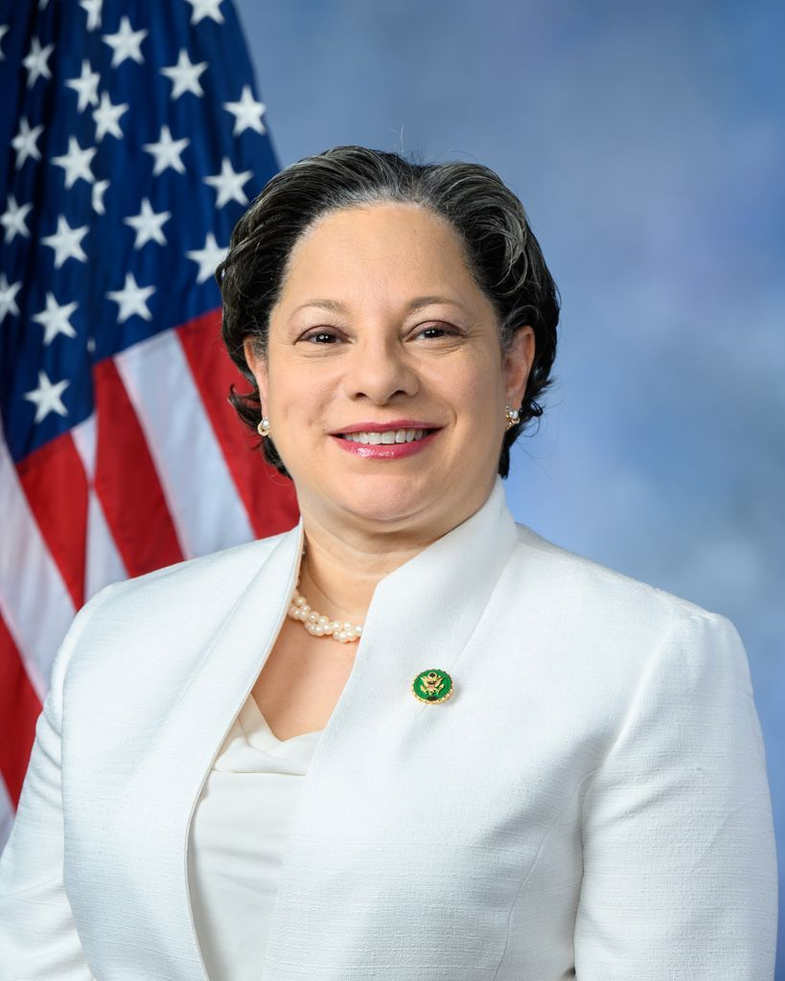
Co-Sponsor
-
TrackLaMonica McIver
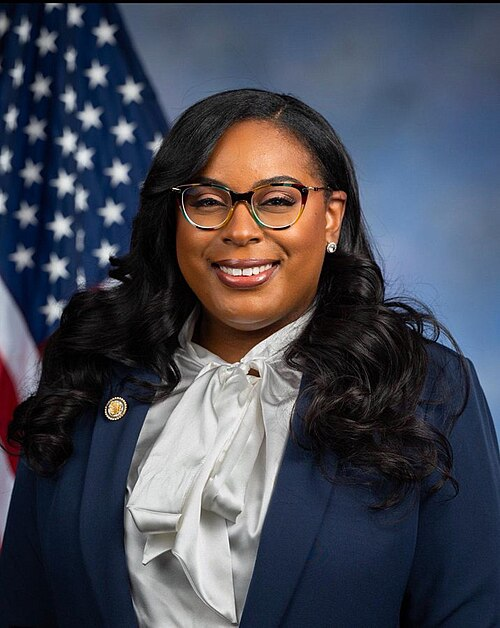
Co-Sponsor
-
TrackChristian Menefee

Co-Sponsor
-
TrackKweisi Mfume
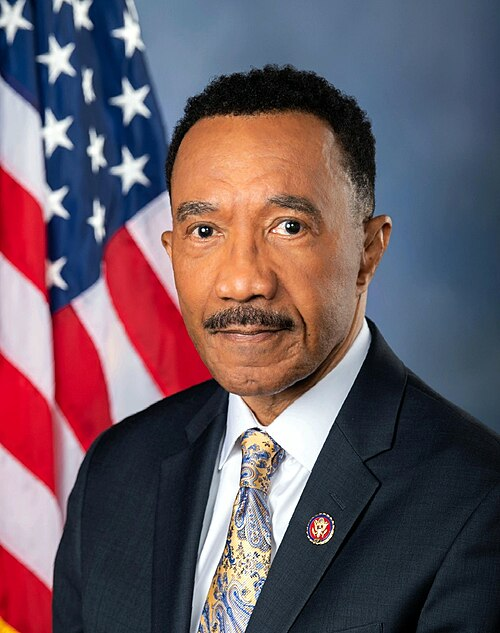
Co-Sponsor
-
TrackGwen Moore
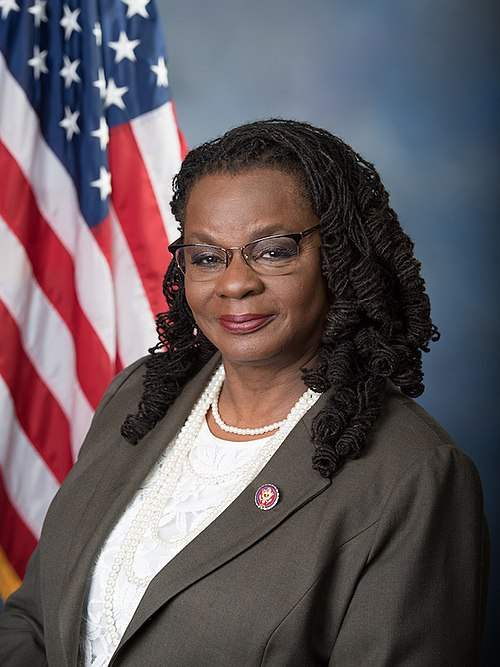
Co-Sponsor
-
TrackEleanor Holmes Norton
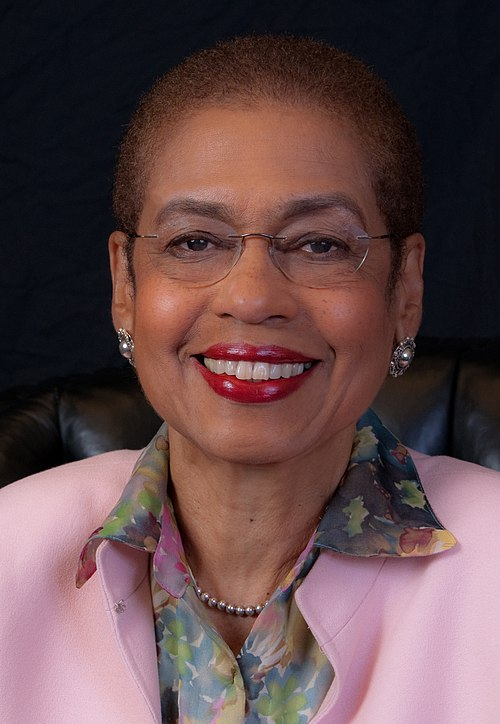
Co-Sponsor
-
TrackChellie Pingree
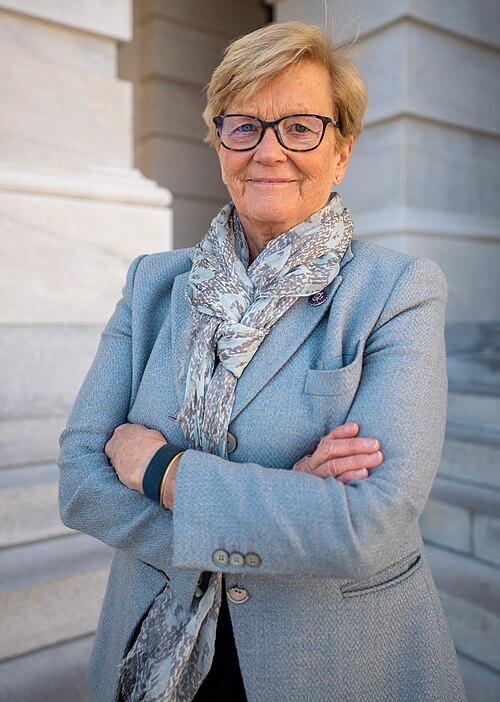
Co-Sponsor
-
TrackMike Quigley
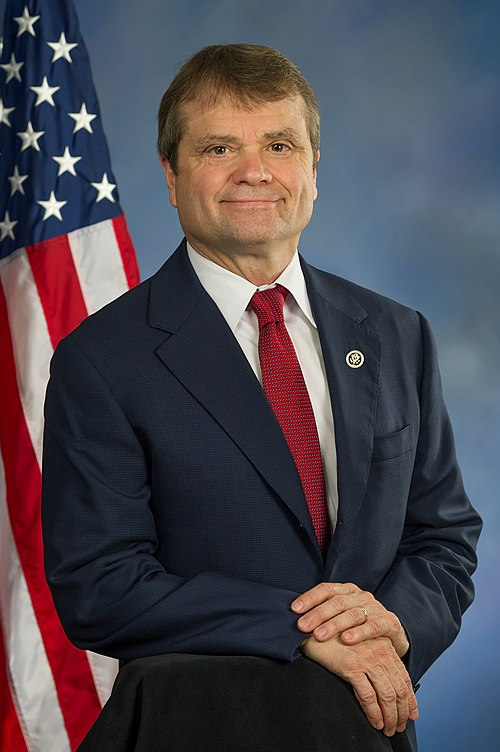
Co-Sponsor
-
TrackDelia C. Ramirez
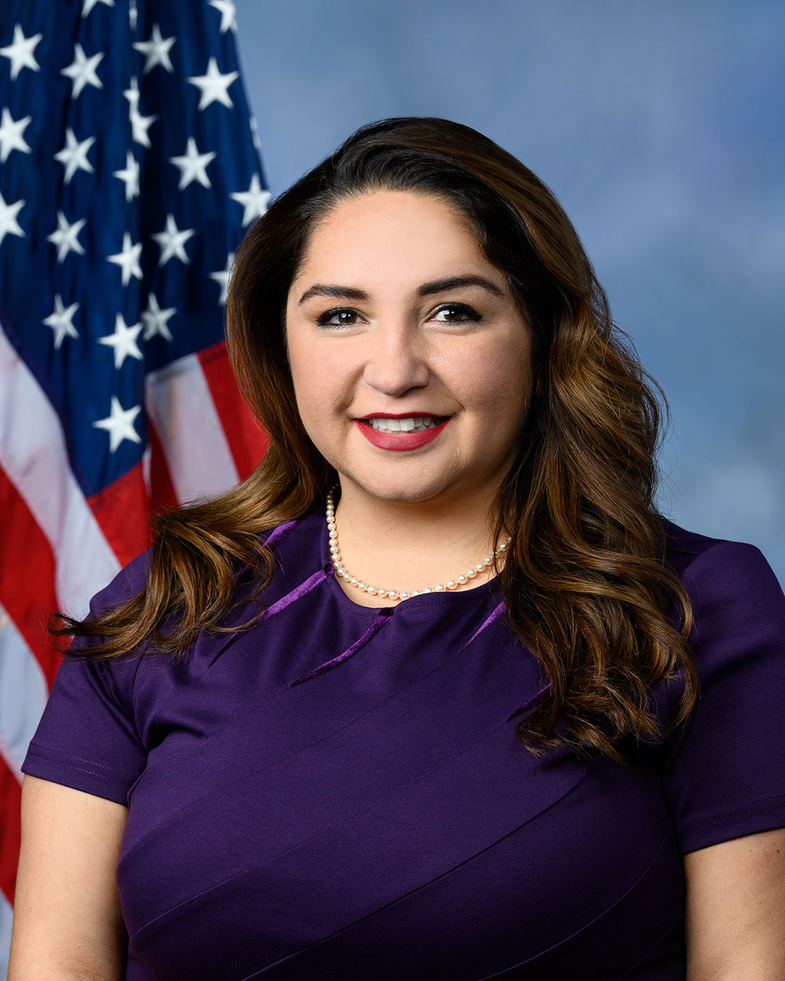
Co-Sponsor
-
TrackEmily Randall
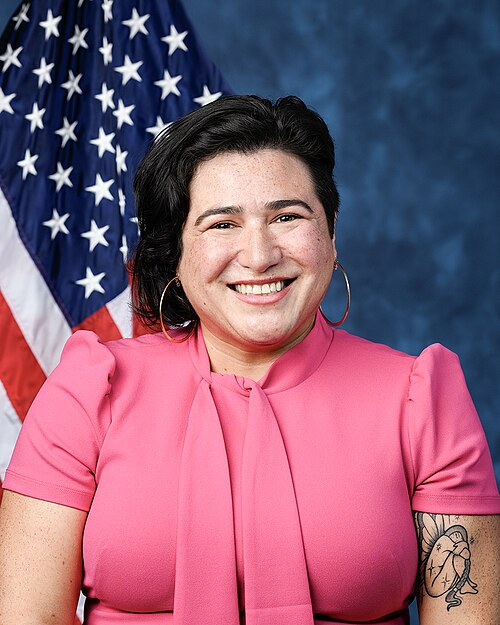
Co-Sponsor
-
TrackDeborah K. Ross
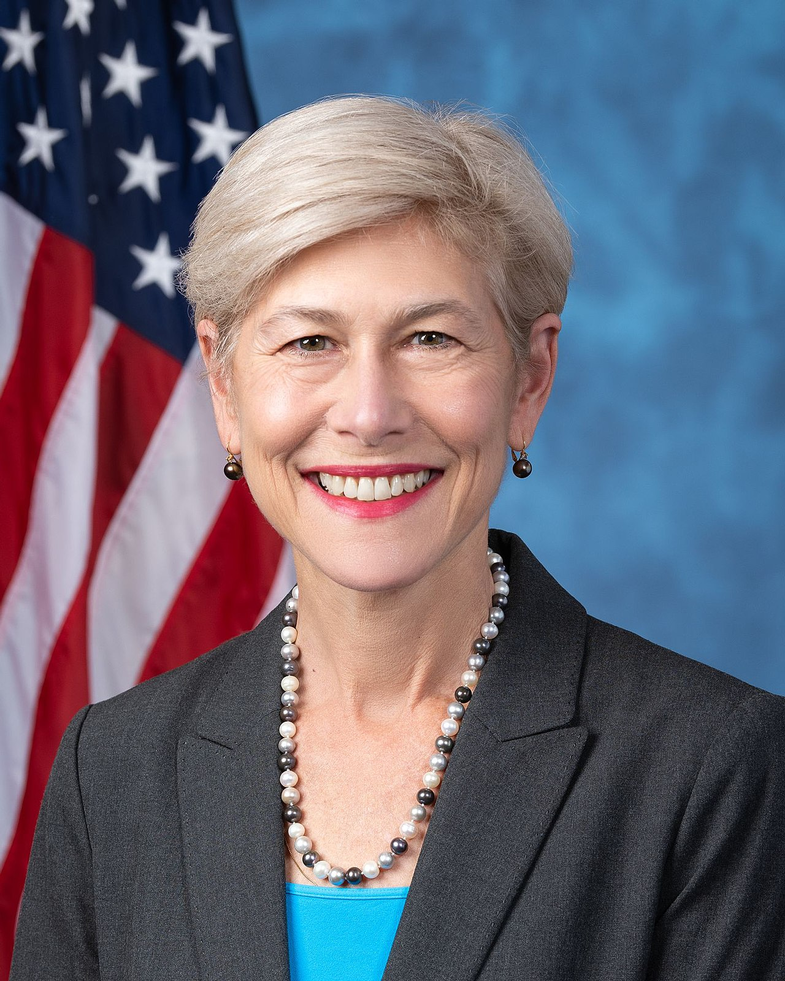
Co-Sponsor
-
TrackAndrea Salinas
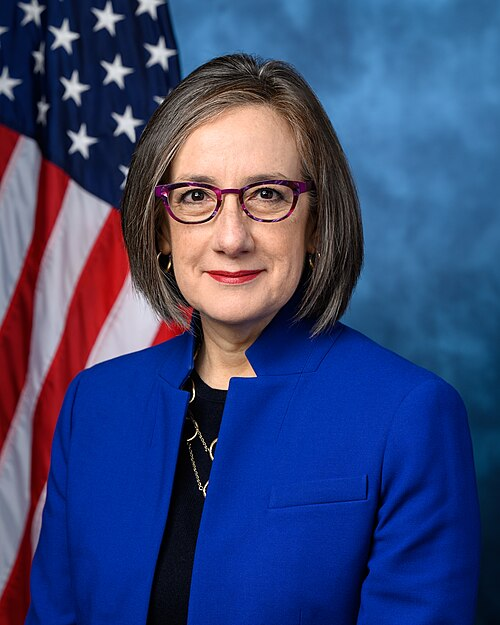
Co-Sponsor
-
TrackLateefah Simon
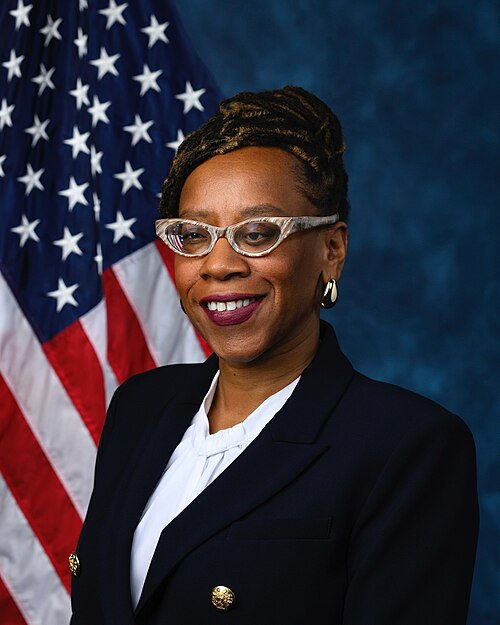
Co-Sponsor
-
TrackMelanie A. Stansbury
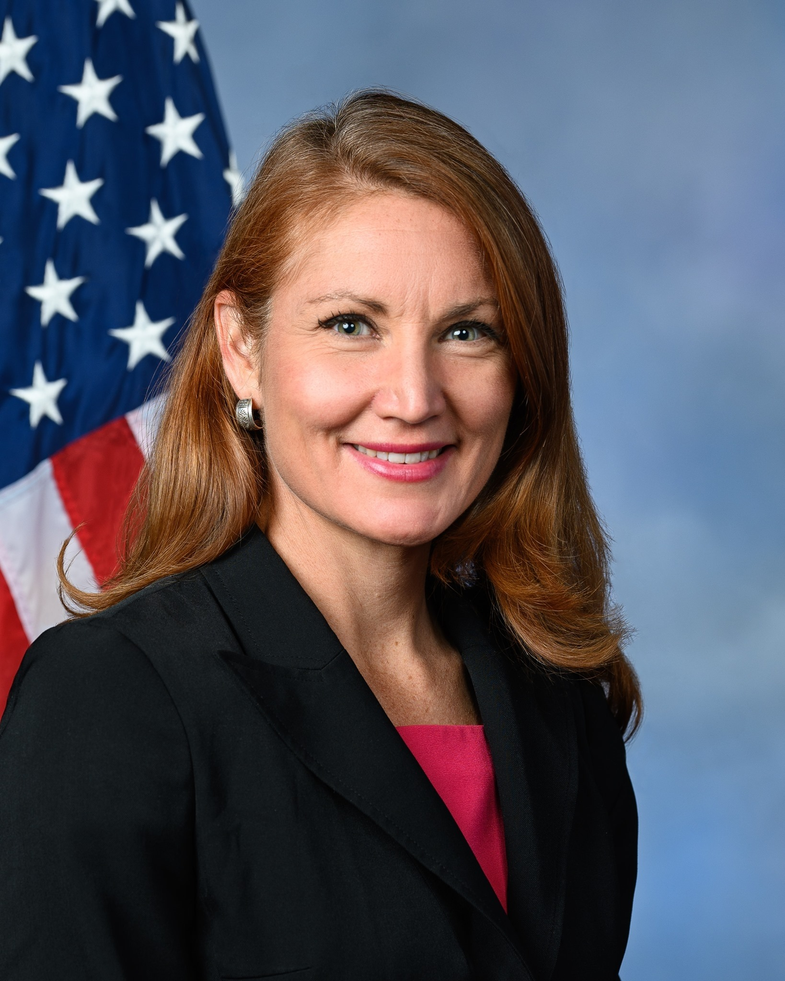
Co-Sponsor
-
TrackEmilia Strong Sykes
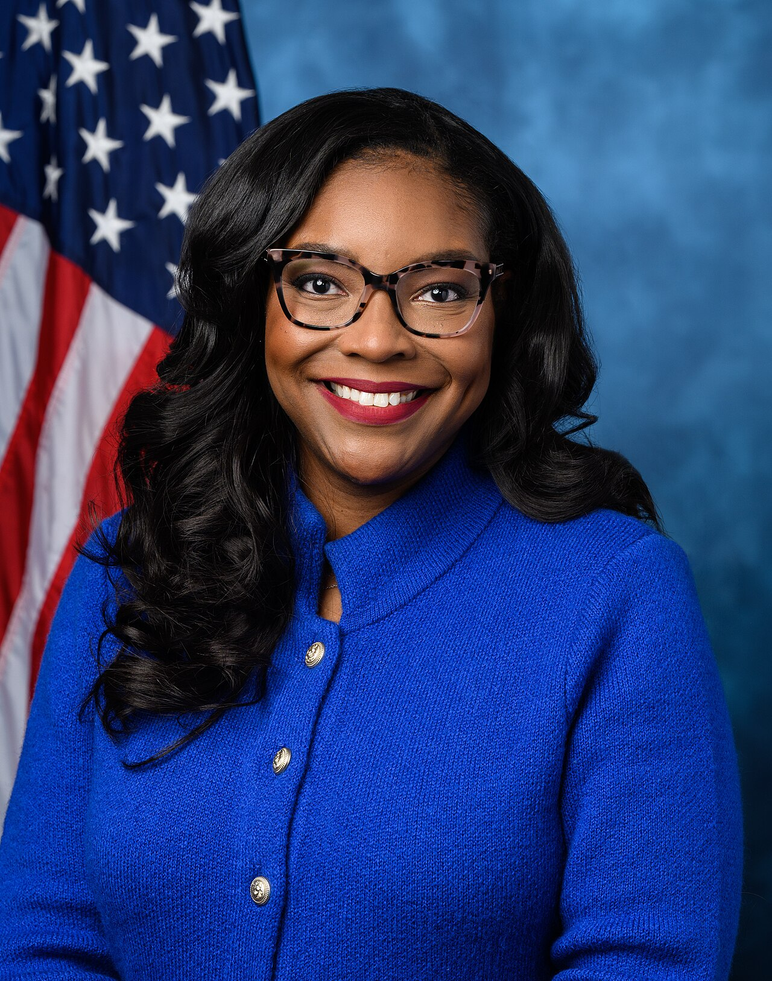
Co-Sponsor
-
TrackShri Thanedar
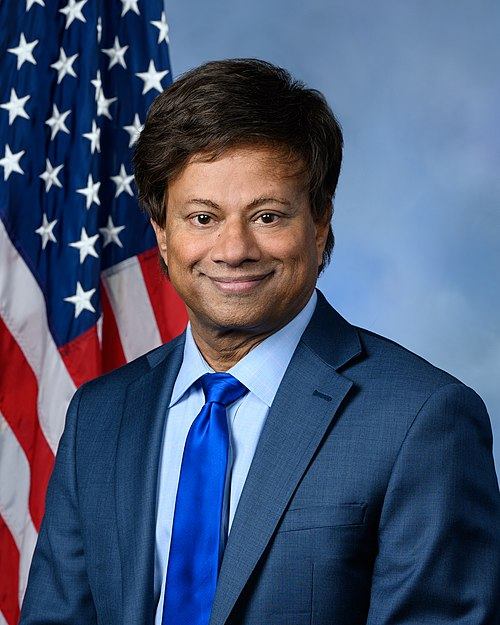
Co-Sponsor
-
TrackRashida Tlaib
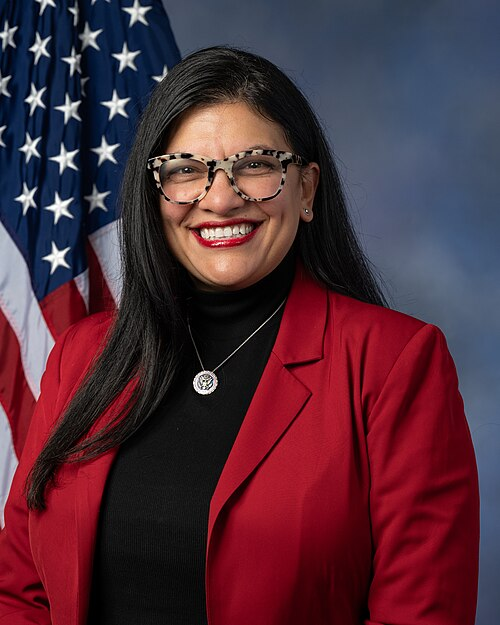
Co-Sponsor
-
TrackPaul Tonko
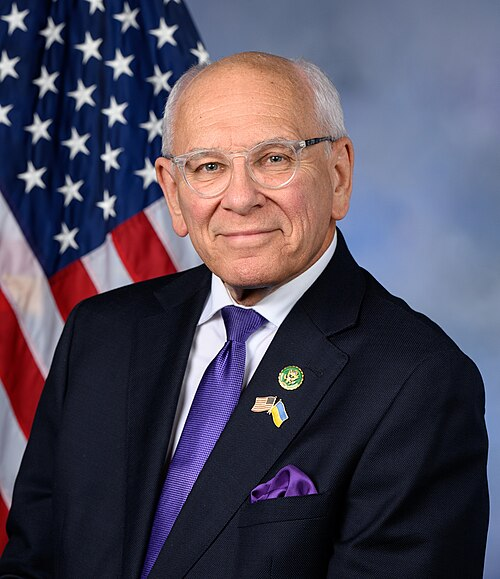
Co-Sponsor
-
TrackJames R. Walkinshaw

Co-Sponsor
-
TrackDebbie Wasserman Schultz
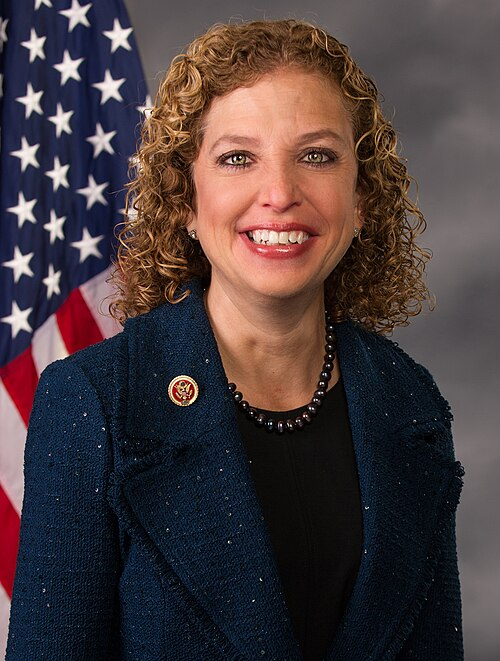
Co-Sponsor
-
TrackFrederica S. Wilson
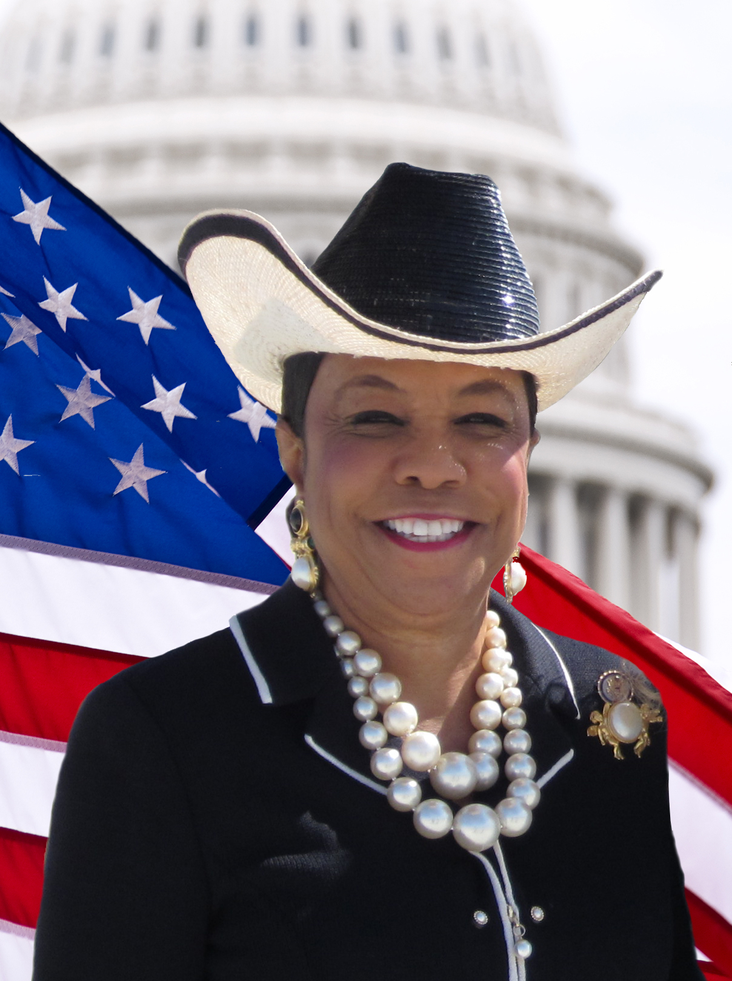
Co-Sponsor
-
Tracknan

Co-Sponsor
Actions
2 actions
| Date | Action |
|---|---|
| Sep. 15, 2026 | Introduced in House |
| Sep. 15, 2026 | Referred to the Committee on the Judiciary, and in addition to the Committee on Ways and Means, for a period to be subsequently determined by the Speaker, in each case for consideration of such provisions as fall within the jurisdiction of the committee concerned. |
Corporate Lobbying
0 companies lobbying
None found.
* Note that there can be significant delays in lobbying disclosures, and our data may be incomplete.
Potentially Relevant Congressional Stock Trades
No relevant congressional stock trades found.