
H.R. 10380: Problem Solvers Independent Commissions Act
This bill would require every state to use an independent redistricting commission to draw its congressional districts after the 2030 census, instead of letting state legislatures draw the maps in the usual way.
What states would have to do
- Each state would need to create an independent commission within 60 days after receiving its congressional apportionment notice.
- The commission would be made up of equal numbers of members from:
- the largest political party in the state legislature,
- the second-largest political party, and
- people not affiliated with those parties.
- Members would be chosen through an open application process, with random selection from applicant pools.
- Legislative leaders could remove up to 20% of applicants from each category before final selection.
- Commissioners would need to be U.S. citizens, have a recent history of voter registration or primary voting in the state, and not have recent ties to political office, campaigns, or party work.
- Commissioners would have to complete training on redistricting law, mapping rules, ethics, and public engagement.
How district maps would be drawn
The commission would have to draw congressional districts using these criteria:
- districts should have roughly equal population,
- districts should not be drawn to help or hurt a candidate, incumbent, or political party,
- districts should be contiguous when possible,
- existing counties and municipalities should be preserved when practical, and
- districts should be as compact as practical.
Public input and transparency
- The commission would have to hold public meetings and make them available live online.
- It would have to solicit public comments on draft maps.
- Most commission meetings would have to be open to the public.
- After approving a final map, the commission would have to release a wide range of supporting materials, including maps, reports, demographic and election data, software and methods used, consultant reports, communications with outside parties, public submissions, email correspondence between commissioners, meeting recordings, and a “bell curve” showing the average outcome of a fair redistricting process.
Limits on outside influence
- Commission members would be prohibited from private communications about proposed maps with elected officials, political parties, lobbyists, or outside advocacy groups.
- Commission staff and consultants would be controlled by the commission, not the state legislature.
What happens if the commission cannot agree
- If the commission does not enact a plan in time, the existing congressional districts would temporarily remain in place.
- If the commission still has not enacted a plan after that, the state’s highest court could appoint two special masters to draw a final map.
- The state legislature would have no role in choosing the final map under that fallback process.
Legal review
- The highest state court would have authority to hear claims that a final map violates the act or state law.
- The bill also includes rules allowing certain cases to be moved from state court to federal court.
When it would take effect
The bill would apply only to congressional redistricting that happens after the 2030 census.
Relevant Companies
None found
This is an AI-generated summary of the bill text. There may be mistakes.
Sponsors
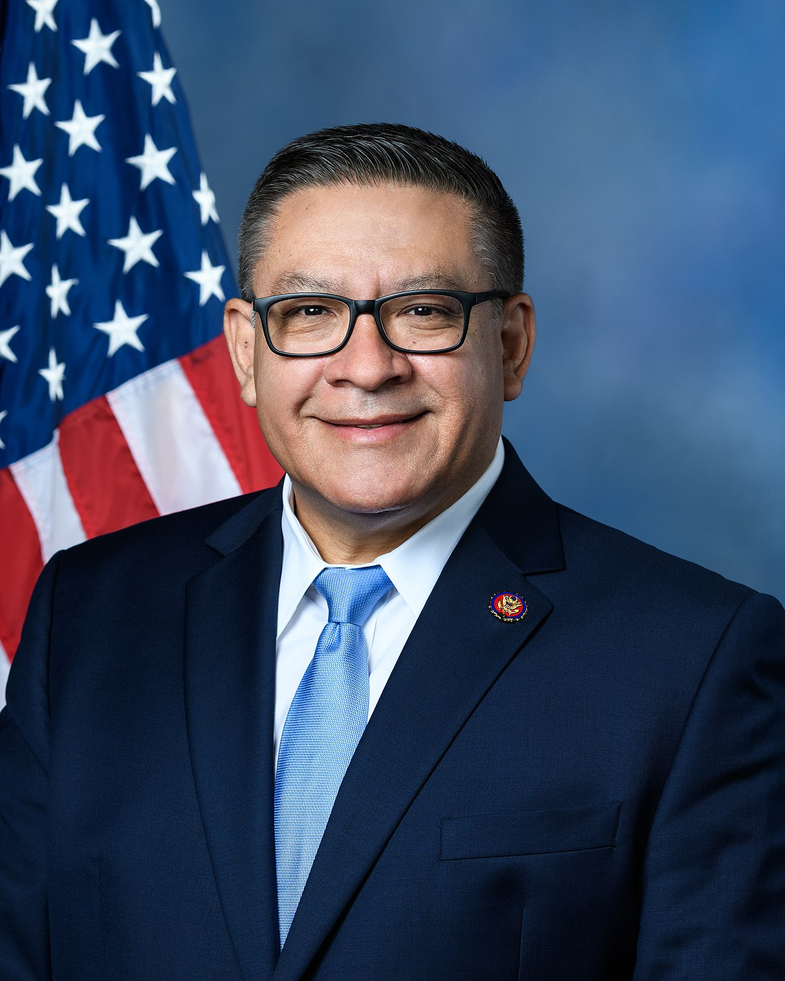
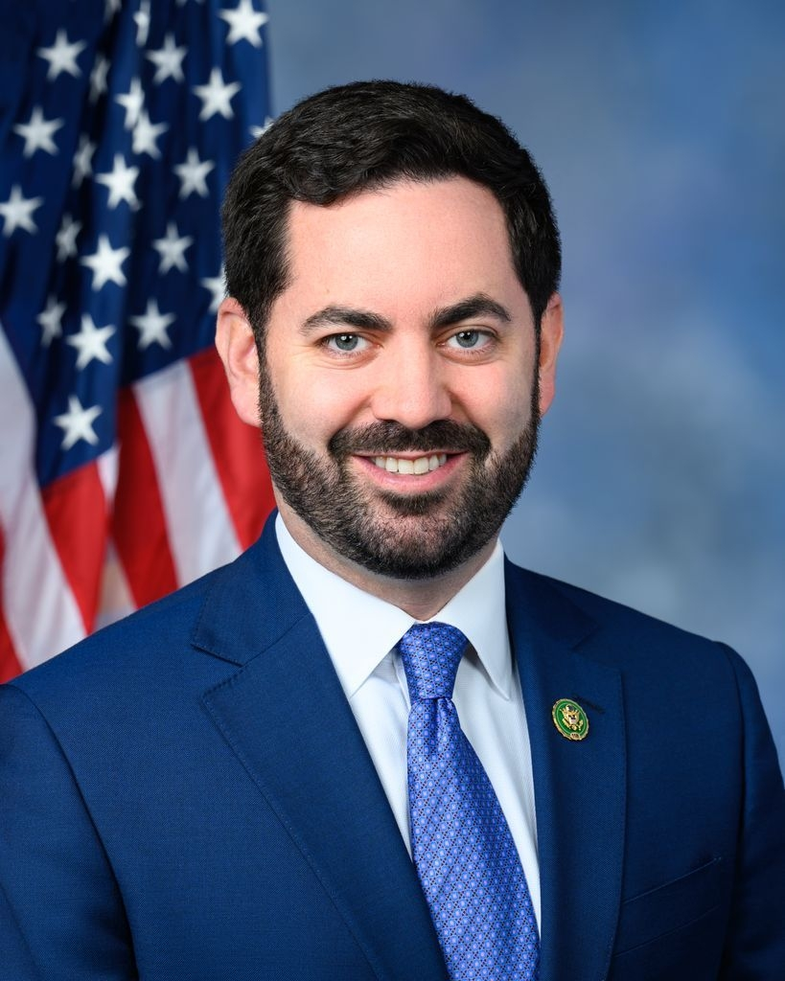
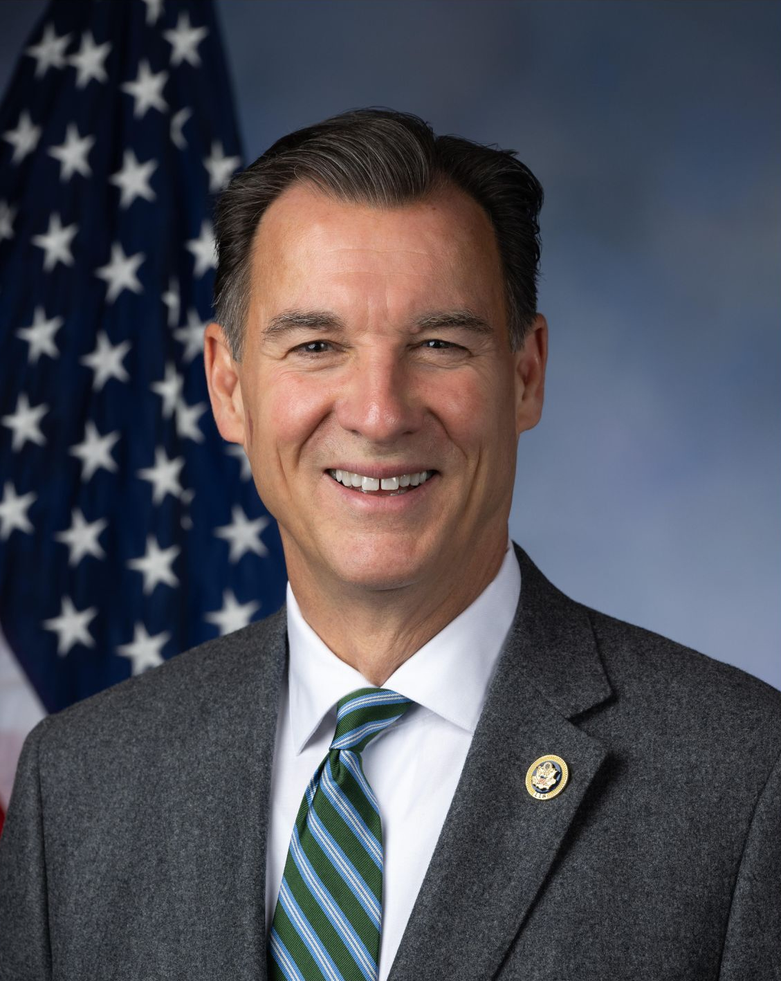
8 bill sponsors





Actions
2 actions
| Date | Action |
|---|---|
| Sep. 15, 2026 | Introduced in House |
| Sep. 15, 2026 | Referred to the House Committee on the Judiciary. |
Corporate Lobbying
0 companies lobbying
None found.
* Note that there can be significant delays in lobbying disclosures, and our data may be incomplete.
Potentially Relevant Congressional Stock Trades
No relevant congressional stock trades found.