
H.R. 10377: Make Apportionment Great Again Act
This bill would change how congressional seats are allocated among the states by counting only U.S. citizens, rather than all residents, when determining each state’s share of Representatives.
What it would change
- Apportionment based on citizenship: It would amend existing law so that people who are not U.S. citizens are excluded from the population count used to divide House seats among the states.
- Recalculation of the 2020 census apportionment: The Secretary of Commerce would be required to revise the 2020 census population totals for apportionment purposes by January 31, 2027, or by March 31, 2027 if more time is needed because of data limitations.
- New seat allocation: After the revised totals are completed, the President would transmit a new statement to Congress showing how many Representatives each state would have under the citizenship-based count.
- Use of existing data: The Commerce Secretary would not have to redo the census. Instead, the department would use official federal and state data and records, and could use statistical methods such as matching or imputation to identify citizenship status.
- State and federal information sharing: Federal agencies and states would be required, when asked and where allowed by law, to provide relevant official records that could help determine citizenship or immigration status.
- Protection for the revised apportionment: Any change in House seat counts made under this process would be presumed lawful unless a court finds a clear statutory or constitutional violation.
Future census requirement
- Citizenship question: Beginning with the 2030 decennial census, and every census after that, census forms would have to include a way for each household member to identify whether they are:
- a U.S. citizen,
- a U.S. national who is not a citizen,
- a lawful noncitizen resident, or
- an unlawfully residing noncitizen.
- Public release of citizenship breakdowns: Within 120 days after each decennial census, the Census Bureau would have to publicly release state-by-state population counts broken down into those four categories.
Legal process for challenges
- Expedited court review: Lawsuits challenging the bill would be handled quickly by a three-judge federal district court panel.
- Direct Supreme Court appeal: Appeals from that panel would go directly to the U.S. Supreme Court.
- Federal jurisdiction and removal: Federal courts would have original jurisdiction over such cases, and cases filed in state court could be moved to federal court.
Relevant Companies
None found
This is an AI-generated summary of the bill text. There may be mistakes.
Sponsors
43 bill sponsors
-
TrackAndrew S. Clyde
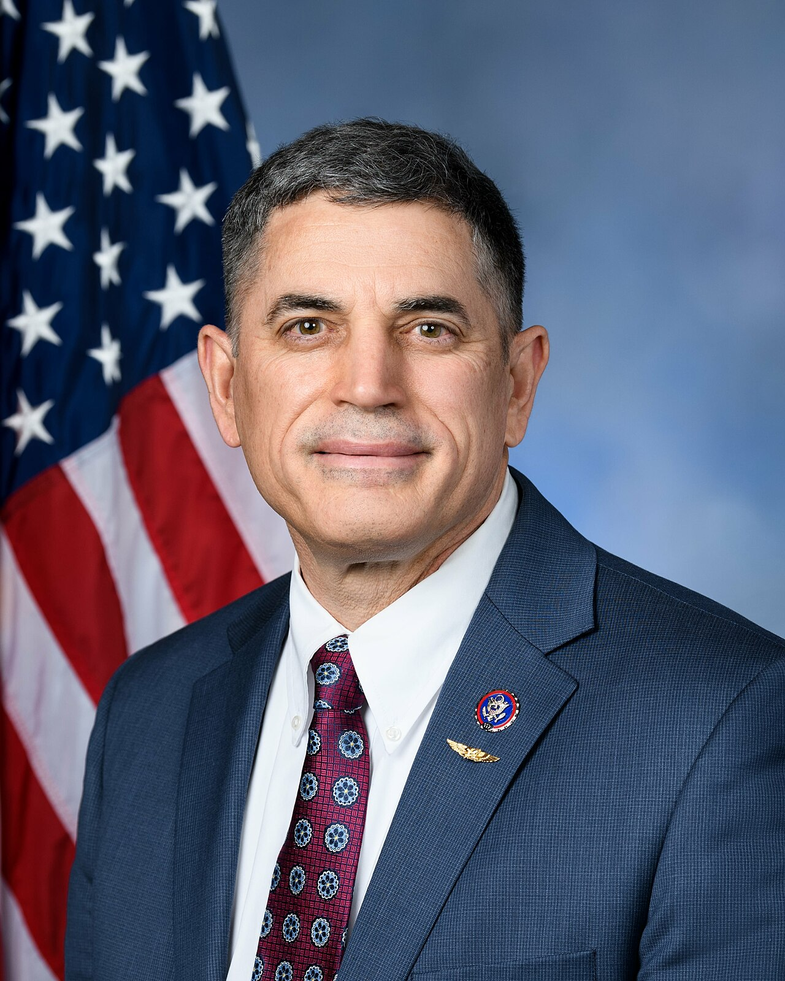
Sponsor
-
TrackAndy Barr
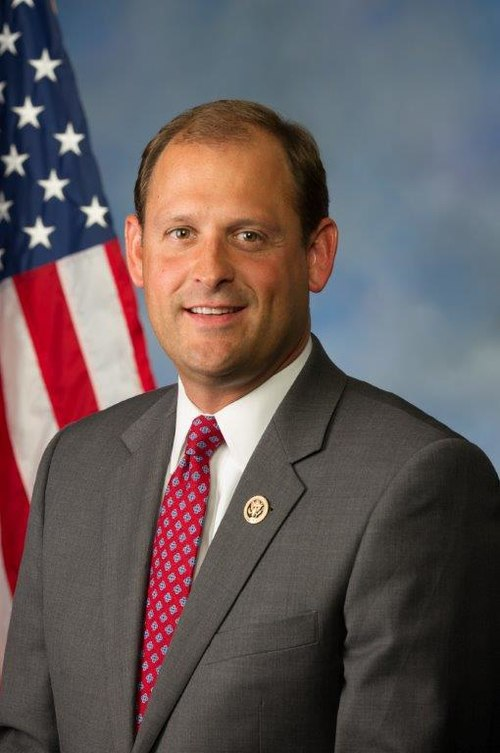
Co-Sponsor
-
TrackSheri Biggs
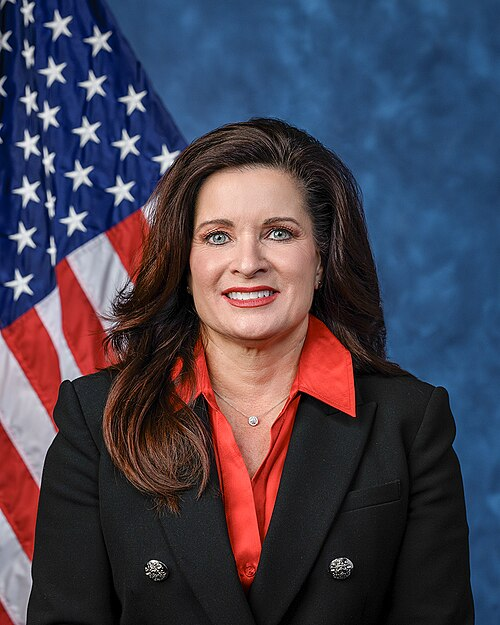
Co-Sponsor
-
TrackAndy Biggs
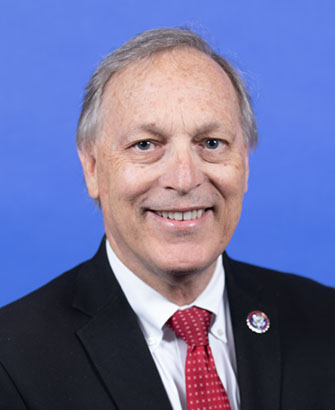
Co-Sponsor
-
TrackLauren Boebert
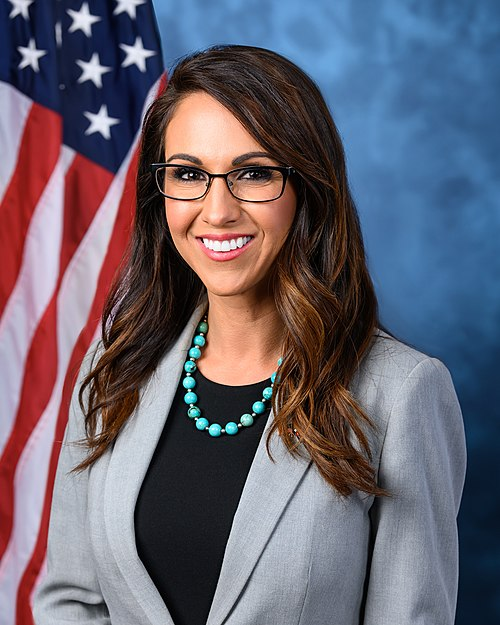
Co-Sponsor
-
TrackJosh Brecheen
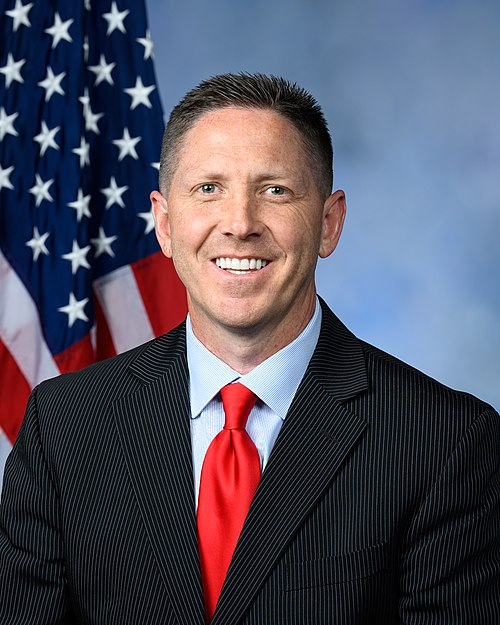
Co-Sponsor
-
TrackEric Burlison
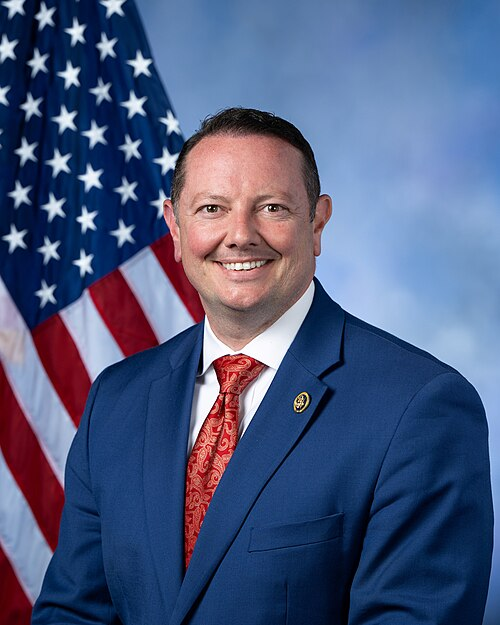
Co-Sponsor
-
TrackEarl L. "Buddy" Carter
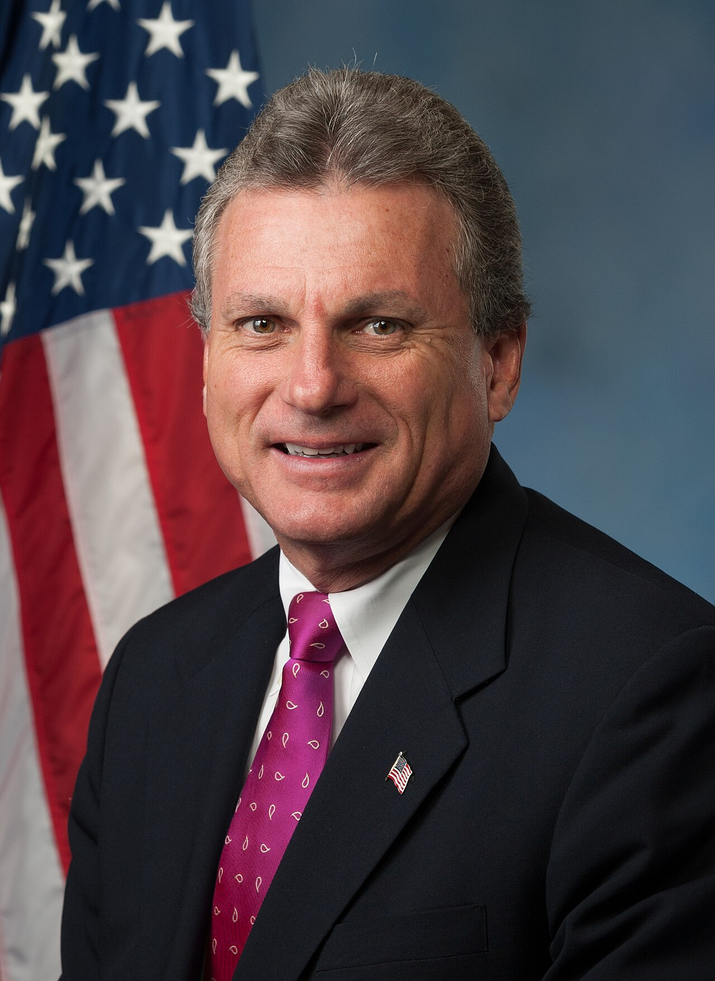
Co-Sponsor
-
TrackBen Cline
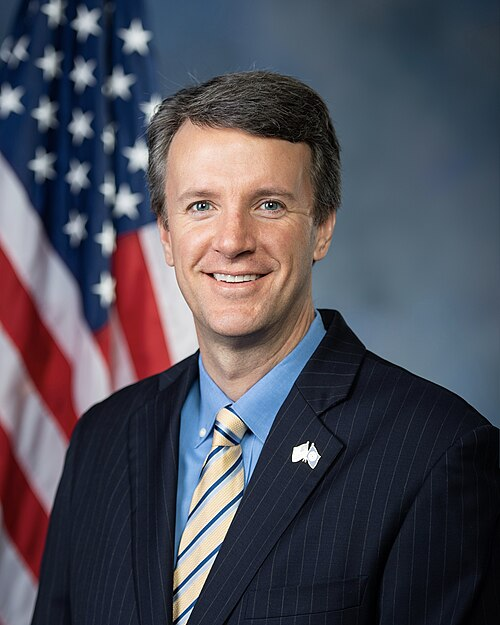
Co-Sponsor
-
TrackMichael Cloud
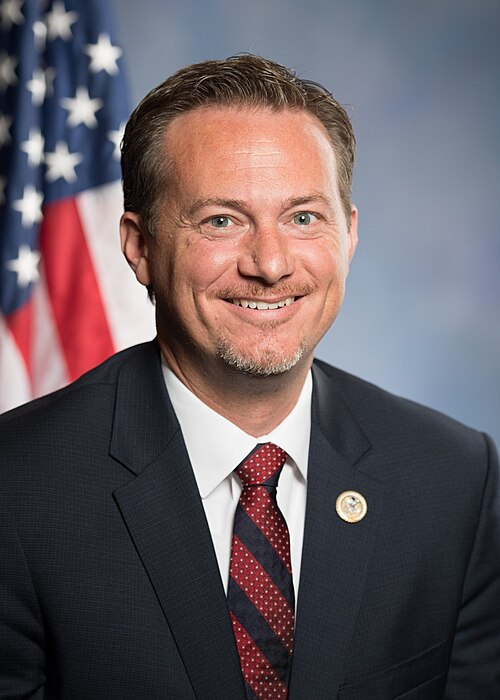
Co-Sponsor
-
TrackMike Collins

Co-Sponsor
-
TrackElijah Crane
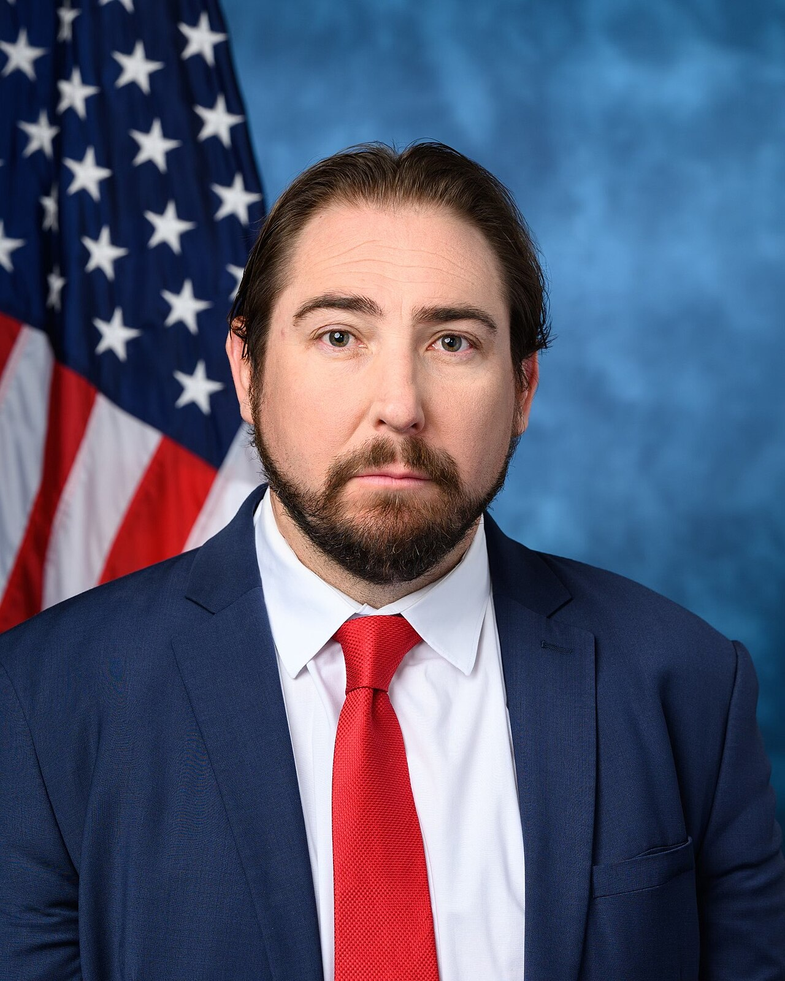
Co-Sponsor
-
TrackWarren Davidson
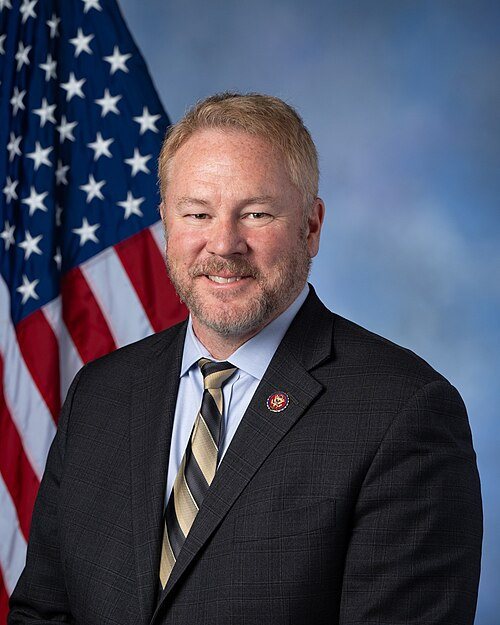
Co-Sponsor
-
TrackByron Donalds
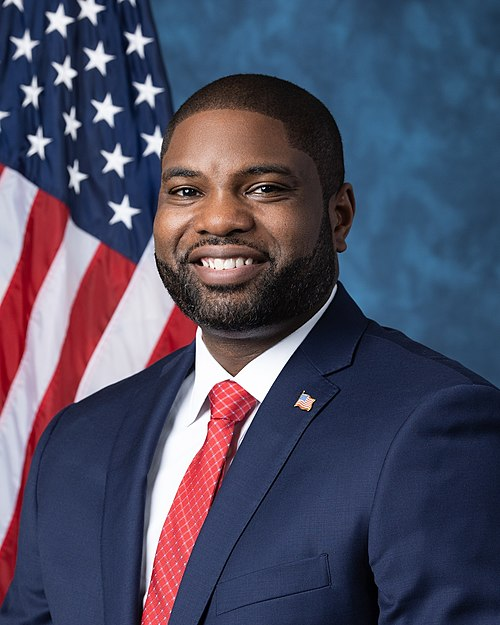
Co-Sponsor
-
TrackRandy Fine

Co-Sponsor
-
TrackRuss Fulcher
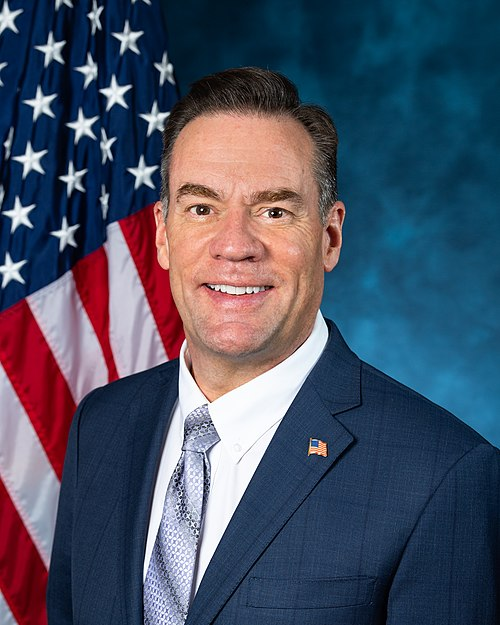
Co-Sponsor
-
TrackBrandon Gill
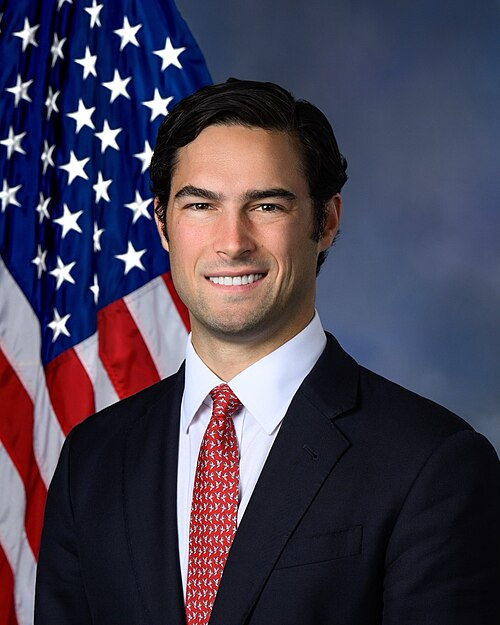
Co-Sponsor
-
TrackPaul A. Gosar

Co-Sponsor
-
TrackAndy Harris
Co-Sponsor
-
TrackDiana Harshbarger

Co-Sponsor
-
TrackClay Higgins
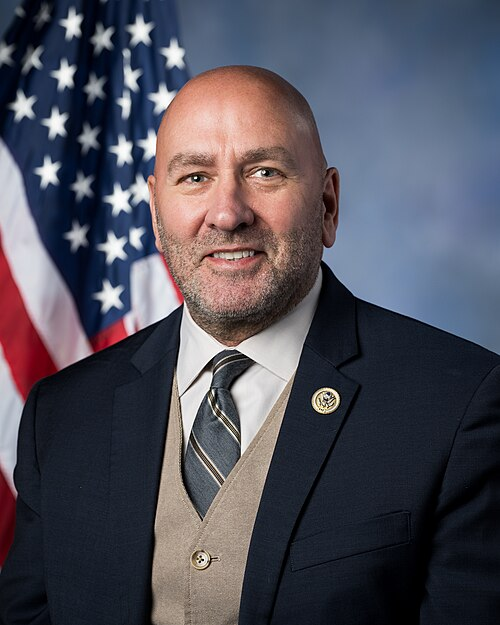
Co-Sponsor
-
TrackWesley Hunt
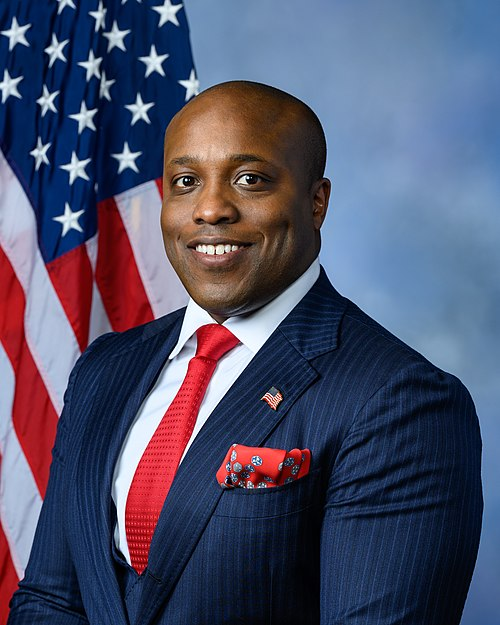
Co-Sponsor
-
TrackAnna Paulina Luna
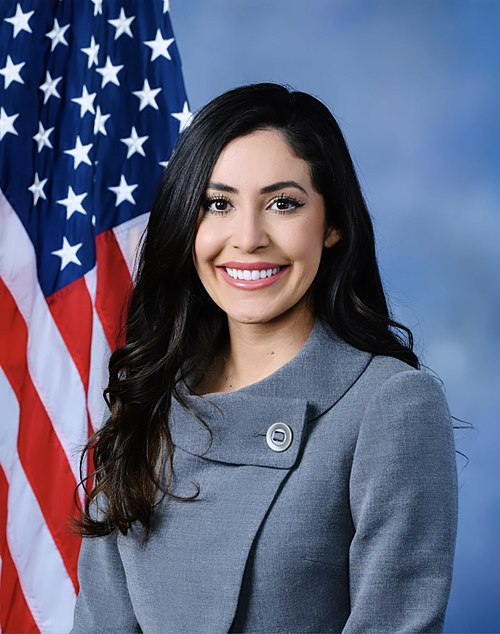
Co-Sponsor
-
TrackTom McClintock
Co-Sponsor
-
TrackRichard McCormick

Co-Sponsor
-
TrackMary E. Miller
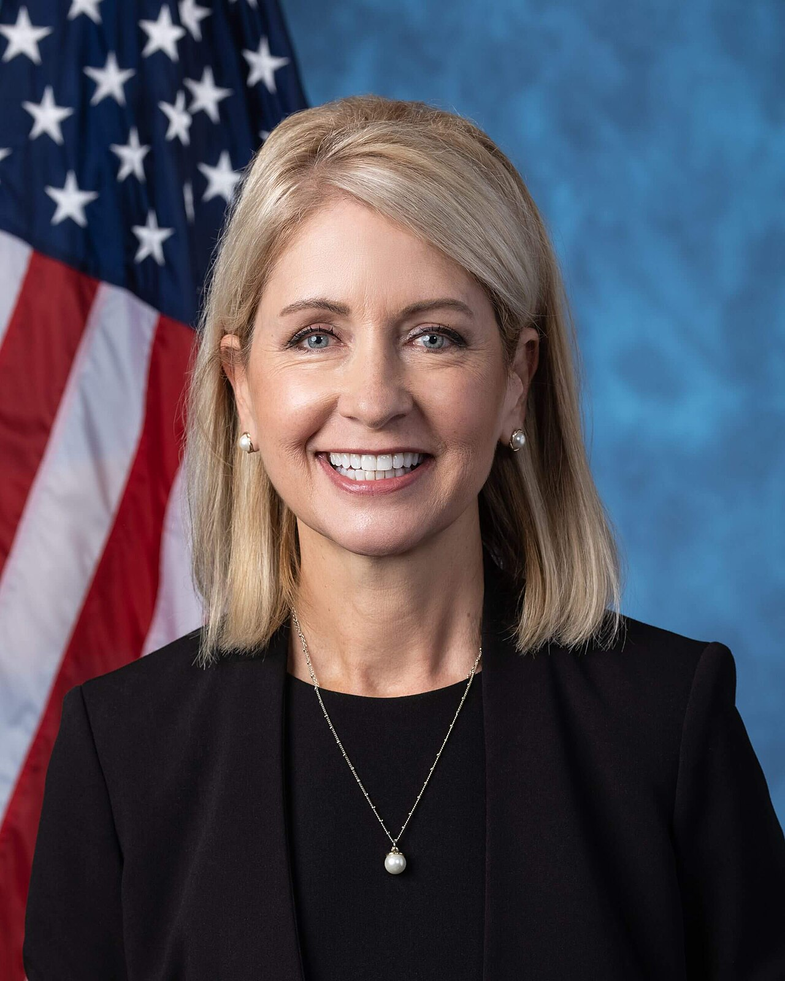
Co-Sponsor
-
TrackRiley Moore

Co-Sponsor
-
TrackBarry Moore
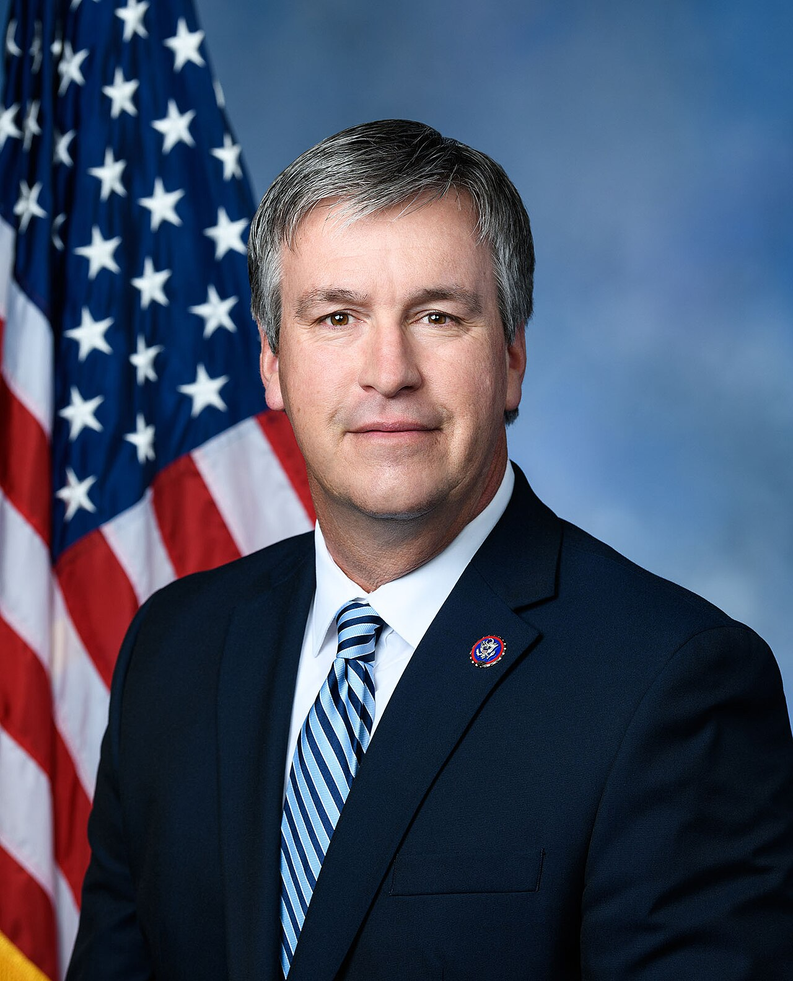
Co-Sponsor
-
TrackTroy E. Nehls
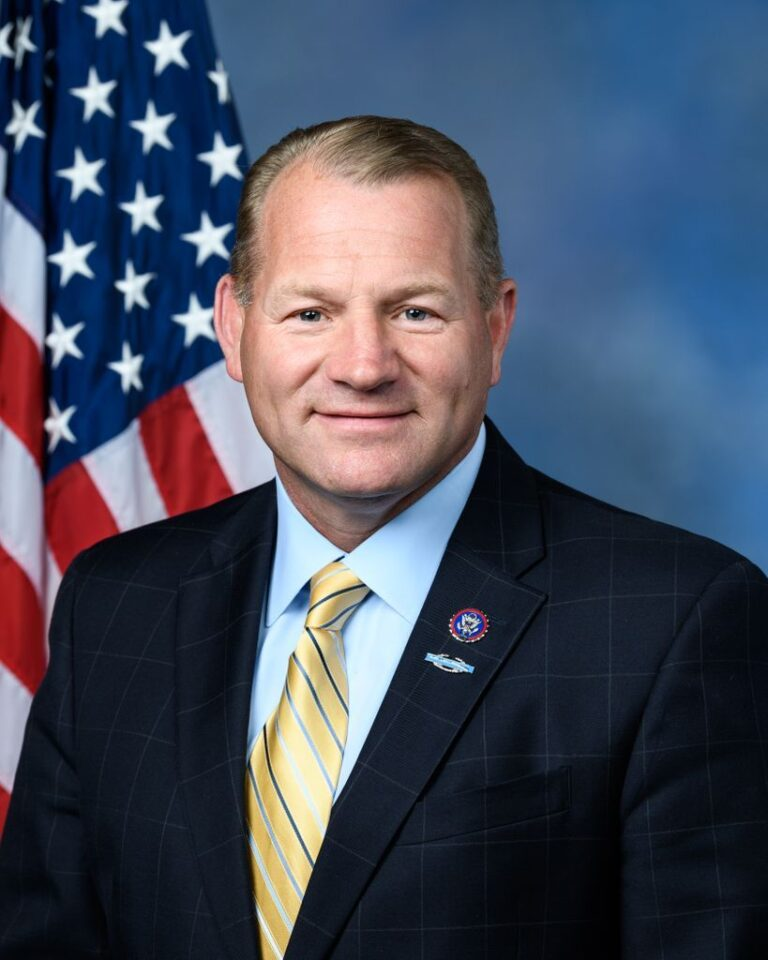
Co-Sponsor
-
TrackRalph Norman
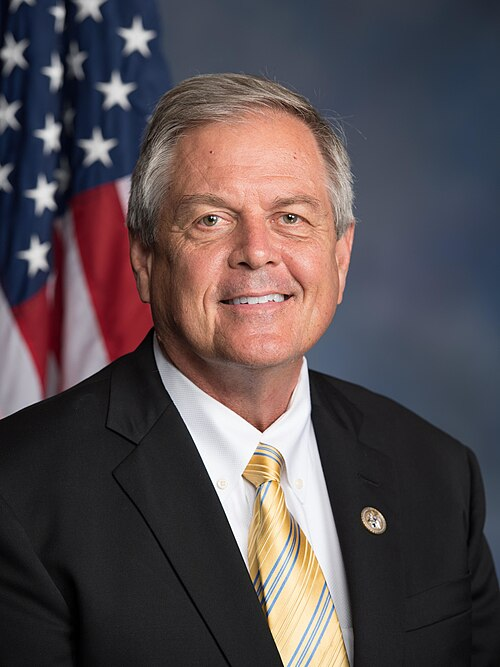
Co-Sponsor
-
TrackAndrew Ogles

Co-Sponsor
-
TrackGary J. Palmer
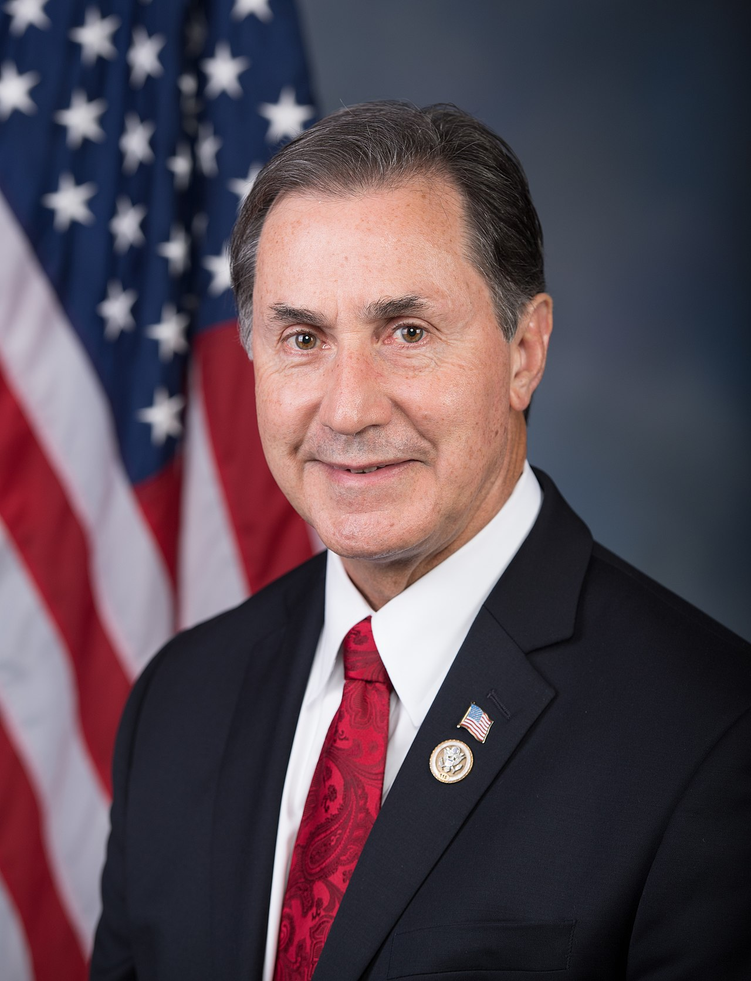
Co-Sponsor
-
TrackScott Perry
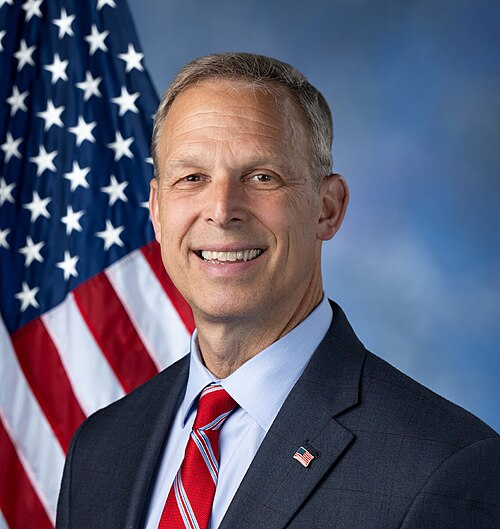
Co-Sponsor
-
TrackGuy Reschenthaler
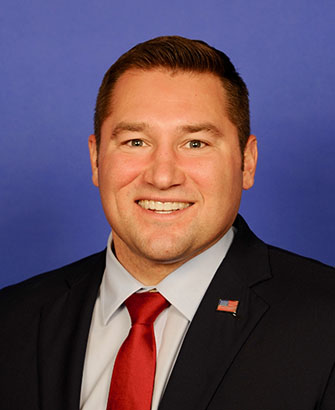
Co-Sponsor
-
TrackChip Roy
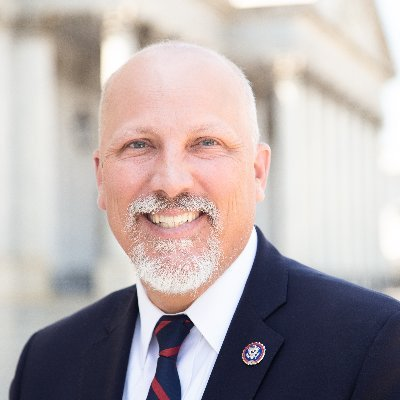
Co-Sponsor
-
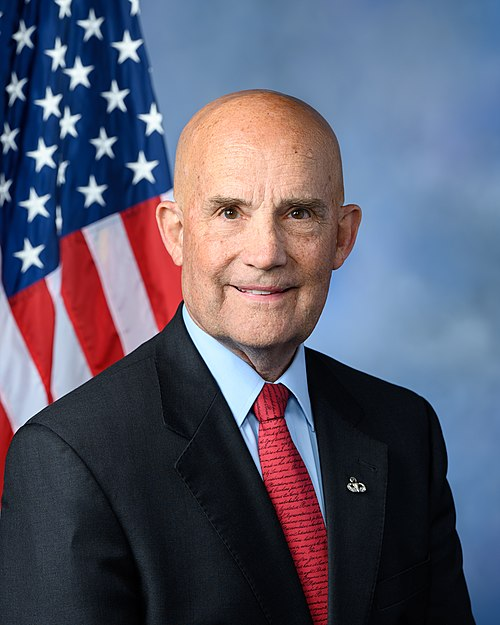
TrackKeith Self
Co-Sponsor
-
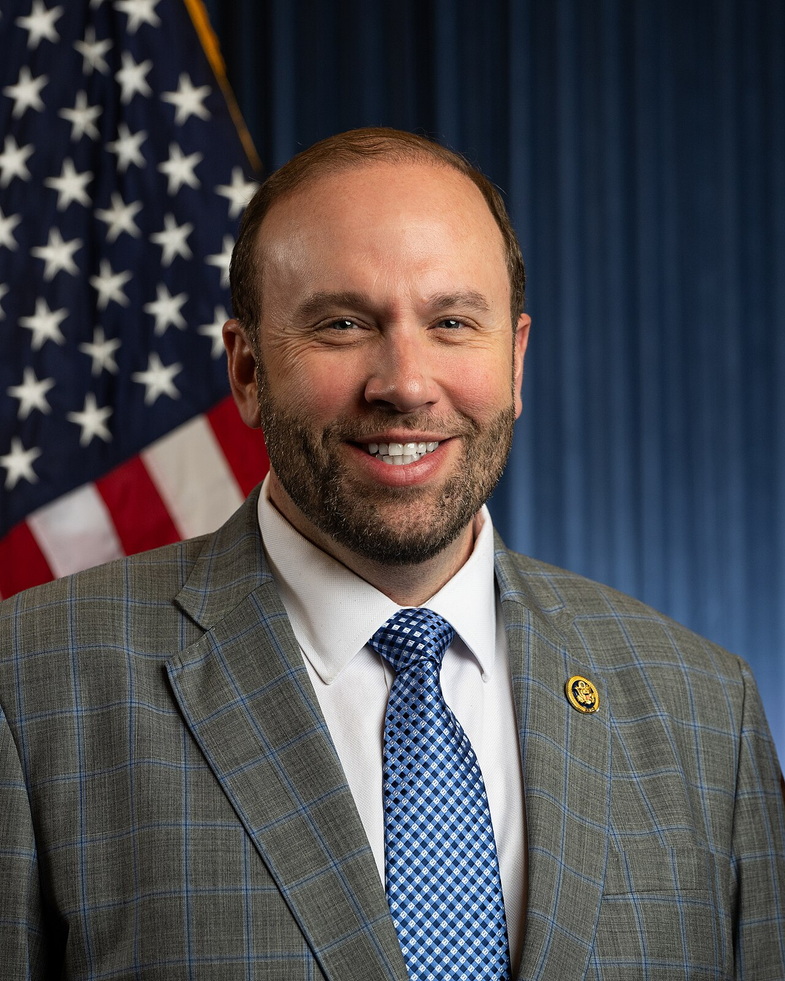
TrackJason Smith
Co-Sponsor
-
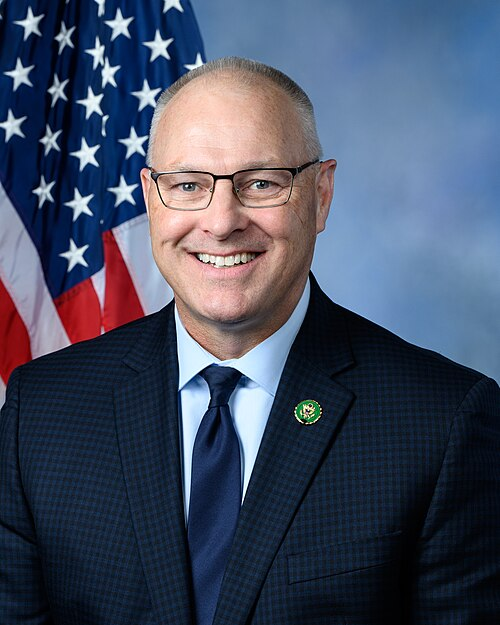
TrackPete Stauber
Co-Sponsor
-
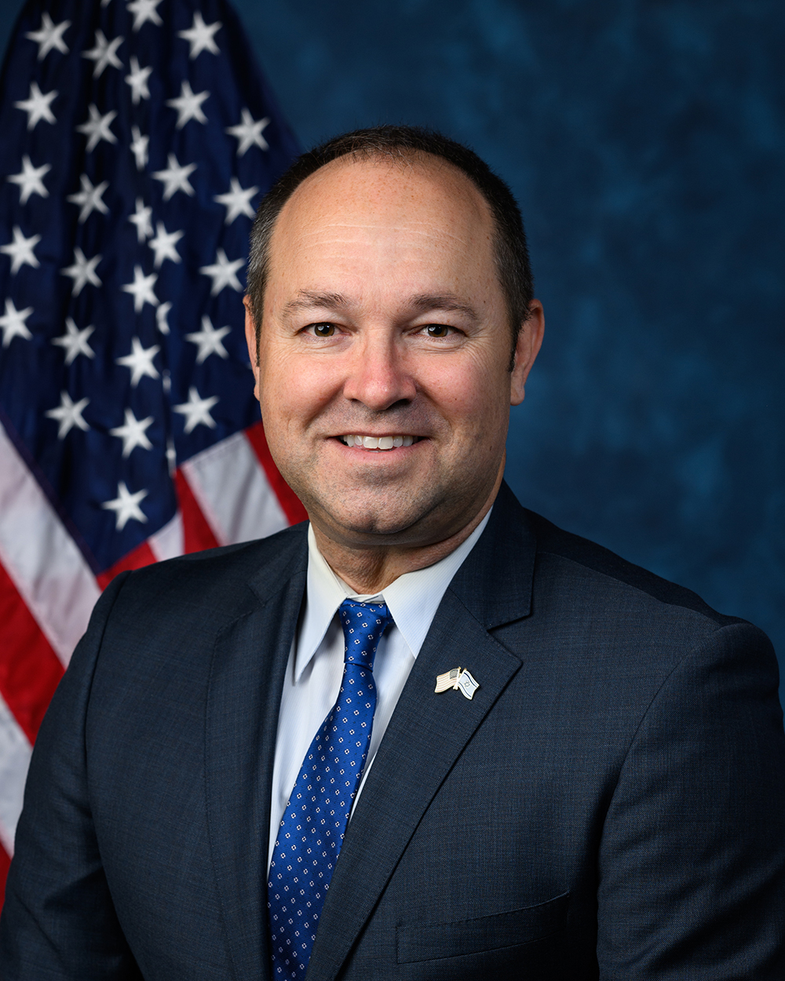
TrackMarlin A. Stutzman
Co-Sponsor
-
TrackThomas P. Tiffany
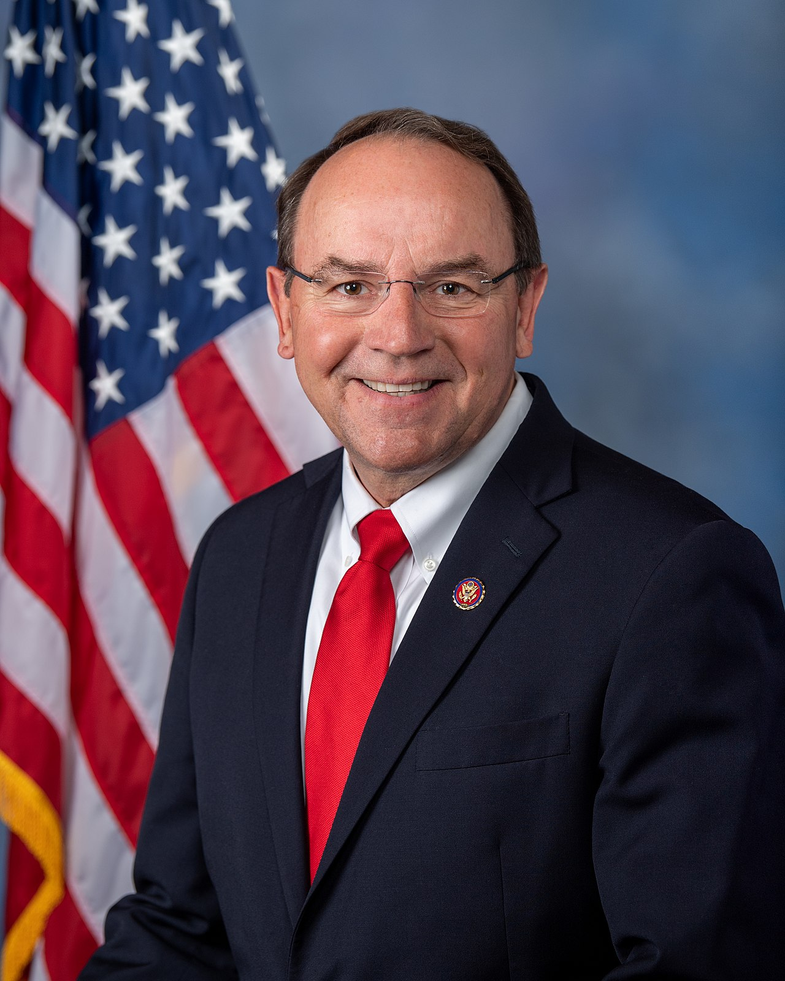
Co-Sponsor
-
TrackBeth Van Duyne
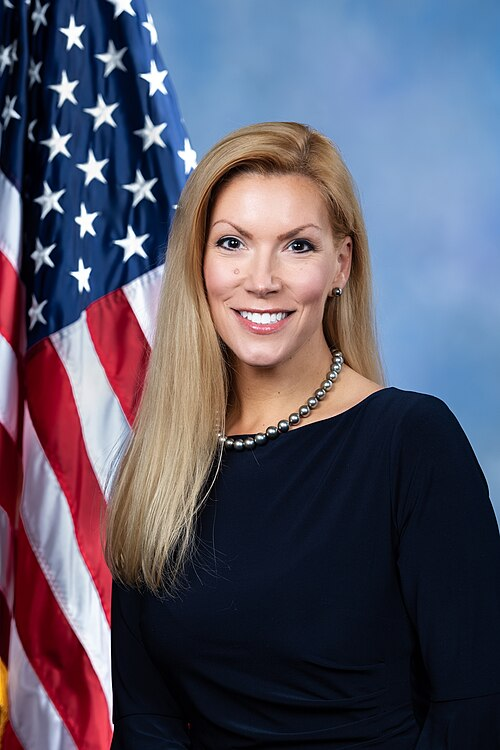
Co-Sponsor
-
TrackTony Wied
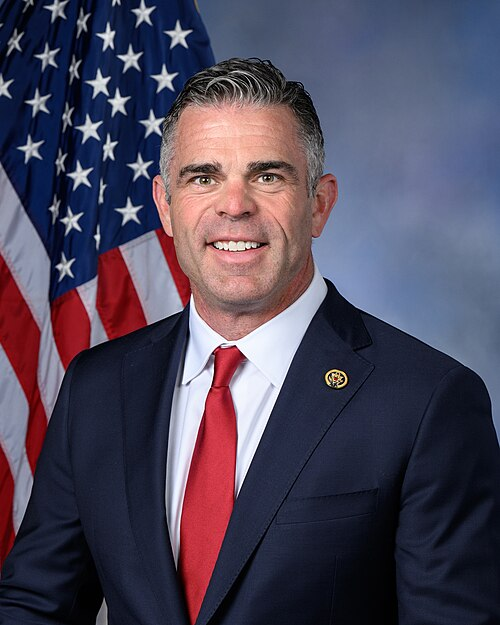
Co-Sponsor
-
Tracknan

Co-Sponsor
Actions
2 actions
| Date | Action |
|---|---|
| Sep. 15, 2026 | Introduced in House |
| Sep. 15, 2026 | Referred to the Committee on the Judiciary, and in addition to the Committee on Oversight and Government Reform, for a period to be subsequently determined by the Speaker, in each case for consideration of such provisions as fall within the jurisdiction of the committee concerned. |
Corporate Lobbying
0 companies lobbying
None found.
* Note that there can be significant delays in lobbying disclosures, and our data may be incomplete.
Potentially Relevant Congressional Stock Trades
No relevant congressional stock trades found.