
H.R. 10375: 504 Modernization and Small Manufacturer Enhancement Act of 2026
This bill would make a series of changes to the Small Business Administration’s “504” loan program, which helps small businesses finance real estate, equipment, and other major investments.
What it changes
- Adds workforce training as an explicit policy goal for the development company program. A project could meet this goal by showing either:
- an in-house training program lasting at least 12 weeks, or
- a contract with another organization to provide job applicants who have received at least 12 weeks of training relevant to the job.
- Adds disaster recovery and very small business expansion as policy goals, including support for revitalizing areas affected by declared disasters within a five-year period, with possible one-year extensions, and support for small businesses with 10 or fewer employees.
- Expands what can be corrected or adjusted during loan closing by allowing certain accredited lender certified companies to:
- shift project costs by up to 10% of total project cost,
- fix name or address typos,
- add certain passive companies and related operating companies to receive loan proceeds,
- change a guarantor into a co-borrower or vice versa,
- add a guarantor who does not own part of the business, and
- reflect debt or project cost reductions that happened before closing.
- Creates a more streamlined closing process for certain “Priority certified development companies.” In those cases, an approved designated attorney can handle loan closing paperwork if they are licensed, insured, and trained. The bill also shifts some review duties away from SBA district counsel and to the Office of Credit Risk Management.
- Requires the SBA to create a marketing and outreach plan for 504 loans and start implementing it within one year after enactment.
- Changes leasing rules for projects financed through the program:
- For new facilities, a small business could permanently lease up to 20% of the project to commercial or residential tenants if it occupies at least 60% at first, plans to use more within 3 years, and plans to occupy 80% within 10 years.
- For small manufacturers, the initial occupancy requirement is lower: 50% instead of 60%.
- For existing buildings, a business could lease up to 50% while occupying at least 50% itself, or in some cases lease up to 66% if it meets added conditions, including prior occupancy, limits on the use, and extra oversight and certifications.
- Residential leases under this rule could not exceed 1 year, and commercial leases could not exceed 5 years.
- Requires a report to Congress within 5 years on how the leasing changes affect small businesses’ access to capital.
- Creates an exemption from the “credit elsewhere” requirement for certain SBA and development company loans, meaning applicants would not have to show they cannot get credit elsewhere for those specified loans.
Practical effect
In plain terms, the bill would try to make 504 loans easier and faster to use, especially for small manufacturers, smaller businesses, and businesses in disaster-hit areas. It would also loosen some rules around who can be on a loan, how closing paperwork is handled, and how much of a financed property can be leased to tenants.
Relevant Companies
None found.
This is an AI-generated summary of the bill text. There may be mistakes.
Sponsors
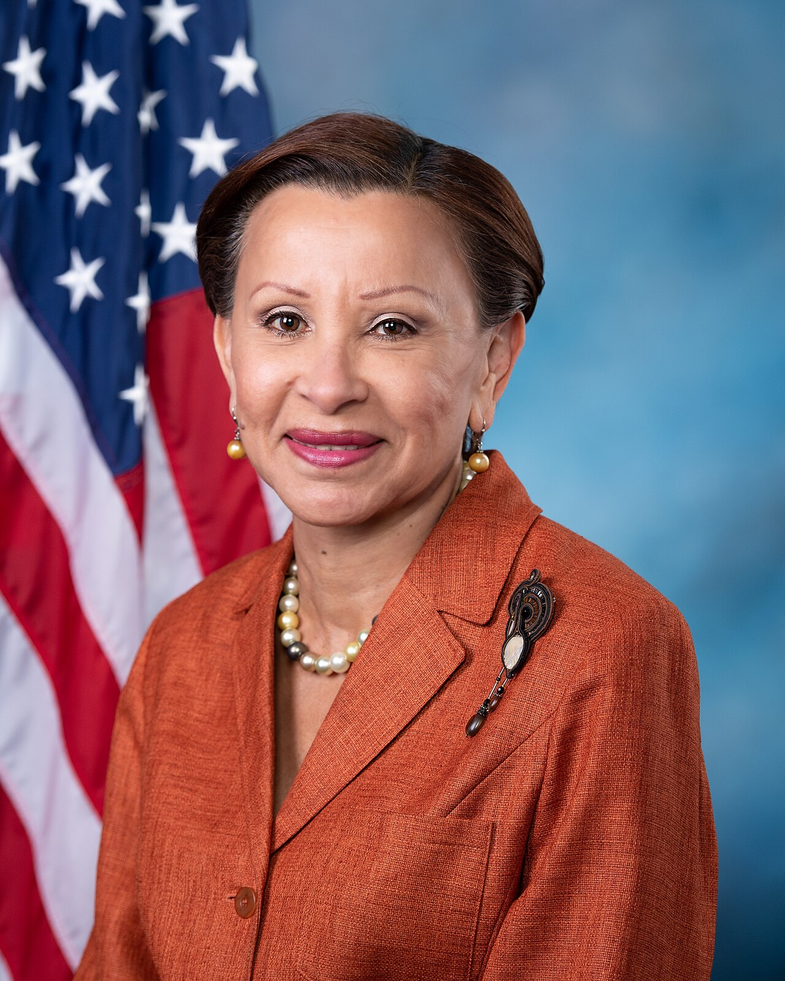
2 bill sponsors

Actions
2 actions
| Date | Action |
|---|---|
| Sep. 14, 2026 | Introduced in House |
| Sep. 14, 2026 | Referred to the House Committee on Small Business. |
Corporate Lobbying
0 companies lobbying
None found.
* Note that there can be significant delays in lobbying disclosures, and our data may be incomplete.
Potentially Relevant Congressional Stock Trades
No relevant congressional stock trades found.