H.R. 10370: Ailani Myers AIM to Cure Kids with Cancer Act
This bill would create a federal effort focused on using advanced technology, especially artificial intelligence, to improve care for children with cancer.
What the bill sets up
It would require the President to name a federal Coordinator of AI Innovation to help organize government work on pediatric cancer and technology. That person or office would bring together several agencies, including the Department of Health and Human Services, NIH, FDA, CMS, ARPA-H, the Office of the National Coordinator for Health Information Technology, the Department of Defense, the Department of Energy, the Department of Veterans Affairs, the National Science Foundation, NIST, and the White House Office of Science and Technology Policy.
The coordinator would be responsible for aligning federal efforts, helping agencies work together, and coordinating with patients, families, researchers, caregivers, and organizations that fund pediatric cancer research.
What HHS and NIH would do
The bill would direct the National Cancer Institute to continue and expand the Childhood Cancer Data Initiative, or CCDI. The CCDI is meant to collect, standardize, connect, and share data about people diagnosed with cancer as children, adolescents, or young adults, regardless of where they received care.
The CCDI would support work such as:
- molecular testing and characterization of pediatric cancers;
- sharing results that could help guide diagnosis and treatment;
- using non-invasive technologies, software, and AI tools to analyze data;
- building data platforms and tools that let researchers and clinicians find and use pediatric cancer data;
- studying rare pediatric cancers;
- linking clinical, research, and population data, including through the National Childhood Cancer Registry;
- developing the standards and infrastructure needed for those activities.
The Secretary of Health and Human Services would also have to designate a CCDI Director with expertise in pediatric oncology, biomedical data science, or a related field to lead this work.
Artificial intelligence and clinical trials
The bill would direct NIH to support the development and use of AI for pediatric cancer research and care. This would include improving how data is prepared for AI use, combining data from multiple sources, and creating data standards and technical methods that make AI analysis possible.
It would also support research using AI to:
- predict how patients may respond to treatment;
- track how the disease may progress;
- estimate treatment side effects;
- find new diagnostic, prognostic, and treatment markers from molecular and imaging data.
In addition, the bill would support use of AI and multi-source data to improve the design, recruitment, administration, conduct, and interpretation of clinical trials for medical products aimed at diagnosing, treating, preventing, or curing pediatric cancer.
Data sharing and interoperability
The bill would instruct HHS, through the National Coordinator for Health Information Technology, to make sure AI is incorporated into health data interoperability efforts in a way that can help researchers and clinical trial design while protecting patient privacy.
Within two years, HHS would have to finalize interoperability standards for patient data used with AI. Those standards would need to:
- handle both structured and unstructured data;
- support safe, privacy-compliant data exchange;
- address the needs of pediatric patients, including pediatric cancer patients, as a priority.
These standards would apply across HHS, not just to the cancer initiative. The agency would also have to work with patients, families, providers, researchers, and health IT developers, identify barriers to sharing pediatric data, and recommend ways to address them.
Reporting and oversight
The bill would require HHS to report to Congress within 180 days on implementation progress, initial findings, and any barriers. After that, it would require annual reports through fiscal year 2031 covering activities, spending, data-sharing progress, privacy protections, barriers, recommendations, and results related to pediatric cancer diagnosis, treatment, prevention, or cure.
Privacy
The bill states that all activities must comply with federal and state privacy laws, including HIPAA privacy rules.
Funding
The bill would authorize such sums as necessary for fiscal years 2027 through 2031 to carry out most parts of the act. It would also authorize $100 million per year for fiscal years 2027 through 2031 specifically for the Childhood Cancer Data Initiative.
Relevant Companies
None found.
This is an AI-generated summary of the bill text. There may be mistakes.
Sponsors
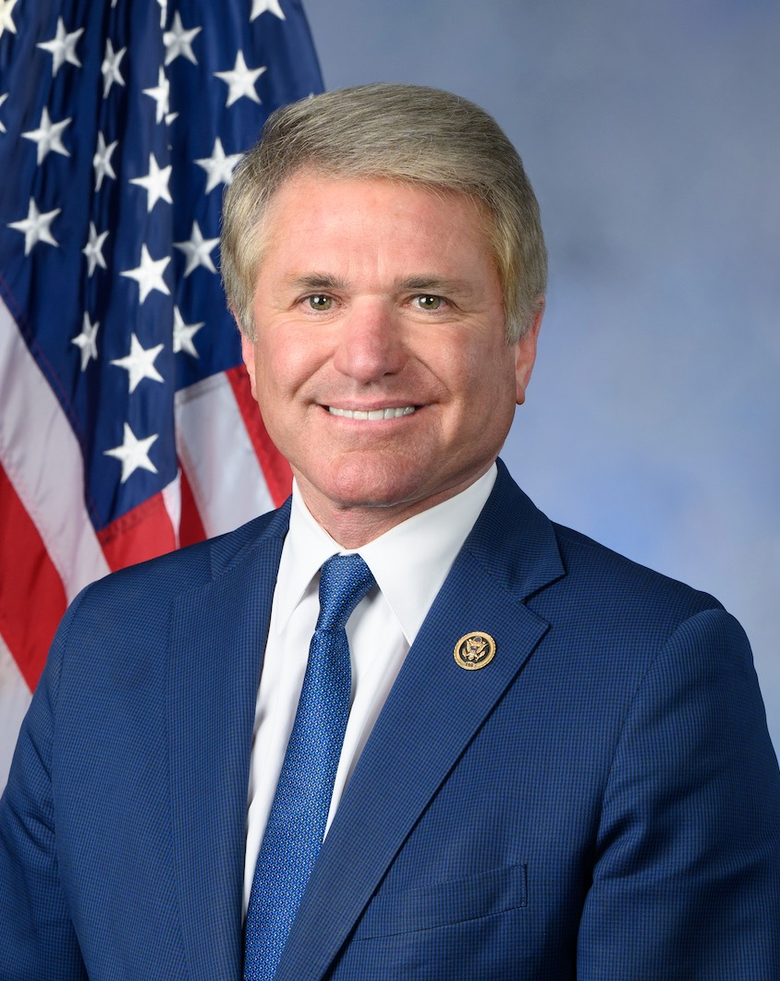
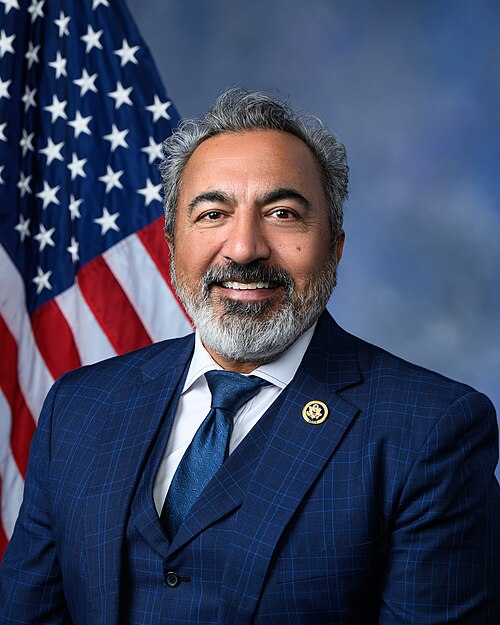
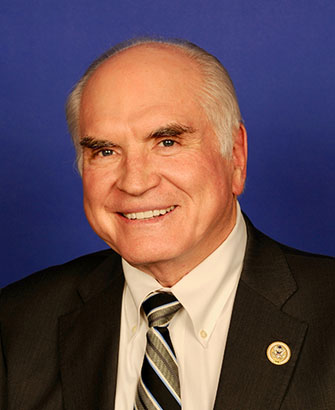
3 bill sponsors
Actions
2 actions
| Date | Action |
|---|---|
| Sep. 14, 2026 | Introduced in House |
| Sep. 14, 2026 | Referred to the House Committee on Energy and Commerce. |
Corporate Lobbying
0 companies lobbying
None found.
* Note that there can be significant delays in lobbying disclosures, and our data may be incomplete.
Potentially Relevant Congressional Stock Trades
No relevant congressional stock trades found.