H.R. 10363: No Grounds for Discrimination Act
This bill would make it illegal for coffee shops, cafés, tea houses, and similar informal dining places that are open to the public to refuse service, separate customers, or otherwise discriminate against people based on:
- religion
- race
- color
- sex
- gender identity
- sexual orientation
- national origin
- age
- disability
- genetic information
- veteran status
In plain terms, the bill extends civil-rights style protections to these types of businesses, so customers would have a right to be treated equally when buying goods or services there.
The bill defines coffee shop broadly to include places that:
- are open to the public,
- mainly sell coffee, tea, or other light refreshments, and
- either operate in a way that affects interstate commerce or are covered by state action related to discrimination.
It says the rule would be enforced in the same way as Title II of the Civil Rights Act of 1964, which generally means the federal civil-rights enforcement framework for public accommodations would apply.
There are no separate penalties described in the text provided, but the enforcement reference means discrimination claims could be handled through the existing legal processes used for similar civil-rights violations.
Relevant Companies
- SBUX — Starbucks could be directly affected because it operates many coffee shops and cafés covered by the bill’s definition.
- CMG — Chipotle is not a coffee-focused business, so it is less likely to be directly impacted by this bill; however, if any of its locations fit the bill’s broad “other informal dining establishment” language, there could be some relevance.
This is an AI-generated summary of the bill text. There may be mistakes.
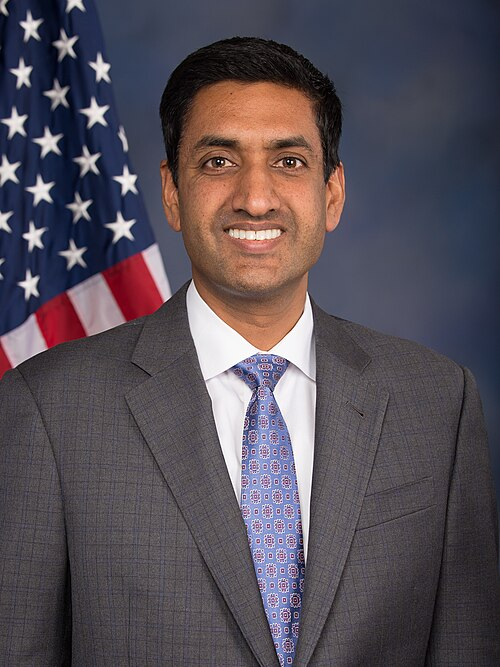
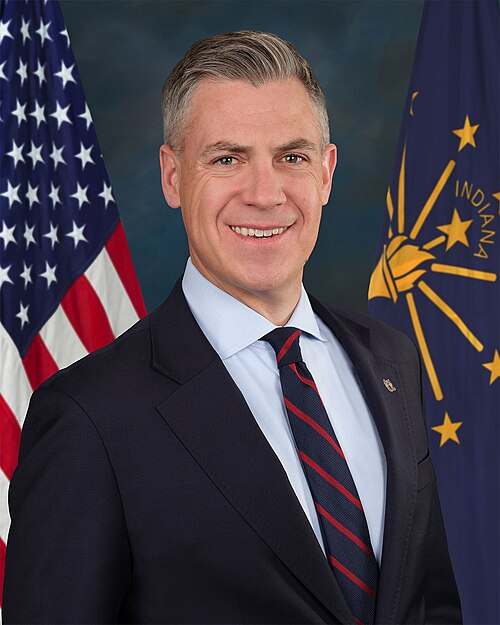
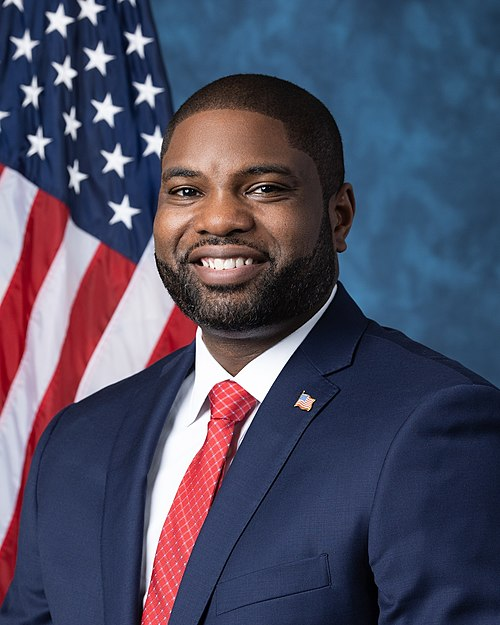
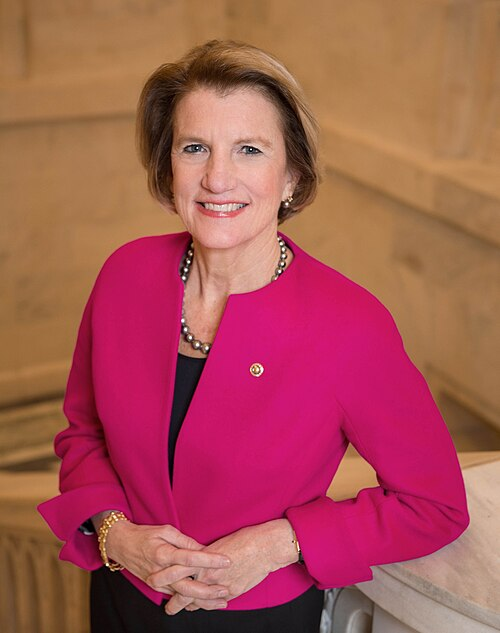
Sponsors
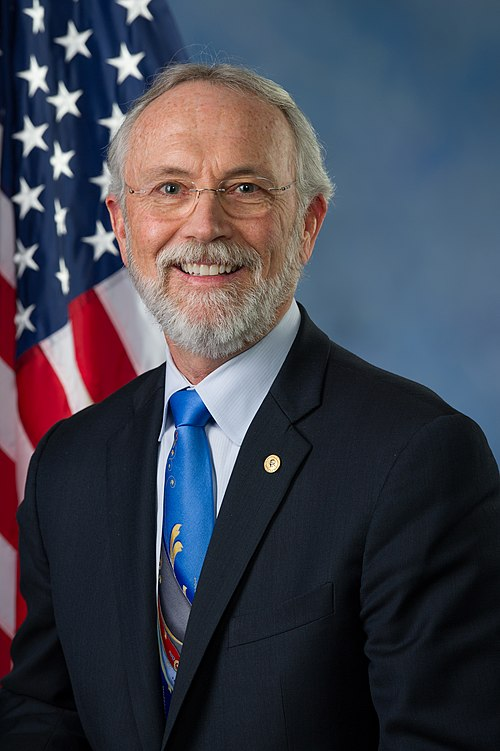
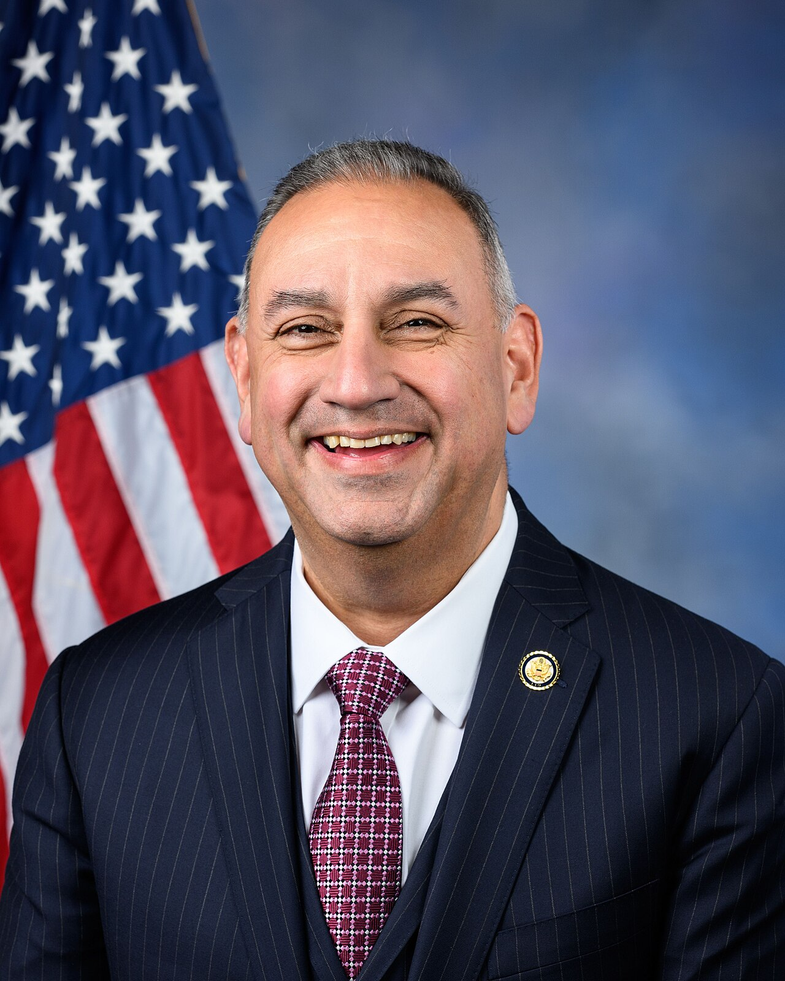
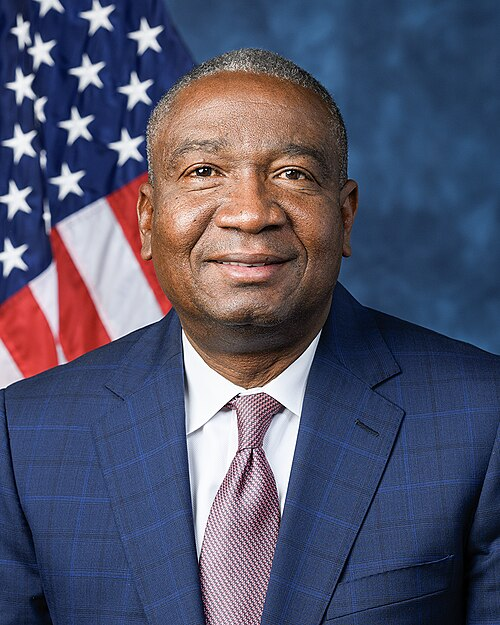
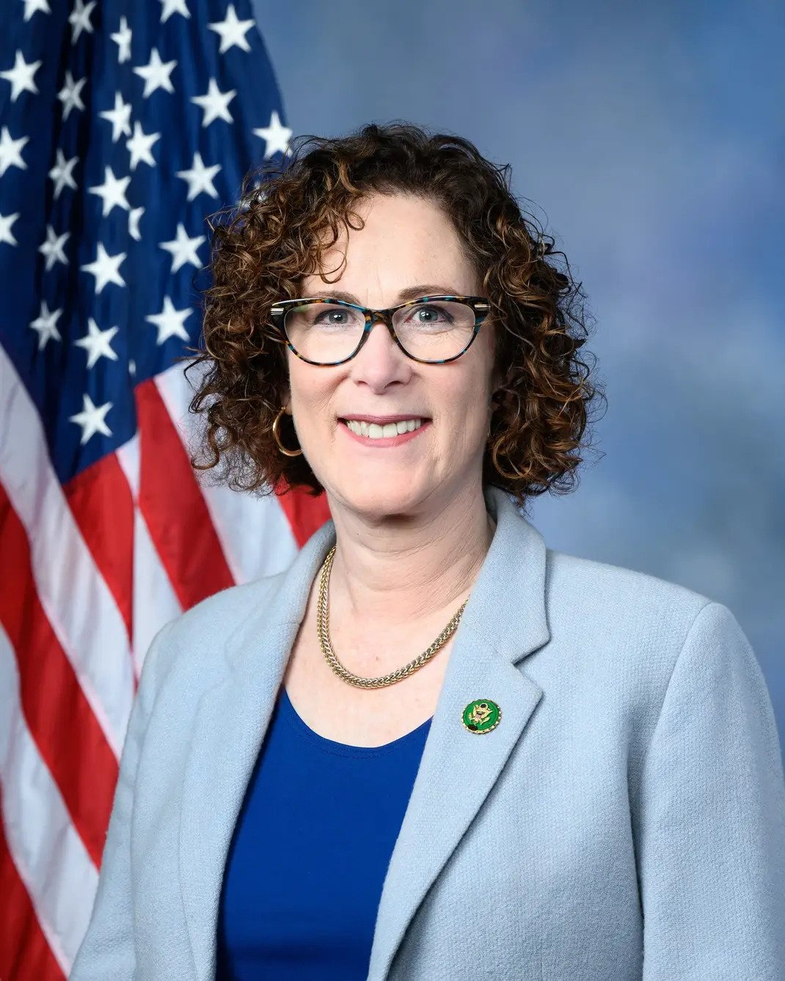
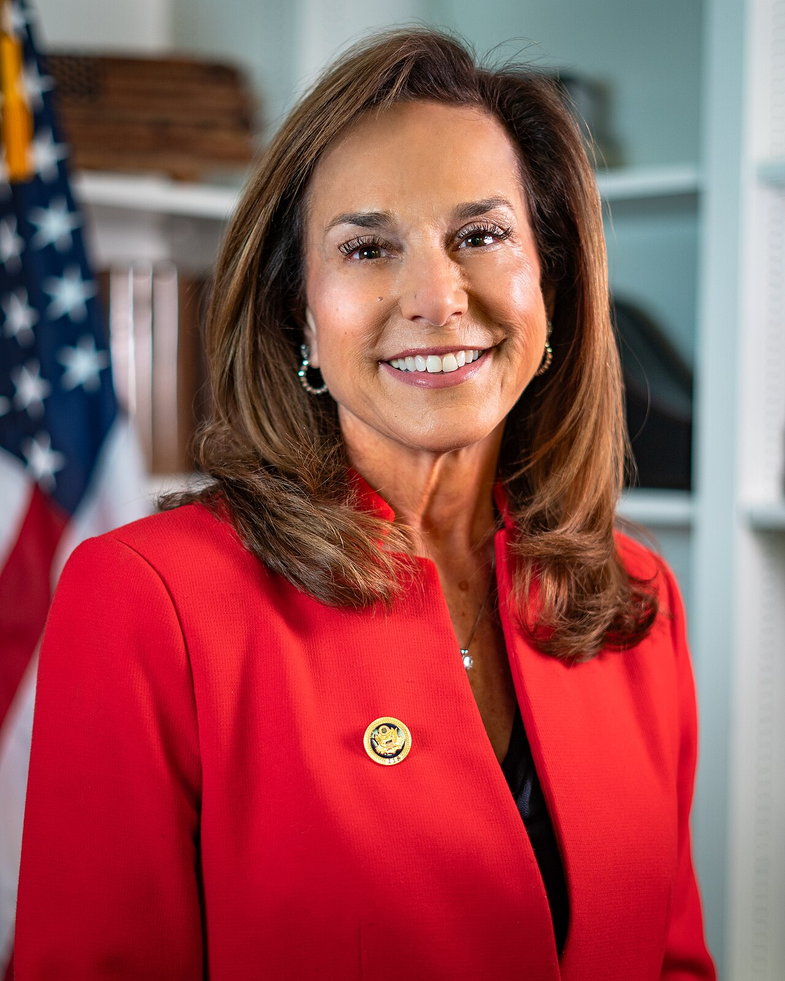
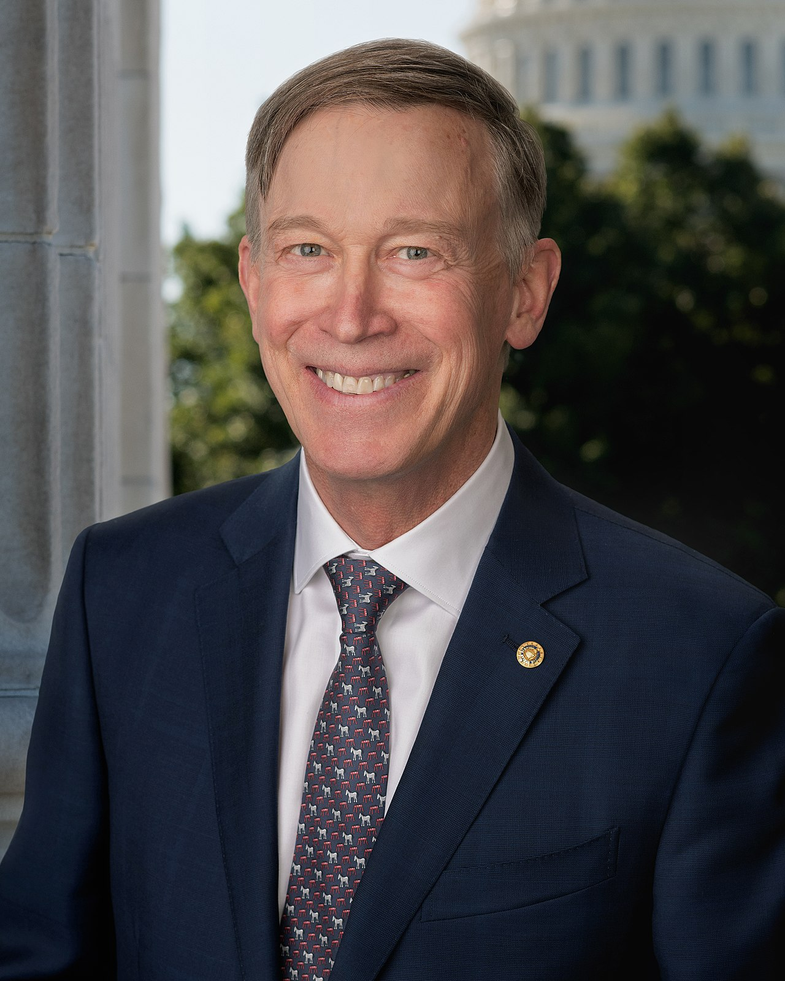
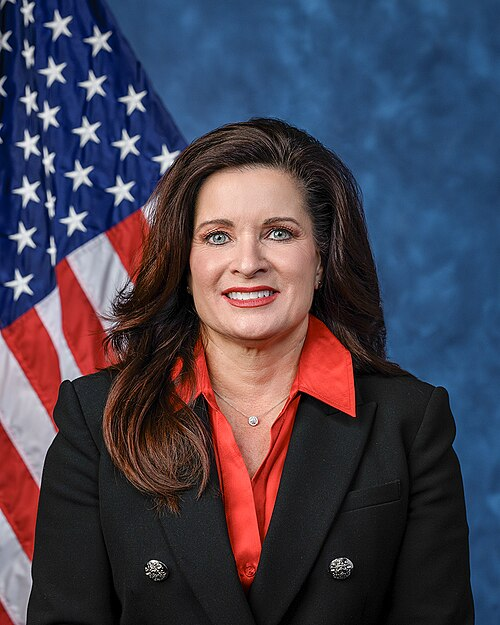
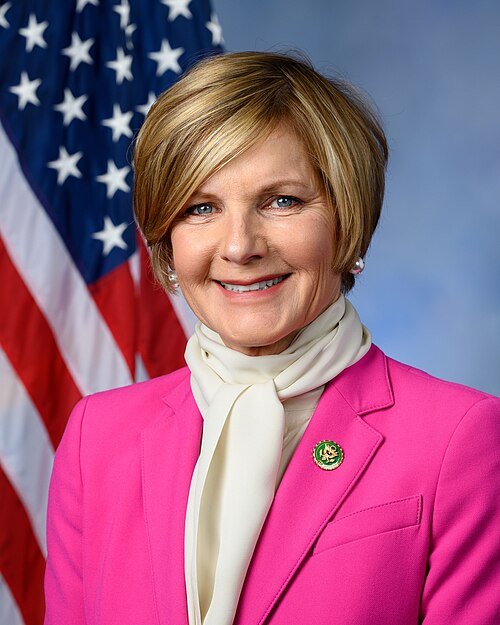
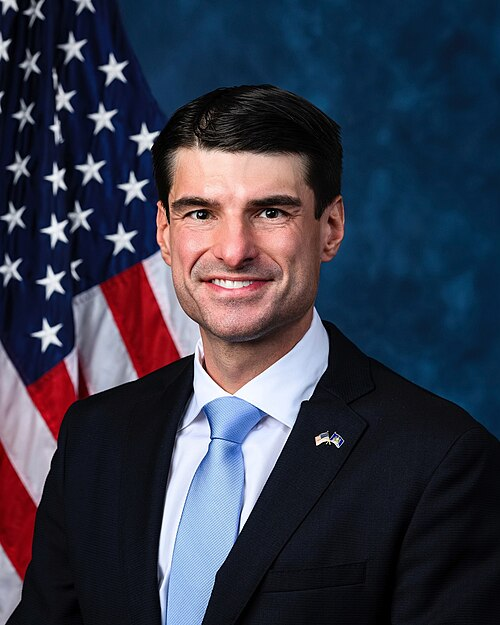
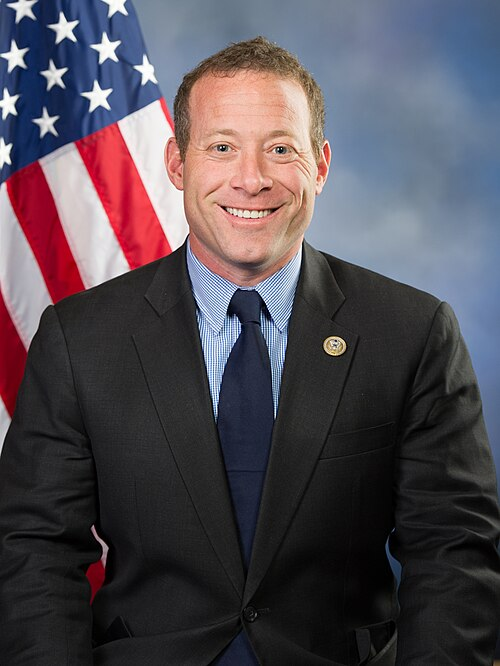
2 bill sponsors
Actions
2 actions
| Date | Action |
|---|---|
| Sep. 14, 2026 | Introduced in House |
| Sep. 14, 2026 | Referred to the House Committee on the Judiciary. |
Corporate Lobbying
0 companies lobbying
None found.
* Note that there can be significant delays in lobbying disclosures, and our data may be incomplete.