
H.R. 10349: Emergency Responders Mental Health Training Act
This bill would create a federal pilot program within the Department of Health and Human Services called the Public Safety Mental Health Fellowship Program. The goal is to train more mental health and substance use treatment professionals to better serve emergency responders such as firefighters, police officers, emergency medical workers, and related personnel.
What the program would do
- HHS would award fellowships, which could include stipends, to support advanced training for mental health and addiction treatment professionals.
- The training would focus on helping these professionals better understand the mental health and substance use needs of emergency response providers.
- The program is meant to:
- improve knowledge about prevention, treatment, and recovery support for emergency responders;
- improve the quality of mental health and substance use services available to them; and
- increase the number of professionals who are prepared to teach, provide services, do research, and work directly with emergency responders.
Who could receive training
The fellowships would support postbaccalaureate training, including master’s and doctoral-level training, for professionals in fields such as psychiatry, nursing, social work, psychology, marriage and family therapy, mental health counseling, and substance use disorder or addiction counseling.
How the bill defines the target professionals and population
- A trained professional would need to understand the duties and stressors of emergency responders, complete trauma-informed and culturally competent training, and understand confidentiality and testimonial privilege issues.
- “Emergency response provider” is defined broadly and includes federal, state, local, and nongovernmental personnel who provide emergency public safety, fire, law enforcement, emergency medical, hospital emergency, and related services.
Timing, funding, and oversight
- HHS would have to establish the program within one year after the bill becomes law.
- The bill authorizes $10 million per year for fiscal years 2028 through 2033 to carry out the program.
- HHS would have to report to Congress:
- within 2 years after the program starts, on how efficient it is and what effect it has on patient outcomes and system costs; and
- within 5 years, with an updated report.
- Those reports would need to describe the program’s design, how it was implemented, what issues it addressed, what strategies it developed, what successes and problems occurred, its effect on emergency responders’ health, and whether it should be renewed, changed, or ended.
Relevant Companies
None found
This is an AI-generated summary of the bill text. There may be mistakes.
Sponsors
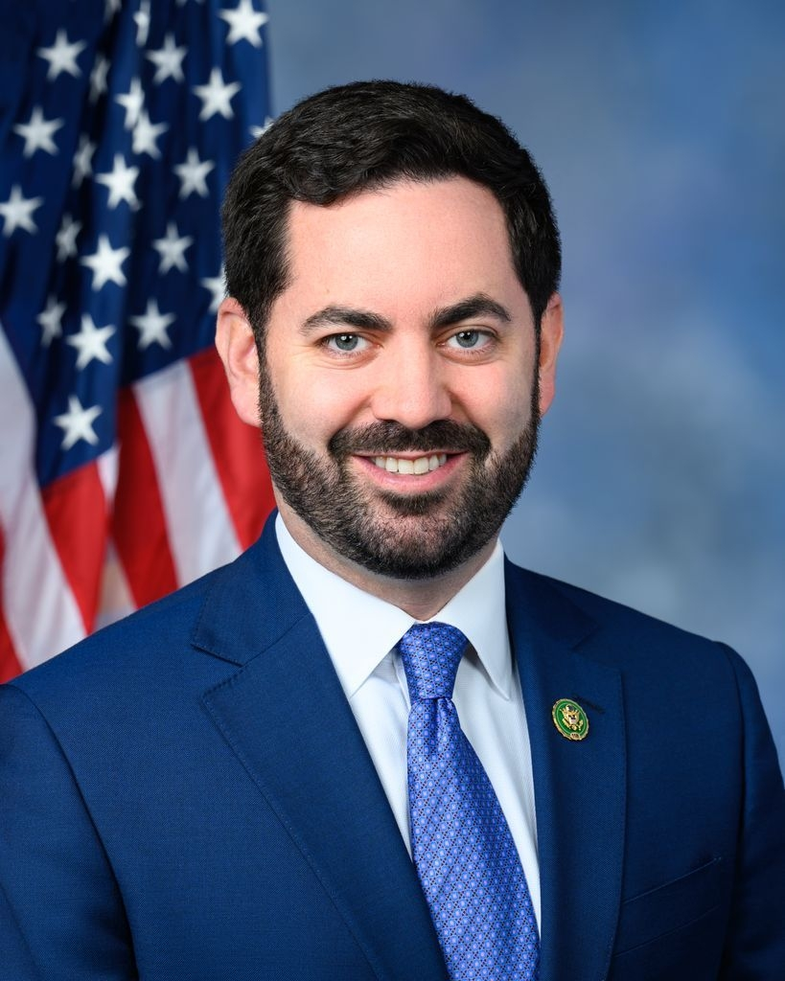
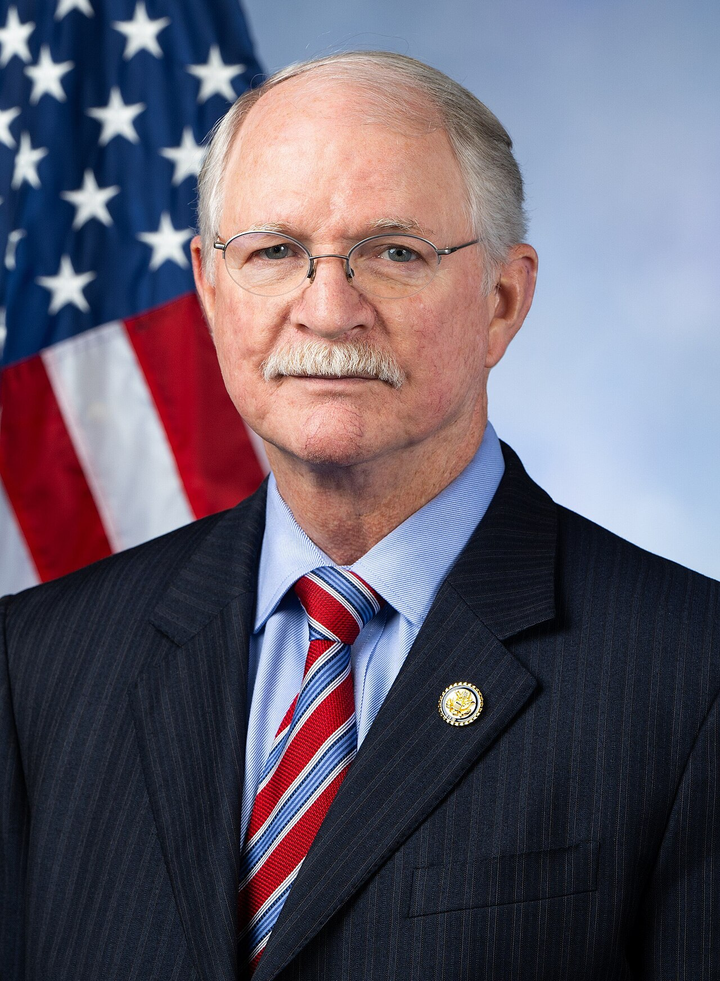
4 bill sponsors


Actions
2 actions
| Date | Action |
|---|---|
| Sep. 10, 2026 | Introduced in House |
| Sep. 10, 2026 | Referred to the House Committee on Energy and Commerce. |
Corporate Lobbying
0 companies lobbying
None found.
* Note that there can be significant delays in lobbying disclosures, and our data may be incomplete.
Potentially Relevant Congressional Stock Trades
No relevant congressional stock trades found.