
H.R. 10326: Preventing Rip-offs and Obtaining Oversight of Funds Act
This bill would make it easier for the U.S. Attorney General to request information from states when investigating or prosecuting fraud in certain government-funded programs. In simple terms, it creates a formal process for federal law enforcement to ask state agencies for records that may help uncover improper use of public funds.
What programs are covered
The bill applies to a set of programs that involve federal money administered by states, including:
- Medicaid
- SNAP food benefits
- TANF cash assistance
- State unemployment compensation programs
- Coronavirus aid funds, including emergency rental assistance and state/local recovery funds
- Elementary and secondary school emergency relief grants
- Broadband Equity, Access, and Deployment Program funds
- Community Development Block Grants
- FEMA public assistance and hazard mitigation grants
- State Small Business Credit Initiative funds
- Other state programs that the Attorney General identifies as vulnerable to fraud
What information states would have to provide
If the Attorney General sends a written request, the state would have to provide information needed for the fraud investigation or prosecution. The bill specifically mentions:
- Identity verification records
- Benefit payment or disbursement logs
- Provider billing statements
- Demographic information directly related to an active fraud investigation
- Other information the Attorney General determines is appropriate for the case
Privacy and security rules
The bill says the Justice Department must handle any information it receives under the law according to existing privacy protections, including the Privacy Act and, where relevant, HIPAA rules. It also requires the Attorney General to set security procedures so that transferred data is:
- Encrypted using standard methods
- Accessible only to authorized personnel
- Deleted after the related investigation or legal proceeding ends
The information could only be used for fraud-related law enforcement purposes, and not for unrelated administrative or commercial uses.
Reporting to Congress
Within one year after the law takes effect, and then once a year after that, the Attorney General would have to report to Congress on:
- How many information requests were sent to states
- Which programs those requests involved
- How many fraud investigations and convictions were based on the information obtained
When it would take effect
The bill would take effect 60 days after enactment.
Relevant Companies
None found
This is an AI-generated summary of the bill text. There may be mistakes.
Sponsors
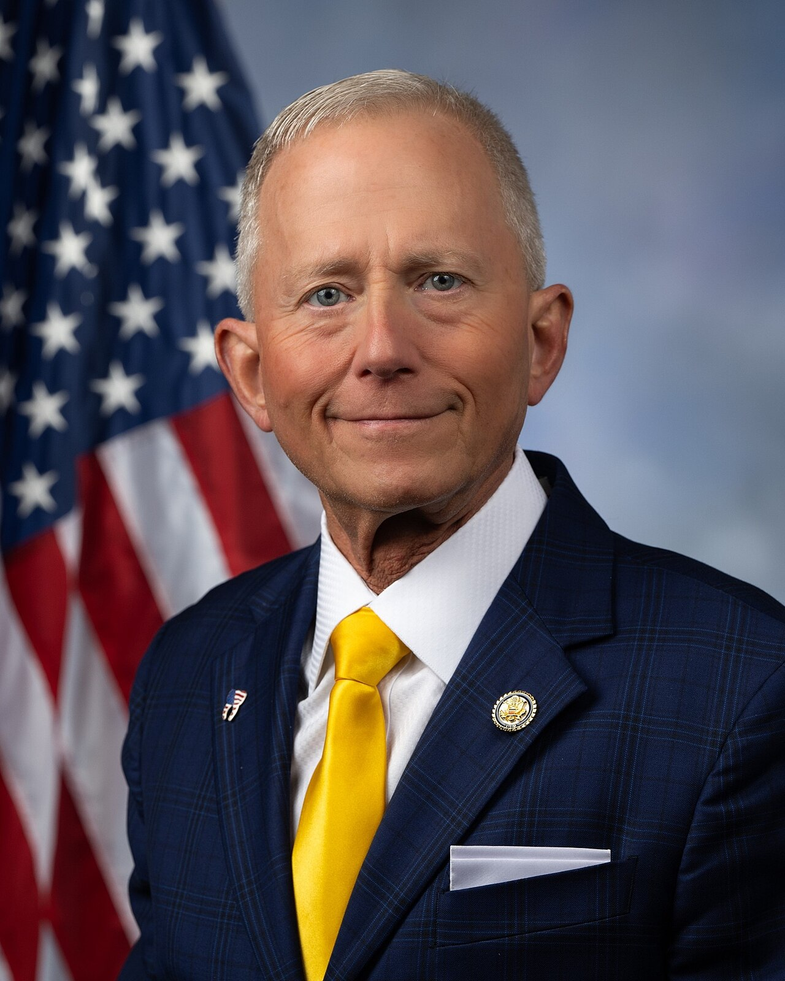
1 sponsor
Actions
2 actions
| Date | Action |
|---|---|
| Sep. 10, 2026 | Introduced in House |
| Sep. 10, 2026 | Referred to the House Committee on the Judiciary. |
Corporate Lobbying
0 companies lobbying
None found.
* Note that there can be significant delays in lobbying disclosures, and our data may be incomplete.
Potentially Relevant Congressional Stock Trades
No relevant congressional stock trades found.