
H.R. 10240: Behavioral Health Crisis Services Expansion Act of 2026
This bill would expand insurance and government health coverage for behavioral health crisis services—services for people experiencing a mental health or substance use crisis.
What counts as “crisis response services”
The bill defines these services broadly to include mental health or substance use care provided by:
- mobile crisis response teams,
- crisis receiving and stabilization facilities,
- mental health or substance use urgent care facilities, or
- other providers the Secretary of Health and Human Services approves.
It also defines certain facility types. For example, a crisis receiving and stabilization facility would need to be licensed or certified under state law, provide short-term observation and stabilization beds, offer services 24/7, accept patients regardless of ability to pay or certain other factors, allow referrals from law enforcement, emergency medical personnel, and family members, and keep average stays under 150 hours. A mental health or substance use urgent care facility would be a walk-in outpatient site where people can receive crisis assessment, intervention, medication, and help connecting to other services.
Medicare
The bill would add crisis response services to Medicare-covered outpatient services. Medicare would generally pay 80% of the allowed amount for these services, similar to other covered services. The Secretary of Health and Human Services would set the payment method for these services.
It would also require Medicare to cover ambulance or other qualified emergency transport for people in crisis so they can be taken to an appropriate facility for crisis care. This transportation coverage would begin three years after enactment.
Medicaid
The bill would make crisis response services a mandatory Medicaid benefit for states. States would have to cover these services, and crisis service providers would be allowed to make certain presumptive eligibility determinations. These Medicaid changes would generally take effect three years after enactment, with some delay allowed if a state needs new legislation to comply.
Private health insurance
The bill would require group health plans and both group and individual health insurance issuers to cover crisis response services. It would also require that:
- cost-sharing for these services cannot be more restrictive than for most other medical and surgical benefits, and
- coverage limits cannot be more restrictive than those applied to most other medical and surgical benefits.
Similar requirements would be added to federal laws governing employer plans, including ERISA and the Internal Revenue Code. These private insurance changes would apply to plan years beginning three years after enactment.
TRICARE, veterans, FEHB, and CHIP
The bill would also require or expand coverage of crisis response services in several other programs:
- TRICARE for military health coverage,
- VA-related reimbursement for veterans in certain situations,
- Federal Employees Health Benefits (FEHB) plans, and
- CHIP for children’s health coverage.
Some of these changes would take effect after a three-year delay, and FEHB coverage would begin with the third contract year starting at least three years after enactment.
Relevant Companies
None found
This is an AI-generated summary of the bill text. There may be mistakes.
Sponsors
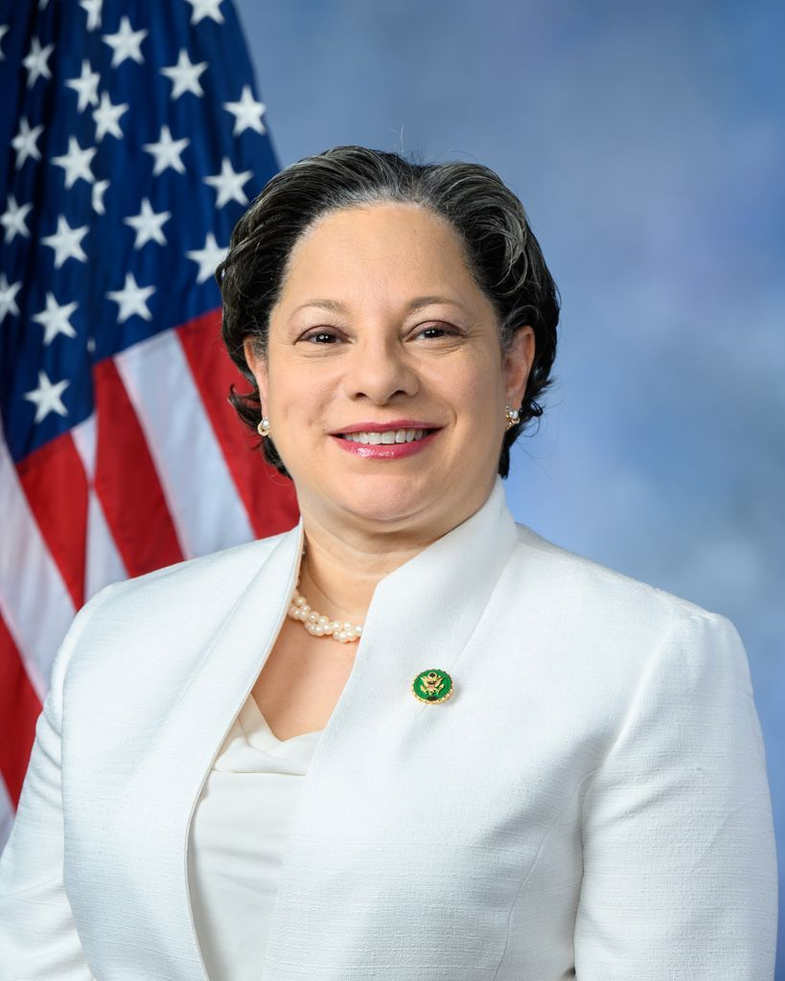
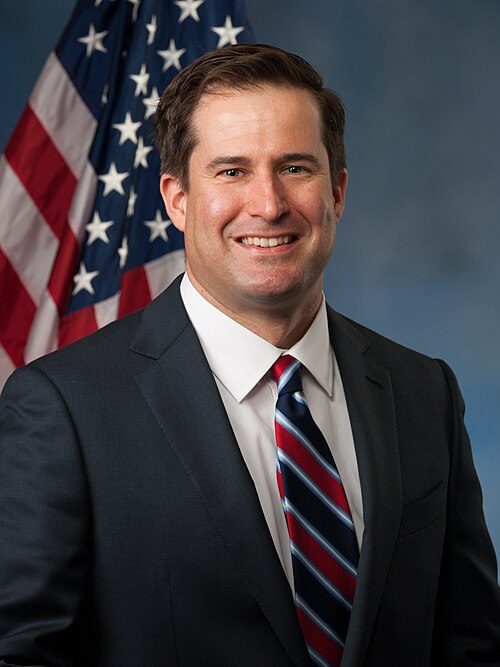
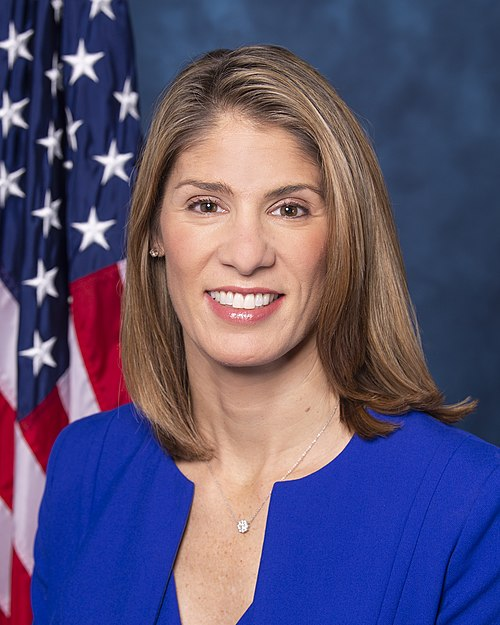
6 bill sponsors



Actions
3 actions
| Date | Action |
|---|---|
| Sep. 10, 2026 | Referred to the Subcommittee on Health. |
| Sep. 03, 2026 | Introduced in House |
| Sep. 03, 2026 | Referred to the Committee on Energy and Commerce, and in addition to the Committees on Ways and Means, Armed Services, Veterans' Affairs, Oversight and Government Reform, and Education and Workforce, for a period to be subsequently determined by the Speaker, in each case for consideration of such provisions as fall within the jurisdiction of the committee concerned. |
Corporate Lobbying
0 companies lobbying
None found.
* Note that there can be significant delays in lobbying disclosures, and our data may be incomplete.
Potentially Relevant Congressional Stock Trades
No relevant congressional stock trades found.