
H.R. 10231: No Homeless Detention Centers Act
This bill would bar certain organizations that receive funding from the Department of Housing and Urban Development (HUD) from using threats or penalties to force homeless people into shelters or other housing facilities.
What it would prohibit
If an organization gets HUD funds, it could not:
- Force a homeless person to go live in a shelter or housing facility by threatening arrest, fines, or other punishment.
- Require a person to work in order to stay in a homeless shelter or housing facility.
- Punish someone for doing basic life-sustaining activities in public, such as sleeping, sitting, standing, eating, drinking, resting, or protecting themselves from the weather.
- Help state or local police, or private contractors acting under federal authority or receiving federal funds, punish a homeless person for those life-sustaining activities in public.
How the bill defines key terms
The bill gives broad definitions to several terms:
- Homeless person would mean the same as under the McKinney-Vento Homeless Assistance Act.
- Life-sustaining activities would include basic actions needed to stay alive and safe, such as moving, resting, sitting, standing, lying down, sleeping, eating, drinking, and storing essential belongings.
- Public property would include many places owned or leased by government entities, such as sidewalks, parks, plazas, parking lots, underpasses, public buildings, and transit facilities.
- Punishment would include arrest, fines, physical violence, loss of privileges like a driver’s license, and legal restrictions such as involuntary commitment, conservatorship, or guardianship.
What the findings section says
The bill also includes a long section of congressional findings describing why the sponsors say the bill is needed. It says homelessness is rising due to many causes, and argues that some cities and states have responded by criminalizing camping or related conduct. It also discusses examples of state and federal policies the bill’s sponsors view as creating pressure to place homeless people in restricted facilities.
Practical effect
In practical terms, the bill would tie HUD funding to rules preventing the forced placement of homeless people into shelters or camps and preventing punishment for basic activities associated with homelessness in public places. It would not itself create new housing programs or benefits; instead, it would restrict certain actions by HUD-funded entities and those working with them.
Relevant Companies
None found
This is an AI-generated summary of the bill text. There may be mistakes.
Sponsors
21 bill sponsors
-
TrackMaxwell Frost

Sponsor
-
TrackYassamin Ansari
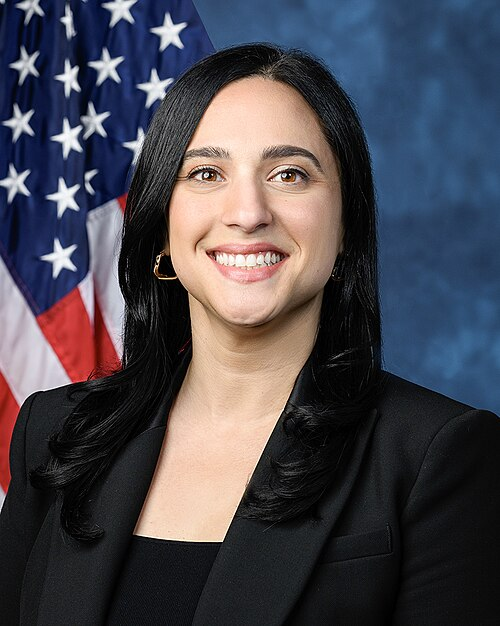
Co-Sponsor
-
TrackJoyce Beatty
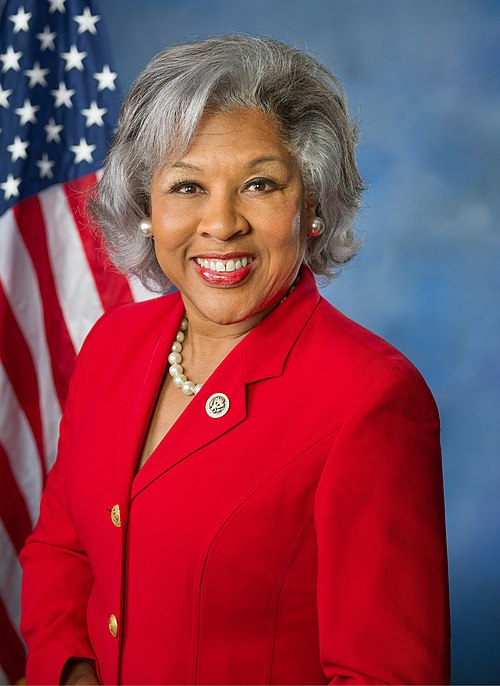
Co-Sponsor
-
TrackSuzanne Bonamici
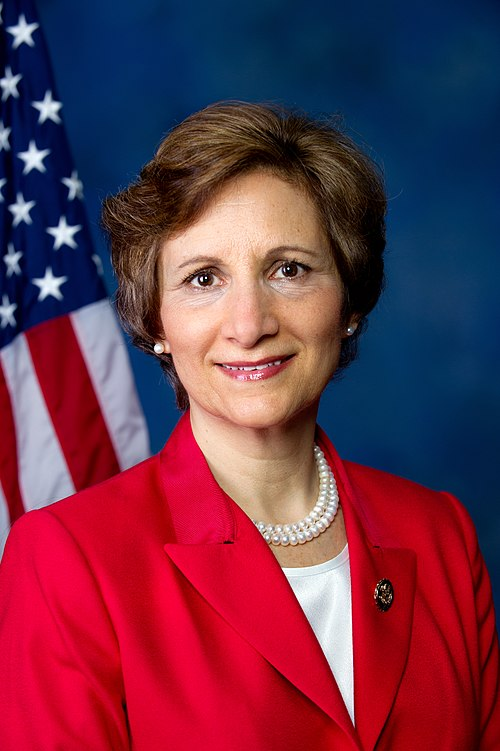
Co-Sponsor
-
TrackTroy A. Carter
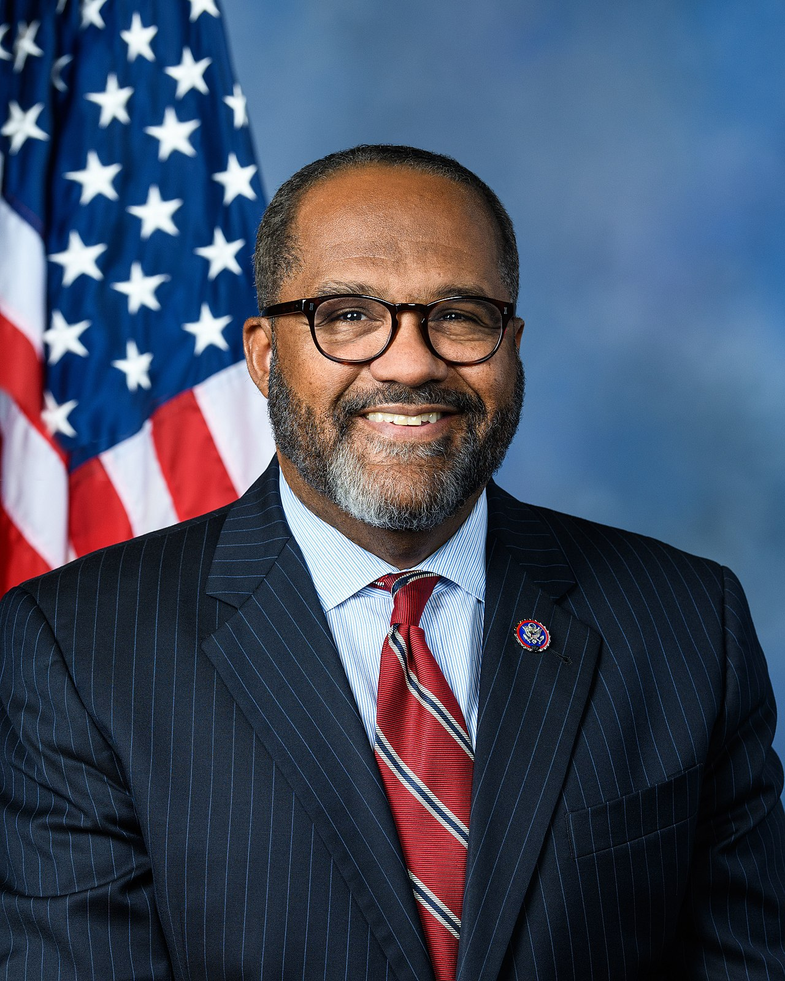
Co-Sponsor
-
TrackGreg Casar

Co-Sponsor
-
TrackYvette D. Clarke

Co-Sponsor
-
TrackMaxine Dexter

Co-Sponsor
-
TrackJesús G. "Chuy" García
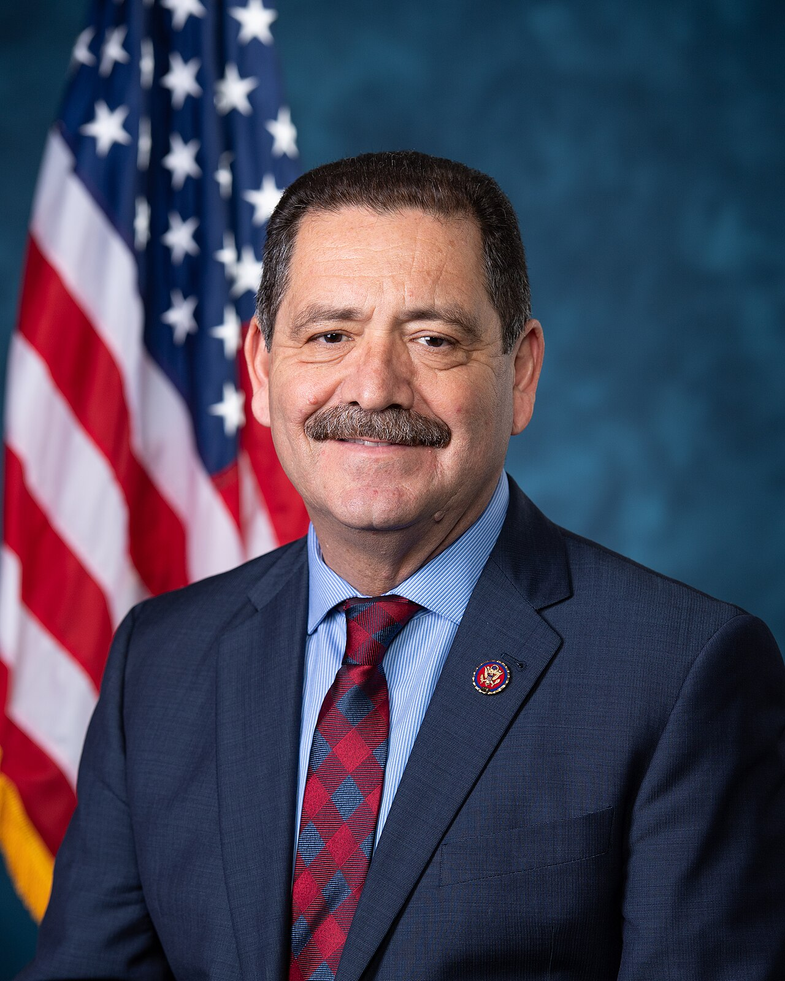
Co-Sponsor
-
TrackPramila Jayapal

Co-Sponsor
-
TrackHenry C. "Hank" Johnson, Jr.

Co-Sponsor
-
TrackSummer L. Lee

Co-Sponsor
-
TrackJames P. McGovern
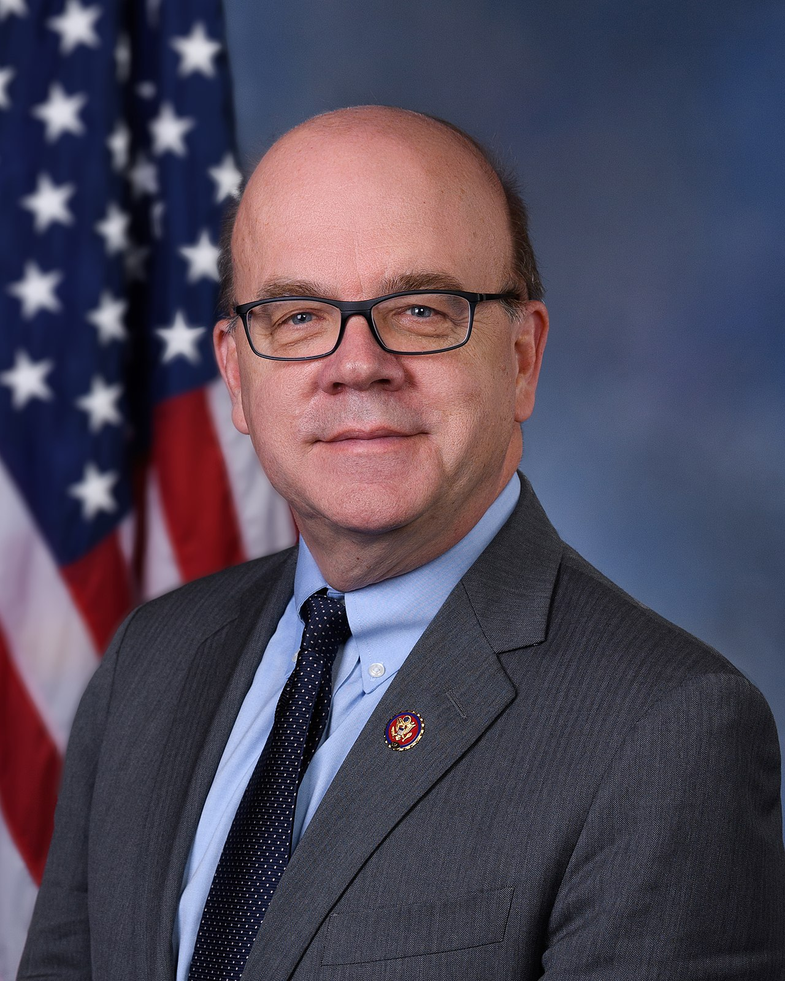
Co-Sponsor
-
TrackLaMonica McIver

Co-Sponsor
-
TrackEleanor Holmes Norton

Co-Sponsor
-
TrackIlhan Omar

Co-Sponsor
-
TrackDelia C. Ramirez

Co-Sponsor
-
TrackLateefah Simon

Co-Sponsor
-
TrackRashida Tlaib
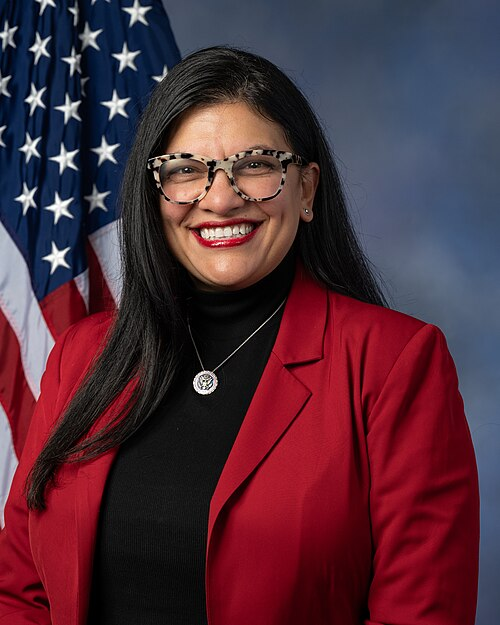
Co-Sponsor
-
TrackFrederica S. Wilson

Co-Sponsor
-
Tracknan

Co-Sponsor
Actions
2 actions
| Date | Action |
|---|---|
| Sep. 02, 2026 | Introduced in House |
| Sep. 02, 2026 | Referred to the House Committee on Financial Services. |
Corporate Lobbying
0 companies lobbying
None found.
* Note that there can be significant delays in lobbying disclosures, and our data may be incomplete.
Potentially Relevant Congressional Stock Trades
No relevant congressional stock trades found.