
H.R. 10221: Flock-Off Act
This bill would stop federal money from being used for certain “covered camera systems” and related technology. In practical terms, it targets systems that automatically read license plates or capture people’s images and use machine learning or similar tools to process that information and send it to a remote or cloud-based system.
What is covered
The bill defines a covered camera system broadly. It includes fixed, mobile, or portable cameras or other electronic devices that:
- automatically capture images of vehicles or license plates and extract information from them, or
- automatically capture images of people and extract biometric data such as facial images, voiceprints, fingerprints, iris or retinal scans, or gait patterns.
The bill also covers associated components, such as related hardware, software, databases, communications networks, cloud services, and data analysis platforms used with these systems.
Federal funding restrictions
The bill would prohibit federal funds from being used, directly or indirectly, to:
- buy, lease, install, operate, maintain, repair, replace, or upgrade a covered camera system or its components;
- enter into or continue contracts, subscriptions, licenses, data-sharing agreements, or similar arrangements involving these systems or access to their data;
- pay for related hardware, software, cloud storage, network connectivity, technical support, data analysis, or system integration; or
- reimburse or subsidize spending on any of the above.
This restriction applies not only to federal agencies, but also to state, local, and tribal governments and other recipients or subrecipients of federal funds.
What would happen to existing systems
Within 180 days after enactment:
- federal agencies would have to decommission and remove any covered camera system or related component paid for in whole or in part with federal funds;
- state, local, tribal, and other recipients of federal funds would have to stop operating any such federally funded systems; and
- they would have to end, or not renew, any related agreements that are funded in whole or in part under the relevant federal program.
If a recipient uses federal funds in violation of the bill, the agency providing the money would have to withhold further funds until the recipient repays the federal Treasury for the amount improperly spent.
Exceptions
The bill would allow two narrow exceptions:
- Border security exception: systems within one mile of the northern or southern border, owned or operated by Customs and Border Protection or another federal law enforcement agency, or by local law enforcement under a written agreement with CBP, if used mainly for border security or to detect unlawful entry, human trafficking, drug trafficking, alien smuggling, or other transnational crime.
- Tolling exception: certain federal highway funds could still be used for systems used only to collect, administer, or enforce tolls, as long as the data is used only for that purpose.
Relevant Companies
- None found
This is an AI-generated summary of the bill text. There may be mistakes.
Sponsors
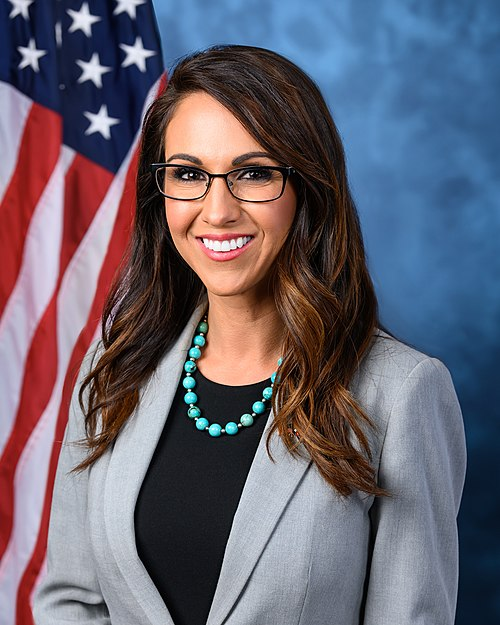
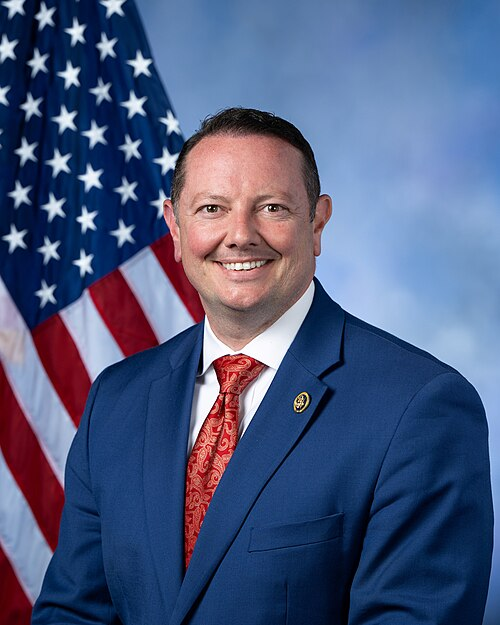
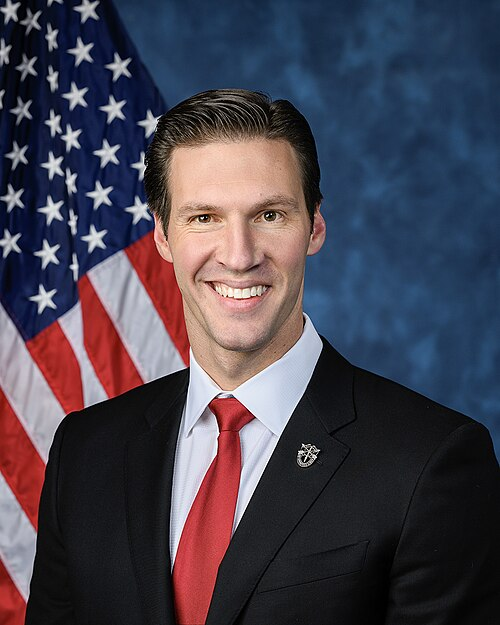
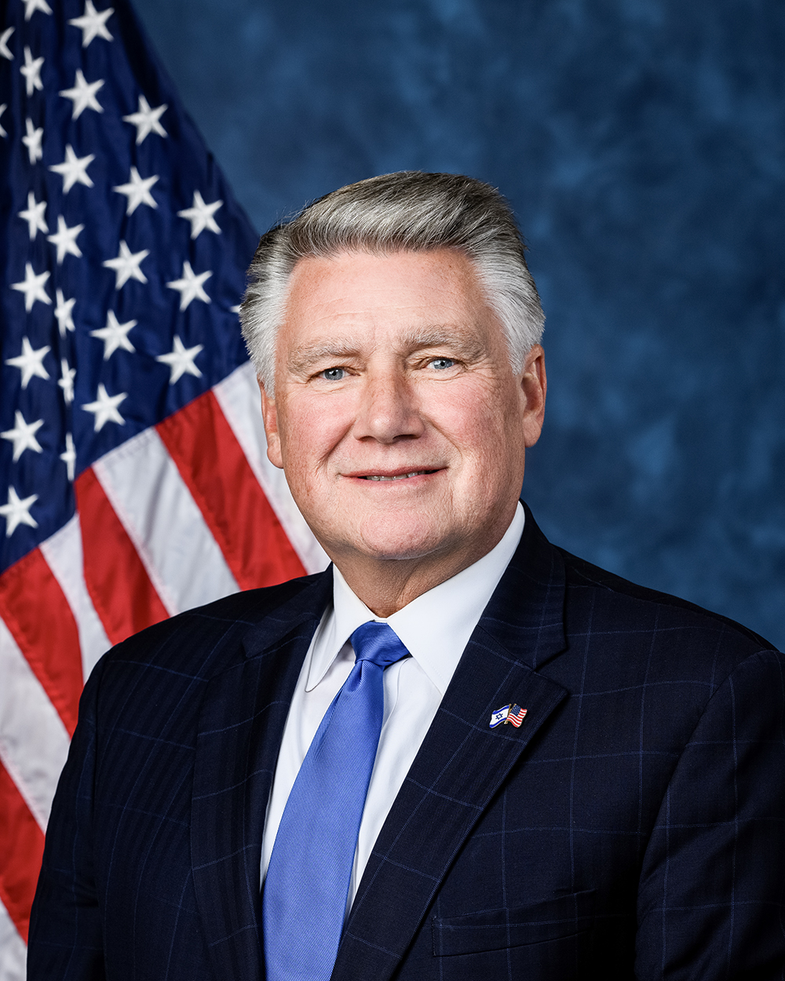
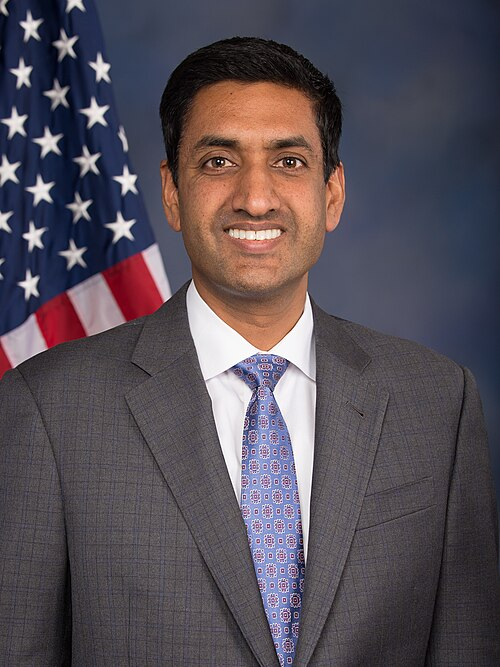
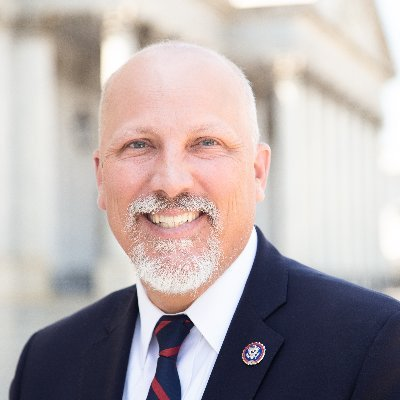
9 bill sponsors



Actions
2 actions
| Date | Action |
|---|---|
| Sep. 02, 2026 | Introduced in House |
| Sep. 02, 2026 | Referred to the House Committee on Oversight and Government Reform. |
Corporate Lobbying
0 companies lobbying
None found.
* Note that there can be significant delays in lobbying disclosures, and our data may be incomplete.
Potentially Relevant Congressional Stock Trades
No relevant congressional stock trades found.