H.R. 10210: Doctors Not AI Act of 2026
This bill would set rules for how health insurers and group health plans can use artificial intelligence when deciding whether to approve or deny coverage for medical care.
What the bill covers
The bill applies to group health plans and health insurance issuers offering group or individual coverage. It defines an “artificial intelligence system” broadly to include algorithms, predictive models, machine learning systems, and other automated decision tools that help determine coverage for health care items or services.
Main rule: humans must make coverage decisions involving clinical judgment
For coverage decisions that require medical judgment, the bill would say that:
- an AI system cannot make the decision or dictate the outcome;
- the decision must be made by a licensed health care professional acting within their license;
- that professional must use independent clinical judgment based on the person’s individual medical situation;
- the professional cannot treat AI output as automatically correct or substitute it for their own judgment.
This applies both to initial denials or reductions of coverage and to internal appeals.
Notice and record-keeping requirements
If AI was used anywhere in the review process, the insurer or plan would have to tell the patient in the denial notice:
- that AI was used;
- what role the AI played in the review;
- the name, license, and credentials of the licensed health care professional who made the decision.
The plan or insurer would also have to keep documentation in the administrative record showing:
- which AI system was used;
- how it was used;
- any outputs, scores, recommendations, or determinations it produced;
- documents showing the decision complied with the requirement for independent human clinical judgment.
These materials would be treated as part of the administrative record and made available to the enrollee or participant upon request.
How it affects mental health and substance use disorder coverage rules
The bill would also change the federal rules on mental health and substance use disorder parity. It would require plans to disclose whether AI is used in designing, applying, or administering certain coverage limits, and to provide enough information for federal regulators to evaluate the AI’s function, operation, and effects compared with medical and surgical benefits.
It would also state that using AI in utilization review counts as a “treatment limitation.” In practice, that means AI-based review practices would be treated as part of the coverage-limit analysis under parity rules.
When the bill would take effect
The changes would apply starting with plan years that begin on or after January 1 of the first calendar year that starts at least 12 months after the bill is enacted.
Relevant Companies
- UNH — UnitedHealth Group, a major health insurer and health services company that uses automated tools in claims and utilization review.
- HUM — Humana, a large insurer that could need to change how it uses AI in coverage review and appeals.
- ELV — Elevance Health, which offers health insurance products that could be affected by new review and disclosure requirements.
- CI — Cigna, a health insurer and benefits administrator that may need to adjust claims review processes.
- CVS — CVS Health, through its insurance and pharmacy benefit operations, could be affected if AI tools are used in coverage decisions.
- CI — Cigna, including its health plan and benefits administration operations, could face changes in AI-assisted utilization review.
This is an AI-generated summary of the bill text. There may be mistakes.
Sponsors
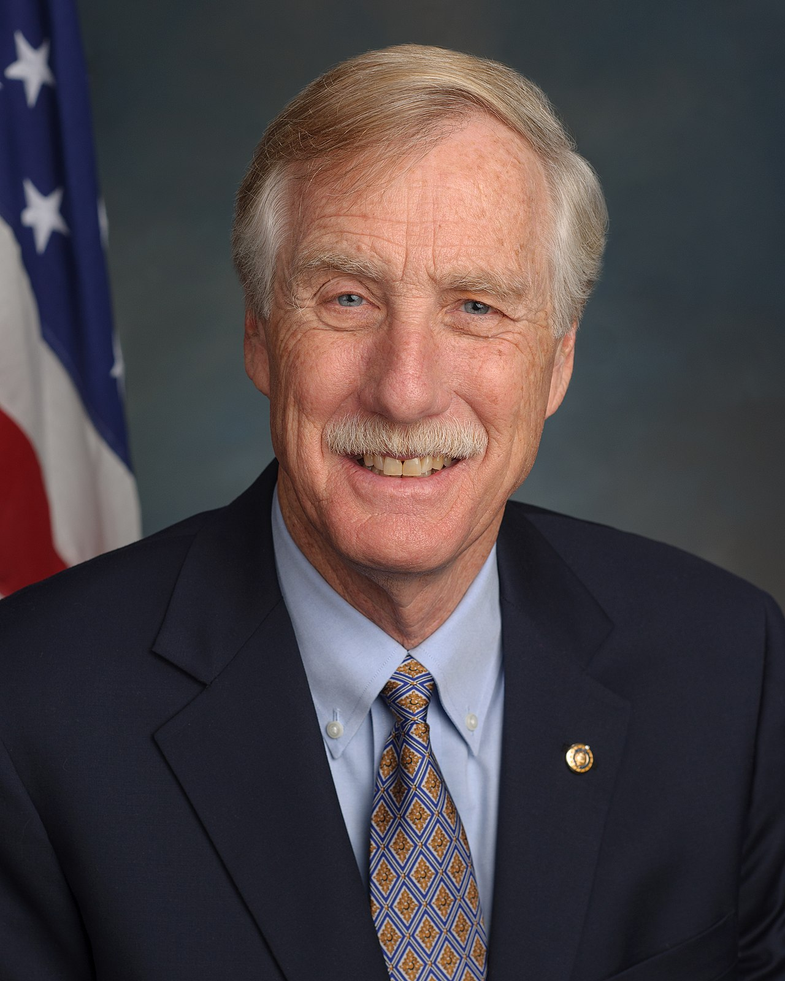
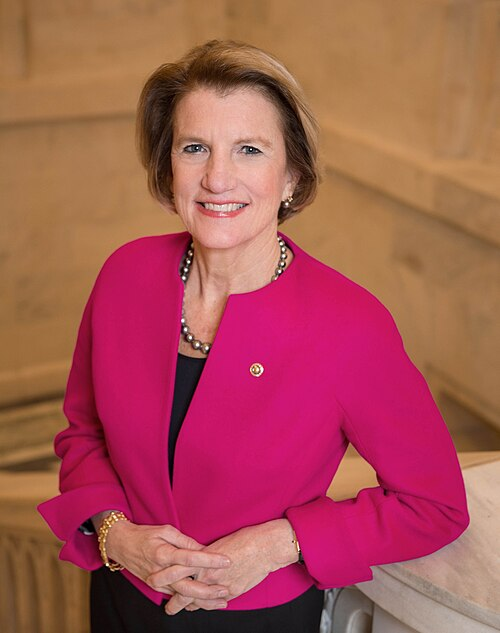
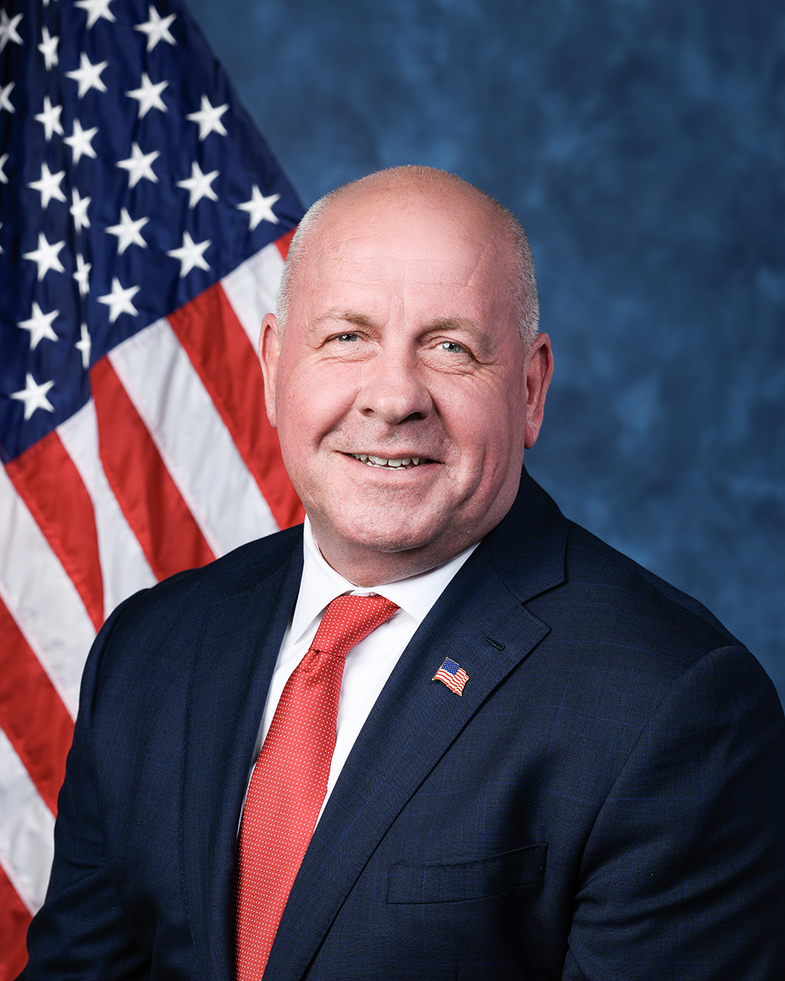
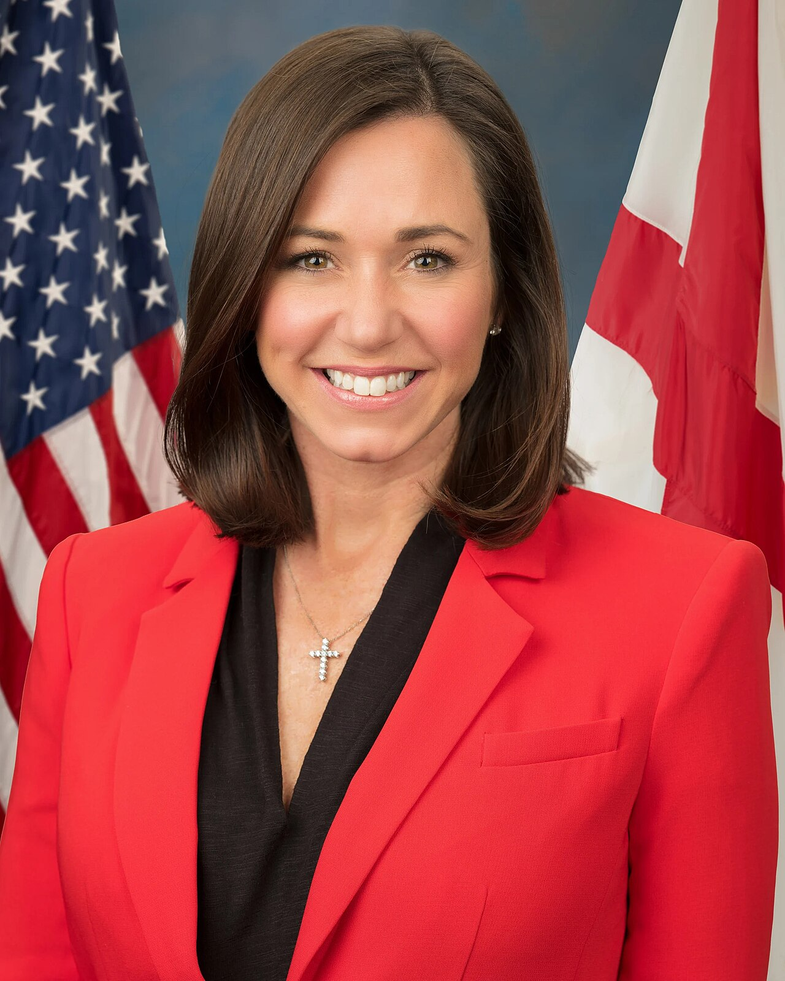
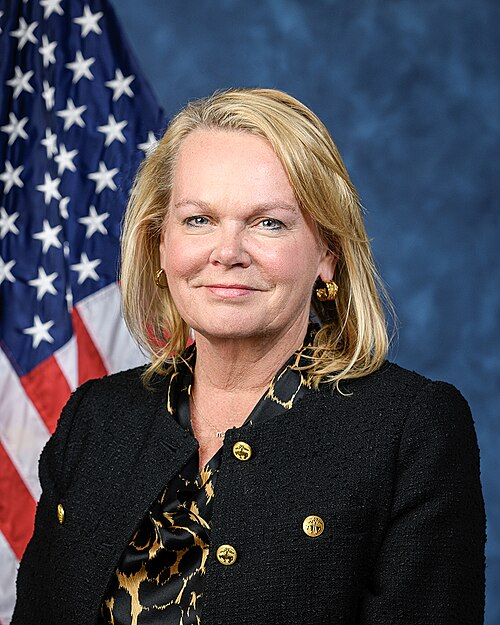
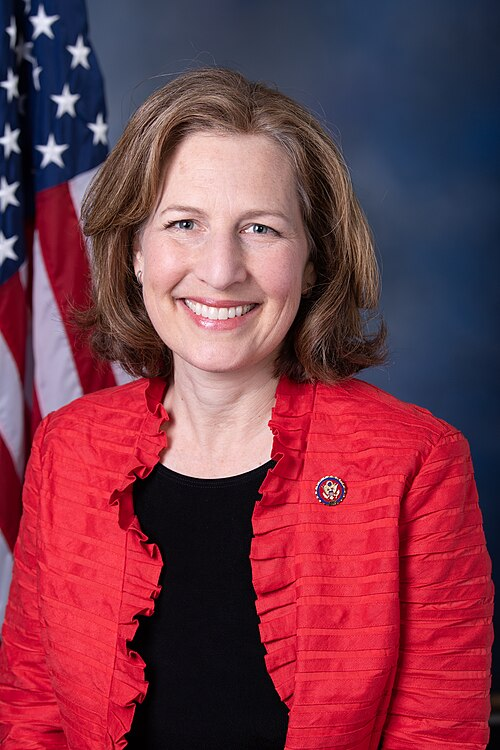
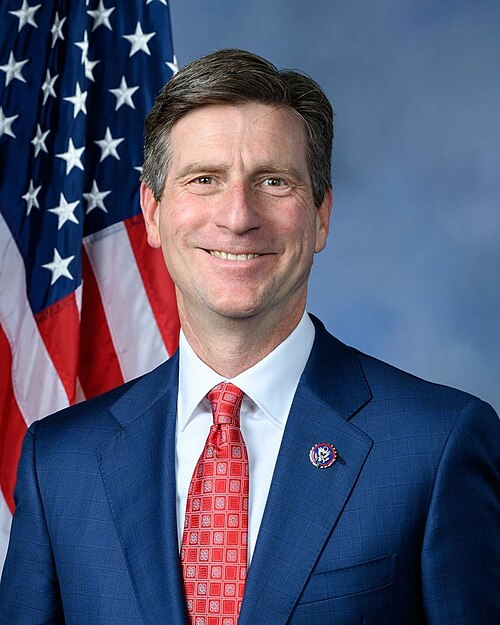
7 bill sponsors
Actions
2 actions
| Date | Action |
|---|---|
| Sep. 01, 2026 | Introduced in House |
| Sep. 01, 2026 | Referred to the Committee on Energy and Commerce, and in addition to the Committees on Ways and Means, and Education and Workforce, for a period to be subsequently determined by the Speaker, in each case for consideration of such provisions as fall within the jurisdiction of the committee concerned. |
Corporate Lobbying
0 companies lobbying
None found.
* Note that there can be significant delays in lobbying disclosures, and our data may be incomplete.