
H.R. 10199: Sell Your Stocks or Step Down Act
This bill would create a new federal rule that bars certain high-level government officials from owning or trading a broad range of financial investments while they are in office.
Who would be covered
The restrictions would apply to:
- The President and Vice President
- Members of Congress and congressional employees
- Senior executive branch officials, including agency heads, very senior career officials, certain special government employees, and top staff such as chiefs of staff
- Federal judges, including Supreme Court justices, other federal judges, bankruptcy judges, and magistrate judges
- The spouses and dependent children of some of these covered individuals
What they would be barred from owning or trading
Covered individuals would generally be prohibited from directly or indirectly owning or trading “covered investments,” which includes:
- Stocks and other securities
- Commodities and futures
- Digital assets, including cryptocurrencies
- Prediction-style “event contracts”
- Similar economic interests obtained through derivatives or other synthetic arrangements, such as options and warrants
The bill does not treat some things as covered investments, including:
- Diversified, publicly traded mutual funds or similar broadly held funds
- U.S. Treasury securities
- State and local government bonds
- Spouses’ or dependent children’s compensation from their employer
- Interests in small businesses
- Certain real estate entities used only for a personal residence
- Some Alaska Native settlement stock
What current officials would have to do
If the bill became law, people already in these positions would have to sell any covered investments within 30 days of enactment. People who become covered later would have 30 days after taking office or entering the covered role to sell.
They would also be barred from buying new covered investments while serving. If they receive such an investment later by inheritance or another non-purchase method, they would generally have 30 days to sell it.
Special rule for spouses and dependent children
A spouse or dependent child may still trade covered investments if:
- The investments are not owned by the covered official, and
- The trading is part of the spouse’s or child’s primary occupation
Taxes and enforcement
The bill says the usual tax deferral rule for certain forced sales would not apply to these required divestitures.
It also sets penalties for violations:
- If someone misses the divestment deadline, they would owe a daily fee equal to 10% of the value of the covered investments still held, up to a maximum of 50% of that value
- If someone buys or trades a covered investment in violation of the ban, they could be required to pay the value of the investment plus $10,000, and give up any profits from the transaction
The relevant ethics office would be able to investigate, request records, subpoena financial institutions for relevant documents, and refer cases to inspectors general or the Attorney General. It could also collect unpaid penalties by offsetting federal pay or pensions, and the Department of Justice could sue to recover amounts owed.
Each ethics office would also have to publish information about assessed fines, why they were assessed, and the outcome.
Relevant Companies
- None found
This is an AI-generated summary of the bill text. There may be mistakes.
Sponsors
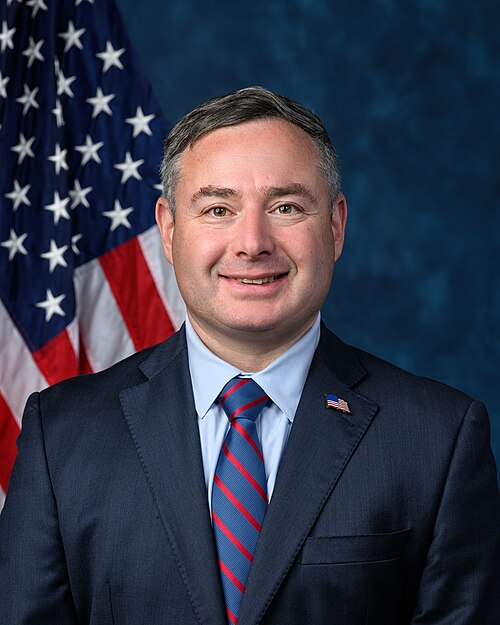
1 sponsor
Actions
2 actions
| Date | Action |
|---|---|
| Aug. 31, 2026 | Introduced in House |
| Aug. 31, 2026 | Referred to the Committee on Oversight and Government Reform, and in addition to the Committees on House Administration, the Judiciary, and Ways and Means, for a period to be subsequently determined by the Speaker, in each case for consideration of such provisions as fall within the jurisdiction of the committee concerned. |
Corporate Lobbying
0 companies lobbying
None found.
* Note that there can be significant delays in lobbying disclosures, and our data may be incomplete.
Potentially Relevant Congressional Stock Trades
No relevant congressional stock trades found.