
H.R. 10195: Mali Security Partnership and Counterterrorism Act
This bill would require the Secretary of State to prepare a report and a diplomatic strategy on how the United States can respond to al-Qaeda’s growth in Mali.
What the bill requires
Within 180 days after the bill becomes law, the State Department, working with other relevant federal agencies, would have to send a report to the House Foreign Affairs Committee and the Senate Foreign Relations Committee.
The report would cover:
- How much influence al-Qaeda has in Mali, including areas it may effectively control or operate in freely.
- How al-Qaeda may be working with extremist groups in nearby countries such as Burkina Faso and Niger.
- How the group recruits people, including by exploiting local grievances, ethnic tensions, poverty, and displacement.
- How it raises money through taxation, extortion, illicit trade, and outside support networks.
- Whether al-Qaeda’s presence in Mali is growing, shrinking, or breaking apart.
- How illegal gold mining, transport, and export networks may be helping finance terrorist groups.
- How coercive taxes, protection payments, or control of mines may be used to generate revenue.
- Which transport routes, facilitators, and financial middlemen are involved in the illegal gold trade linked to extremist financing.
- What the United States and other countries are already doing to stop mineral-based financing, and what more could be done.
- How current sanctions on entities in Mali affect the government’s ability to fight terrorist groups.
Diplomatic strategy
The report would also have to include a U.S. diplomatic strategy for countering al-Qaeda’s influence in Mali. That strategy would need to address:
- Possible bilateral and multilateral diplomatic steps to limit al-Qaeda’s movement and influence.
- Coordination with regional partners and international organizations to improve cross-border cooperation and information sharing.
- Ways to address governance, economic, and security conditions that may contribute to recruitment and financing.
- Measures for judging whether U.S. diplomatic efforts are effective.
Practical effect
In practice, the bill does not itself impose sanctions, authorize military action, or create a new program. It mainly directs the executive branch to study the problem and present a strategy for U.S. diplomatic and counterterrorism engagement related to Mali and the wider region.
Relevant Companies
None found
This is an AI-generated summary of the bill text. There may be mistakes.
Sponsors
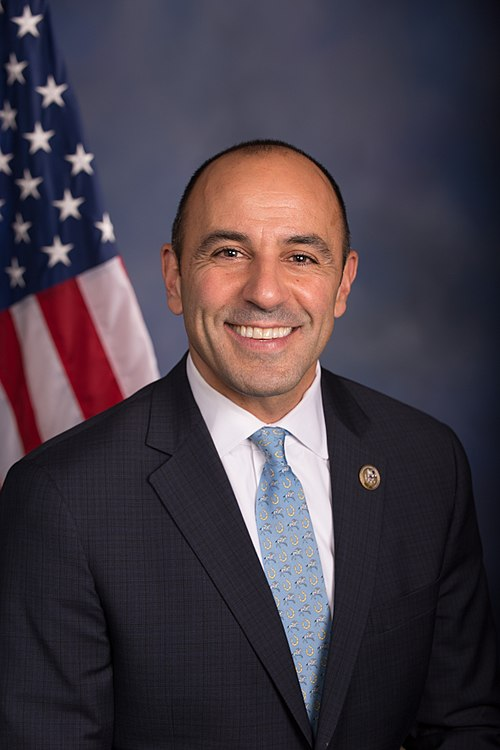
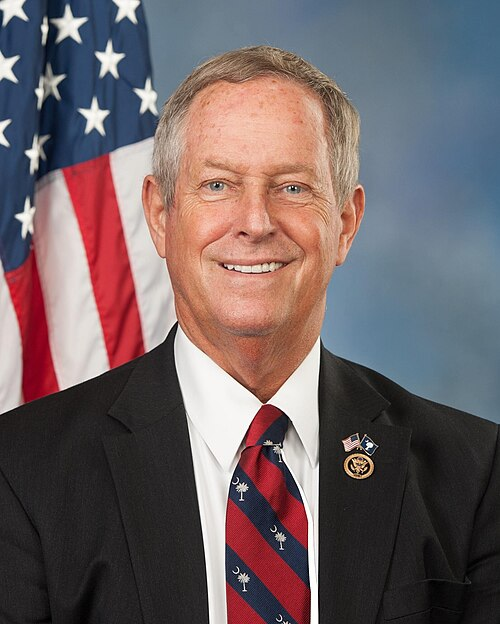
4 bill sponsors


Actions
2 actions
| Date | Action |
|---|---|
| Aug. 31, 2026 | Introduced in House |
| Aug. 31, 2026 | Referred to the House Committee on Foreign Affairs. |
Corporate Lobbying
0 companies lobbying
None found.
* Note that there can be significant delays in lobbying disclosures, and our data may be incomplete.
Potentially Relevant Congressional Stock Trades
No relevant congressional stock trades found.