
H.R. 10183: Supporting the Rule of law, Building Institutional Justice, and Accountability Act
This bill would direct the U.S. government to take a tougher, more conditional approach toward Serbia, while also leaving room for closer relations if Serbia makes specified reforms.
What it says about Serbia
The bill states that Congress believes Serbia has been moving away from democratic standards, with concerns about the rule of law, judicial independence, media freedom, corruption, and the handling of protests. It also points to Serbia’s growing ties with Russia, China, and Iran, and says the United States has an interest in a stable, democratic Serbia aligned with Euro-Atlantic institutions.
Required reports and strategy plans
Within 180 days, the Secretary of State, working with the intelligence and defense departments, would have to send Congress a report on:
- Russian influence in Serbia;
- Chinese investment and political/security ties in Serbia; and
- Whether Serbia’s ties with Russia and China could harm U.S. interests, especially in defense, telecommunications, and national security.
Within 90 days, the State Department would also have to submit a strategy describing how the U.S. should engage Serbia. That strategy would need to cover:
- goals for U.S.-Serbia relations;
- support for independent media, civil society, and judicial reform;
- whether Serbia has credibly investigated the Novi Sad railway canopy collapse and alleged excessive force against protesters;
- how Serbia’s foreign policy compares with NATO and EU positions;
- anti-corruption and public procurement issues, including the EXPO 2027 context; and
- support for the EU-led Serbia-Kosovo dialogue.
Limits on the U.S.-Serbia Strategic Dialogue
The bill says the State Department should stop participating in the U.S.-Serbia Strategic Dialogue unless the dialogue addresses:
- Serbia’s relations with Russia, China, and Iran;
- free and fair elections;
- anti-corruption, public procurement, and rule of law reform; and
- democratic governance, press freedom, and freedom of assembly.
At least 10 days before any dialogue meeting, the State Department would have to certify to Congress that these topics will be covered and explain how they will be addressed. If that certification is not provided, State Department personnel would be barred from taking part in the dialogue or using appropriated funds for it.
Sanctions and other pressure tools
The bill expresses support for using financial and visa sanctions against people seen as contributing to instability in the Western Balkans, including in Serbia. It also supports sanctions against foreign persons who:
- threaten peace, security, stability, or territorial integrity in the Western Balkans;
- undermine democratic institutions or processes;
- engage in corruption;
- commit serious human rights abuses; or
- obstruct regional peace or accountability agreements, including the Dayton Accords, the Prespa Agreement, and related international mechanisms.
Possible rewards for reform
The bill says that if Serbia makes a credible and sustained showing of progress on judicial accountability, media freedom, and alignment with EU and NATO foreign and security policy, the President should improve bilateral relations and expand cooperation. It also says additional assistance to Serbia would be authorized once the President certifies that Serbia has made that progress.
How long it would last
The bill would expire five years after it is enacted.
Relevant Companies
None found
This is an AI-generated summary of the bill text. There may be mistakes.
Sponsors
10 bill sponsors
-
TrackJoe Wilson
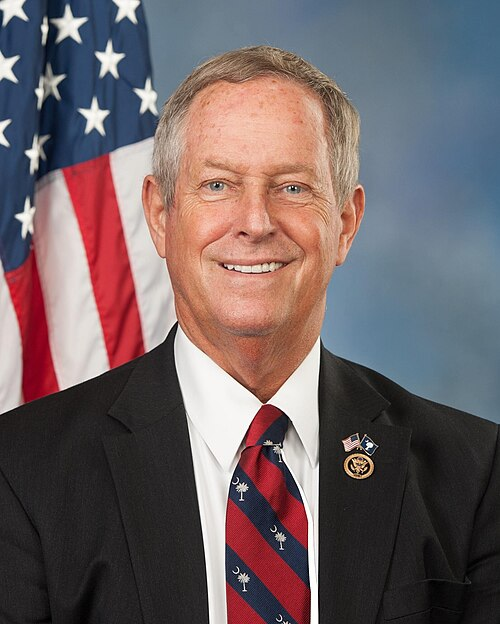
Sponsor
-
TrackEmanuel Cleaver
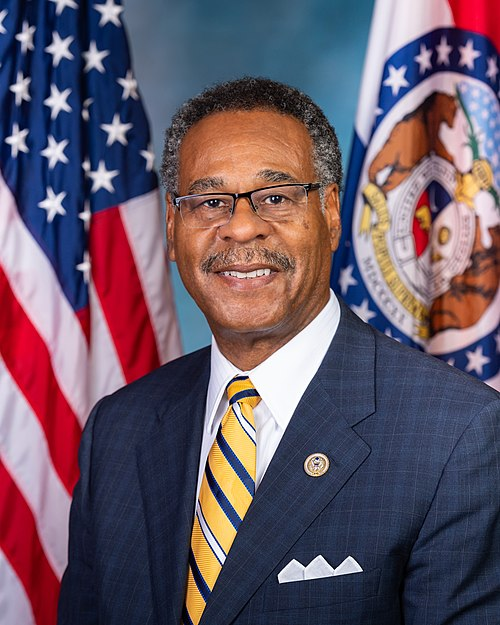
Co-Sponsor
-
TrackBrian K. Fitzpatrick
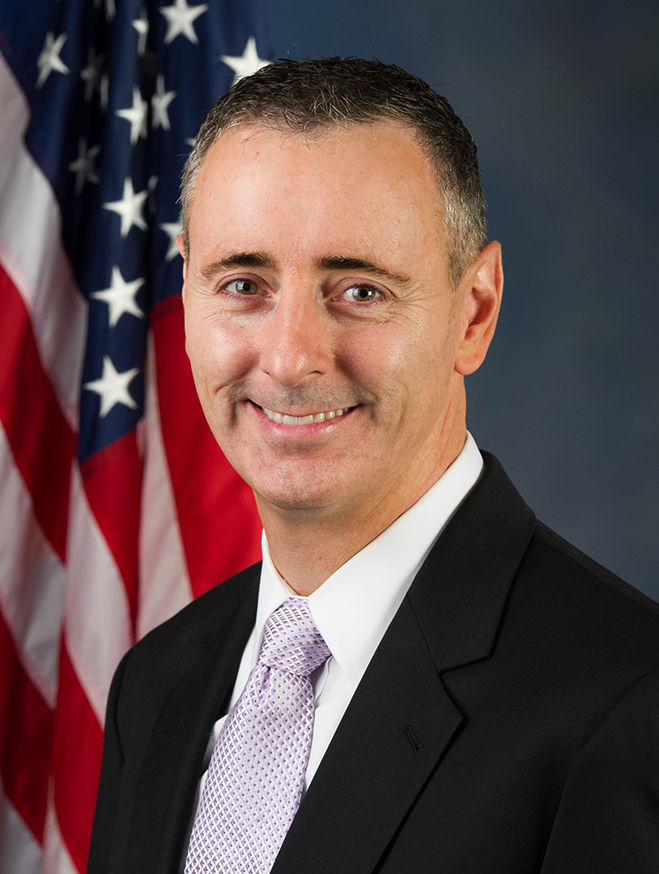
Co-Sponsor
-
TrackWilliam R. Keating
Co-Sponsor
-
TrackJimmy Panetta
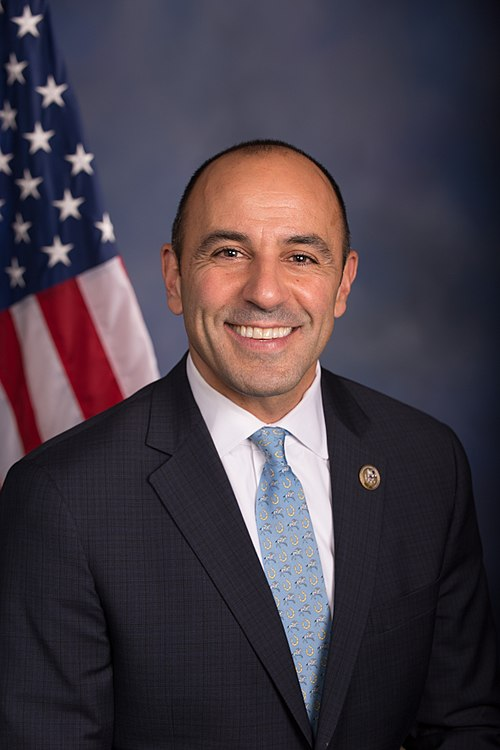
Co-Sponsor
-
TrackMaria Elvira Salazar
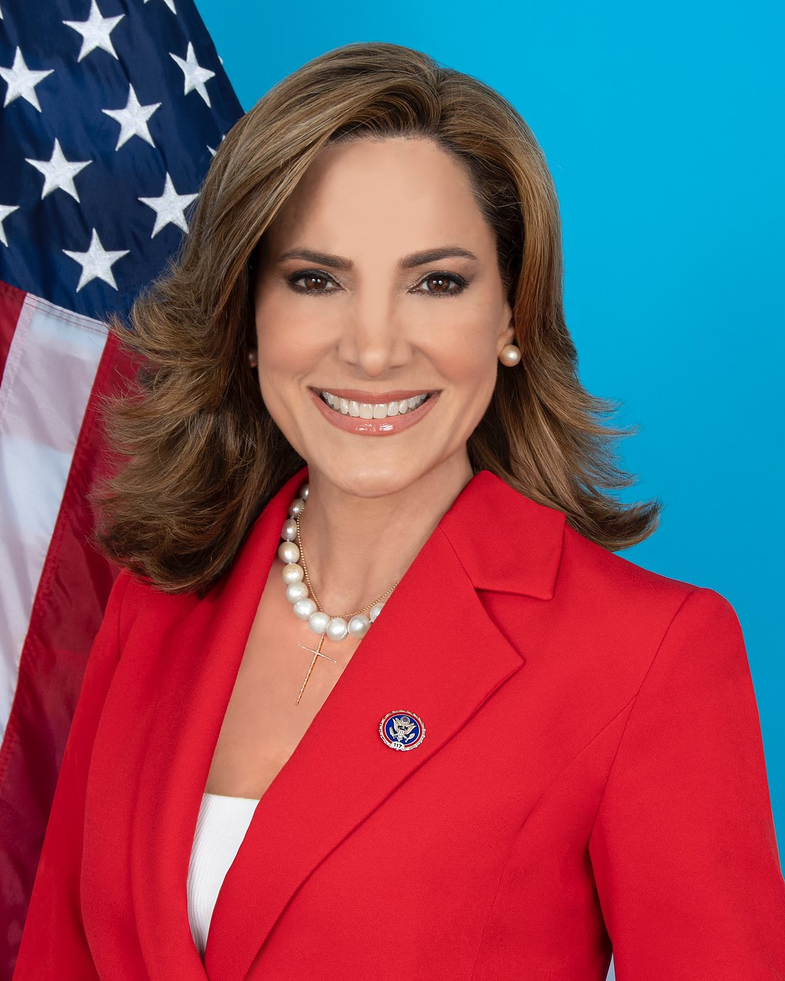
Co-Sponsor
-
TrackKeith Self
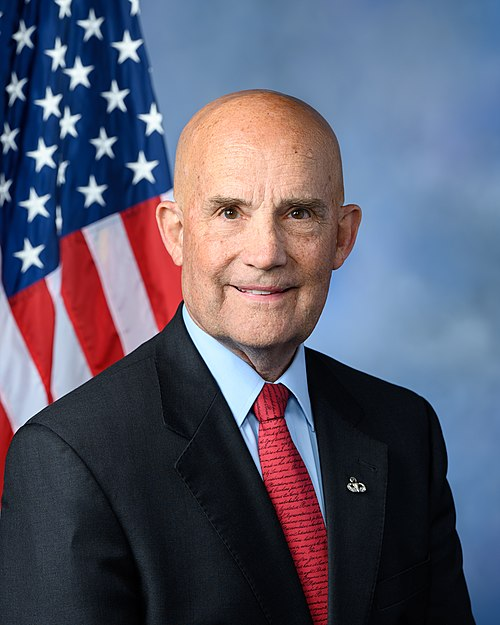
Co-Sponsor
-
TrackPete Sessions
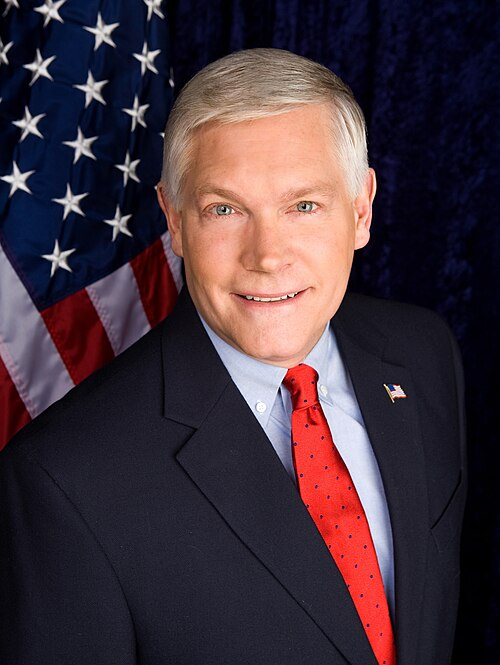
Co-Sponsor
-
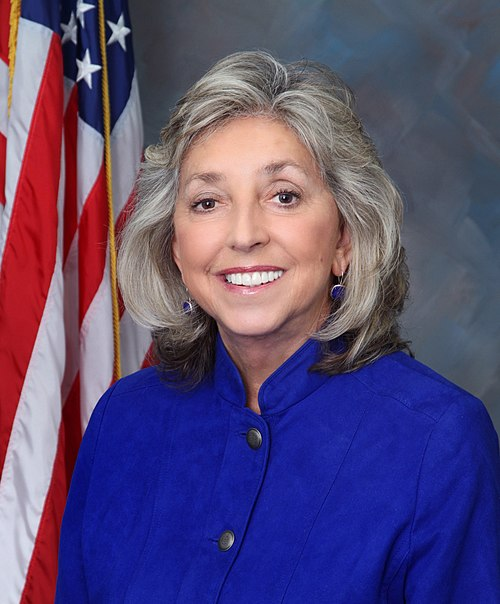
TrackDina Titus
Co-Sponsor
-
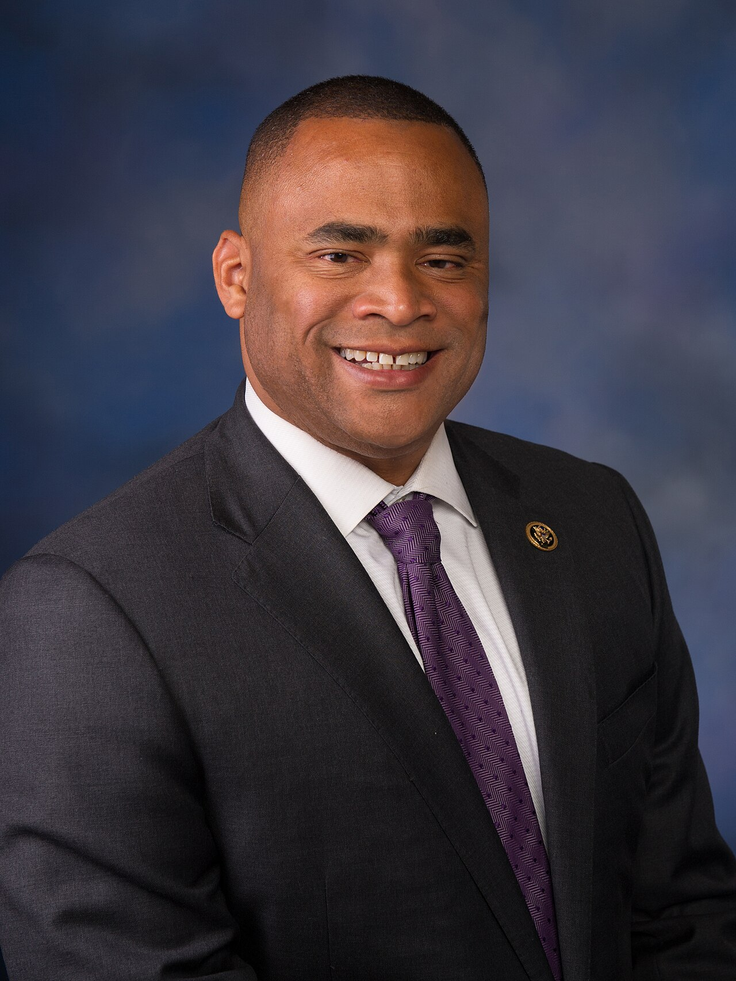
TrackMarc A. Veasey
Co-Sponsor
Actions
2 actions
| Date | Action |
|---|---|
| Aug. 27, 2026 | Introduced in House |
| Aug. 27, 2026 | Referred to the Committee on Foreign Affairs, and in addition to the Committee on the Judiciary, for a period to be subsequently determined by the Speaker, in each case for consideration of such provisions as fall within the jurisdiction of the committee concerned. |
Corporate Lobbying
0 companies lobbying
None found.
* Note that there can be significant delays in lobbying disclosures, and our data may be incomplete.
Potentially Relevant Congressional Stock Trades
No relevant congressional stock trades found.