H.R. 10182: Care is an Economic Development Strategy Act
This bill would change how certain local and regional economic development plans are written under the Public Works and Economic Development Act of 1965.
What the bill changes
Under current law, some grant recipients must create a comprehensive economic development strategy (often called a CEDS). This is a planning document that describes how a region will support jobs, growth, and development.
The bill would require those plans to also address how economic development efforts can directly or indirectly increase access to affordable, quality care-based services. The bill specifically mentions:
- Child care
- Early childhood education
- Disability care and long-term care
- Elder care
What this means in practice
Regions applying for or using certain economic development grants would need to consider care services as part of their economic planning. In other words, the bill treats access to care services as something that can affect local economic growth, workforce participation, and community development.
Federal guidance
The bill would require the Secretary of Commerce to issue guidance within one year on how to carry out this change. That guidance would explain how grant recipients should include care access in their economic development strategies.
Effect on existing plans
If a grant recipient already has an approved economic development strategy before the bill becomes law, the bill says that plan would not need to be revised immediately. Instead, it would only need to be updated when the region’s regularly scheduled update is due.
Relevant Companies
- CNC — Could be affected if more public or grant-supported planning leads to expanded use of managed care, long-term care, or related health and support services.
- HUM — May be indirectly affected if local economic development plans lead to greater demand for care-related service networks and coverage administration.
- ELV — Could see indirect effects from policies that increase emphasis on care access and care service infrastructure.
- CHGG — May be indirectly affected if regions place more emphasis on early childhood or education-related care services, though any impact would likely be limited.
- ADUS — Could be indirectly affected by broader public planning focus on elder care and long-term care access.
- COR — May be indirectly affected if increased attention to care services leads to more demand for health and care supply chains tied to long-term care settings.
This is an AI-generated summary of the bill text. There may be mistakes.
Sponsors
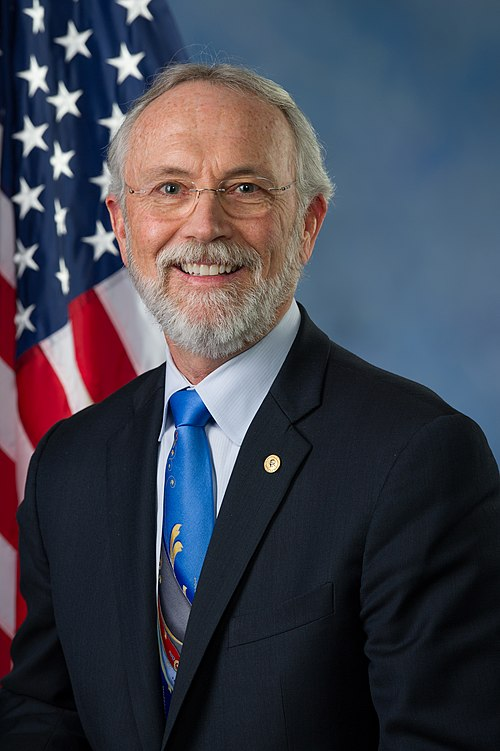
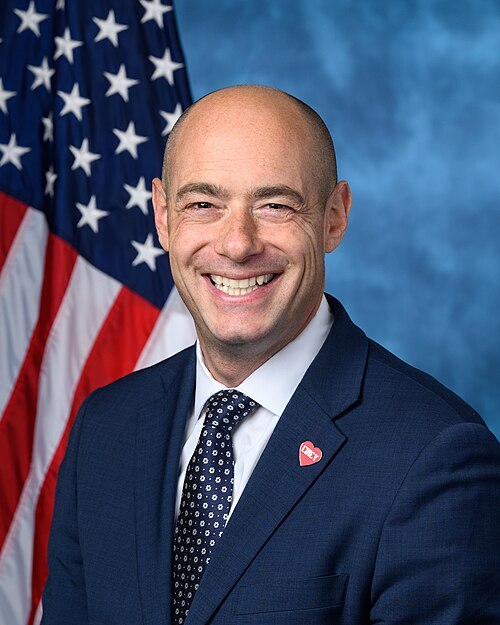
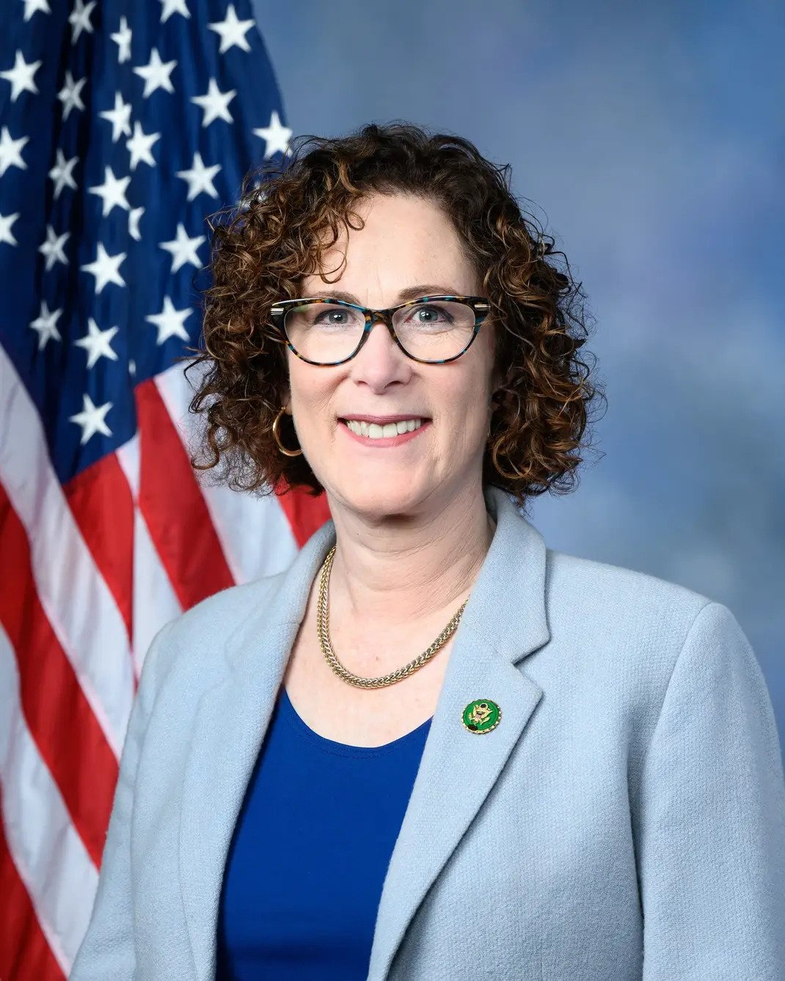
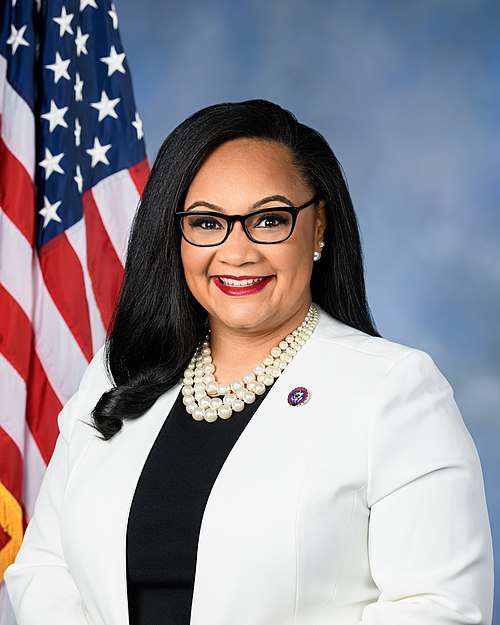
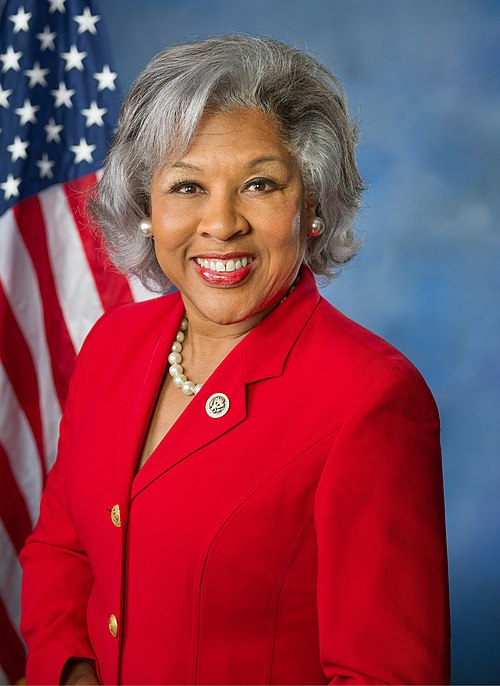
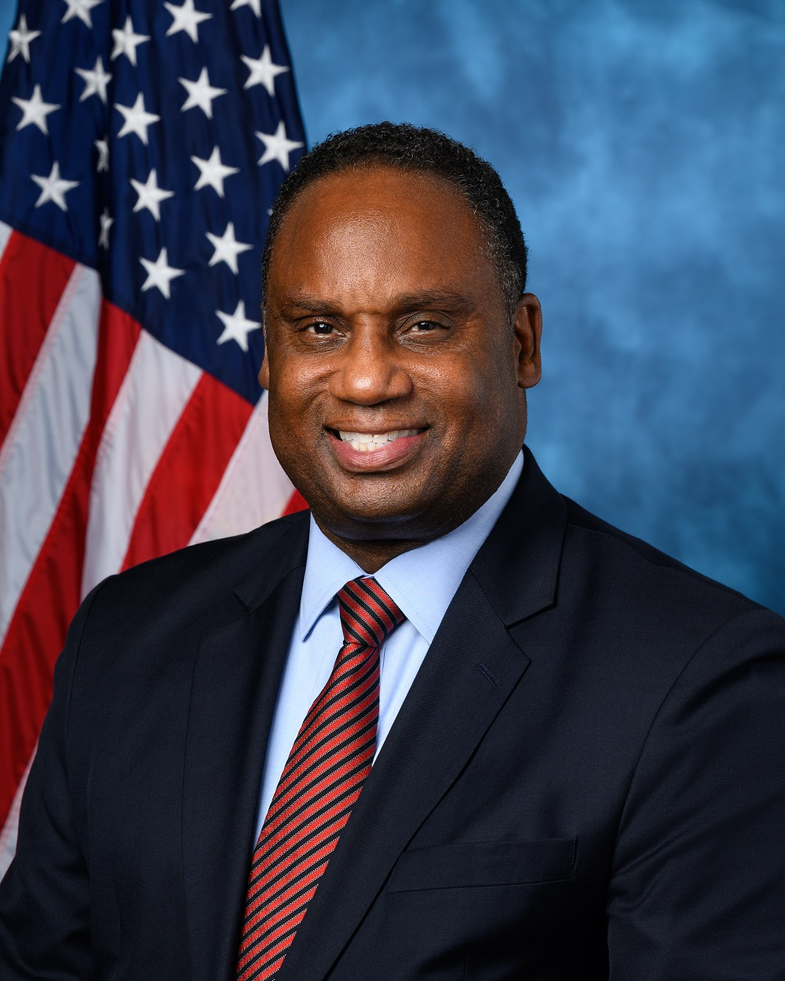
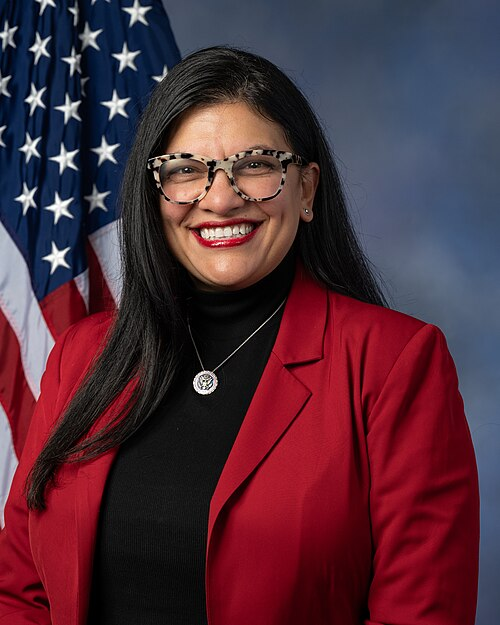
5 bill sponsors

Actions
2 actions
| Date | Action |
|---|---|
| Aug. 27, 2026 | Introduced in House |
| Aug. 27, 2026 | Referred to the Committee on Transportation and Infrastructure, and in addition to the Committee on Financial Services, for a period to be subsequently determined by the Speaker, in each case for consideration of such provisions as fall within the jurisdiction of the committee concerned. |
Corporate Lobbying
0 companies lobbying
None found.
* Note that there can be significant delays in lobbying disclosures, and our data may be incomplete.