
H.R. 10173: NSF Research Experiences for Undergraduates Act of 2026
This bill would update and extend the National Science Foundation’s Research Experiences for Undergraduates program, often called REU. The program gives undergraduate students paid opportunities to do hands-on STEM research at colleges, universities, and nonprofit organizations.
What the bill changes
The bill would revise the existing law to expand and clarify how the REU program works. It would:
- Define additional categories of schools and organizations, including emerging research institutions, EPSCoR institutions, minority-serving institutions, junior or community colleges, and first-generation college students, for purposes of the program.
- Require NSF to continue awarding REU grants competitively to institutions and nonprofit organizations, or groups of them, to support undergraduate research in a broad range of STEM fields.
- Emphasize participation by students who have had limited or no prior STEM research experience.
- Continue to prioritize participation by certain underrepresented groups as identified in federal civil rights and equal opportunity laws.
Requirements for funded programs
The bill would add several conditions for REU sites and related programs. For summer REU sites, at least half of participating students would need to come from schools where STEM research opportunities are limited, such as community colleges, minority-serving institutions, rural-serving institutions, and similar schools.
It would also require funded programs to include, as appropriate:
- Mentoring and support that connect the research experience to students’ career goals.
- Appropriate pay or stipends for students and mentors.
- Tracking of student outcomes, including employment and continued STEM education through at least three years after graduation.
How the money could be used
Grant funds could be used for a broader set of program needs, including:
- Program coordination and management.
- Student travel, housing, and accessibility accommodations.
- Helping students present their research at conferences.
- Activities that connect students with academic, government, and private-sector research environments.
- Evaluation and data collection to measure outcomes.
- Professional development, research ethics training, mentor preparation, graduate school preparation, and steps to help maintain a safe and inclusive environment.
Other program changes
The NSF Director would be allowed to provide extra support to help mentors and supervisors from schools and organizations with limited STEM research opportunities participate in REU sites. The Director could also fund training events for mentors and faculty, distribute shared program resources such as a common application and assessment criteria, and support an alumni engagement platform.
The bill would direct NSF to increase outreach to community colleges, minority-serving institutions, rural-serving institutions, emerging research institutions, primarily undergraduate institutions, and others. It would also require coordination with the Department of Energy, the Department of Defense, and other federal agencies when appropriate.
In addition, NSF would be allowed to accept private-sector and nonprofit donations to supplement, but not replace, the program’s activities.
Reporting and funding
Within four years after enactment, NSF would have to report to Congress on topics such as the right mix of summer versus academic-year research experiences, the resources needed to track long-term outcomes, recruitment from institutions with fewer research opportunities, and ways to reduce delays and volatility in REU site selection.
The bill would authorize $100 million per year for fiscal years 2027 through 2032 to carry out these changes.
Relevant Companies
None found
This is an AI-generated summary of the bill text. There may be mistakes.
Sponsors
14 bill sponsors
-
TrackLuz Rivas
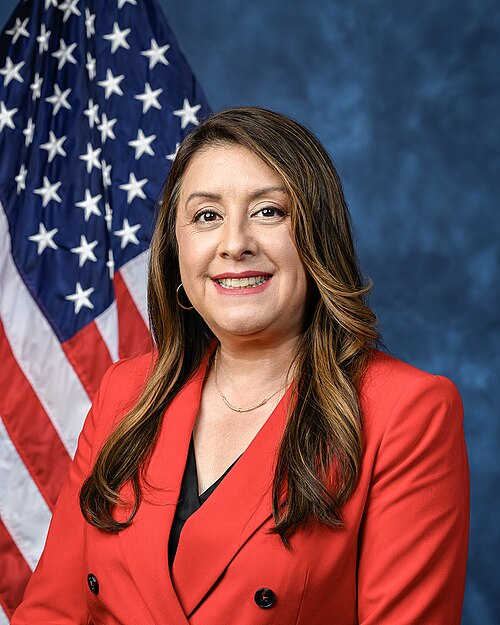
Sponsor
-
TrackJoyce Beatty
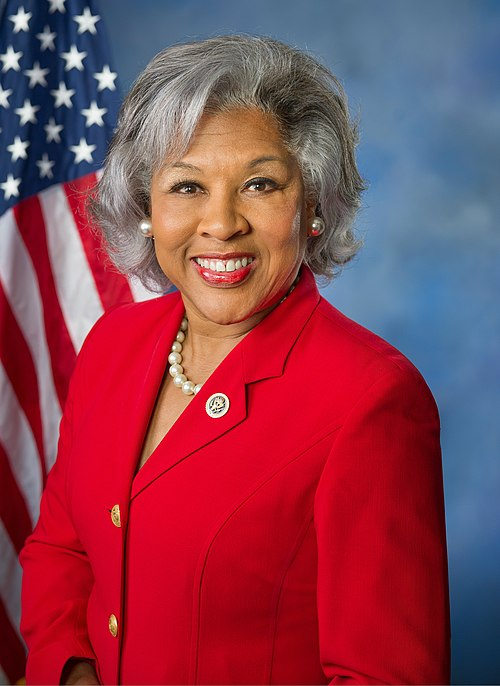
Co-Sponsor
-
TrackJudy Chu
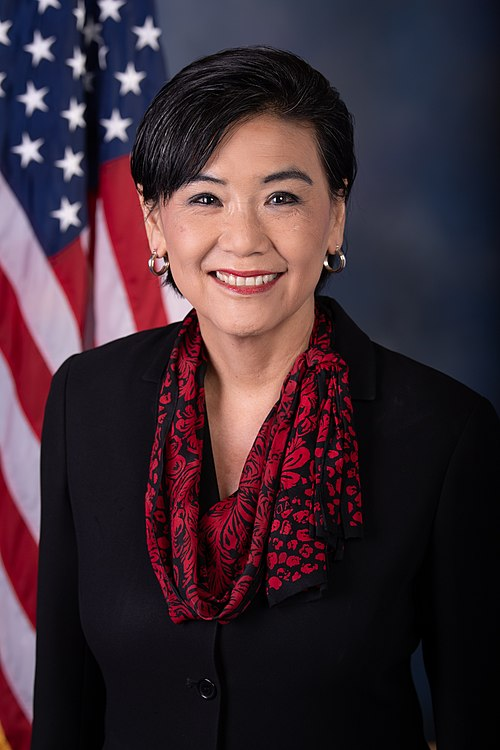
Co-Sponsor
-
TrackValerie P. Foushee
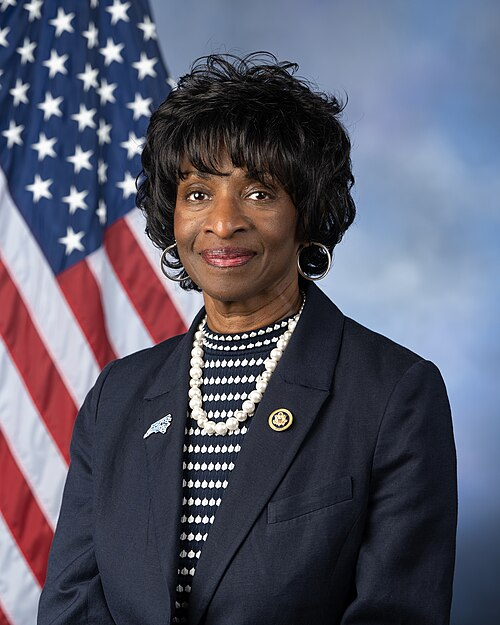
Co-Sponsor
-
TrackMaxwell Frost
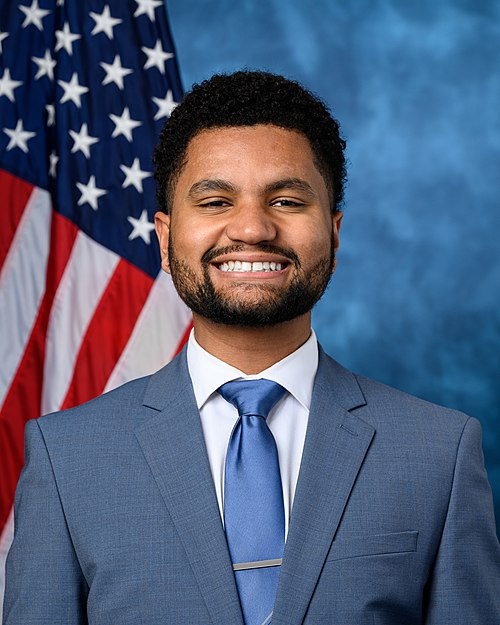
Co-Sponsor
-
TrackTed Lieu
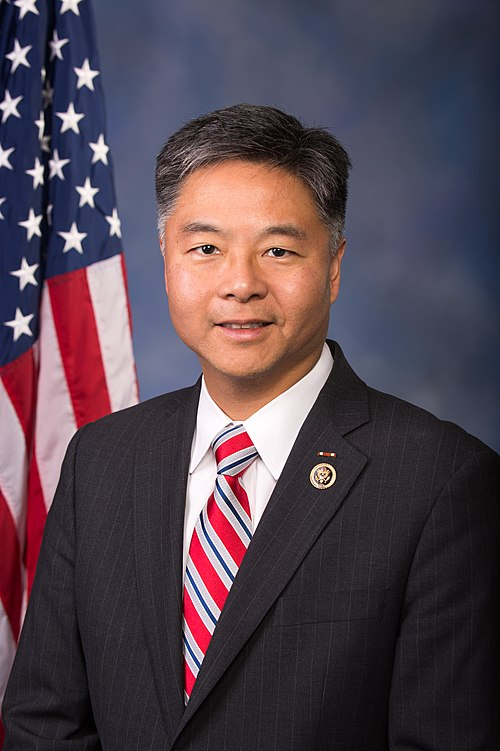
Co-Sponsor
-
TrackApril McClain Delaney
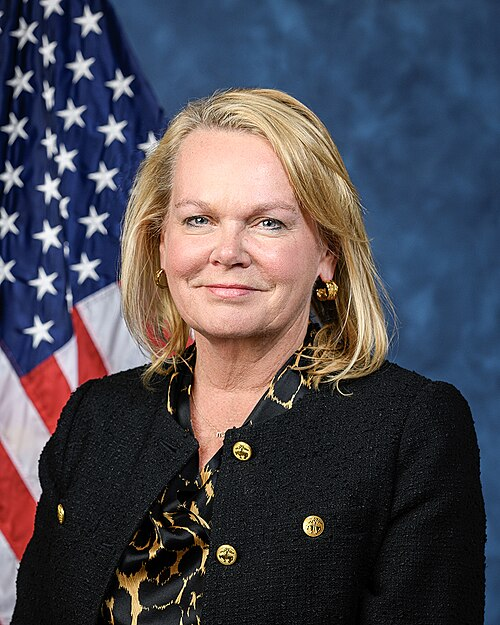
Co-Sponsor
-
TrackJennifer L. McClellan
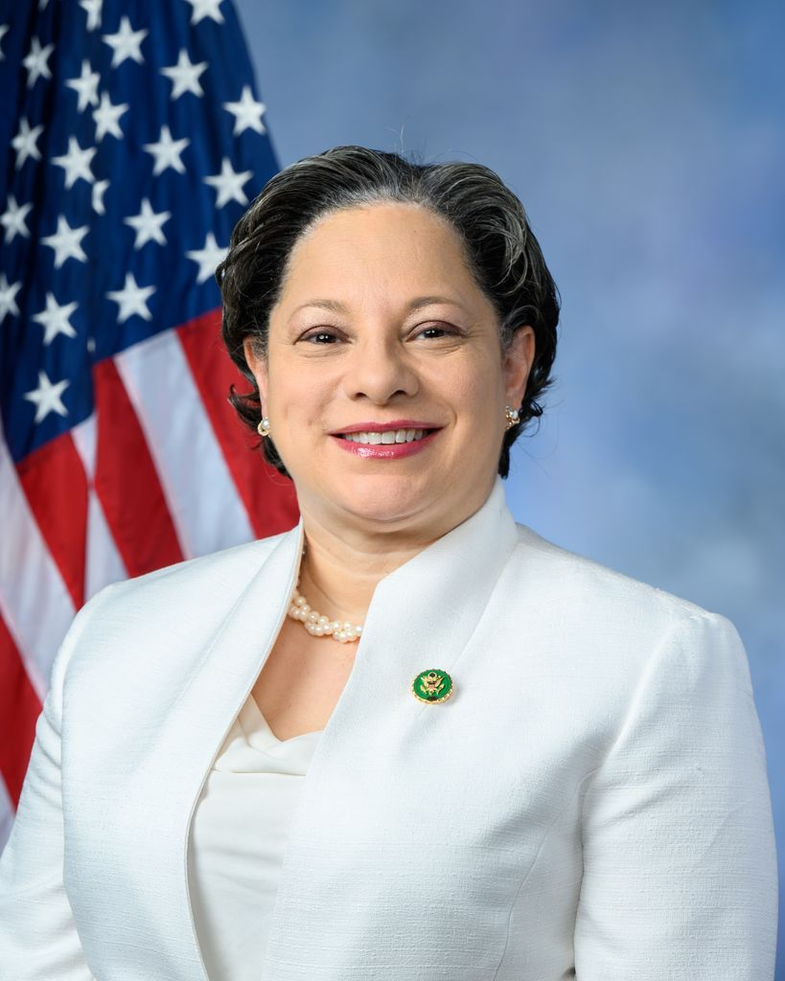
Co-Sponsor
-
TrackSeth Moulton
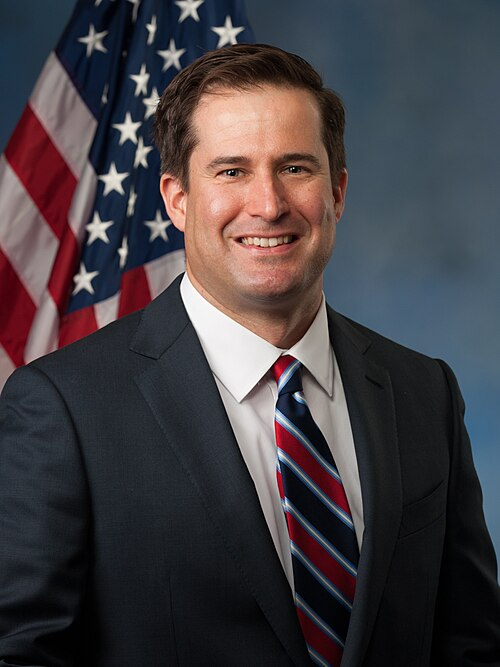
Co-Sponsor
-
TrackDeborah K. Ross
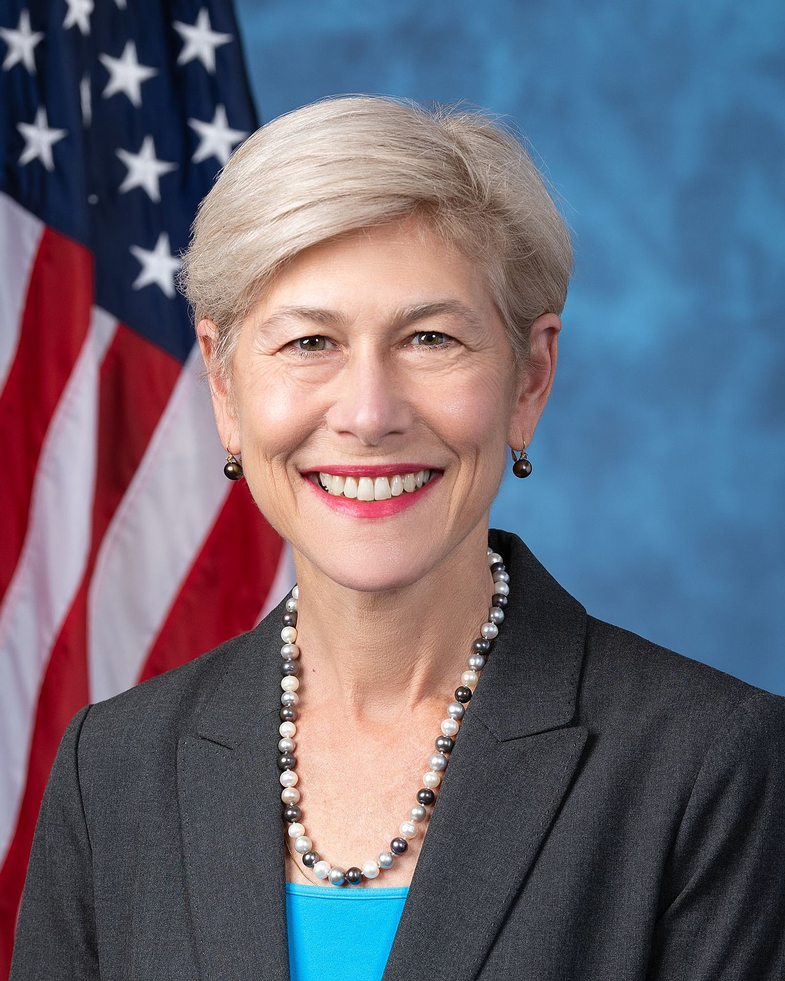
Co-Sponsor
-
TrackLateefah Simon
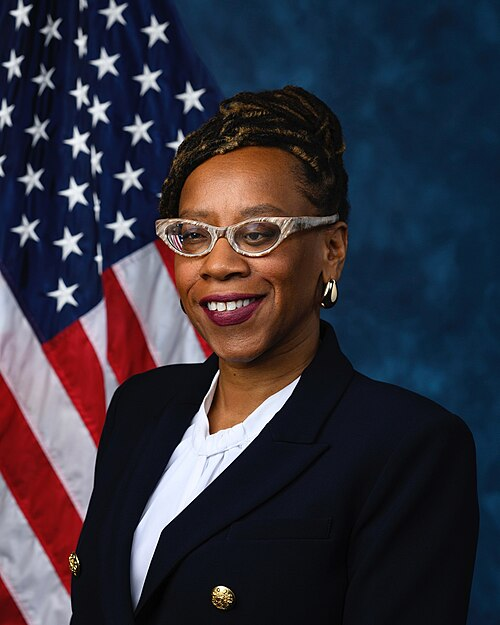
Co-Sponsor
-
TrackThomas R. Suozzi
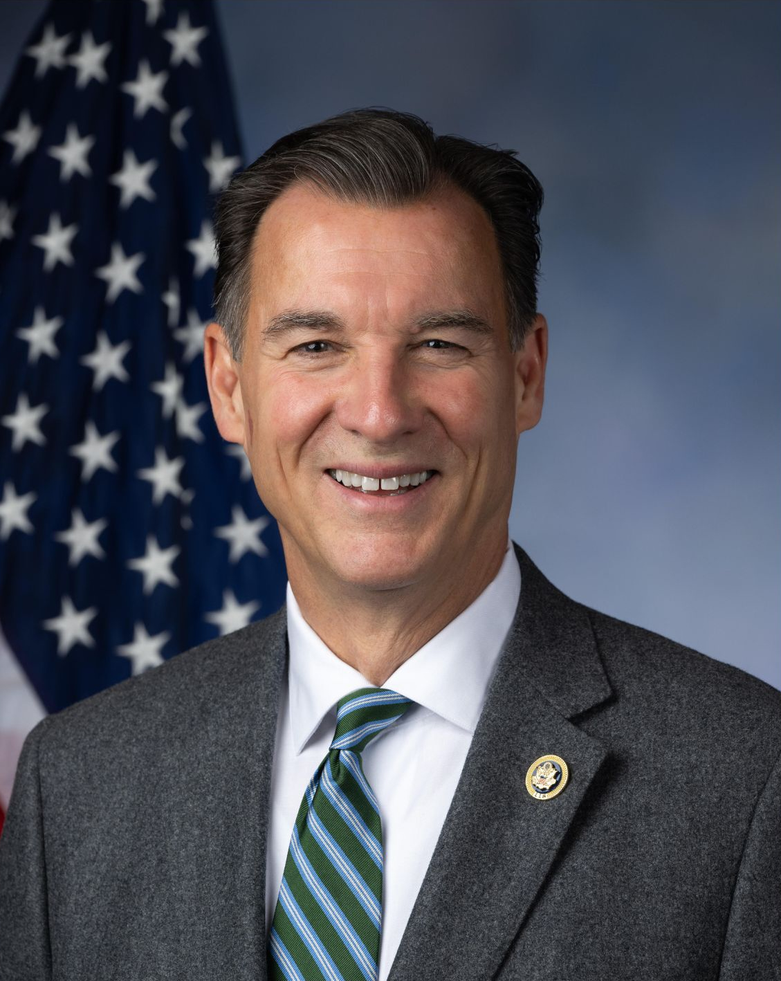
Co-Sponsor
-
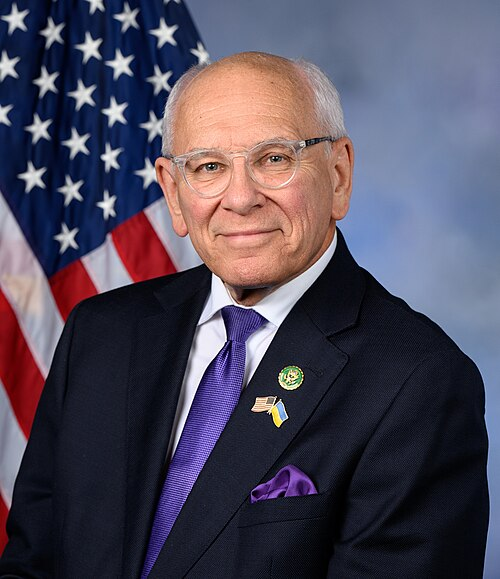
TrackPaul Tonko
Co-Sponsor
-
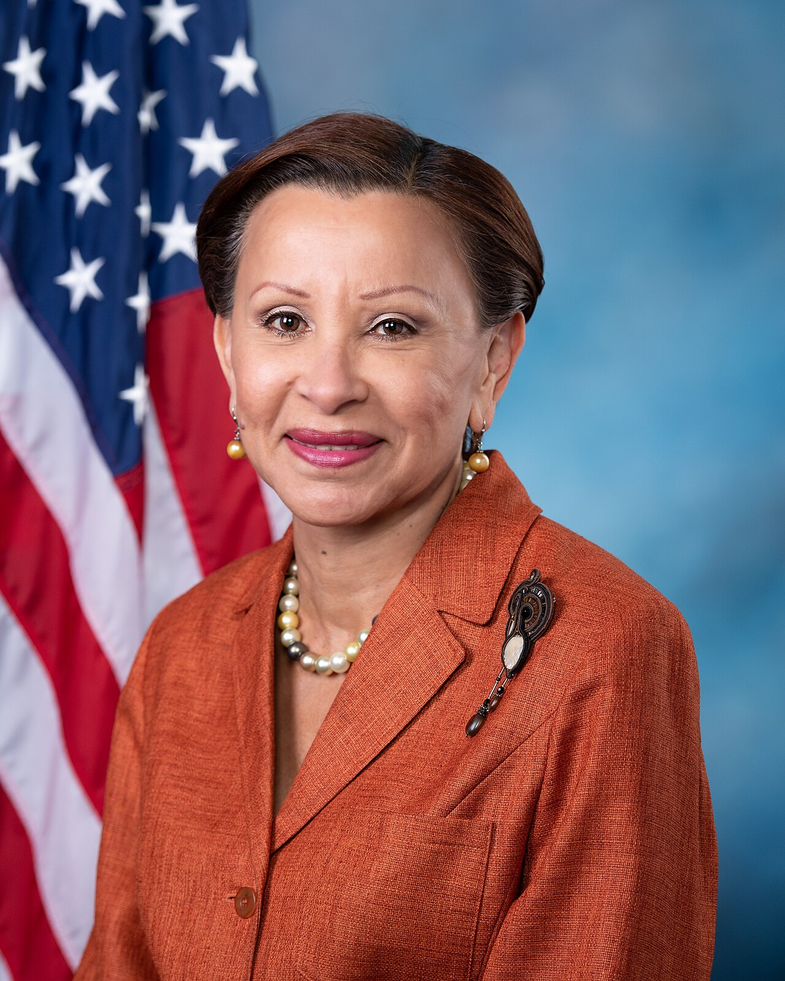
TrackNydia M. Velázquez
Co-Sponsor
Actions
2 actions
| Date | Action |
|---|---|
| Aug. 27, 2026 | Introduced in House |
| Aug. 27, 2026 | Referred to the House Committee on Science, Space, and Technology. |
Corporate Lobbying
0 companies lobbying
None found.
* Note that there can be significant delays in lobbying disclosures, and our data may be incomplete.
Potentially Relevant Congressional Stock Trades
No relevant congressional stock trades found.