H.R. 10158: Automotive National and Economic Security Act of 2026
This bill would require the Secretary of Commerce to study how foreign adversaries may pose national security and economic risks to the U.S. automotive industry.
What the study would cover
The study would look at U.S. manufacturers of passenger vehicles, including companies that make, assemble, or import them, and also vehicles that contain certain advanced hardware or software. It would focus on business relationships or ownership ties involving a “foreign adversary,” meaning a country the U.S. law already treats as a covered nation.
It would examine “covered activity,” which includes things like:
- Ownership stakes in vehicle manufacturers
- Joint ventures, subsidiaries, contract manufacturing, and similar partnerships
- Technology-sharing agreements, such as research partnerships or licensing deals
- Investments in vehicle or vehicle-equipment manufacturers controlled by a foreign adversary
Technology and systems the bill focuses on
The bill gives special attention to:
- Automated driving systems at Levels 3, 4, and 5
- Covered hardware, such as software-enabled vehicle components that handle wireless communications or connected features
- Covered software, including software, middleware, system software, machine-learning models, and AI components used in a vehicle to support covered hardware or automated driving systems
- Electronic systems built into electric vehicle batteries that monitor, manage, secure, or communicate battery performance
- Critical and emerging technologies, including AI, semiconductors, cybersecurity, advanced manufacturing, robotics, quantum technology, and related areas
Issues the Secretary would assess
In the study, the Secretary would assess:
- Which manufacturers are involved in these covered activities
- Any effects on U.S. national security, economic competitiveness, or intellectual property protection
- Whether state-directed foreign investment vehicles are involved, such as military-linked entities, political party entities, state-owned enterprises, sovereign wealth funds, or government-controlled investment vehicles
- Whether technology related to critical and emerging technologies is being transferred to those foreign entities or to foreign-adversary-controlled manufacturers
- Whether manufacturers have operations or employees in foreign adversary countries connected to these activities
Reporting requirements
Within 2 years of enactment, the Secretary of Commerce would have to:
- Send a report to the House Energy and Commerce Committee and the Senate Commerce, Science, and Transportation Committee
- Publish an unclassified version of the report on the Commerce Department’s website
The public report could not include confidential business information, trade secrets, or information that would reasonably be expected to harm U.S. national security.
Relevant Companies
- TSLA — Tesla could be indirectly affected because the bill addresses automated driving systems, vehicle software, and battery-related electronics, which are areas central to Tesla’s vehicles and technology stack.
- F — Ford could be affected through its vehicle manufacturing, connected-car software, EV battery systems, and any partnerships or supply-chain ties involving covered technologies.
- GM — General Motors could be affected because it develops vehicles with advanced software, connected systems, and automated driving features, and it has supply-chain and technology relationships that could fall under review.
- RIVN — Rivian could be affected through its EV platforms, software-enabled vehicle systems, and battery electronics, which are part of the bill’s focus.
- LCID — Lucid could be affected because the bill covers vehicle software, connected hardware, and battery management systems used in electric vehicles.
- MBGAF — Mercedes-Benz Group may be indirectly affected if its U.S. operations, partnerships, or technology-sharing arrangements are reviewed under the bill’s criteria.
- VWAGY — Volkswagen could be indirectly affected through U.S. vehicle operations, EV software, and partnerships involving covered hardware or software.
- HMC — Honda could be indirectly affected if its U.S. manufacturing, software, or technology relationships involve covered activities.
- TM — Toyota could be indirectly affected through U.S. vehicle production, battery systems, and technology-sharing or manufacturing arrangements.
This is an AI-generated summary of the bill text. There may be mistakes.
Sponsors
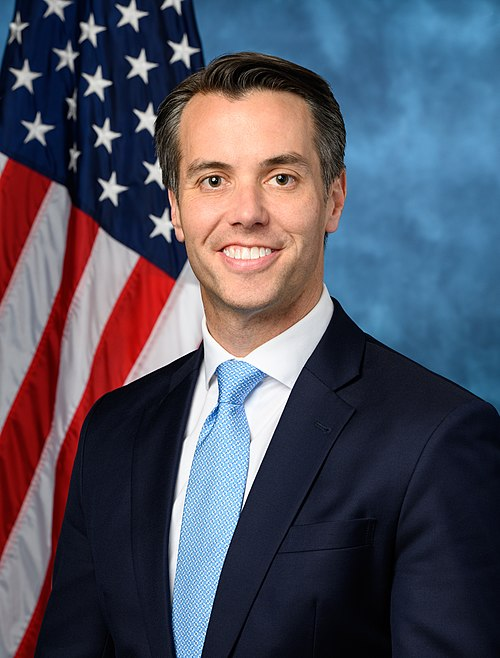
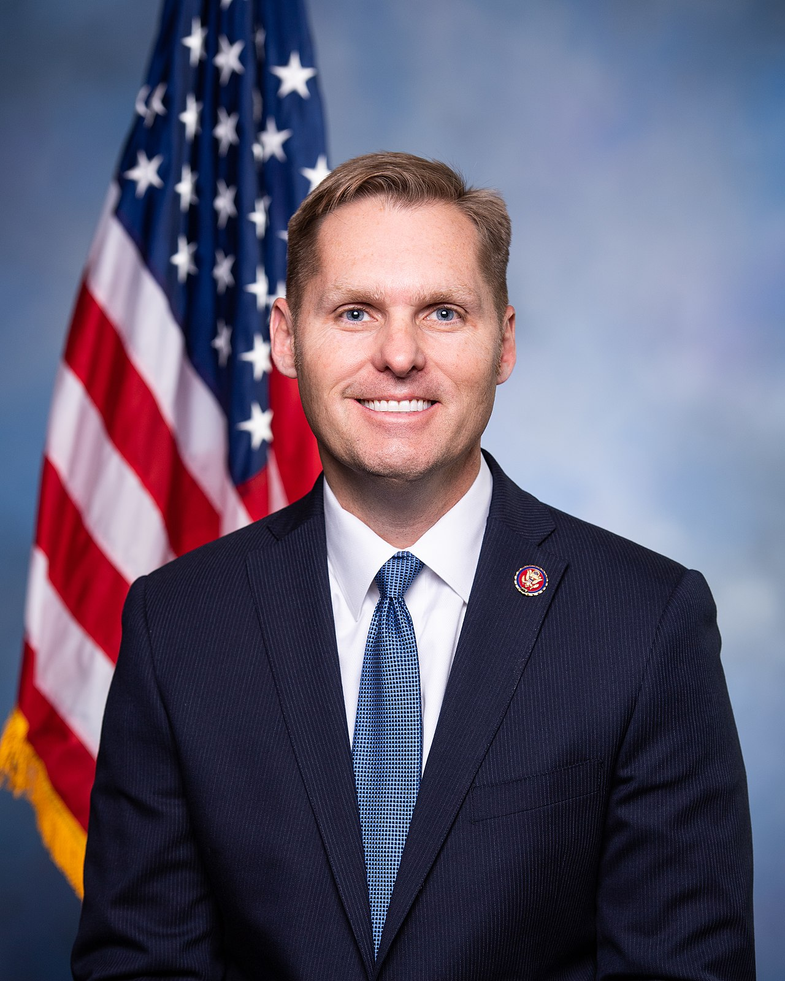
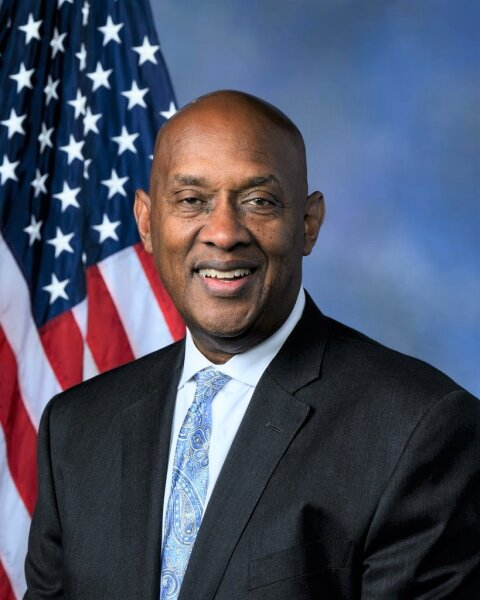
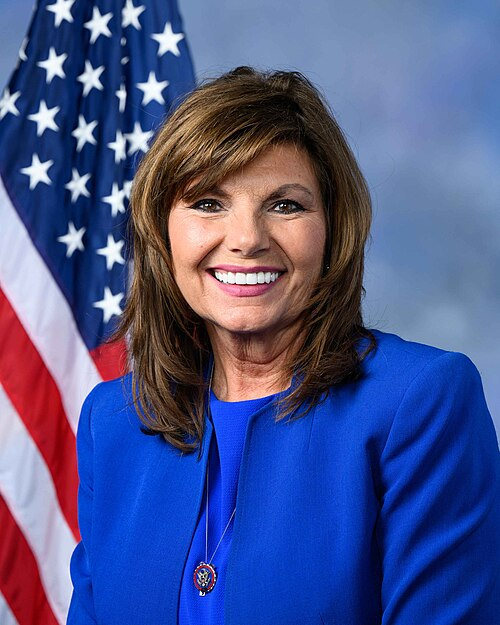
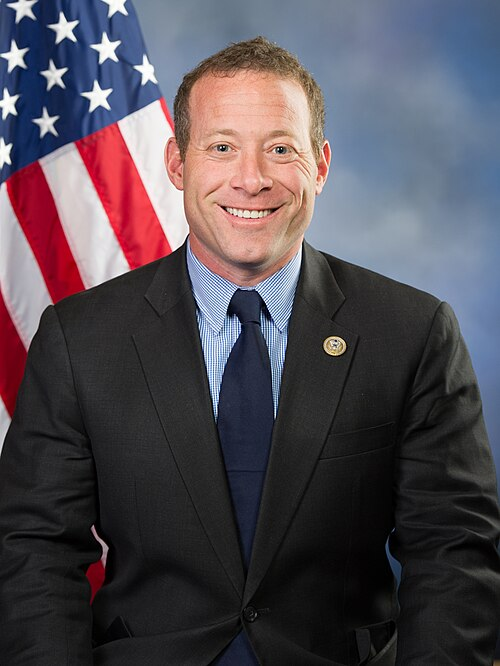
4 bill sponsors


Actions
7 actions
| Date | Action |
|---|---|
| Sep. 16, 2026 | Committee Consideration and Mark-up Session Held |
| Sep. 16, 2026 | Ordered to be Reported by the Yeas and Nays: 33 - 0. |
| Sep. 01, 2026 | Forwarded by Subcommittee to Full Committee by Voice Vote. |
| Sep. 01, 2026 | Subcommittee Consideration and Mark-up Session Held |
| Aug. 27, 2026 | Introduced in House |
| Aug. 27, 2026 | Referred to the Committee on Energy and Commerce, and in addition to the Committee on Science, Space, and Technology, for a period to be subsequently determined by the Speaker, in each case for consideration of such provisions as fall within the jurisdiction of the committee concerned. |
| Aug. 27, 2026 | Referred to the Subcommittee on Commerce, Manufacturing, and Trade. |
Corporate Lobbying
0 companies lobbying
None found.
* Note that there can be significant delays in lobbying disclosures, and our data may be incomplete.