
H.R. 10138: CCP Fentanyl Sanctions Act
This bill would create a sanctions program aimed at people and entities connected to the production, shipment, financing, or sale of illicit synthetic narcotics linked to the People’s Republic of China (PRC), including Hong Kong and Macau.
What it does
- It keeps in place the sanctions already authorized under Executive Order 14059.
- It authorizes the President, starting 180 days after enactment, to block property and transactions involving foreign persons found to be involved in certain drug-related activities tied to the PRC.
- It also allows sanctions on PRC-owned or PRC-operated ports, ships, online marketplaces, companies making or selling precursor chemicals, and entities helping them evade sanctions.
- It extends sanctions to foreign persons acting for or on behalf of someone covered by the bill.
Who could be sanctioned
The President could impose sanctions on a foreign person if that person is determined to have:
- helped produce, distribute, transport, or finance illicit synthetic narcotics or the chemicals used to make them;
- received property or proceeds connected to those activities;
- used or moved property in a way that helped those activities;
- operated a PRC port or ship that knowingly facilitated shipment of illicit narcotics or precursors;
- sold precursor chemicals to traffickers or other involved parties;
- run an online marketplace that knowingly facilitated sales, shipping, or payment for illicit synthetic narcotics;
- been part of a covered PRC government entity involved in facilitating drug flows or supporting such actors;
- provided material support to a covered PRC government entity; or
- set up an entity to evade sanctions.
What the sanctions would do
The main sanction would let the government block property and property interests of the targeted foreign person if those assets are in the United States, come into the United States, or are controlled by a U.S. person.
The Treasury Secretary, working with the Secretary of State, could also restrict or ban foreign financial institutions from opening or maintaining correspondent or payable-through accounts in the United States if they knowingly conduct or facilitate significant transactions for a covered person.
Violations would be subject to penalties under the International Emergency Economic Powers Act.
Limits and exceptions
- The bill would not apply to authorized U.S. intelligence or law enforcement activities.
- It would not give authority to impose sanctions on the importation of goods.
- The President could waive sanctions for renewable 180-day periods if doing so is reported to Congress and found to be in the U.S. national interest.
- The bill does not limit other existing presidential authority to use sanctions under other laws or executive orders.
Congressional involvement and reporting
The bill says the President must consider information provided by certain congressional committees and credible information from other countries and nongovernmental organizations that monitor human rights violations when deciding whether to impose sanctions.
If the relevant congressional committees request it, the President would have to determine within 120 days whether a foreign person engaged in covered conduct and then report back to Congress, in classified or unclassified form, on the result and any sanctions imposed or planned.
Definitions
The bill defines “illicit synthetic narcotics” broadly to include certain controlled substances, listed chemicals, and active pharmaceutical ingredients or chemicals used to make them, with some exceptions for natural substances and lawful medications imported under DEA permission.
It defines “foreign person” as anyone who is not a U.S. person, and it defines “covered PRC government entity” to include the PRC government, officials, and related entities identified by the U.S. government as facilitating illicit drug flows or supporting covered actors.
Relevant Companies
None found
This is an AI-generated summary of the bill text. There may be mistakes.
Sponsors
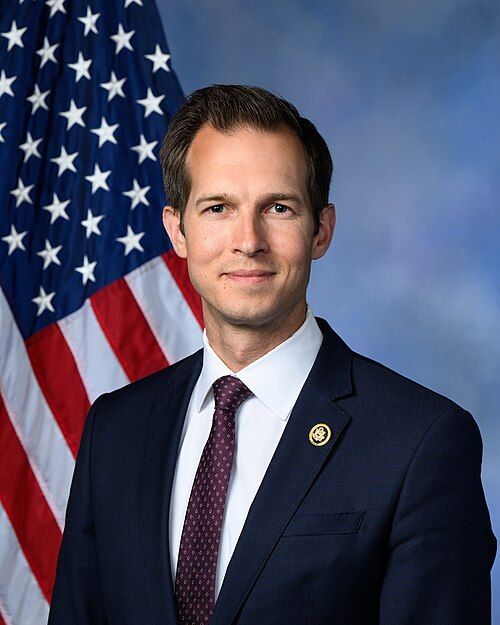
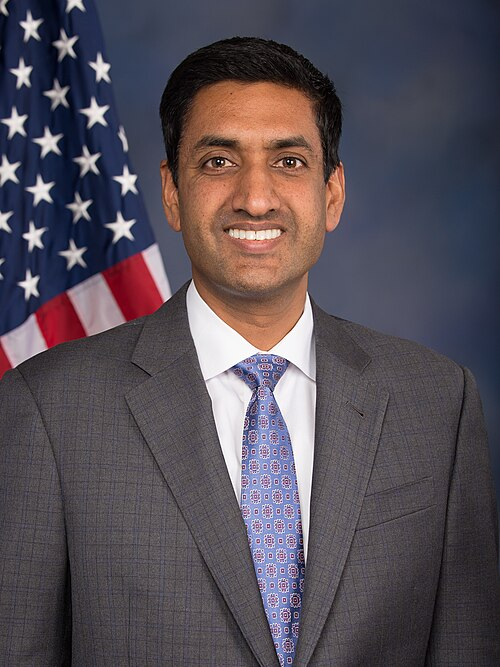
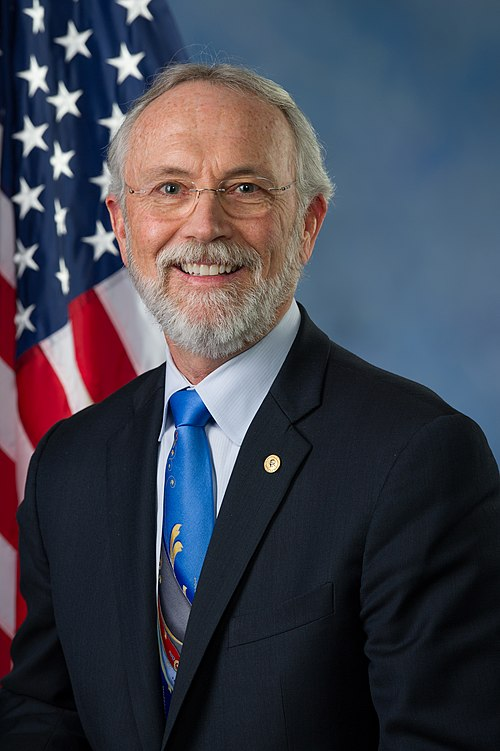
4 bill sponsors

Actions
2 actions
| Date | Action |
|---|---|
| Aug. 24, 2026 | Introduced in House |
| Aug. 24, 2026 | Referred to the Committee on Foreign Affairs, and in addition to the Committees on Financial Services, Oversight and Government Reform, and the Judiciary, for a period to be subsequently determined by the Speaker, in each case for consideration of such provisions as fall within the jurisdiction of the committee concerned. |
Corporate Lobbying
0 companies lobbying
None found.
* Note that there can be significant delays in lobbying disclosures, and our data may be incomplete.
Potentially Relevant Congressional Stock Trades
No relevant congressional stock trades found.