
H.R. 10103: Stable Homes Act
The bill would direct the Department of Housing and Urban Development (HUD) to create a pilot grant program for local governments to start or expand eviction diversion programs. These programs are meant to help landlords and tenants try to resolve eviction disputes before the landlord files formal eviction paperwork.
What local governments could use the grants for
Only units of general local government would be eligible for the grants. If they receive money, they would use it to establish or expand an eviction diversion program in their area.
What an eviction diversion program would include
Under the bill, these programs would generally have to include:
- Written notice to tenants from landlords, delivered by hand and by mail, explaining the tenant’s right to participate in the program and how to do so.
- A rule that if the tenant chooses to participate, the landlord and tenant must take part in the process in good faith for at least 30 days before the landlord can begin formal eviction proceedings.
- Dispute resolution options, such as rental assistance, mediation, help from a housing counselor, or other services that could help settle the dispute.
- An exception for cases involving an imminent threat of physical harm.
- A rule allowing tenants to use a landlord’s failure to follow the program’s requirements as a defense in eviction court.
- A right to free counsel for lower-income tenants if the landlord has a lawyer, for tenants whose income is at or below 200% of the federal poverty line.
HUD assistance and oversight
HUD could provide technical assistance to local governments, including model notice forms for landlords to use. The bill would also require participating local governments to send annual reports to HUD covering things like:
- how many cases were handled;
- average cost per case;
- what kinds of landlords were involved;
- whether landlords and tenants had legal representation;
- demographic data about tenants who participated; and
- other information HUD requests.
HUD would then send a summary report to Congress, and HUD’s Inspector General would review the pilot program at least twice during its operation to assess how it is working.
Funding and duration
The bill would authorize $300 million per year for fiscal years 2026 through 2030. The pilot program would end on December 31, 2030.
Relevant Companies
None found
This is an AI-generated summary of the bill text. There may be mistakes.
Sponsors
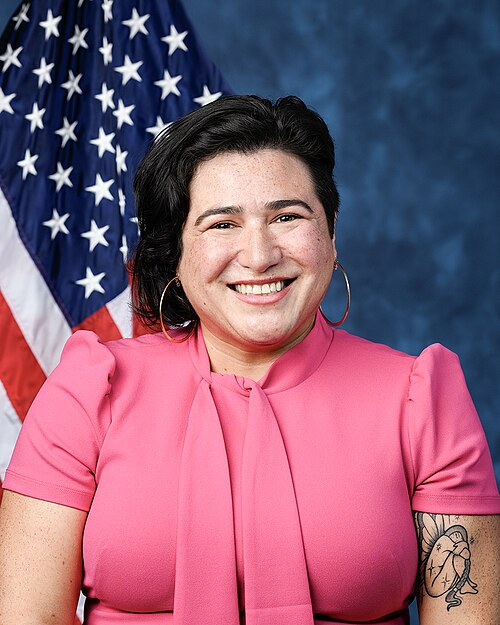
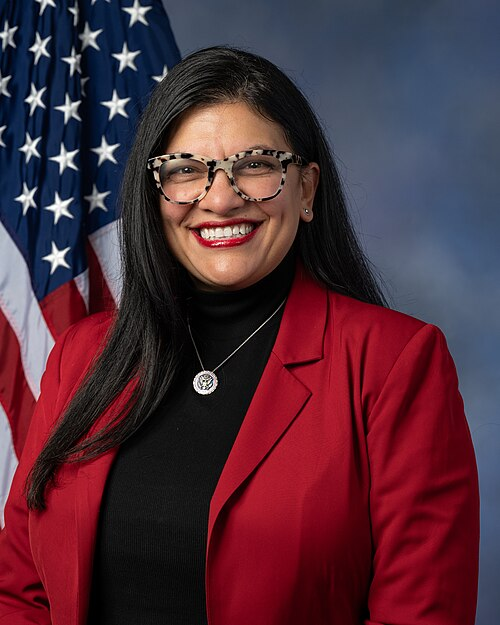
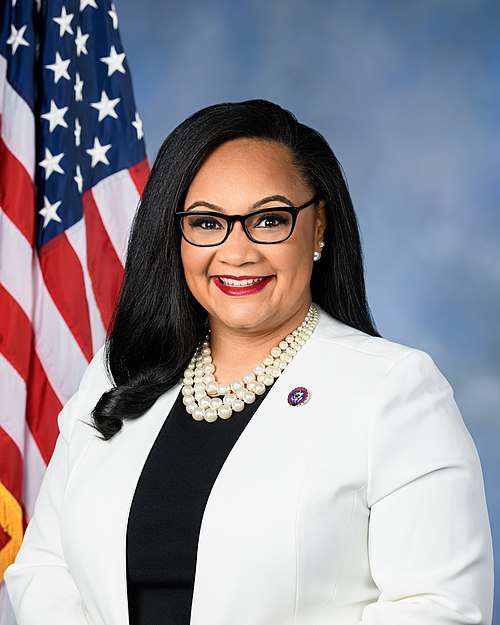
8 bill sponsors





Actions
2 actions
| Date | Action |
|---|---|
| Aug. 13, 2026 | Introduced in House |
| Aug. 13, 2026 | Referred to the House Committee on Financial Services. |
Corporate Lobbying
0 companies lobbying
None found.
* Note that there can be significant delays in lobbying disclosures, and our data may be incomplete.
Potentially Relevant Congressional Stock Trades
No relevant congressional stock trades found.