
H.R. 10097: Earn to Learn Act
This bill would create a federal demonstration program to help low-income students save for college or career training, with government matching funds added to their savings.
What the program would do
The Secretary of Education would set up a grant program for states and nonprofit organizations. These groups could apply for competitive grants to run “postsecondary education match savings account” programs for eligible students.
The program is intended for students from low-income families who have been admitted to an eligible school, which can be either:
- an institution of higher education, or
- a career and technical education school.
How the savings accounts would work
Selected students and their families could deposit money into a savings account set aside for education expenses. The accounts could be either a custodial account or a 529 college savings account.
Before joining, students would have to complete required personal finance training and agree to participate in the savings program. They would also need to meet any other criteria set by the state or nonprofit running the program.
For every $100 a participating student or family deposits, the program would provide matching funds at a rate of $8 for each additional dollar saved, subject to the program’s rules.
Training and support
Grant recipients would have to provide students with financial literacy and coaching services. The Education Department would develop tools for grantees, including:
- a reporting dashboard to track progress,
- a financial capability training platform,
- a program guide, and
- a success coaching model.
The training would cover topics such as budgeting, student loans, financial aid, credit, debt, banking, emergency savings, retirement, housing costs, privacy, and predatory lending. The coaching model could also include college readiness and workforce readiness support, such as mentoring, interviewing skills, resume building, and career exploration.
Rules for grants and matching funds
To receive a grant, an eligible entity would need to show that it has non-federal matching money available at a 1:1 ratio. The federal grant could not exceed the lesser of:
- the amount of non-federal matching funds committed, or
- $10 million.
The bill says participation in the program would not affect a student’s eligibility for Pell Grants. It also says money saved in these accounts, including matching funds, would not count against a student when determining eligibility for federal student aid.
What happens if a student leaves or does not qualify
If a student withdraws during the school’s drop-add period, they would be responsible for any money owed for that term and would not receive matching funds for that period.
If a student does not meet or continue to meet the program’s requirements, the student or family would still be able to withdraw the money they themselves contributed, according to the program’s terms. The matching funds would stop once the student’s participation ends.
Participation would generally end after:
- 8 years from the student’s first enrollment in school, or
- 4 years after agreeing to participate if the student never enrolls.
Reporting and evaluation
Grant recipients would have to submit annual reports on participation, savings, retention, completion, loan borrowing, and other program outcomes. The Education Department would also report to Congress within a year after the program begins, including whether the model appears to improve savings and student success and whether a permanent program should be created.
Funding
The bill authorizes $100 million for fiscal year 2027 and each of the next four years. Up to 10% of that amount could be used for technical assistance to grantees.
Relevant Companies
- None found
This is an AI-generated summary of the bill text. There may be mistakes.
Sponsors
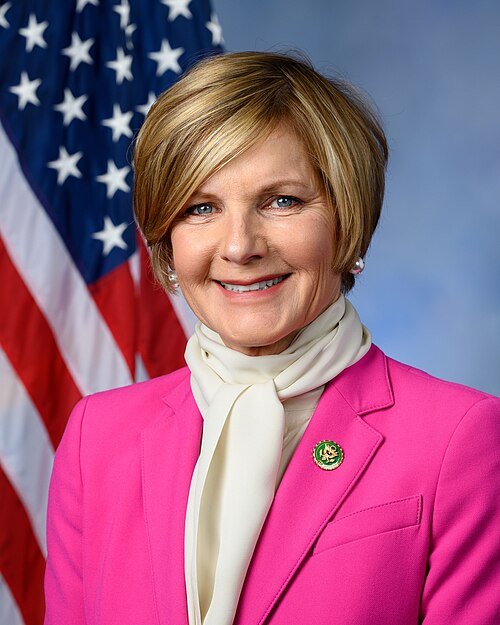
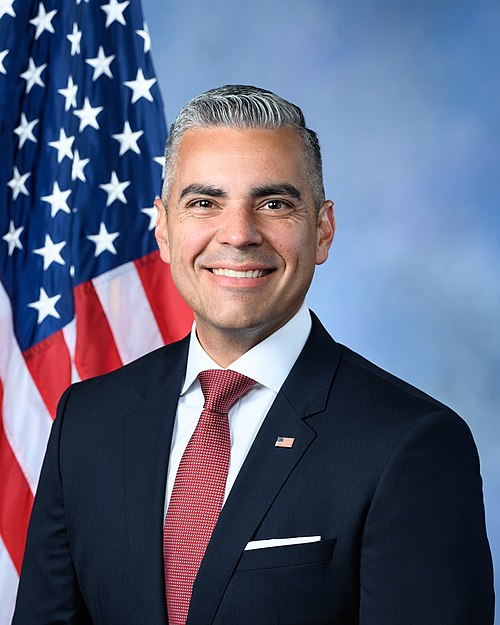
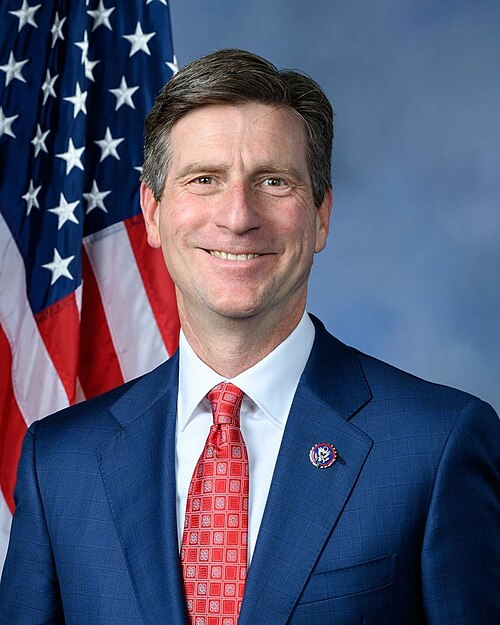
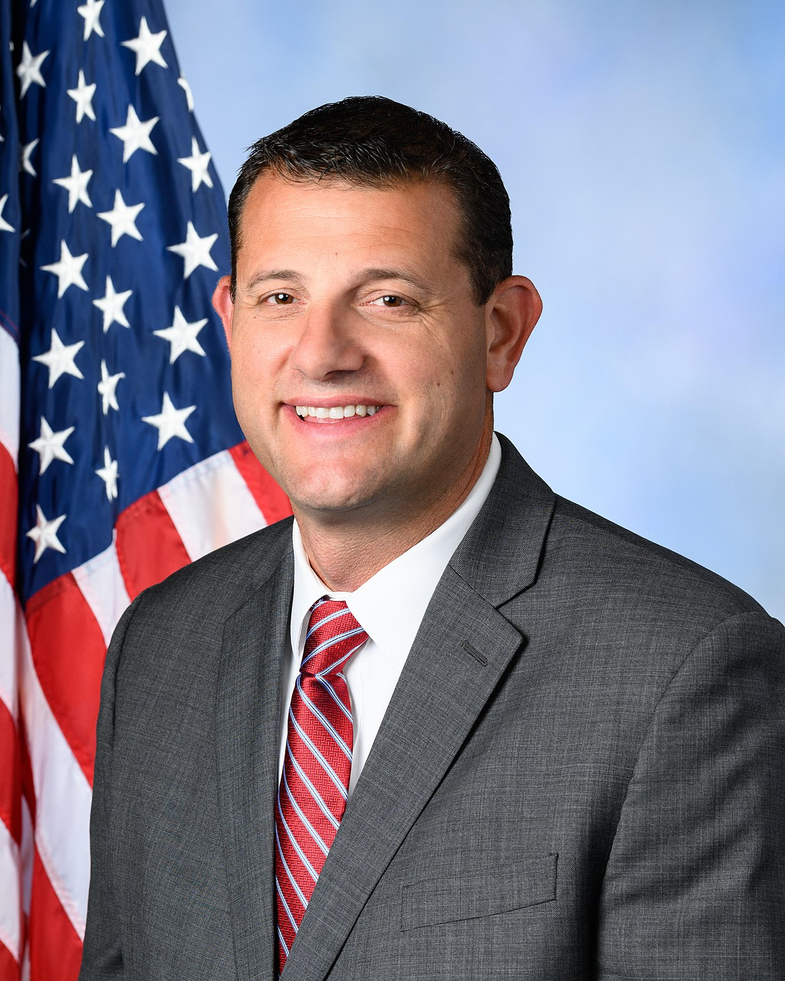
4 bill sponsors
Actions
2 actions
| Date | Action |
|---|---|
| Aug. 13, 2026 | Introduced in House |
| Aug. 13, 2026 | Referred to the House Committee on Education and Workforce. |
Corporate Lobbying
0 companies lobbying
None found.
* Note that there can be significant delays in lobbying disclosures, and our data may be incomplete.
Potentially Relevant Congressional Stock Trades
No relevant congressional stock trades found.