
H.R. 10079: Beverage Regulatory Parity Act
This bill would create a federal framework for hemp-derived beverages, which are non-alcoholic drinks containing certain hemp-based cannabinoids, including some forms of THC, as long as they meet the bill’s limits and definitions. In general, it moves these products into a system similar to the one used for alcoholic beverages, with federal oversight over manufacturing, labeling, advertising, distribution, and taxation.
What counts as a hemp-derived beverage
The bill defines a hemp-derived beverage as a non-alcoholic liquid intended for human consumption that:
- contains certain naturally occurring cannabinoids from hemp,
- does not contain synthetically derived cannabinoids or marijuana,
- is packaged and labeled in the United States,
- is sold as a final consumer product rather than as an intermediate ingredient,
- is not a tincture, isolate, powder, or distillate,
- contains no more than 5 milligrams of intoxicating THC per serving,
- contains no more than 5 milligrams of certain other naturally occurring cannabinoids per serving, and
- is not marketed as a dietary supplement or as a drug.
Which federal agencies would regulate it
The bill splits oversight between two agencies:
- The Tax and Trade Bureau in the Treasury Department would handle permits, distribution rules, labeling, advertising, and other marketplace rules.
- The Food and Drug Administration, under the Department of Health and Human Services, would treat hemp-derived beverages as food and enforce food-safety rules.
Manufacturing, distribution, and permits
The bill sets up a three-tier system similar to alcohol regulation:
- Manufacturers can sell to wholesalers, but not directly to retailers.
- Wholesalers can buy from manufacturers and sell to retailers or trade buyers.
- Retailers can buy from wholesalers, but not directly from manufacturers.
Manufacturers would need a federal permit and would have to meet requirements on cannabinoid content, contaminants, sourcing, testing, recordkeeping, and inspections. A company could not hold both manufacturing and wholesaling permits at the same time, and it could not have an interest in more than one tier of the system.
Labeling and advertising rules
The bill would require federal rules for packaging and labels, and it would ban misleading or youth-oriented marketing. Labels would have to provide consumers with information about the product’s identity, quality, cannabinoid content, net contents, manufacturer, and country of origin.
Labels would also need to include clear warnings and notices, including:
- the number of servings and milligrams of cannabinoids,
- risks to special populations such as children and pregnant people,
- possible effects on alertness and the ability to drive or operate machinery,
- recommended use directions and expected onset time,
- a statement that users must be 21 or older, and
- a warning that the product may cause a marijuana drug test to be positive.
Advertising would also be regulated, and the rules would not be allowed to be more restrictive than the comparable federal rules for alcohol advertisements.
Age restrictions and penalties
The bill makes it unlawful for anyone under 21 to buy, possess, or consume hemp-derived beverages. Retailers would be prohibited from selling these products to people under 21.
Violations of the labeling, advertising, permit, and food-safety rules could lead to misdemeanor penalties and fines. For retailers, each unlawfully sold beverage could count as a separate violation.
Food safety and adulteration rules
Under the bill, hemp-derived beverages would generally be treated as food under federal law. A beverage would be considered adulterated if it:
- exceeds the allowed THC limit,
- contains more than a trace amount of non-natural cannabinoids,
- contains certain added substances such as alcohol, caffeine, nicotine, tobacco, or melatonin if they could create harmful interactions with cannabinoids, or
- is made in a facility that blocks or delays inspections.
The Secretary of Health and Human Services would also have to create a recall process for adulterated hemp-derived beverages.
State and local authority
The bill says states, local governments, and Indian Tribes would keep their authority to regulate or ban hemp-derived beverages within their own borders. The bill would not preempt stricter local rules on production, sale, possession, transportation, advertising, labeling, or consumption. It also protects legal transportation through a state when the product is only passing through and not being sold there.
Federal tax
The bill would impose a federal excise tax on hemp-derived beverages produced in the United States. The tax would be 8 cents per milligram of intoxicating THC content in the beverage, collected when the product leaves the manufacturer for sale or consumption.
Reports and rulemaking
Within one year, the Tax and Trade Bureau would have to report to Congress on how the law is working. The FDA would also have to commission a report on testing, impairment, and serving sizes for hemp-derived beverages. The bill directs federal agencies to issue additional regulations and guidance, including rules on product tracking and possible changes to serving or container sizes based on the report.
Relevant Companies
None found
This is an AI-generated summary of the bill text. There may be mistakes.
Sponsors
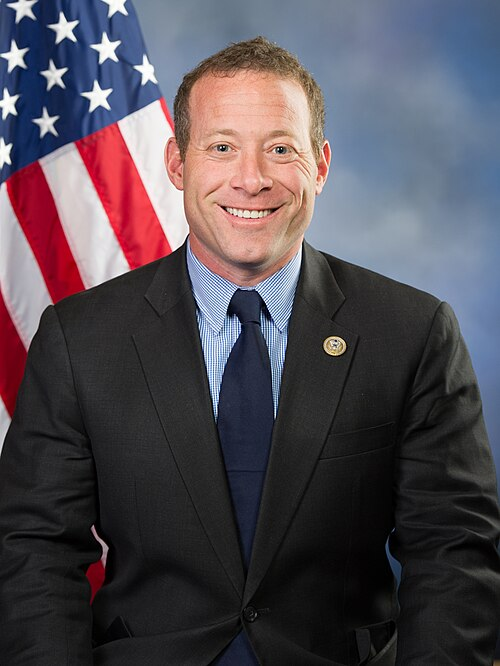
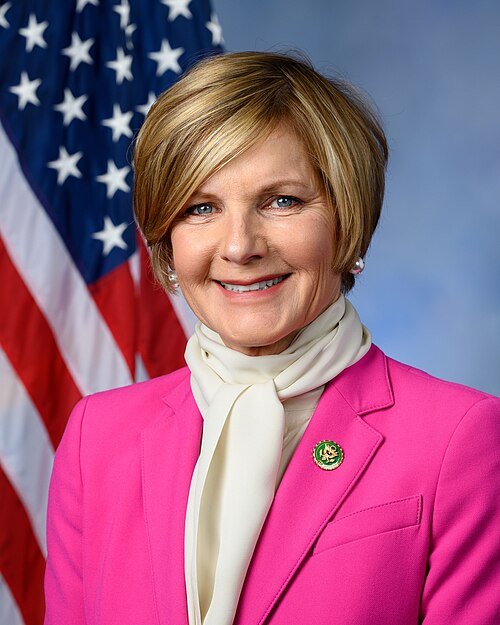
5 bill sponsors



Actions
2 actions
| Date | Action |
|---|---|
| Aug. 10, 2026 | Introduced in House |
| Aug. 10, 2026 | Referred to the Committee on Energy and Commerce, and in addition to the Committee on Ways and Means, for a period to be subsequently determined by the Speaker, in each case for consideration of such provisions as fall within the jurisdiction of the committee concerned. |
Corporate Lobbying
0 companies lobbying
None found.
* Note that there can be significant delays in lobbying disclosures, and our data may be incomplete.
Potentially Relevant Congressional Stock Trades
No relevant congressional stock trades found.