
H.R. 10073: Critically Endangered Animals Conservation Act of 2026
This bill would create a new federal grant program to help conserve critically endangered animal species in other countries. It would set up a new account called the Critically Endangered Animals Conservation Fund within an existing U.S. wildlife conservation fund, and the Secretary of the Interior would use money from that fund to award competitive grants for conservation projects.
What kinds of species are covered
The bill defines “critically endangered species” broadly. It includes animal species listed by the International Union for Conservation of Nature (IUCN) as Endangered or Critically Endangered. It can also include some species listed as less threatened or data deficient if the Interior Secretary decides their population is declining or they face new or emerging threats. The definition also covers parts of those animals, products made from them, eggs, offspring, live specimens, and carcasses.
Who could apply for grants
Grant proposals could be submitted by:
- a foreign government wildlife authority in a country where the species lives, if the project would benefit the species; or
- any other person or group with the expertise and capacity to carry out the conservation work.
However, an applicant would not be eligible for a grant for a particular species if it already receives funding for that same species from a multinational species conservation fund involving the U.S. Fish and Wildlife Service.
What projects could be funded
The Secretary of the Interior could approve projects that help recover wild populations, improve compliance with the Convention on International Trade in Endangered Species of Wild Fauna and Flora (CITES) or related laws, or generate scientific information about a species’ habitat, population, reproduction, mortality, and threats.
Examples of eligible activities include:
- protecting, restoring, or managing habitat;
- researching and monitoring wildlife populations;
- developing or improving conservation plans;
- enforcing laws against illegal capture, removal, or trade;
- training local law enforcement;
- reducing conflict between people and wildlife;
- addressing disease or other health threats;
- community education and outreach; and
- helping local communities carry out conservation programs.
Application and approval process
Project proposals would need to include, when relevant:
- support from the host country’s government;
- proof that the project respects local cultural and historic resources and follows applicable laws;
- evidence of free, prior, and informed consent from indigenous peoples and local communities, if the Secretary decides it is needed for the project’s success;
- information about matching funds; and
- other information the Secretary asks for.
Before approving a proposal, the Secretary would have to consult with the government of the country where the project would happen and with any other appropriate federal agency. The Secretary would be required to decide within 180 days and notify the applicant, relevant federal agencies, and the foreign country involved.
Preference would go to projects designed for long-term conservation and those with matching funds available.
Limits on how the money could be used
Grant money generally could not be used for captive breeding unless it is specifically aimed at releasing animals into the wild. Even then, captive breeding for release could only be used if no other conservation method is biologically or technically feasible.
Funding and administration
The bill would authorize $5 million per year for fiscal years 2027 through 2032 for the new fund. The Secretary of the Treasury would manage the fund’s investments, and the Secretary of the Interior could spend up to 5 percent of the fund each fiscal year, or $150,000, whichever is greater, on administrative costs. The bill also allows the Secretary to accept donations to support the program.
Reporting and public disclosure
Recipients of assistance would have to submit periodic progress reports. Those reports, and other project documents, would generally be made public unless the Secretary determines they are confidential. The Secretary would also have to submit a report to Congress one year after enactment and every two years after that on the program’s results and effectiveness.
Relevant Companies
None found.
This is an AI-generated summary of the bill text. There may be mistakes.
Sponsors
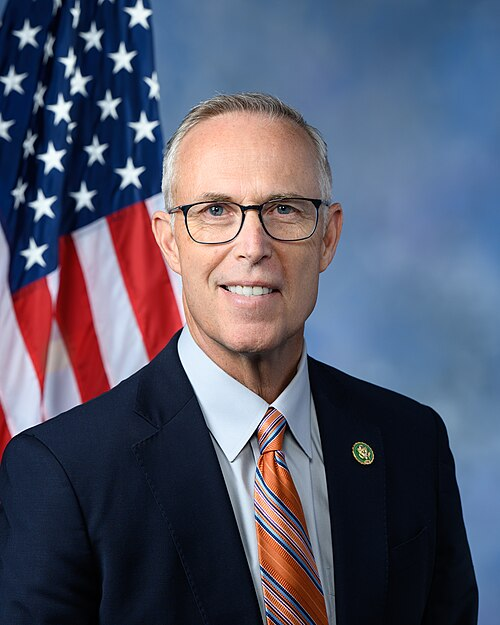
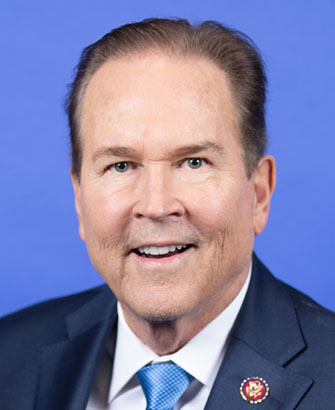
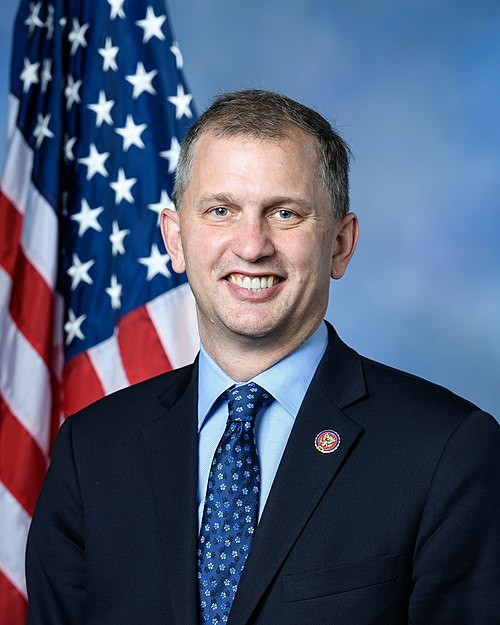
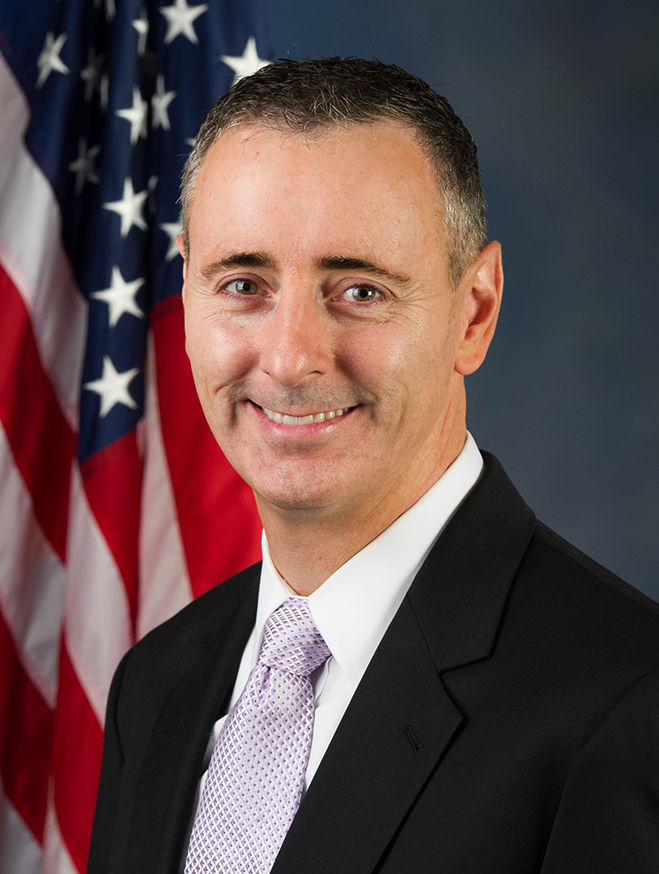
7 bill sponsors


Actions
2 actions
| Date | Action |
|---|---|
| Aug. 10, 2026 | Introduced in House |
| Aug. 10, 2026 | Referred to the House Committee on Natural Resources. |
Corporate Lobbying
0 companies lobbying
None found.
* Note that there can be significant delays in lobbying disclosures, and our data may be incomplete.
Potentially Relevant Congressional Stock Trades
No relevant congressional stock trades found.