H.R. 10061: Wildfire Response and Readiness Act
This bill would create a wide-ranging federal wildfire program aimed at reducing fire risk, improving firefighting capacity, and helping communities recover after fires. It combines prevention, response, recovery, workforce, and research measures into one package.
Fire prevention and forest management
The bill would expand the use of prescribed burns and other forest restoration work. It would provide liability protections in some cases for people managing prescribed fire and partners involved in those projects. It also promotes landscape-scale fire planning, fire education, and coordination on smoke management. In addition, it would support programs for reforestation, nursery and seed orchard development, watershed recovery after fires, invasive species control, and long-term rehabilitation of burned lands.
Grants, funding, and project delivery
The bill would fund a range of wildfire mitigation and restoration programs, including community resilience grants and household mitigation grants. It would require that approved wildfire aid, loans, and grants be distributed within 90 days. It would also set up a resilience and restoration grant fund and expand existing wildfire-related grant programs. For project selection, it would direct agencies to consider factors such as ecosystem benefits, wildfire risk reduction, local employment, wood-related jobs, and the ability to work across larger landscapes.
Federal coordination, science, and technology
The bill would create new advisory panels, science boards, and a Joint Office to improve coordination across agencies. It would require more federal studies and reports on wildfire mitigation, communications, and smoke exposure. It would also establish new data centers and a NOAA office focused on fire-environment forecasting and smoke monitoring, using tools such as artificial intelligence, data analysis, predictive services, and satellite monitoring. The goal is to improve fire models, risk mapping, public health integration, and early detection.
Firefighting workforce and training
The bill would expand wildfire training through Civilian Conservation Centers and housing support, and it would create a pilot program for veterans to enter wildland firefighting. It would also improve pay, leave, health coverage, retirement treatment, bonuses, and casualty support for firefighters. The bill includes reporting requirements, hiring goals, and automatic pay adjustments tied to inflation. In addition, it would support youth corps programs and other workforce development efforts related to wildfire restoration and response.
Operations, safety, and federal land management
The bill would create a utility vegetation-removal permit process on federal lands to help reduce fire hazards near power infrastructure. It would also establish BAER teams, which are intended to assess and respond to burned areas after wildfires. The bill includes a long-term burned-area rehabilitation account and measures to standardize wildfire cost-sharing payments. It would also require public reporting on wildfire mitigation and recovery efforts.
Retirement and service credit changes
For certain current employees, the bill would allow some prior service performed before enactment to count as firefighter service if specific date ranges and break-in-service rules are met and retirement deductions were made. Employees would need to elect coverage and pay missed contributions plus interest.
Limits on federal workforce reductions
The bill would restrict layoffs, facility closures, and involuntary separations at the Department of the Interior and the Forest Service unless approved. This is intended to maintain staffing and operational capacity related to wildfire response, land management, and related services.
Relevant Companies
- AEIS — Advanced Energy Industries may be indirectly affected by increased demand for wildfire monitoring, sensing, and power-related technologies used in fire detection and grid safety.
- LDOS — Leidos could see opportunities from federal data, modeling, monitoring, and coordination systems tied to wildfire forecasting and public safety.
- BAH — Booz Allen Hamilton may be involved in government data, analytics, and technology services related to wildfire planning and risk mapping.
- IBM — IBM could be affected through public-sector AI, data platforms, and predictive analytics used in wildfire modeling and monitoring.
- METC — Ramaco Resources is not directly targeted, but companies involved in forestry, land management, and biomass-related supply chains could be indirectly affected by restoration and wood-products provisions; however, direct impact is less certain.
This is an AI-generated summary of the bill text. There may be mistakes.
Sponsors
13 bill sponsors
-
TrackJoe Neguse
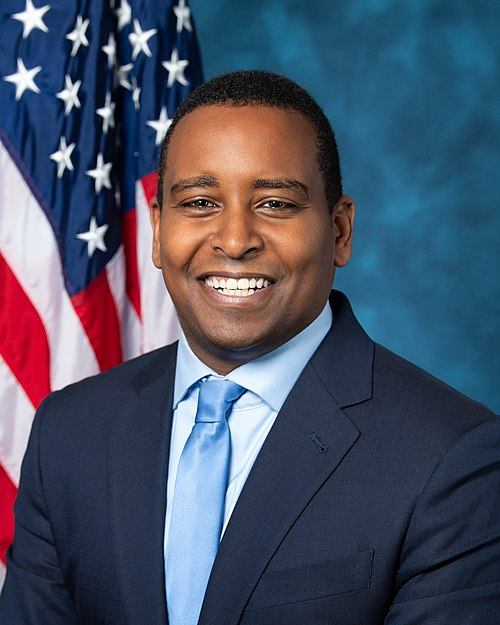
Sponsor
-
TrackAmi Bera
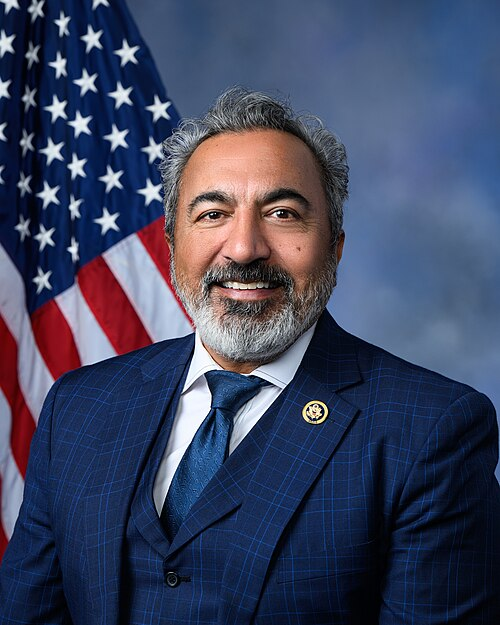
Co-Sponsor
-
TrackSalud O. Carbajal
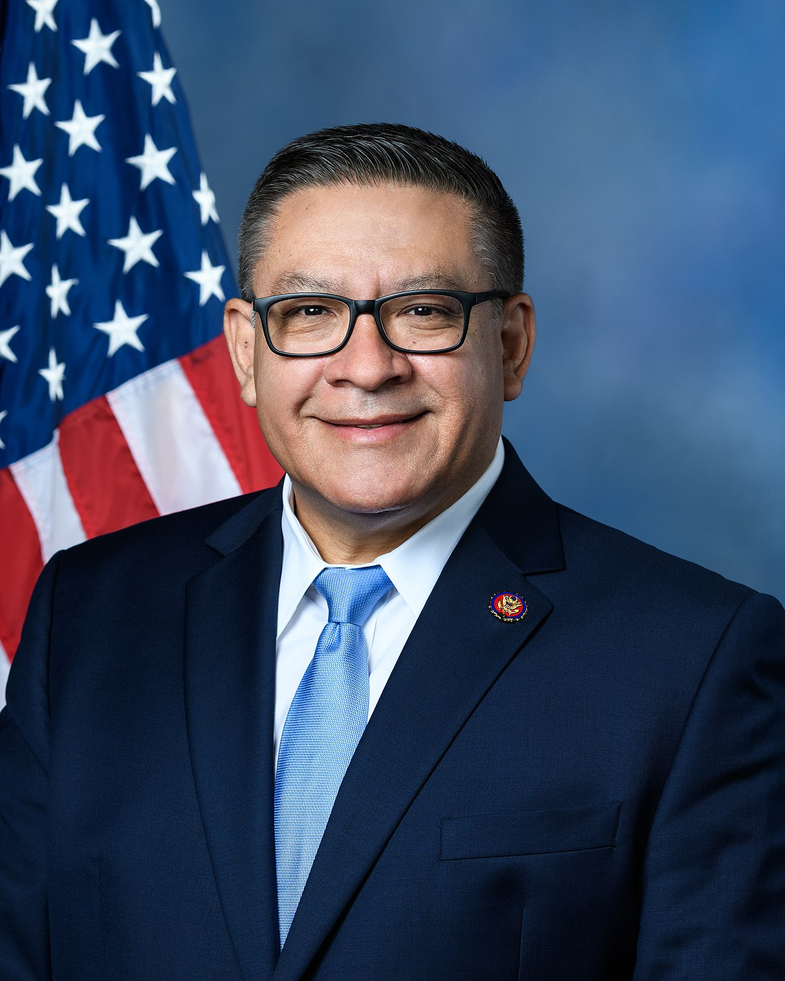
Co-Sponsor
-
TrackEd Case
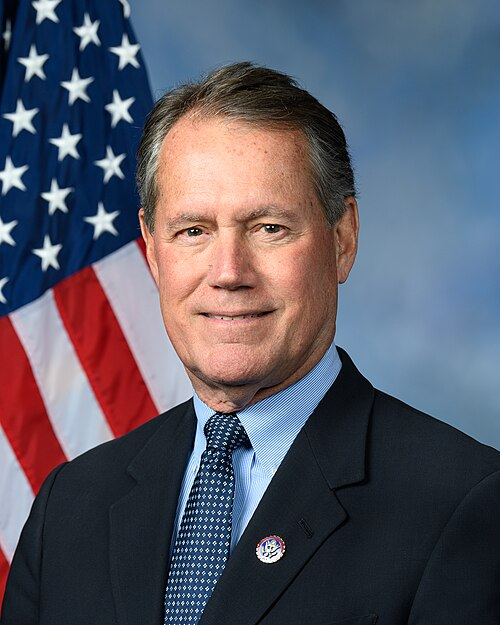
Co-Sponsor
-
TrackAngie Craig

Co-Sponsor
-
TrackJared Huffman
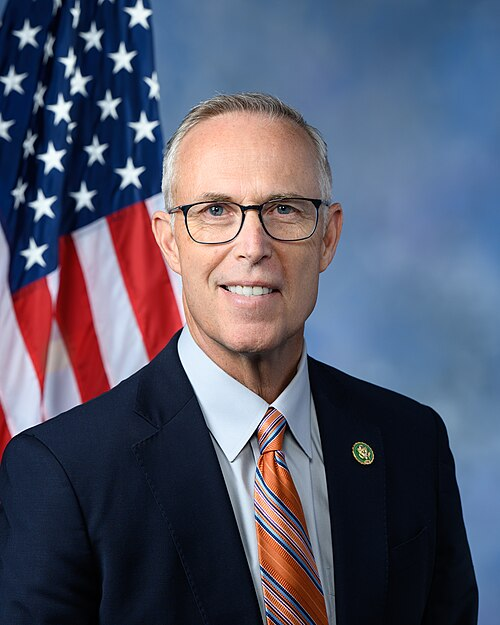
Co-Sponsor
-
TrackKevin Mullin
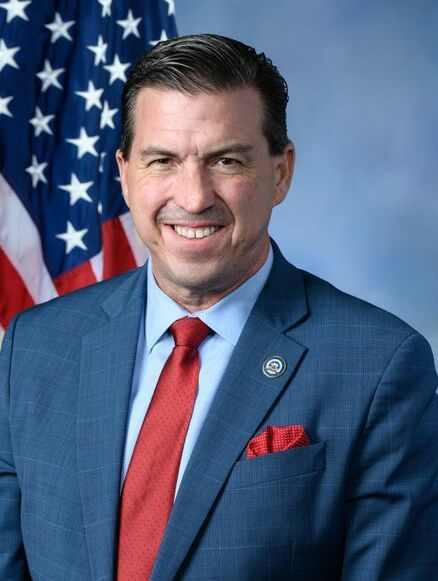
Co-Sponsor
-
TrackBrittany Pettersen

Co-Sponsor
-
TrackEmily Randall
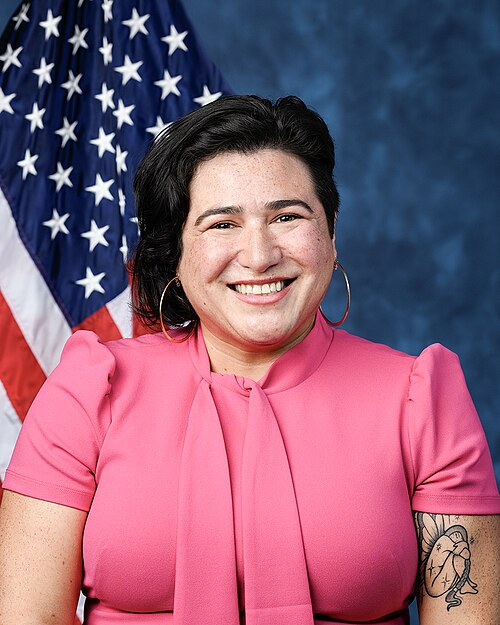
Co-Sponsor
-
TrackAndrea Salinas

Co-Sponsor
-
TrackNorma J. Torres

Co-Sponsor
-
TrackGabe Vasquez
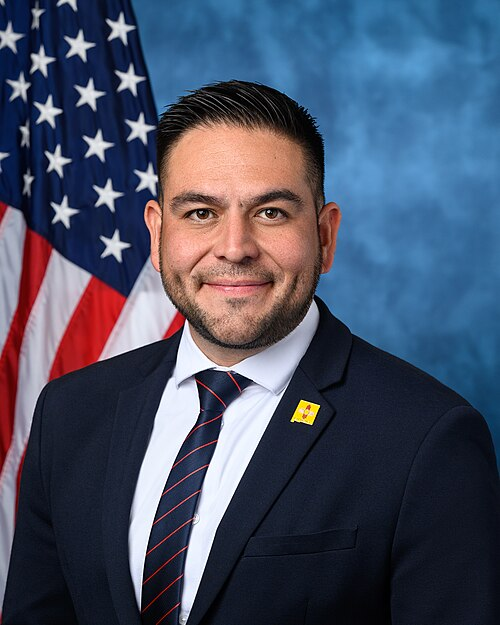
Co-Sponsor
-
TrackGeorge Whitesides
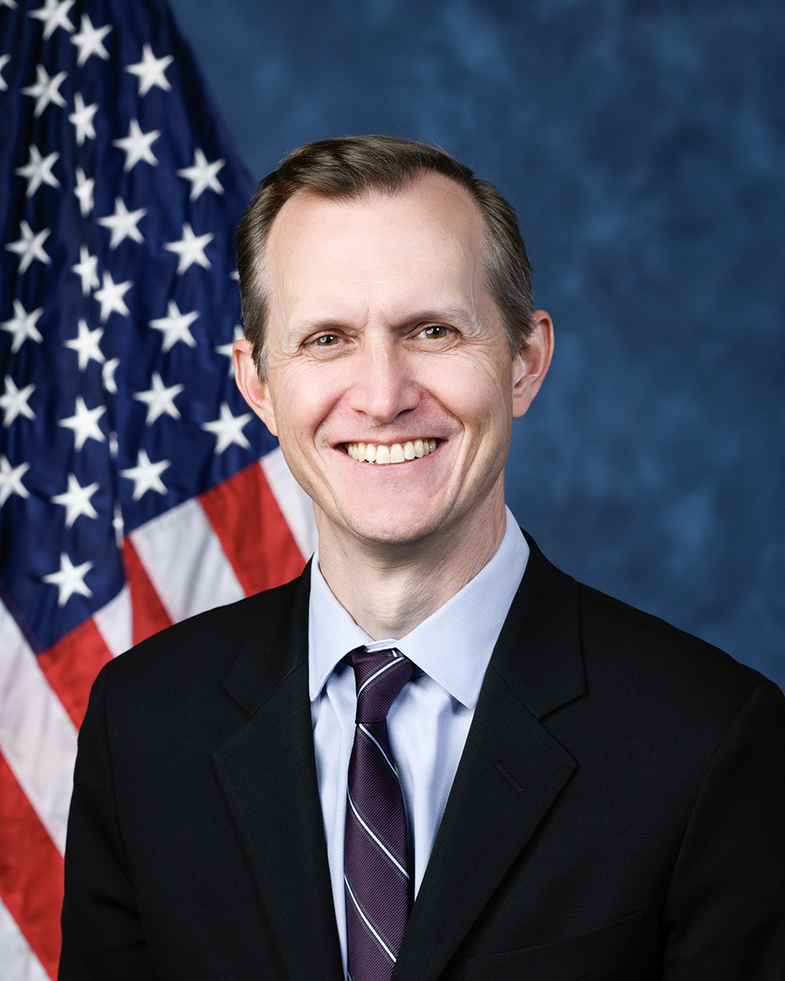
Co-Sponsor
Actions
2 actions
| Date | Action |
|---|---|
| Aug. 06, 2026 | Introduced in House |
| Aug. 06, 2026 | Referred to the Committee on Natural Resources, and in addition to the Committees on Agriculture, Transportation and Infrastructure, Small Business, Science, Space, and Technology, Energy and Commerce, Education and Workforce, Veterans' Affairs, and Oversight and Government Reform, for a period to be subsequently determined by the Speaker, in each case for consideration of such provisions as fall within the jurisdiction of the committee concerned. |
Corporate Lobbying
0 companies lobbying
None found.
* Note that there can be significant delays in lobbying disclosures, and our data may be incomplete.