
H.R. 10056: Nurse Overtime and Patient Safety Act of 2026
This bill would add new federal rules limiting when certain health care providers can require nurses to work overtime. It applies to providers that receive Medicare payments, including hospitals, psychiatric hospitals, outpatient departments, critical access hospitals, ambulatory surgical centers, home health agencies, rehabilitation agencies, clinics, rural health clinics, federally qualified health centers, and other facilities the Secretary of Health and Human Services may identify.
What the main rule would do
Under the bill, a provider generally could not require a nurse to work:
- past a scheduled shift or duty period;
- more than 48 hours in a workweek;
- more than 12 consecutive hours in a 24-hour period; or
- during the 10 hours immediately after the nurse has already worked 12 hours in a 24-hour period.
The bill says that certain time counts as work hours for these limits, including required meetings, training, and some on-call or standby time.
Voluntary overtime
The bill would still allow nurses to volunteer for overtime. It only limits mandatory overtime that a provider requires and that could lead to punishment if refused.
Emergency exceptions
There is an exception for declared emergencies or disasters. In those situations, a nurse may be required to work beyond the normal limits, but only if the provider has made reasonable efforts to fill staffing needs in other ways and certain conditions are met. The extra work must not continue longer than necessary, and it must be tied to the emergency response. The bill also includes a narrow exception for certain cases where a shift vacancy is discovered at the end of a shift and leaving could harm a patient.
Worker protections
The bill would protect nurses from being punished for refusing mandatory overtime or for reporting possible violations. Providers could not fire, discipline, demote, reduce pay, or otherwise retaliate against nurses for:
- refusing mandatory overtime;
- reporting or suspected reporting of violations to regulators, accrediting bodies, or management;
- participating in investigations; or
- discussing violations with coworkers or professional representatives.
Providers also could not file a complaint against a nurse with a state disciplinary agency just because the nurse refused mandatory overtime.
Notices, records, and scheduling transparency
Each provider would have to create written policies and procedures about mandatory overtime, document emergency overtime in writing, and make those policies available to nursing staff. Providers would also have to post a notice explaining nurses’ rights and complaint procedures. In addition, they would have to regularly post nurse schedules and make daily schedules available to nurses in the affected department or unit upon request.
Enforcement and penalties
Hospitals and other covered providers that knowingly violate the rules could face civil money penalties of up to $10,000 per violation, with higher penalties for repeated violations. The Secretary of Health and Human Services would investigate complaints from nurses and could require a provider to create a corrective action plan. The bill also says HHS would publish on its website the names of providers that receive these penalties, along with information about the violation.
State laws and other rights
The bill would not override state laws that give nurses stronger protection against mandatory overtime. It also would not change other rights or remedies nurses already have under federal, state, or local law, or under union contracts and other employment agreements.
Studies and reports
The bill would require federal studies on safe maximum working hours for nurses and on whether federally operated medical facilities, such as VA or Defense Department facilities, have overtime practices that conflict with the new rules. HHS would have to report recommendations to Congress. The operational changes would take effect one year after enactment.
Relevant Companies
None found
This is an AI-generated summary of the bill text. There may be mistakes.
Sponsors
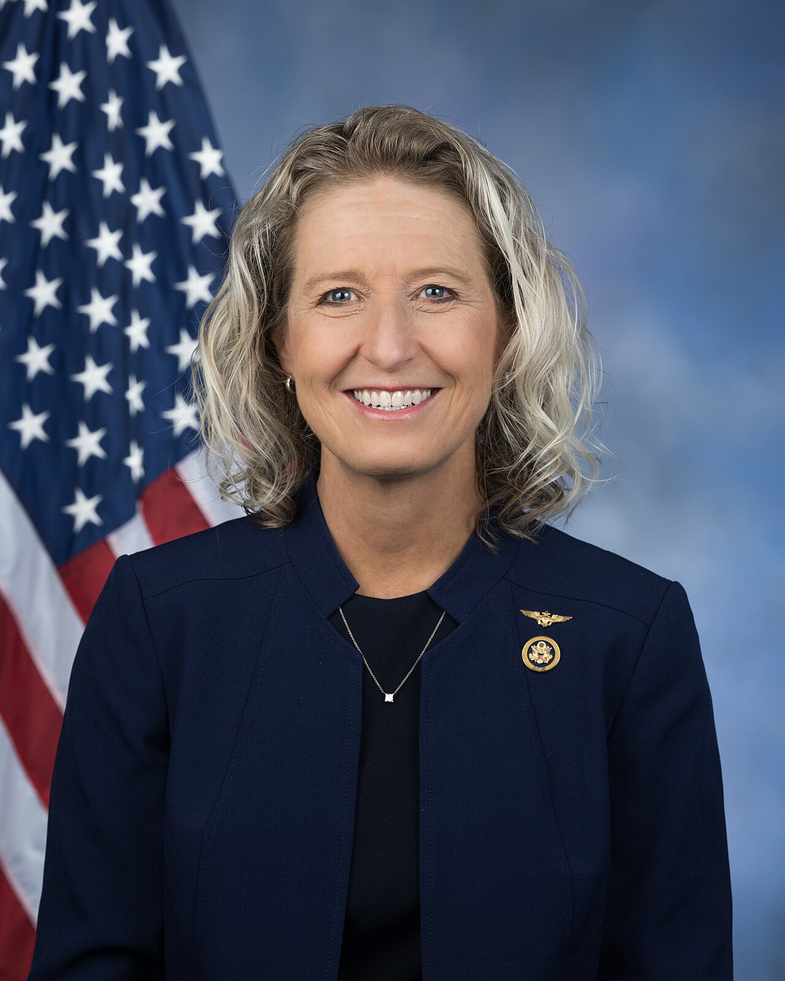
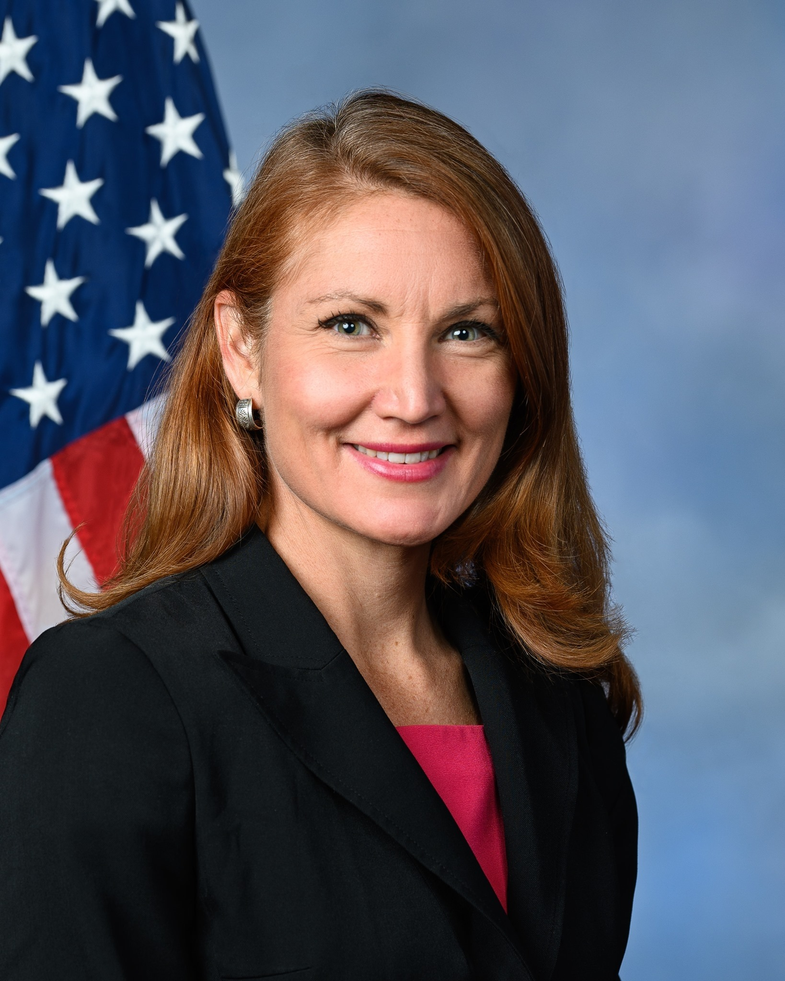
5 bill sponsors



Actions
2 actions
| Date | Action |
|---|---|
| Aug. 06, 2026 | Introduced in House |
| Aug. 06, 2026 | Referred to the Committee on Energy and Commerce, and in addition to the Committee on Ways and Means, for a period to be subsequently determined by the Speaker, in each case for consideration of such provisions as fall within the jurisdiction of the committee concerned. |
Corporate Lobbying
0 companies lobbying
None found.
* Note that there can be significant delays in lobbying disclosures, and our data may be incomplete.
Potentially Relevant Congressional Stock Trades
No relevant congressional stock trades found.