
H.R. 10037: Virtual-Based Opioid Treatment for Veterans Act
This bill would direct the Department of Veterans Affairs (VA) to start a pilot program aimed at making virtual opioid treatment more available to eligible veterans.
What the pilot program would do
- Start within 180 days after the bill is enacted.
- Reach out to veterans and their families about virtual treatment options for opioid use disorder available through the VA Community Care Program.
- Build referral networks to help connect veterans to virtual treatment programs, with an emphasis on reducing common barriers to care.
- Create a referral pipeline into these programs and support it with a national public awareness campaign.
- Make VA clinicians and peer-support specialists aware of these community-based virtual treatment options, especially for patients who have trouble accessing in-person care.
- Set up an interagency task force involving VA, Health and Human Services, Defense, and the Justice Department to coordinate the effort across agencies.
Who would be covered
The program would apply to covered veterans, meaning veterans who are enrolled in the VA patient enrollment system.
What counts as “virtual-based opioid treatment”
The bill defines this as treatment programs that:
- combine behavioral counseling and medication-assisted treatment in the same visit;
- are delivered entirely through telemedicine or telehealth;
- are provided by licensed, board-certified psychiatric clinicians with the proper DEA authorization to prescribe medication-assisted treatment; and
- meet certain outcome-based standards, such as patient retention, toxicology compliance, patient-reported outcomes, and reductions in emergency room use or escalation of care.
Study and reporting requirements
As part of the pilot, the VA would also have to study how barriers to substance use treatment affect society and then send a report to relevant agencies and congressional committees. That report would include:
- the study’s findings; and
- recommendations on how to include virtual treatment models that have shown success in overcoming access barriers.
After that, the VA would have to update the report every year until the opioid crisis is no longer considered a public health emergency.
How long the program would last
The VA’s authority to run the pilot would generally end after 2 years, unless the VA determines the program is helping improve health outcomes, in which case the VA may extend it.
Relevant Companies
None found
This is an AI-generated summary of the bill text. There may be mistakes.
Sponsors
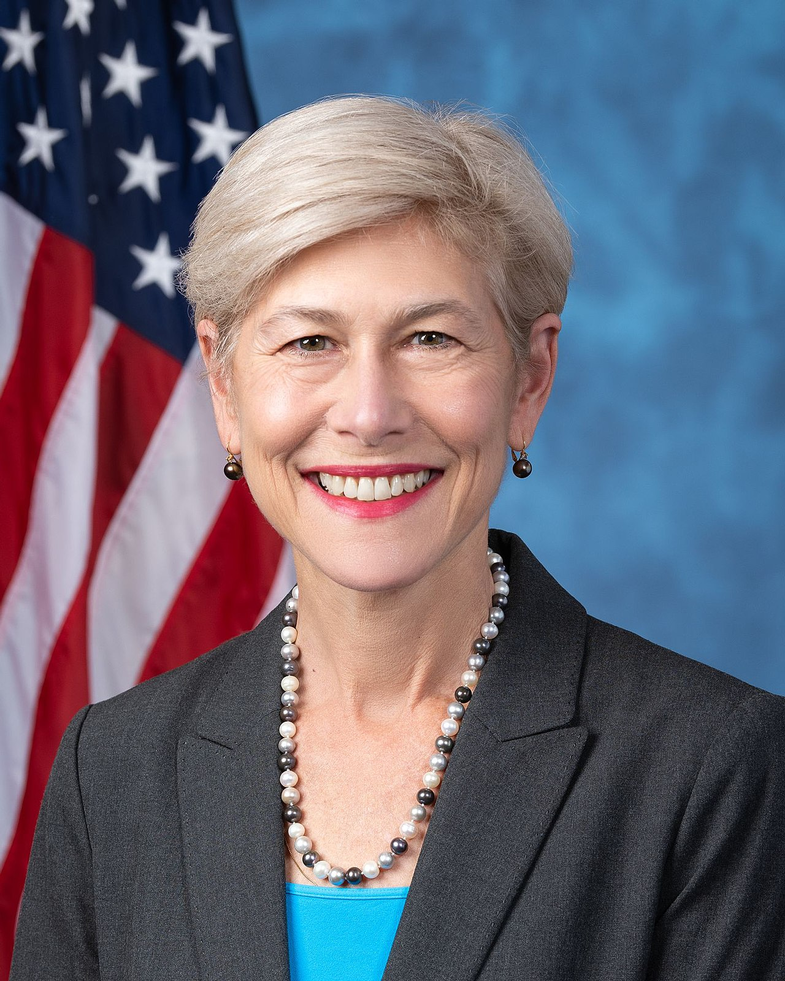
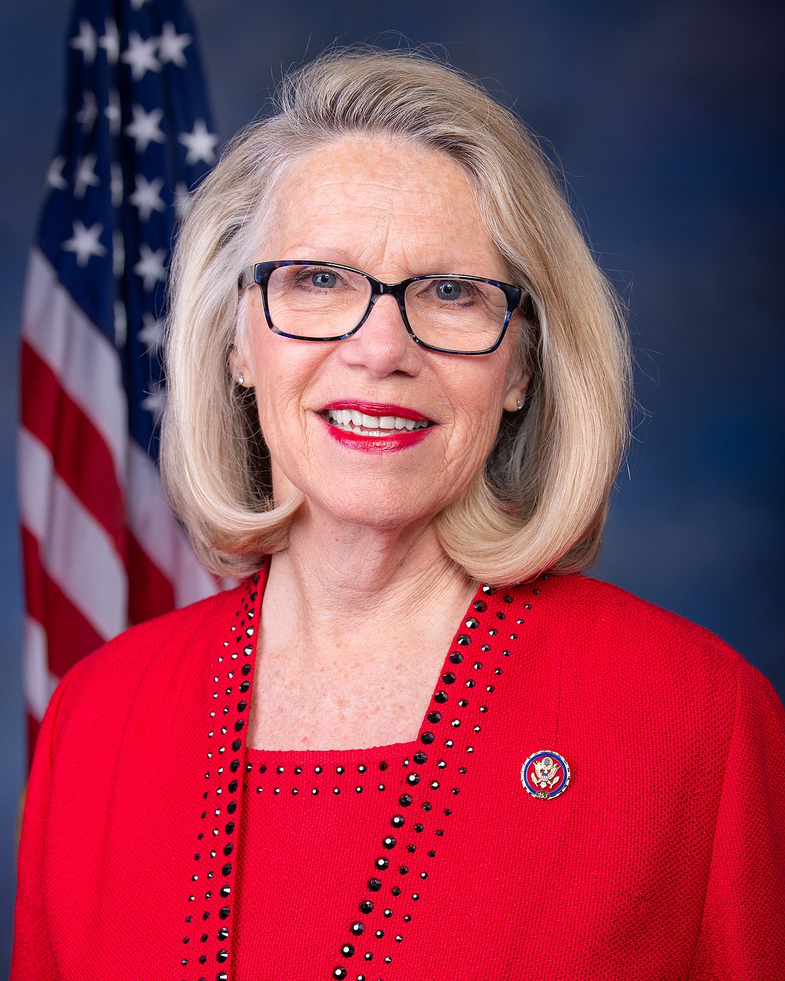
3 bill sponsors

Actions
2 actions
| Date | Action |
|---|---|
| Aug. 03, 2026 | Introduced in House |
| Aug. 03, 2026 | Referred to the House Committee on Veterans' Affairs. |
Corporate Lobbying
0 companies lobbying
None found.
* Note that there can be significant delays in lobbying disclosures, and our data may be incomplete.
Potentially Relevant Congressional Stock Trades
No relevant congressional stock trades found.