
H.R. 10036: Constituent Services Impacts of Federal Workforce Firings Act
This bill would require the Government Accountability Office (GAO) to study how federal workforce reductions affect the public services that agencies provide to individuals, businesses, and Congress.
What the study would cover
The bill says GAO must examine whether cuts to federal staff lead to problems such as:
- longer wait times for benefits, claims, and applications;
- slower responses to casework requests and lower resolution rates;
- longer call center waits or reduced service availability;
- shorter field office hours, fewer appointments, or reduced in-person access;
- more backlogs, errors, appeals, reopened cases, or repeat contacts;
- difficulty meeting legal deadlines or other required duties;
- extra strain on remaining workers, including overtime, burnout, resignations, or safety issues;
- costs beyond payroll savings, such as severance, contracting, rehiring, retraining, litigation, or relocation;
- effects at specific offices, regions, programs, or occupations;
- long-term impacts like loss of institutional knowledge.
Which workforce reductions count
The bill uses a broad definition of workforce reduction. It includes formal reductions in force under federal law, as well as other large-scale downsizing actions such as hiring freezes, non-renewal of temporary workers, mass terminations of probationary employees, deferred resignation programs, early retirement or separation incentives, and forced relocations or reassignments that result in separation.
Who GAO must consult
In doing the study, GAO would be expected to consult with federal agencies that provide major public-facing services, the Office of Personnel Management, federal employee unions, and experts in public administration, service delivery, and workforce analysis.
What GAO must report
GAO would have to submit a report within 18 months of enactment to several congressional committees. The report would need to include:
- findings on how workforce reductions affected constituent services across agencies;
- which agencies had the biggest service disruptions;
- whether reductions improved or worsened efficiency;
- recommendations for legal or administrative changes to help maintain services during workforce reductions;
- expected short-term and long-term effects on service delivery;
- policy options Congress could consider, such as coordination tools or continuity planning;
- an assessment of how staffing shortages affected agencies’ ability to respond to congressional casework inquiries.
The report would also have to be made public on GAO’s website.
Bottom line
The bill does not directly change federal hiring, firing, or restructuring rules. Instead, it directs GAO to gather evidence and publish a detailed assessment of how federal staffing cuts affect the public’s ability to get help from federal agencies and how well agencies can respond to Congress on behalf of constituents.
Relevant Companies
None found
This is an AI-generated summary of the bill text. There may be mistakes.
Sponsors
12 bill sponsors
-
TrackBrittany Pettersen
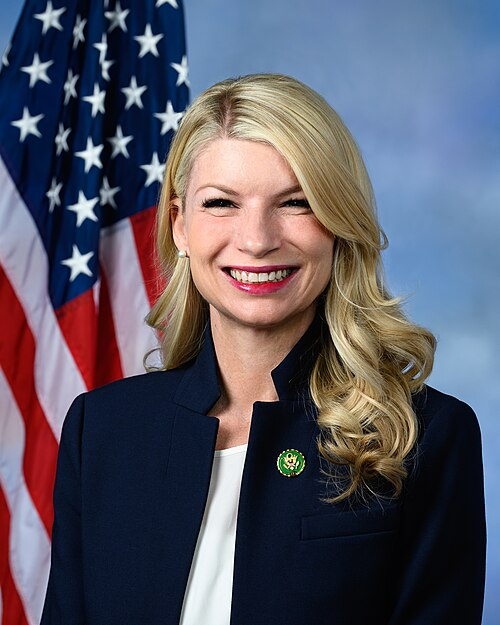
Sponsor
-
TrackYassamin Ansari
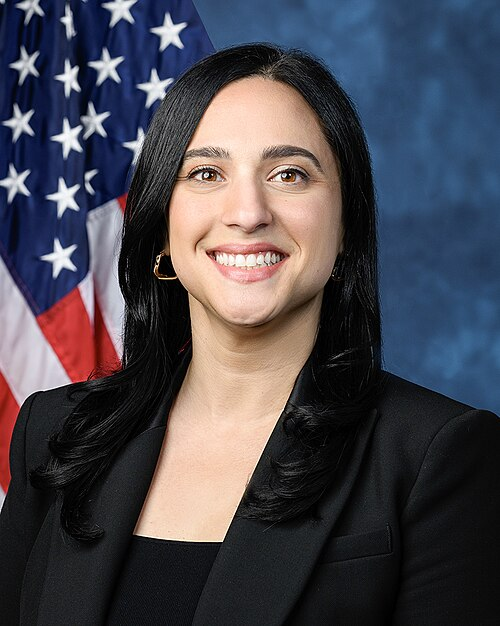
Co-Sponsor
-
TrackAndré Carson
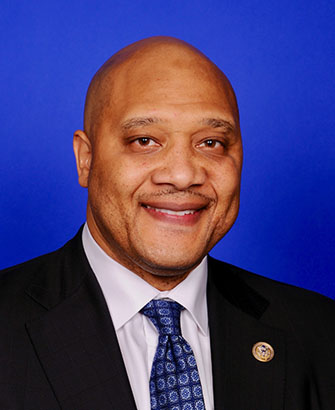
Co-Sponsor
-
TrackJudy Chu
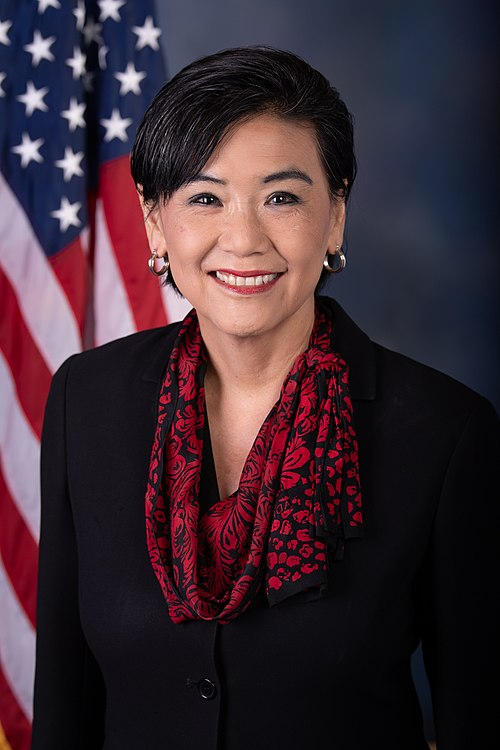
Co-Sponsor
-
TrackMaxwell Frost
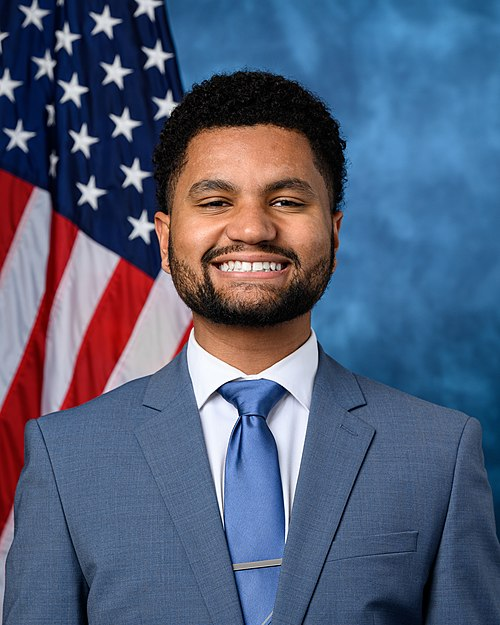
Co-Sponsor
-
TrackSeth Moulton
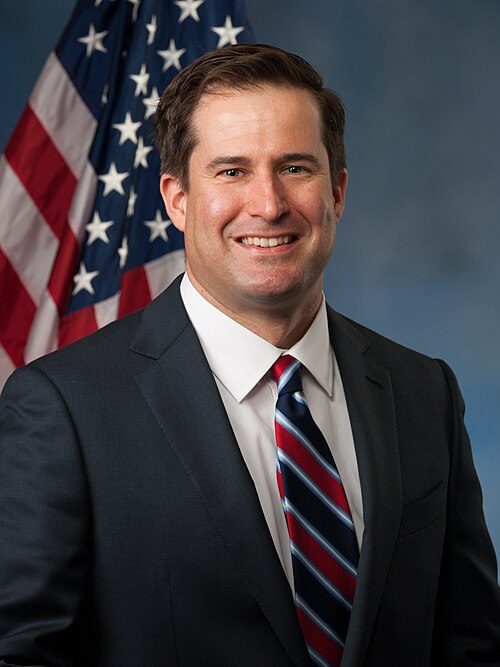
Co-Sponsor
-
TrackJoe Neguse
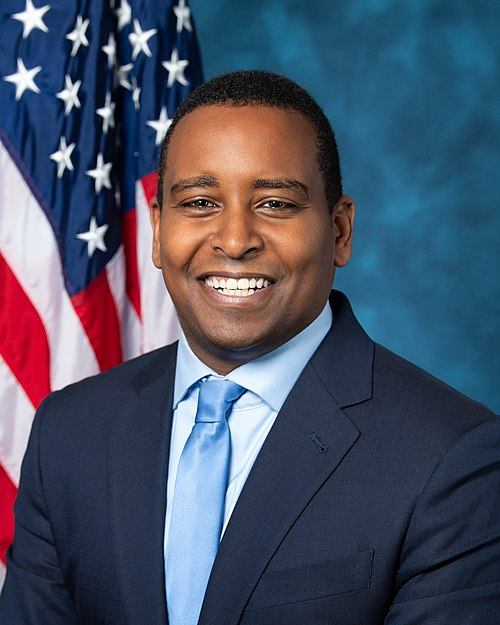
Co-Sponsor
-
TrackMary Gay Scanlon
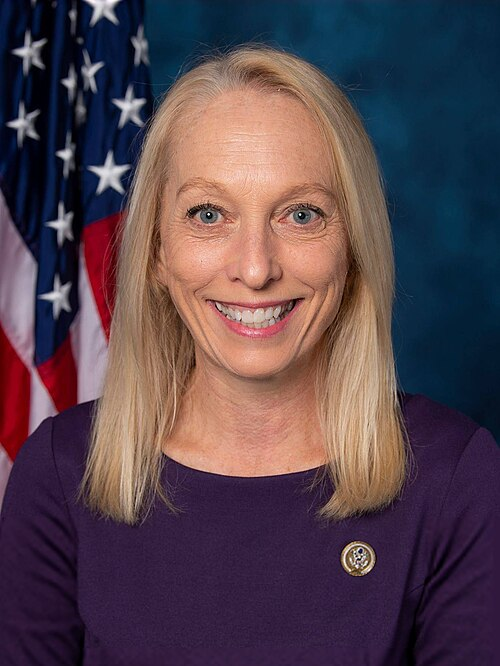
Co-Sponsor
-
TrackMarilyn Strickland
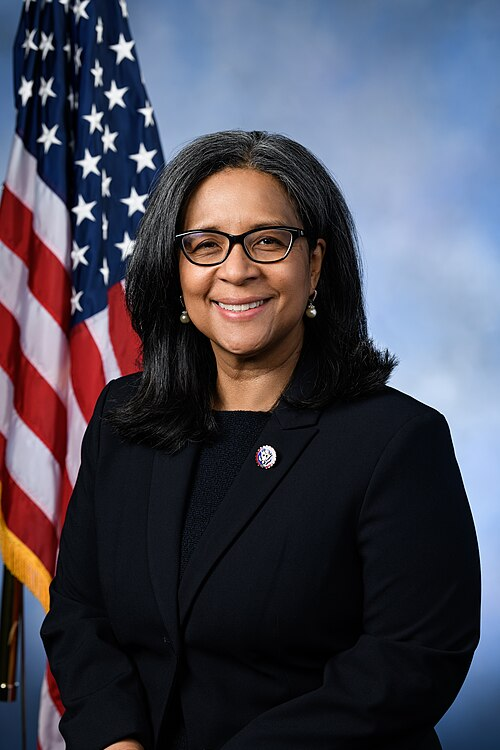
Co-Sponsor
-
TrackRashida Tlaib
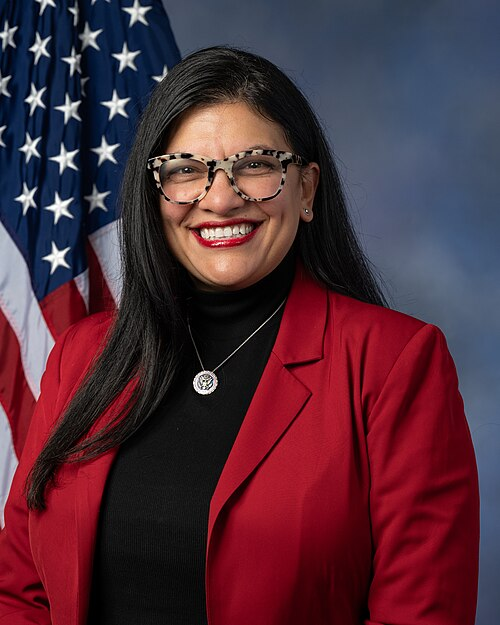
Co-Sponsor
-
TrackPaul Tonko
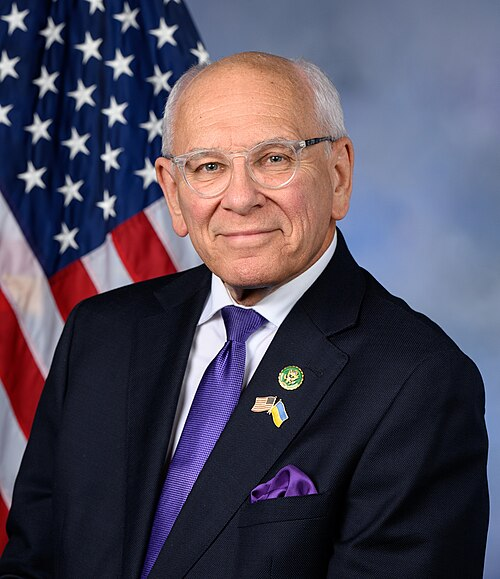
Co-Sponsor
-
Tracknan

Co-Sponsor
Actions
2 actions
| Date | Action |
|---|---|
| Aug. 03, 2026 | Introduced in House |
| Aug. 03, 2026 | Referred to the House Committee on Oversight and Government Reform. |
Corporate Lobbying
0 companies lobbying
None found.
* Note that there can be significant delays in lobbying disclosures, and our data may be incomplete.
Potentially Relevant Congressional Stock Trades
No relevant congressional stock trades found.