
H.R. 10032: No Payoffs for Pardons Act
This bill would change federal law to add new disclosure and anti-bribery rules tied to presidential clemency, such as pardons, commutations, reprieves, and similar actions.
What it would require from people who receive clemency
If someone receives executive clemency and, during a defined reporting period, gave certain valuable benefits to the President, the President’s immediate family, or other closely connected people or entities, that person would have to file disclosure reports with the Attorney General.
The reports would have to be filed:
- Within 90 days after receiving clemency.
- Once a year for the next 4 calendar years.
The reports would need to identify:
- Who received the benefit.
- What the benefit was.
- When it was given.
- Its value, or a good-faith estimate if the exact value is not known.
What counts as a covered benefit
The bill defines a covered benefit broadly as something of value worth at least $10,000 over a 12-month period, including things like donations, gifts, services, payments, contracts, investments, goods, or other benefits. It can be direct or indirect.
It would cover benefits given to:
- The President or immediate family members.
- Entities controlled by, financially tied to, or benefiting the President or immediate family.
- Organizations and committees tied to the President or immediate family, including certain political committees, foundations, and inaugural committees.
- People paid to seek or advocate for clemency on someone’s behalf.
Exceptions
The disclosure rules would not apply to payments made solely for bona fide legal services in court.
If a payment partly covers legal work and partly covers lobbying or clemency-related advocacy, only the clemency-related portion would have to be reported.
Public posting and administration
The Attorney General would have to make the disclosure reports publicly available on a searchable, machine-readable DOJ website within 30 days of the filing deadline, or within 30 days after receiving a late filing.
The Department of Justice would also have to create an online portal for filing reports within 90 days of enactment and set up procedures to notify clemency recipients of their reporting obligations.
Penalties
Someone who knowingly fails to file, files false or incomplete information, or otherwise violates the disclosure rules could face a civil penalty of up to $50,000 per violation, adjusted for inflation.
Someone who willfully fails to file or willfully files a materially false report could also face criminal penalties, including a fine, up to 5 years in prison, or both.
The Attorney General would be allowed to investigate and enforce these rules. Civil or criminal cases would have to be brought within 10 years of the violation.
Changes to the federal bribery law
The bill would update the federal bribery statute to make clear that the law applies to the President, the Vice President, and candidates for office in certain situations.
It would also clarify that bribery laws cover pardons, commutations, reprieves, and other forms of executive clemency as things of value. In other words, offering or receiving clemency as part of a corrupt exchange would be treated as potentially covered by federal bribery law.
For bribery offenses tied to clemency, the bill would extend the statute of limitations so prosecution could be brought up to 10 years after the offense.
Relevant Companies
None found.
This is an AI-generated summary of the bill text. There may be mistakes.
Sponsors
10 bill sponsors
-
TrackJoseph D. Morelle
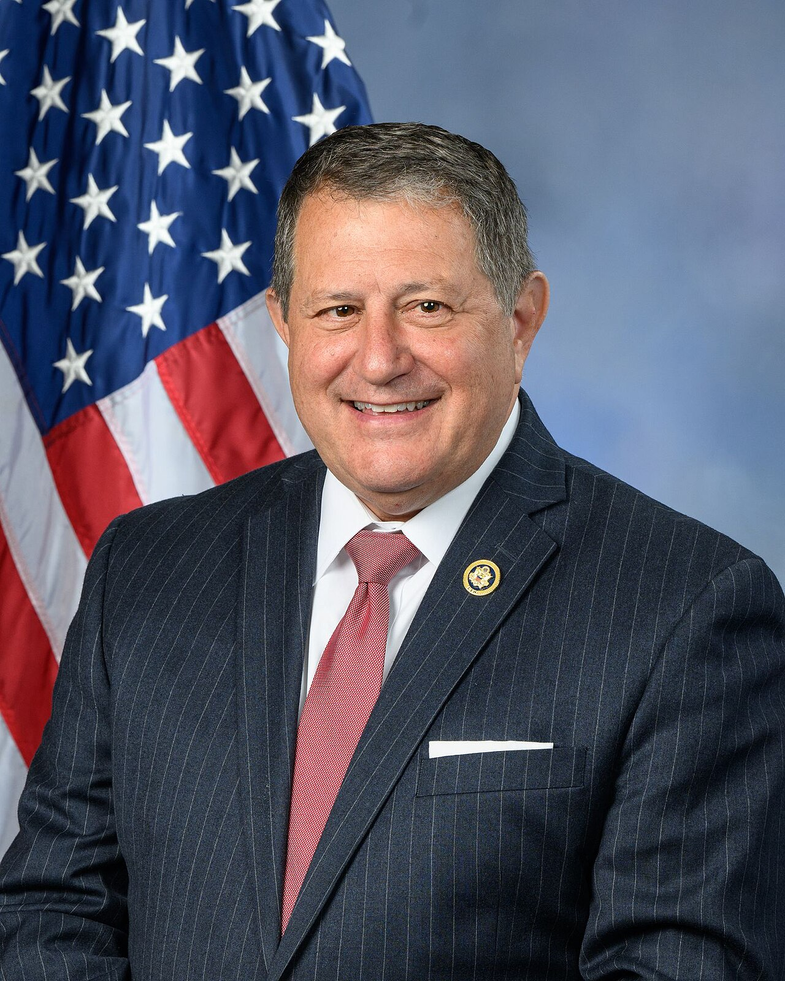
Sponsor
-
TrackYassamin Ansari

Co-Sponsor
-
TrackVal T. Hoyle
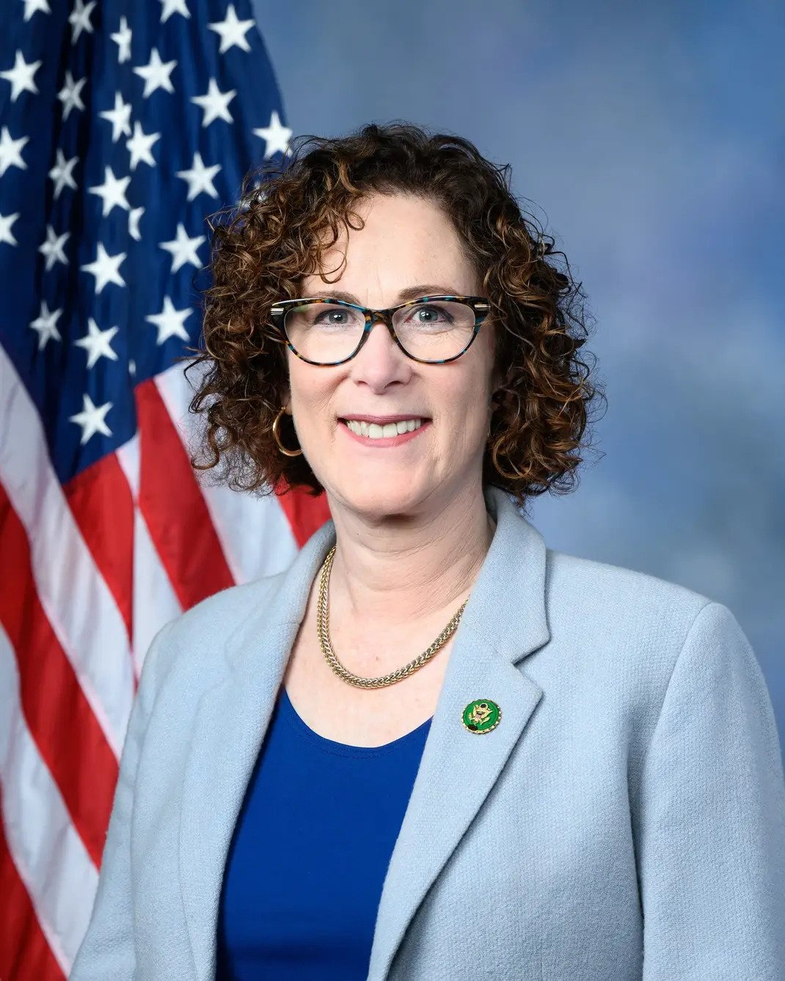
Co-Sponsor
-
TrackGlenn Ivey

Co-Sponsor
-
TrackTimothy M. Kennedy
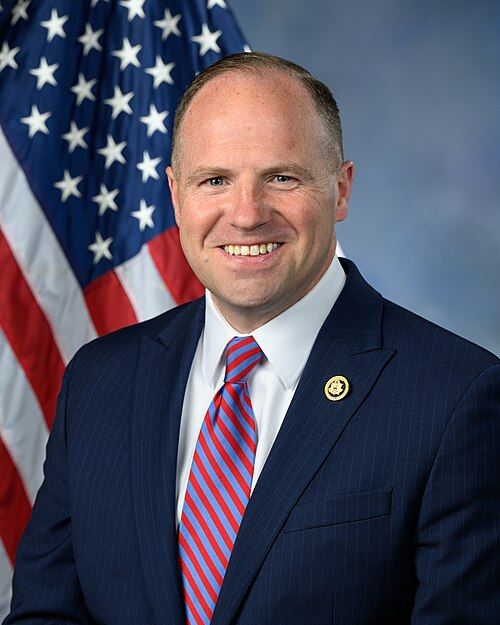
Co-Sponsor
-
TrackMike Levin

Co-Sponsor
-
TrackDave Min

Co-Sponsor
-
TrackEleanor Holmes Norton

Co-Sponsor
-
TrackAndrea Salinas

Co-Sponsor
-
TrackMelanie A. Stansbury

Co-Sponsor
Actions
2 actions
| Date | Action |
|---|---|
| Aug. 03, 2026 | Introduced in House |
| Aug. 03, 2026 | Referred to the House Committee on the Judiciary. |
Corporate Lobbying
0 companies lobbying
None found.
* Note that there can be significant delays in lobbying disclosures, and our data may be incomplete.
Potentially Relevant Congressional Stock Trades
No relevant congressional stock trades found.