
H.R. 10031: Reading Excellence and Achievement for Development Act
This bill would change federal literacy grant programs to push states and school systems toward reading instruction based on the “science of reading.” In plain terms, it would:
What the bill is for
The bill says its goal is to improve reading and writing outcomes for students, especially by using research-backed teaching methods, better teacher preparation, early screening for reading problems, and targeted support for struggling readers.
Main changes to federal literacy grants
- It reworks the federal Comprehensive Literacy State Development Grants program, which gives money to states for literacy efforts.
- States would be expected to use the money to build or improve literacy plans covering children from early childhood through grade 12.
- States would also be expected to help local districts and teacher preparation programs improve literacy instruction.
- The Secretary of Education would have to give priority to certain states, especially those that have not yet implemented a statewide literacy approach and those with declines in reading performance.
- States identified as “eligible low-performing” based on fourth-grade reading scores would receive an absolute priority for grants if they apply.
What kinds of reading instruction it promotes
The bill defines “science of reading” and says comprehensive literacy instruction should be based on that approach. It specifically says literacy instruction should not rely on “three-cueing” or similar methods that mainly teach students to guess words from pictures, context, or sentence structure, or to use visual memory as the main way to recognize words.
It also says literacy instruction should support oral language development, including for English learners and children with disabilities.
Screening, tutoring, and parent notice
- States would have to make sure students are screened for early literacy skills, with at least one universal screening before third grade.
- Schools would be encouraged to use more regular screenings to identify reading problems or dyslexia early.
- Grant funds could be used for interventions such as high-impact tutoring and summer learning programs.
- Districts would have to notify parents when a student is found to be at risk for reading difficulties or below grade level, and the notice would have to include assessment results, support strategies, and suggestions for helping at home.
Teacher preparation and professional development
- States would need to align teacher training with the science of reading.
- This could include literacy coaching networks, updates to teacher preparation programs, and reviews of state licensure or certification standards.
- States would have to review teacher preparation programs to see how well they align with the science of reading and publish that review, unless a similar review was recently completed.
How the money would be used
- At least 75% of a state’s grant money would have to go out as subgrants to local entities.
- Allowed uses include literacy coaching, high-quality reading materials, literacy screenings, direct student services, family literacy support, bilingual literacy instruction, and school leader training.
- The bill divides certain funds among early childhood, K-5, and grades 6-12 programs.
Reporting and oversight
- States receiving grants would have to publish annual public reports showing how many students were screened, how many teachers got literacy-related training, and how many districts used recommended instructional materials.
- The federal government would also have to publish summary reports every two years.
- The bill says these reports should avoid personally identifiable student information.
Research requirements
The Institute of Education Sciences would be directed to support research on literacy instruction, including how reading and writing instruction interact, how teacher preparation affects outcomes, and how factors like screen time, social media, and other technology may affect attention and cognitive development.
NAEP reporting
The bill would require the federal government to send states a public report shortly after NAEP reading and math results are released. That report would compare state outcomes, rankings, achievement gaps, below-basic performance, and trends over time.
Limits on federal control
The bill says the Education Secretary could not issue regulations defining “science of reading” or “comprehensive literacy instruction,” and could not use the law to directly or indirectly control state or local curriculum, standards, assessments, or instructional content. It also says nothing in the bill changes rights under IDEA, Section 504, or the ADA.
Relevant Companies
None found
This is an AI-generated summary of the bill text. There may be mistakes.
Sponsors
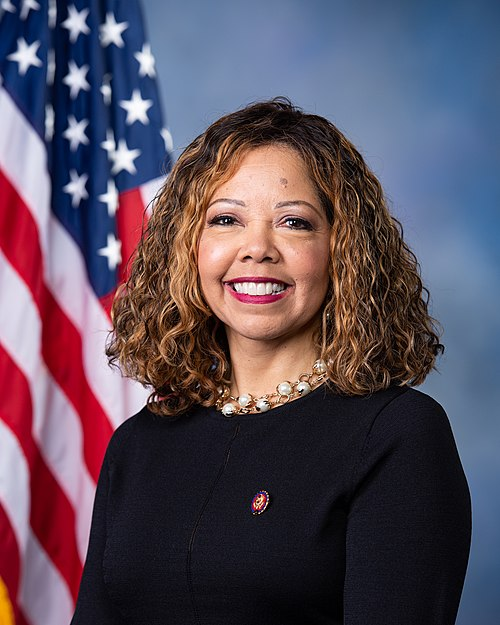
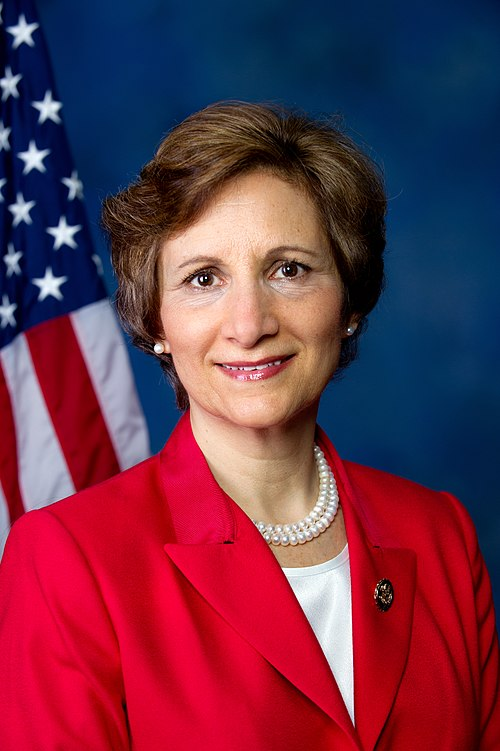
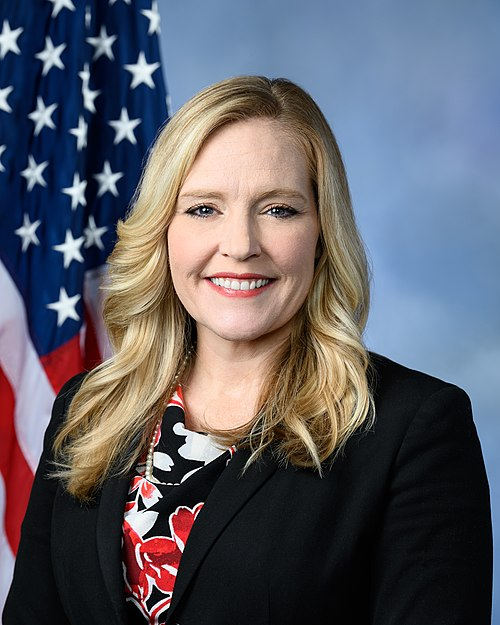
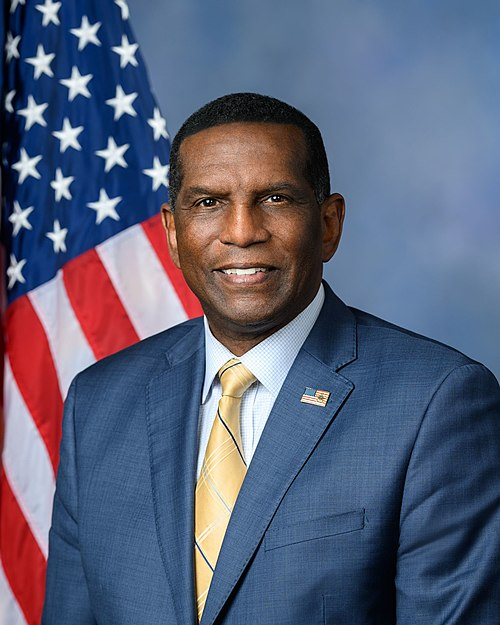
6 bill sponsors


Actions
2 actions
| Date | Action |
|---|---|
| Aug. 03, 2026 | Introduced in House |
| Aug. 03, 2026 | Referred to the House Committee on Education and Workforce. |
Corporate Lobbying
0 companies lobbying
None found.
* Note that there can be significant delays in lobbying disclosures, and our data may be incomplete.
Potentially Relevant Congressional Stock Trades
No relevant congressional stock trades found.