
H.R. 10016: Veterans Entrepreneurship Act of 2026
This bill would direct the Small Business Administration (SBA) to create a 3-year pilot program to test whether grants can help eligible veterans start or buy small businesses.
What the pilot program would do
The SBA, working with its veterans business advisory committee and the Department of Veterans Affairs, would begin the program within 90 days after enactment. The program would be designed to evaluate the feasibility and usefulness of giving grants to eligible veterans to:
- start a business, or
- acquire an existing business.
The SBA would be required to keep the program focused on efficiency, accountability, and competition.
Who could participate
The bill defines an eligible veteran as someone who:
- is a veteran or certain transitioning service members, including those with approved retirement or separation paperwork;
- has completed at least 36 months of active duty, or 24 months in certain cases involving a service-connected disability; and
- is eligible for education benefits under certain GI Bill programs.
The SBA could allow a group of eligible veterans to apply together, treating them as one applicant for program purposes, with the grant limit adjusted based on group size.
What types of businesses would qualify
The SBA would create a list of qualifying business categories by rule. The bill says this list must include:
- small business concerns,
- franchise businesses, and
- other categories the SBA decides fit the program.
Training and business plan requirements
Veterans who receive grants would have to complete an approved entrepreneurship training program before receiving funds. The bill allows several types of training programs to count, including programs through:
- Small Business Development Centers,
- the SBA,
- the Department of Veterans Affairs,
- the Department of Defense Transition Assistance Program,
- women’s business centers,
- Veterans Business Outreach Centers, and
- SCORE.
Each participant would also need a business plan. That plan would have to explain how the business is expected to become profitable, include market and customer analysis, and meet other SBA guidelines. An advisor would help prepare the plan, and the SBA could approve or reverse approval through a review and appeal process.
How the grants would work
The bill sets up a grant structure with several limits and conditions:
- No more than 250 eligible veterans could receive grants under the pilot.
- Recipients would be chosen with geographic diversity in mind.
- Grant money would be paid in installments rather than all at once, unless Congress later changes the program based on the report.
- Later payments would depend on the veteran meeting milestones in the business plan.
- Funds could only be released after the training is completed and the business plan is approved.
How much money could be provided
The maximum grant amount would be tied to a veteran’s remaining education-benefit entitlement under certain GI Bill programs. In addition to that base amount, the bill would allow:
- monthly additional assistance based on the local housing allowance for an E-5 with dependents, adjusted depending on whether the veteran has other employment; and
- possible payment of approved training costs for certain specialized programs.
What the money could be used for
Grant funds could be used for purposes related to starting or buying a qualifying business, such as:
- buying goods or services needed to start or run the business,
- supporting certain economic development projects, and
- acquiring a qualifying business.
Reporting and oversight
Within 2 years of the program starting, the SBA would have to report to Congress on how the pilot is working. The report would cover:
- how many veterans received grants,
- which training programs participants used,
- whether any part of the pilot should become permanent,
- whether payments should remain in installments or be made as lump sums,
- how well the extra assistance and accountability rules worked, and
- whether the business plan approval process or advisor oversight should be improved.
Effect on education benefits
The bill says participation in this program would not change the time limits for using GI Bill education benefits.
Relevant Companies
- None found
This is an AI-generated summary of the bill text. There may be mistakes.
Sponsors
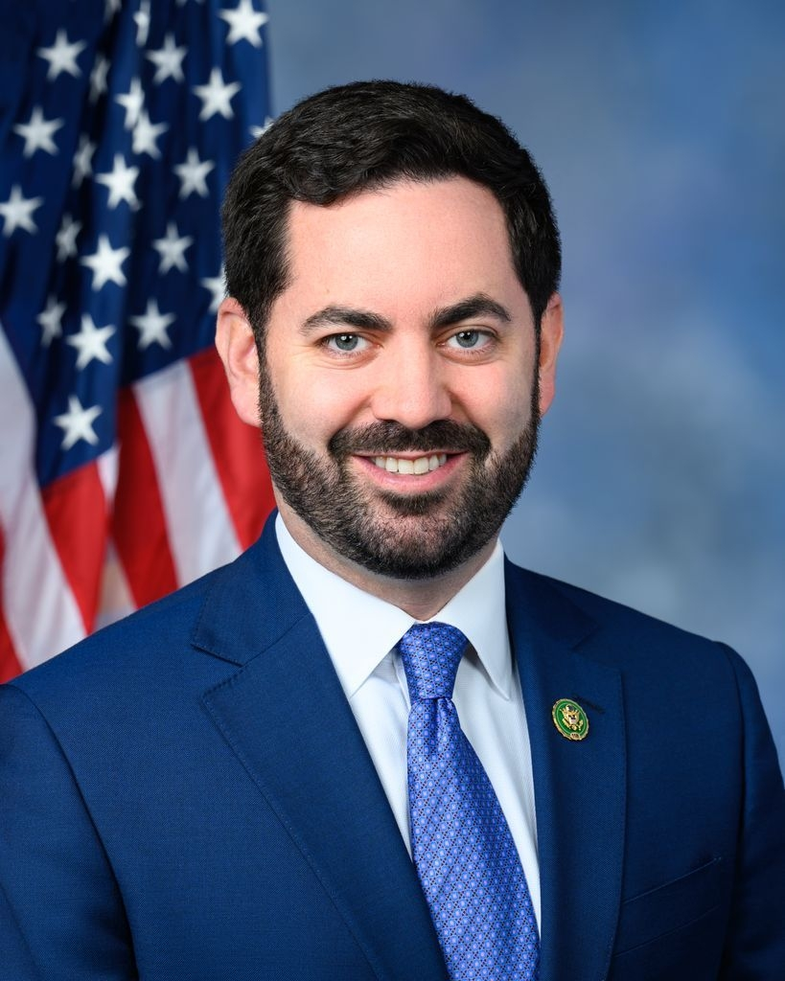
2 bill sponsors

Actions
2 actions
| Date | Action |
|---|---|
| Aug. 03, 2026 | Introduced in House |
| Aug. 03, 2026 | Referred to the House Committee on Small Business. |
Corporate Lobbying
0 companies lobbying
None found.
* Note that there can be significant delays in lobbying disclosures, and our data may be incomplete.
Potentially Relevant Congressional Stock Trades
No relevant congressional stock trades found.