

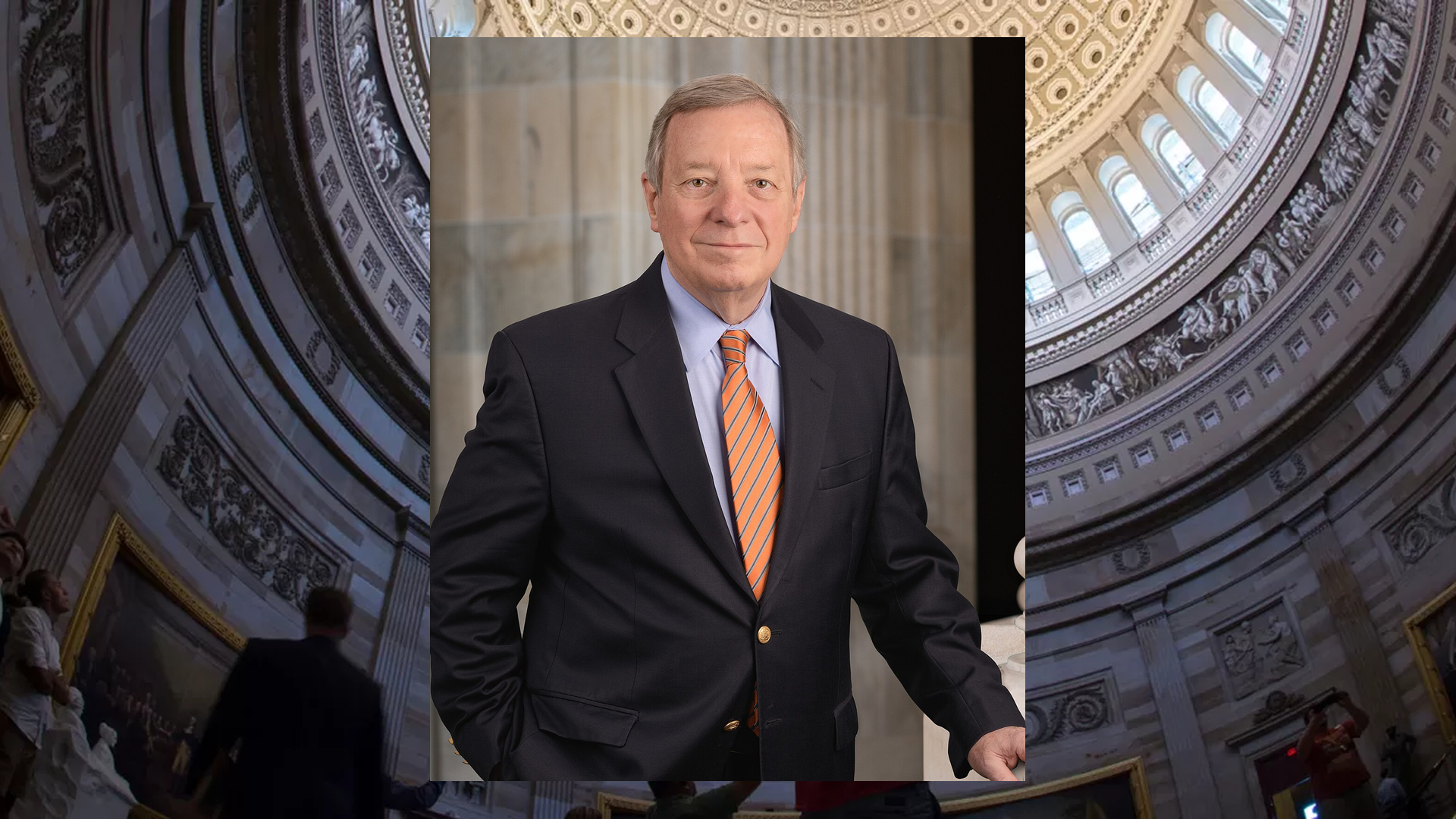
We have received text from S. 4494: American Cures Act. This bill was received on 2026-05-12, and currently has 3 cosponsors.
Here is a short summary of the bill:
This bill, known as the American Cures Act, aims to increase funding for biomedical research by enhancing financial support for several key health and research agencies over the coming years. The primary focus is on the National Institutes of Health (NIH), the Centers for Disease Control and Prevention (CDC), and other health-related departments. Here’s a breakdown of what the bill entails:
Funding Allocations
The bill proposes significant increases in funding for various health organizations and research programs as follows:
-
National Institutes of Health (NIH)
:
- Fiscal Year 2027: $52.47 billion
- Fiscal Year 2028: $56.51 billion
- Fiscal Year 2029: $60.86 billion
- Fiscal Year 2030: $65.54 billion
- Fiscal Year 2031: $70.59 billion
- Fiscal Year 2032: $76.03 billion
- Fiscal Year 2033: $81.88 billion
- Fiscal Year 2034: $88.19 billion
- Fiscal Year 2035: $94.98 billion
- Fiscal Year 2036: $102.29 billion
- Fiscal Year 2037 and thereafter: Previous year’s amount adjusted for inflation
-
Centers for Disease Control and Prevention (CDC)
:
- Fiscal Year 2027: $9.91 billion
- Fiscal Year 2028: $10.67 billion
- Fiscal Year 2029: $11.50 billion
- Fiscal Year 2030: $12.38 billion
- Fiscal Year 2031: $13.34 billion
- Fiscal Year 2032: $14.36 billion
- Fiscal Year 2033: $15.47 billion
- Fiscal Year 2034: $16.66 billion
- Fiscal Year 2035: $17.94 billion
- Fiscal Year 2036: $19.32 billion
- Fiscal Year 2037 and thereafter: Previous year’s amount adjusted for inflation
-
Department of Defense Health Program Research
:
- Fiscal Year 2027: $2.94 billion
- Fiscal Year 2028: $3.17 billion
- Fiscal Year 2029: $3.41 billion
- Fiscal Year 2030: $3.67 billion
- Fiscal Year 2031: $3.95 billion
- Fiscal Year 2032: $4.26 billion
- Fiscal Year 2033: $4.59 billion
- Fiscal Year 2034: $4.94 billion
- Fiscal Year 2035: $5.32 billion
- Fiscal Year 2036: $5.73 billion
- Fiscal Year 2037 and thereafter: Previous year’s amount adjusted for inflation
-
Department of Veterans Affairs Medical Research
:
- Fiscal Year 2027: $1.07 billion
- Fiscal Year 2028: $1.10 billion
- Fiscal Year 2029: $1.18 billion
- Fiscal Year 2030: $1.27 billion
- Fiscal Year 2031: $1.37 billion
- Fiscal Year 2032: $1.47 billion
- Fiscal Year 2033: $1.59 billion
- Fiscal Year 2034: $1.71 billion
- Fiscal Year 2035: $1.84 billion
- Fiscal Year 2036: $1.98 billion
- Fiscal Year 2037 and thereafter: Previous year’s amount adjusted for inflation
Budgetary Provisions
The bill includes provisions that allow the funds appropriated to remain available until they are fully expended. Additionally, it specifies that certain funds associated with this bill will be exempt from sequestration under the Balanced Budget and Emergency Deficit Control Act, meaning they cannot be cut as part of deficit-reducing measures.
Projected Growth in Funding
Each of the specified agencies will see a consistent annual increase in their funding based on the previous year's allocation adjusted for inflation, ensuring that the support for biomedical research and public health continues to grow over time.
Definitions
The bill also includes definitions for the terms associated with the agencies and programs targeted for funding, clarifying the scope of the appropriations and their intended uses.
Relevant Companies
- PFE - Pfizer Inc.: Involved in biomedical research, including vaccines and therapeutics, which could benefit from increased research funding.
- NVO - Novo Nordisk A/S: A pharmaceutical company that could gain from research initiatives focused on diabetes and obesity treatments supported by additional funding.
- LLY - Eli Lilly and Company: Their ongoing research in pharmaceuticals could be positively impacted by the expanded funding for scientific research.
Senator Richard J. Durbin Bill Proposals
Here are some bills which have recently been proposed by Senator Richard J. Durbin:
- S.4515: A bill to require the Administrator of the Federal Emergency Management Agency to carry out a pilot program to enhance the mapping of urban flooding and associated property damage and the availability of that mapped data to homeowners, businesses, and localities to help understand and mitigate the risk of such flooding, and for other purposes.
- S.4494: American Cures Act
- S.4449: Strengthening Educator Workforce Data Act
- S.4438: Promoting Access to Broadband Act of 2026
- S.4437: Puppy Protection Act of 2026
- S.4347: America Grows Act of 2026
You can track bills proposed by Senator Richard J. Durbin on Quiver Quantitative's politician page for Durbin.
2026 Illinois US Senate Election
There has been approximately $68,389,230 of spending in Illinois US Senate elections over the last two years, per our estimates.
Approximately $24,889,330 of this has been from outside spending by PACs and Super PACs. Some of the groups who are spending money in this race include:
- ILLINOIS FUTURE PAC ($12,534,766)
- FAIRSHAKE ($9,866,095)
- THE IMPACT FUND ($1,175,000)
- PROGRESSIVE VALUES ILLINOIS ($593,177)
- PROTECT PROGRESS ($434,836)
The rating for this race is currently "Solid D".
You can track this election on our matchup page for the 2026 Illinois US Senate election.
This article is not financial advice. See Quiver Quantitative's disclaimers for more information.