
We have received text from H.R. 9297: Pedestrian Protection Act. This bill was received on 2026-06-11, and currently has 2 cosponsors.
Here is a short summary of the bill:
This bill would direct the U.S. Department of Transportation to take several steps aimed at reducing crashes involving pedestrians, bicyclists, and other vulnerable road users.
Vehicle safety standards
Within 3 years, the Secretary of Transportation would have to start a rulemaking process to create or update federal safety standards for motor vehicles. These standards would focus on design features that could reduce the chance of pedestrian-related crashes and injuries, including:
- hood design
- bumper design
- windshield design
- vehicle height
- vehicle weight
After that rulemaking begins, the Secretary would have 2 years to issue a final rule. Once the final rule is issued, manufacturers would have 2 more years to fully comply.
Minimum visibility standards
Within 4 years, the Secretary would also have to begin a separate rulemaking process to set minimum visibility standards for motor vehicles. The goal would be to reduce collisions by improving what drivers can see around the vehicle. The Secretary would then have 2 years to issue a final rule, and vehicle makers would have 2 years after that to comply fully.
What counts as a collision and who is covered
The bill defines a collision broadly as a crash between a motor vehicle and a covered road user, including low-speed crashes and crashes that happen in driveways, parking lots, or on private roads.
A covered road user would include:
- pedestrians
- bicyclists
- other vulnerable road users
Consumer information and ratings
The bill would require the Secretary to publish comparative ratings for vehicle technology aimed at protecting vulnerable road users. It would also create a process for giving consumers information about driver visibility of pedestrians, bicyclists, and other vulnerable road users.
That visibility information system would need to include:
- a method for deciding which technologies and design features are included
- performance test criteria manufacturers can use
- a separate driver visibility rating
- updated overall vehicle ratings that include driver visibility
The Secretary would also need to publish comparative ratings for these driver visibility measures and, within 5 years, send Congress a report describing a plan for implementing the information and rating system.
Relevant Companies
Likely directly impacted companies include:
- TSLA — Tesla, because the bill could affect vehicle design, visibility features, and safety ratings used in consumer comparisons.
- F — Ford, because new federal standards could require changes to truck and passenger vehicle designs and testing.
- GM — General Motors, because safety and visibility requirements could affect vehicle engineering, compliance, and ratings.
- STLA — Stellantis, because it sells vehicles in the U.S. that could be subject to the new standards and ratings.
- HMC — Honda, because federal pedestrian-safety and visibility standards could affect U.S.-market vehicle design.
- TM — Toyota, because the bill could influence vehicle front-end design, visibility features, and federal consumer ratings.
- RIVN — Rivian, because the company may need to adapt vehicle design and safety technology to meet any new standards.
- LCID — Lucid, because visibility and safety requirements could affect vehicle development and regulatory compliance.
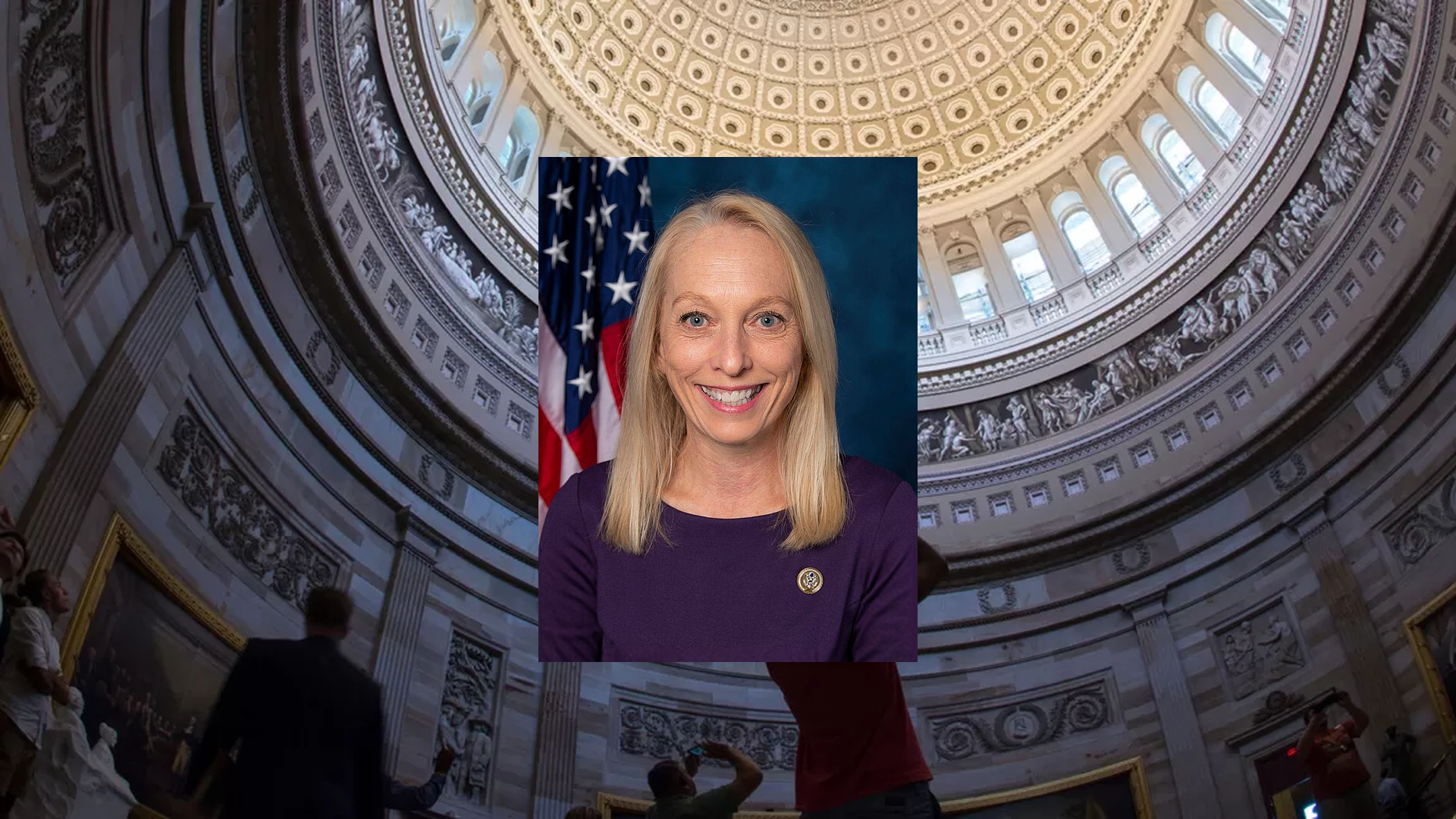
Representative Mary Gay Scanlon Bill Proposals
Here are some bills which have recently been proposed by Representative Mary Gay Scanlon:
- H.R.9297: Pedestrian Protection Act
- H.R.9076: Postal Data Privacy Act of 2026
- H.R.8997: Right to Representation Act
- H.R.8862: No Special Immunity for Violating Our State Laws Act of 2026
- H.R.8861: Department of Justice Integrity Act of 2026
- H.R.8860: To amend title 18, United States Code, to enhance prosecution of corporate crime.
You can track bills proposed by Representative Mary Gay Scanlon on Quiver Quantitative's politician page for Scanlon.
Representative Mary Gay Scanlon Net Worth
Quiver Quantitative estimates that Representative Mary Gay Scanlon is worth $10.9M, as of June 19th, 2026. This is the 106th highest net worth in Congress, per our live estimates.
Scanlon has approximately $362.1K invested in publicly traded assets which Quiver is able to track live.
You can track Representative Mary Gay Scanlon's net worth on Quiver Quantitative's politician page for Scanlon.
Representative Mary Gay Scanlon Stock Trading
We have data on up to $260.0K of trades from Representative Mary Gay Scanlon, which we parsed from STOCK Act filings. Some of the largest trades include:
- A February 12th, 2021 sale of up to $50K of $ORCL. The stock has risen 192.15% since then.
- A May 23rd, 2023 sale of up to $50K of $EXC. The stock has risen 13.28% since then.
- A May 23rd, 2023 sale of up to $50K of $CEG. The stock has risen 226.11% since then.
- A February 12th, 2021 sale of up to $15K of $CTVA. The stock has risen 77.12% since then.
- A February 12th, 2021 sale of up to $15K of $IFF. The stock has fallen 42.77% since then.
You can track Representative Mary Gay Scanlon's stock trading on Quiver Quantitative's politician page for Scanlon.
2026 Pennsylvania's 5th Congressional District Election
There has been approximately $1,556,373 of spending in Pennsylvania's 5th congressional district elections over the last two years, per our estimates.
The rating for this race is currently "Solid D".
You can track this election on our matchup page for the 2026 Pennsylvania's 5th congressional district election.
This article is not financial advice. See Quiver Quantitative's disclaimers for more information.