
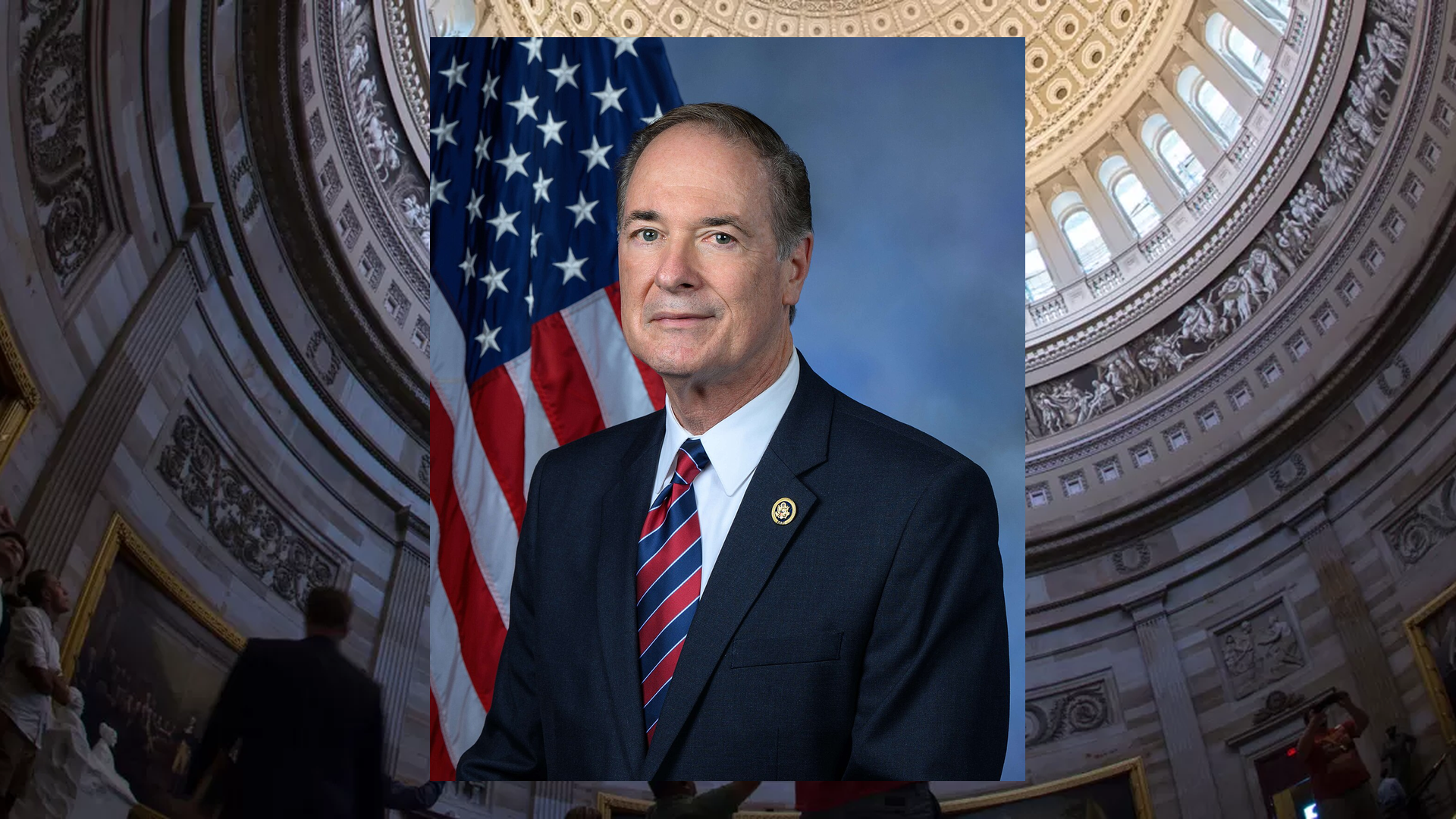
We have received text from H.R. 9693: Patients First Act of 2026. This bill was received on 2026-07-15, and currently has 30 cosponsors.
Here is a short summary of the bill:
This bill would change how Medicare pays doctors and other clinicians in several ways, with a focus on increasing payment levels, reshaping payment incentives, and changing quality-reporting rules.
Medicare payment updates
The bill would raise Medicare physician payment amounts and change how Medicare updates payments over time. It would also adjust geographic payment formulas so that inflation and local cost differences are reflected differently in some areas.
New primary care payment model
The bill would create a new hybrid monthly payment model for primary care from 2027 through 2031. This would combine a monthly payment structure with other payment elements, instead of relying entirely on the current fee-for-service approach.
Quality and performance program changes
The current MIPS program, which is Medicare’s system for measuring and adjusting clinician payment based on performance, would be renamed POINTS . The bill would also extend incentive payments under this program through 2032.
At the same time, the bill would change how performance adjustments work:
- Practices excluded from certain reporting or participation rules would have their positive payment adjustments reduced by 50%.
- Rules for feedback reports and payment adjustments would be revised.
- Some registry standards would be tightened, including requirements related to data access.
Measure and reporting reforms
The bill would create a task force to reform the measures used to evaluate clinician performance. It would also revise rules around imaging appropriateness measures, which are used to assess whether medical imaging is ordered appropriately.
Alternative payment model changes
The bill would freeze certain payment thresholds used for alternative payment models for a period of time. This would affect when clinicians or groups qualify for some bonus payments or reporting requirements tied to those models.
Budget and fee schedule rules
The bill would also update how Medicare’s physician fee schedule handles budget neutrality and cost updates. In practical terms, this means the law would change how payment increases in one area are offset elsewhere, and how Medicare accounts for changing costs when setting physician payments.
Relevant Companies
None found.
Representative John Joyce Bill Proposals
Here are some bills which have recently been proposed by Representative John Joyce:
- H.R.9693: Patients First Act of 2026
- H.R.8414: DAIRY PRIDE Act
- H.R.8413: SECURE Data Act
- H.R.8375: Medicare Advantage Improvement Act of 2026
- H.R.7905: Diabetes Foot Health Access and Modernization Act of 2026
- H.R.6997: Community Passport Services Access Act
You can track bills proposed by Representative John Joyce on Quiver Quantitative's politician page for Joyce.
Representative John Joyce Net Worth
Quiver Quantitative estimates that Representative John Joyce is worth $17.1M, as of July 30th, 2026. This is the 76th highest net worth in Congress, per our live estimates.
Joyce has approximately $0 invested in publicly traded assets which Quiver is able to track live.
You can track Representative John Joyce's net worth on Quiver Quantitative's politician page for Joyce.
2026 Pennsylvania's 13th Congressional District Election
There has been approximately $3,002,320 of spending in Pennsylvania's 13th congressional district elections over the last two years, per our estimates.
Approximately $16,009 of this has been from outside spending by PACs and Super PACs. Some of the groups who are spending money in this race include:
- HEALTHCARE FREEDOM SUPER PAC ($10,000)
- NATIONAL RIFLE ASSOCIATION OF AMERICA POLITICAL VICTORY FUND ($5,426)
The rating for this race is currently "Solid R".
You can track this election on our matchup page for the 2026 Pennsylvania's 13th congressional district election.
This article is not financial advice. See Quiver Quantitative's disclaimers for more information.