We have received text from H.R. 10052: Right to Worship Act. This bill was received on 2026-08-06, and currently has 3 cosponsors.
Here is a short summary of the bill:
This bill would create a federal law aimed at protecting religious services from being disrupted or blocked at places of worship.
What conduct would be prohibited
The bill would make it unlawful for a person to, in a way that affects interstate commerce, engage in conduct within 100 feet of an entrance to a house of worship during a narrow time window around a scheduled religious service:
- from 1 hour before the service starts until 1 hour after it ends,
- if the person knowingly disrupts the service, or
- if the person knowingly impedes people from entering or participating in the service.
It would also prohibit conspiring with someone else to do this, or causing another person to do it.
How the bill defines key terms
- House of worship : a place or space that religious followers or leaders recognize as a regular gathering place for religious services.
- Religious service : worship, prayer, classes, or other religious events where people gather to practice their religion.
- Disrupt : conduct that meaningfully interferes with participation in the service and substantially interrupts normal operation.
- Impede : conduct that unreasonably hinders or deters someone from entering, or that threatens or intimidates someone in a way that prevents participation.
- Knowingly : the person is aware, or reasonably should be aware, that their conduct will cause the disruption or impediment.
The bill says that whether conduct counts as a disruption would be judged by how it is carried out, such as its volume, duration, frequency, and impact, not by the content of the speech itself.
What it would not do
- It would not require a house of worship to publicly post its service schedule.
- It would not stop people from speaking on any subject, so long as they comply with the law’s time, place, and manner limits.
- It would not stop participation in activities that already have a federal, state, or local permit.
Penalties and enforcement
The bill would allow the Attorney General to assess civil fines for violations:
- $2,500 for a first offense
- $5,000 for a second offense
- $10,000 per incident for third and later offenses
It would also allow people harmed by a violation to sue in federal court. Courts could award injunctions, compensatory and punitive damages, and legal fees. In some cases, a person could choose statutory damages of $5,000 per violation instead of proving actual damages.
The U.S. Attorney General could also bring a civil case if there is reason to believe someone is being, has been, or may be harmed by a violation. State attorneys general could bring similar cases on behalf of residents of their state.
Relevant Companies
None found
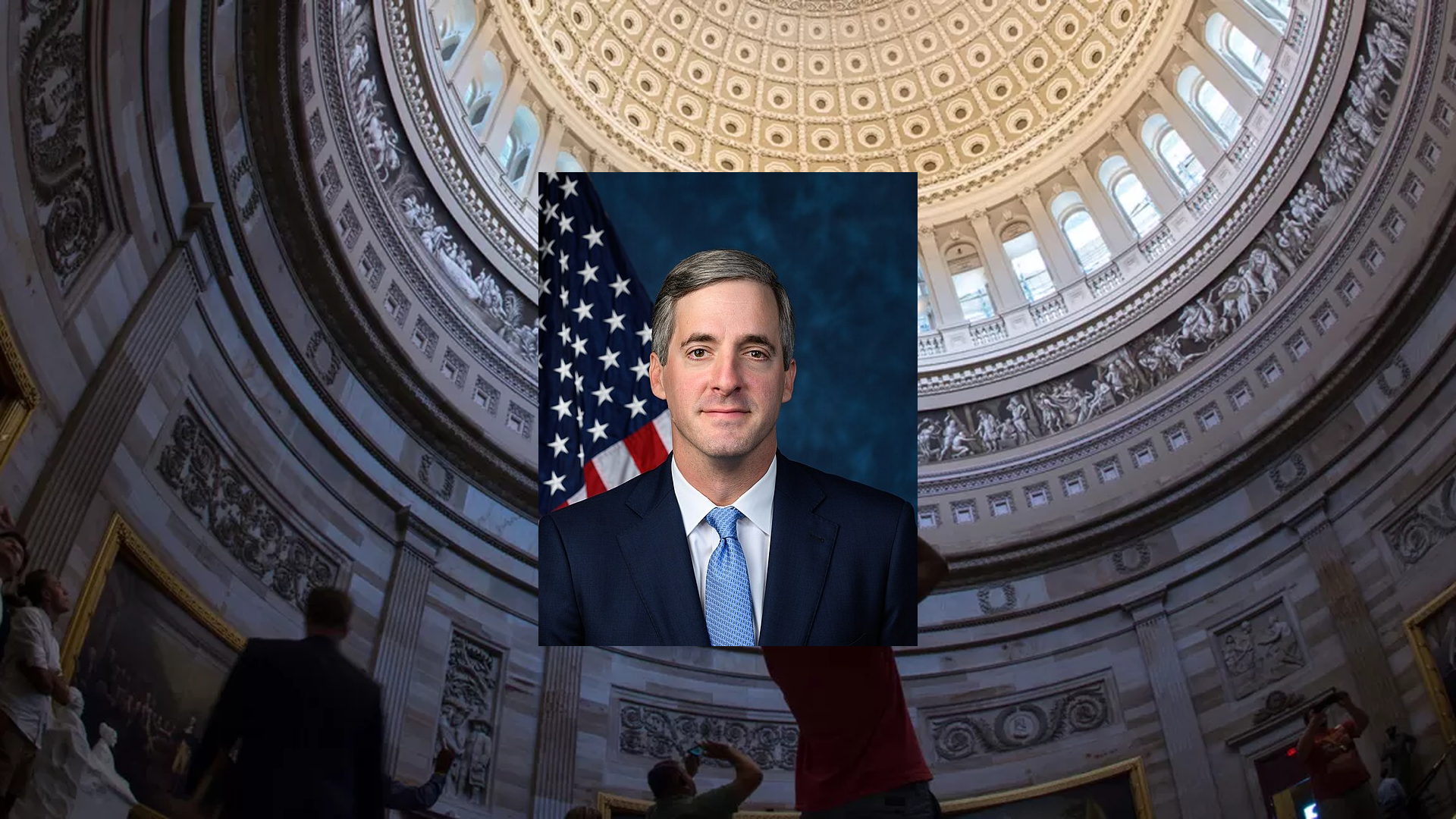
Representative Brad Knott Bill Proposals
Here are some bills which have recently been proposed by Representative Brad Knott:
- H.R.10052: Right to Worship Act
- H.R.9653: Limiting Excessive Government Obstruction Act
- H.R.8267: SAFER Transport Act
- H.R.6267: Aviation Supply Chain Safety and Security Digitization Act of 2025
- H.R.4070: Tren de Aragua Border Security Threat Assessment Act
- H.R.3242: Punishing Illegal Immigrant Felons Act of 2025
You can track bills proposed by Representative Brad Knott on Quiver Quantitative's politician page for Knott.
Representative Brad Knott Net Worth
Quiver Quantitative estimates that Representative Brad Knott is worth $6.7M, as of August 12th, 2026. This is the 143rd highest net worth in Congress, per our live estimates.
Knott has approximately $5.5M invested in publicly traded assets which Quiver is able to track live.
You can track Representative Brad Knott's net worth on Quiver Quantitative's politician page for Knott.
Representative Brad Knott Stock Trading
We have data on up to $80.0K of trades from Representative Brad Knott, which we parsed from STOCK Act filings. Some of the largest trades include:
- A January 10th, 2025 sale of up to $50K of $ORMP. The stock has risen 77.82% since then.
- A January 10th, 2025 purchase of up to $15K of $CMPO. The stock has risen 81.2% since then.
You can track Representative Brad Knott's stock trading on Quiver Quantitative's politician page for Knott.
2026 North Carolina's 13th Congressional District Election
There has been approximately $2,926,951 of spending in North Carolina's 13th congressional district elections over the last two years, per our estimates.
Approximately $14,920 of this has been from outside spending by PACs and Super PACs. Some of the groups who are spending money in this race include:
- HOUSE CONSERVATIVES PAC ($10,000)
- CAAG PAC ($4,538)
The rating for this race is currently "Solid R".
You can track this election on our matchup page for the 2026 North Carolina's 13th congressional district election.
This article is not financial advice. See Quiver Quantitative's disclaimers for more information.