
We have received text from S. 4307: Protecting American Consumers from Robocalls Act. This bill was received on 2026-04-15, and currently has 5 cosponsors.
Here is a short summary of the bill:
This bill, known as the
Protecting American Consumers from Robocalls Act
, aims primarily to enhance protections against unwanted phone calls, commonly known as robocalls, under the existing Do Not Call rules. Here are the key components of the bill:
Expansion of Do Not Call Rules
The bill proposes to broaden the current Do Not Call regulations to encompass all telephone subscribers, rather than limiting the protections to residential phone lines. This means that anyone with a phone number, regardless of whether it is a home or mobile line, will be protected from unsolicited calls.
Private Right of Action
The bill expands the opportunities for individuals to take legal action against entities that violate the Do Not Call rules. Previously, specific limitations existed regarding who could sue and under what circumstances. This legislation removes those restrictions, allowing more people to seek recourse if they receive prohibited calls.
Definition of Automatic Telephone Dialing System
The bill revises the definition of what constitutes an automatic telephone dialing system . The new definition aims to include systems that can call a list of phone numbers, not just those that generate numbers randomly or sequentially. Additionally, it specifies that dialing can occur successively without human intervention, which encompasses a wider range of technologies that might be used by telemarketers and scammers.
Implementation Timeline
The Federal Communications Commission (FCC) is mandated to update its regulations in accordance with the new amendments within a 270-day period post-enactment of the bill. This means that the changes to the rules are expected to be implemented relatively quickly after the legislation is passed.
Summary
In summary, the Protecting American Consumers from Robocalls Act seeks to improve consumer protection against unwanted calls by broadening the scope of the Do Not Call regulations, increasing the avenues for individuals to take legal action against violations, and updating the definition of automated dialing systems to reflect modern technology usage.
Relevant Companies
- TMUS (T-Mobile US, Inc.): As a major telecommunications provider, T-Mobile could be directly impacted by stricter regulations on robocalls, affecting their telemarketing practices.
- VZ (Verizon Communications Inc.): Verizon, another major telco, may face operational changes and legal challenges due to expanded Do Not Call regulations.
- T (AT&T Inc.): AT&T's marketing and customer service practices might need adjustments in response to the new legal framework established by this bill.
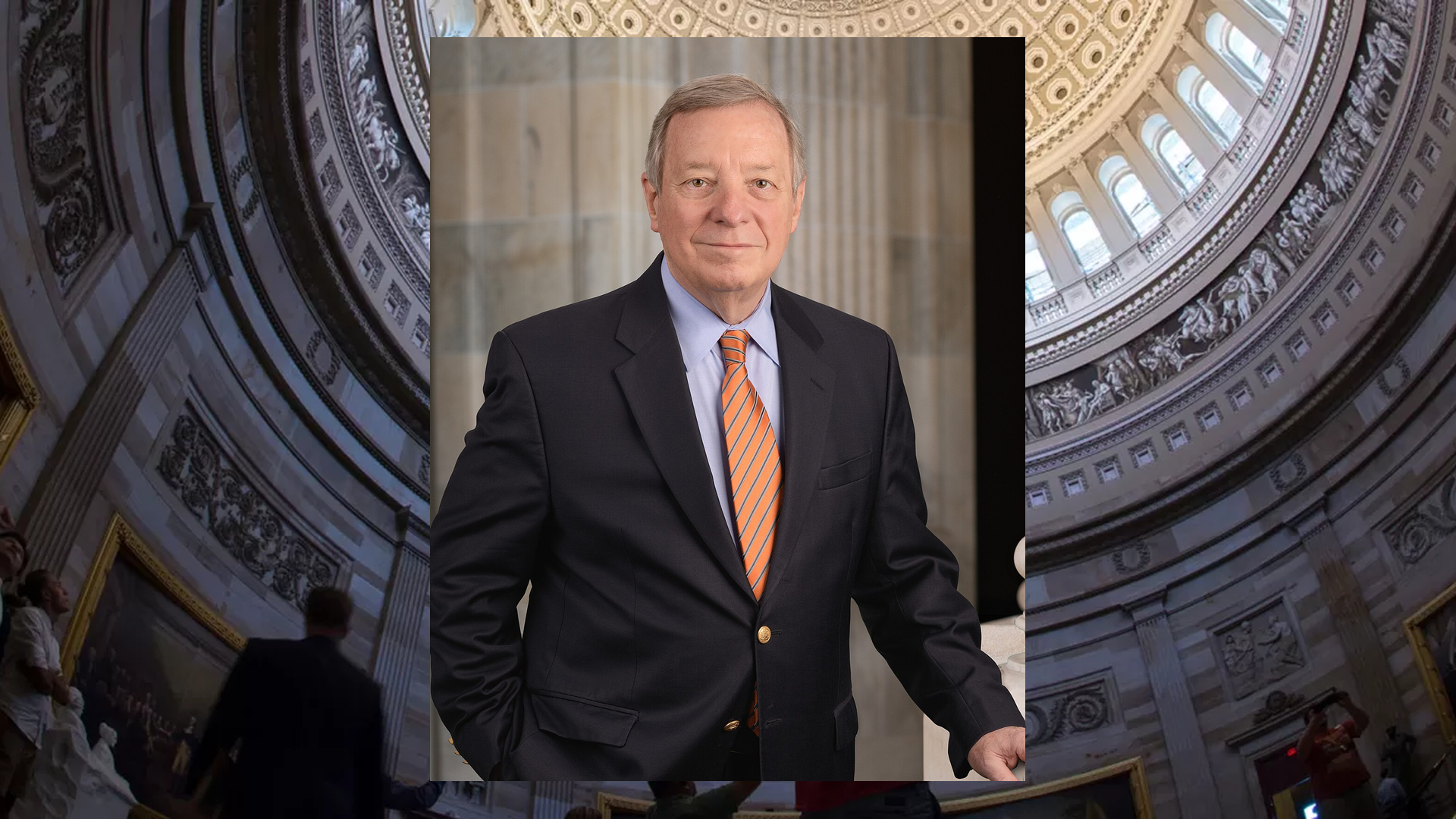
Senator Richard J. Durbin Bill Proposals
Here are some bills which have recently been proposed by Senator Richard J. Durbin:
- S.4347: America Grows Act of 2026
- S.4307: Protecting American Consumers from Robocalls Act
- S.4244: Protect Your Points Act of 2026
- S.4213: Data Center Water and Energy Transparency Act of 2026
- S.4181: Plastic Pellet Free Waters Act
- S.4157: No Bailout for Crypto Act
You can track bills proposed by Senator Richard J. Durbin on Quiver Quantitative's politician page for Durbin.
2026 Illinois US Senate Election
There has been approximately $68,389,480 of spending in Illinois US Senate elections over the last two years, per our estimates.
Approximately $24,889,581 of this has been from outside spending by PACs and Super PACs. Some of the groups who are spending money in this race include:
- ILLINOIS FUTURE PAC ($12,534,766)
- FAIRSHAKE ($9,866,095)
- THE IMPACT FUND ($1,175,000)
- PROGRESSIVE VALUES ILLINOIS ($593,177)
- PROTECT PROGRESS ($434,836)
The rating for this race is currently "Solid D".
You can track this election on our matchup page for the 2026 Illinois US Senate election.
This article is not financial advice. See Quiver Quantitative's disclaimers for more information.