S. 4990: McCarty and Heideman Air Safety Enhancement Act
This bill would require the Federal Aviation Administration (FAA) to review its existing rules, policies, and guidance on low-altitude airspace safety within 6 months of enactment. The review is meant to identify possible improvements to reduce the risk of aircraft striking objects or hazards near the ground.
What the FAA would have to examine
In carrying out the review, the FAA would look at several specific issues, including:
- Whether current rules clearly explain when things like slacklines, tightropes, highlines, wires, and similar temporary obstacles must be marked, lit, or otherwise made visible to pilots.
- Whether the FAA can improve aviation information systems, such as Notices to Airmen, obstacle databases, and other digital flight-planning tools, so hazards are more consistently shown across software and aircraft systems.
- Whether the FAA should improve coordination with federal, state, tribal, and local land management agencies, including the National Park Service, Bureau of Land Management, and U.S. Forest Service, when activities might create low-altitude flight hazards.
- Whether current penalties for violating low-altitude airspace safety requirements are strong enough.
- How the FAA could better educate non-aviation groups whose activities might create hazards in the airspace.
Who the FAA must consult
The FAA would need to consult with representatives of several groups during the review, including:
- Helicopter and powered-lift aircraft operators and pilots
- Air medical operators
- General aviation pilots and aircraft owners
- Agricultural aviation operators
- Uncrewed aircraft system operators
- Aviation safety experts with knowledge of vertical flight operations
- Any other stakeholders the FAA considers appropriate
Possible follow-up actions
If the FAA concludes that current policies do not adequately cover marking or lighting requirements for slacklines or other temporary obstacles, the bill would require the FAA to update its regulations, guidance, or policies within 1 year of enactment.
The FAA would also have to brief Congress within 90 days after finishing the review. That briefing would cover the review’s findings, any planned rule or policy updates, and any recommended legislation to improve low-altitude airspace safety.
Relevant Companies
- AMN — Could be affected indirectly if air medical operations adjust procedures related to low-altitude hazards.
- PHX — Could be indirectly affected if helicopter or vertical-flight safety practices change; however, the bill is regulatory and does not target a specific company.
This is an AI-generated summary of the bill text. There may be mistakes.
Sponsors
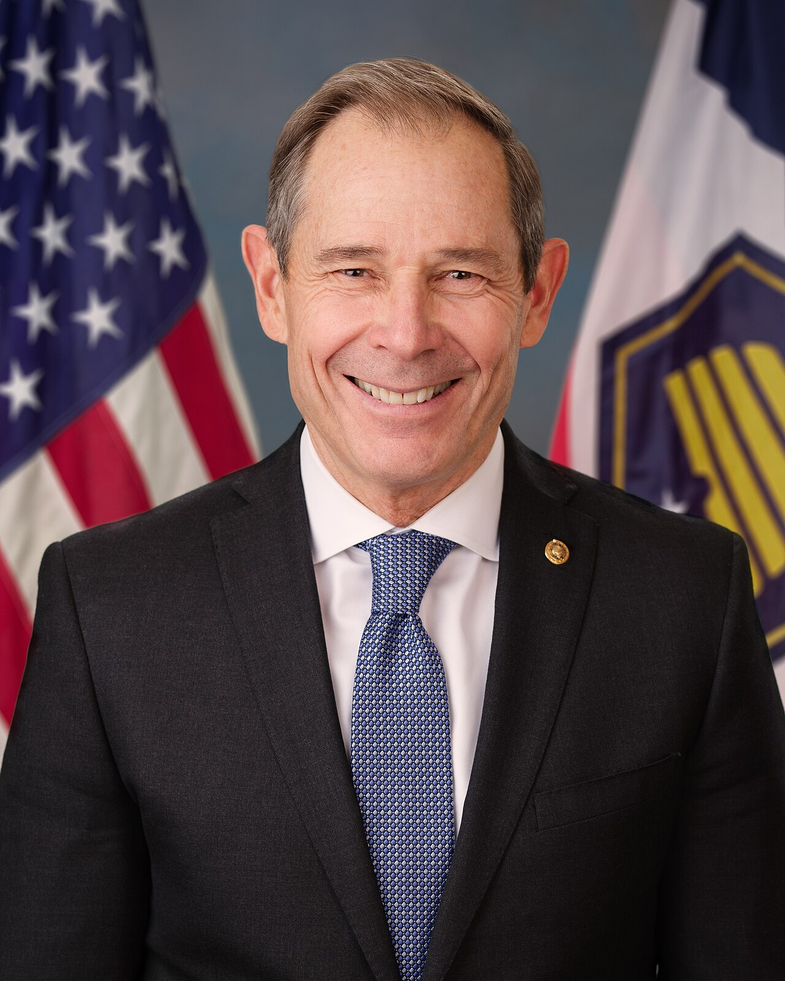
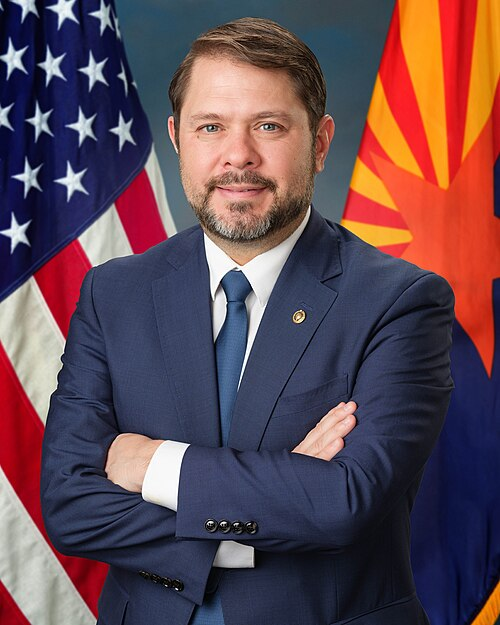
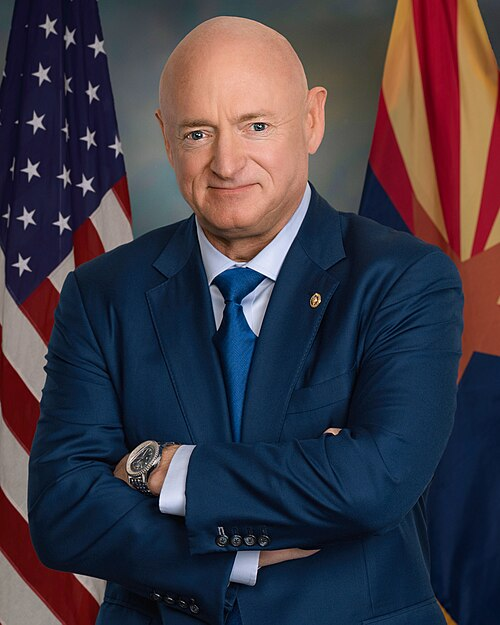
5 bill sponsors


Actions
2 actions
| Date | Action |
|---|---|
| Jul. 15, 2026 | Introduced in Senate |
| Jul. 15, 2026 | Read twice and referred to the Committee on Commerce, Science, and Transportation. |
Corporate Lobbying
0 companies lobbying
None found.
* Note that there can be significant delays in lobbying disclosures, and our data may be incomplete.
Potentially Relevant Congressional Stock Trades
No relevant congressional stock trades found.