S. 4682: Ultimate Human Responsibility in Defense Systems Act of 2026
This bill, titled the "Ultimate Human Responsibility in Defense Systems Act of 2026," sets forth requirements for the use of autonomous weapon systems by the U.S. Department of Defense. It aims to ensure that human operators have ultimate oversight and control over these systems, especially concerning the use of military force.
Key Provisions
Definitions
The bill clearly defines several terms:
- Autonomous weapon system: A weapon that can select and engage targets without direct human control.
- Ultimate human responsibility: The ability of a human operator to understand, supervise, and intervene with the autonomous weapon system in compliance with relevant laws and ethical standards.
- Use of force: Relates to applying lethal or non-lethal military force against a target.
Human Judgment Requirement
The Secretary of Defense is mandated to ensure that any autonomous weapon system developed or used by the Department of Defense:
- Allows for human oversight and responsibility over the use of force.
- Adheres to ethical and legal principles that prevent unlawful use of such technologies.
- Includes guidelines and policies meant to govern the application of artificial intelligence in defense contexts.
Design Requirements
Autonomous weapon systems must be designed to:
- Allow human supervision and the ability for operators to intervene or terminate operations when necessary.
- Incorporate fail-safes for manual control in critical scenarios.
- Provide operators with sufficient information to understand the system’s decisions.
- Keep records of the decision-making process for further review.
- Comply with applicable laws and military policies.
Operational Oversight and Training
The Secretary of Defense will need to establish training procedures that ensure military personnel can effectively supervise autonomous systems. This includes regular assessments in relevant operational contexts and a reporting mechanism for operators to express concerns about the reliability of these systems.
Review and Certification
Before deploying an autonomous weapon system that can select targets independently, a certification process led by the Director of Operational Test and Evaluation is required. This includes:
- An independent assessment of the system's capabilities against adversarial threats.
- Ensuring the system allows for human responsibility and has proven reliability through testing.
Annual Reporting
The Secretary of Defense must report to Congress annually on:
- The status of autonomous weapon systems in development or deployment.
- Steps taken to comply with the bill’s requirements.
- Recommendations for future legislative actions regarding human judgment in these systems.
Incident Repository
The bill calls for the creation of a centralized repository to document incidents involving autonomous weapon systems. This will be used to:
- Record operational failures and unintended actions.
- Identify risks and vulnerabilities in autonomous systems.
- Enhance future system designs and training methodologies.
Civilian Harm Mitigation Office
A new office, the Civilian Harm Mitigation and Response Office, will be established to oversee practices relating to preventing and responding to civilian harm during military operations. This office will implement policies, coordinate responses, and provide training on mitigating civilian risks.
Training Pipelines
Formal training programs for operators of autonomous systems will be developed, which include:
- Specialized training tracks and certifications related to human-machine interaction.
- Training in simulated conditions where communication systems may fail.
- Continuous retraining in line with updates to the systems.
Rule of Construction
The bill clarifies that it does not prohibit the development of autonomous systems that intercept threats, as long as human supervision is integrated into their operation.
Relevant Companies
- BA (Boeing): Boeing is involved in defense and aerospace sectors and may need to adjust its autonomous weapon systems to meet the new oversight and certification requirements.
- RTX (Raytheon Technologies): As a major defense contractor, Raytheon may be impacted by the increased requirements around human oversight and operational standards for their autonomous weapon technologies.
- LDOS (Leidos): Leidos engages in defense technology solutions and will likely need to align its autonomous systems with the new regulations mandated by this bill.
This is an AI-generated summary of the bill text. There may be mistakes.
Sponsors
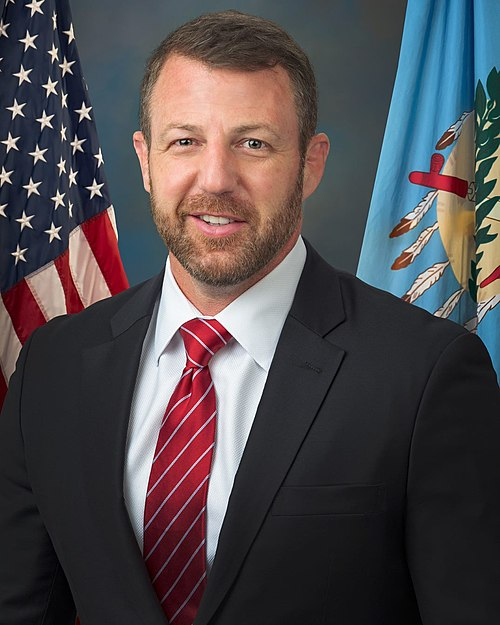
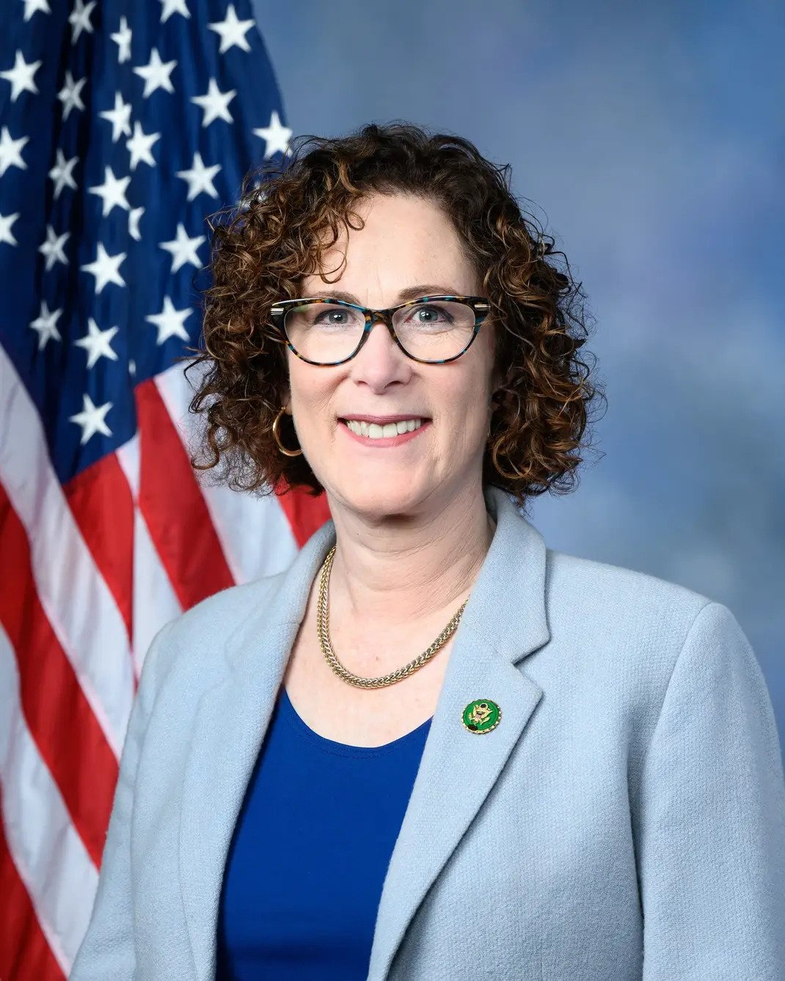
1 sponsor

Actions
2 actions
| Date | Action |
|---|---|
| Jun. 04, 2026 | Introduced in Senate |
| Jun. 04, 2026 | Read twice and referred to the Committee on Armed Services. |
Corporate Lobbying
0 companies lobbying
None found.
* Note that there can be significant delays in lobbying disclosures, and our data may be incomplete.