S. 398: National Origin-Based Antidiscrimination for Nonimmigrants Act
This bill, known as the National Origin-Based Antidiscrimination for Nonimmigrants Act (also referred to as the NO BAN Act), aims to amend existing immigration laws and establish stricter guidelines on how the U.S. government can suspend or restrict the entry of individuals from certain countries or classes of aliens. The key provisions of the bill are summarized below:
1. Nondiscrimination Expansion
The bill expands the nondiscrimination provisions in the Immigration and Nationality Act (INA) to include nonimmigrant visas—meaning it prohibits discrimination based on national origin, religion, sex, and other factors in the issuance of both immigrant and nonimmigrant visas or entry into the U.S. The bill states that, except in specific cases authorized by other laws, no individual should be denied these benefits on the basis of their nationality or religion.
2. Limitations on Presidential Authority
The bill sets forth limitations on the President's authority to suspend or restrict the entry of certain categories of aliens. Key aspects include:
- The President may only impose such restrictions if there is credible evidence that the entry of a specific class of aliens would undermine U.S. security or public safety.
- Any such suspension or restriction must be narrowly tailored to address specific concerns and should use the least restrictive means possible.
- The President must notify Congress and provide specific evidence for the need and duration of any proposed restrictions prior to imposing them.
- A briefing and report are required within 48 hours following any presidential action, detailing the reasons for the action and its implications.
- If the required briefing is not provided, the suspension or restriction terminates immediately unless Congress intervenes.
3. Reporting Requirements
Within 90 days after the enactment of this bill, the Secretary of State must submit a report detailing the implementation of previous presidential proclamations and executive orders regarding immigration restrictions. This includes reporting on:
- The number of visa applicants and their approval/denial rates by country and visa category.
- The reasons for visa denials and any waivers granted.
- Information on refugees admitted from the affected countries.
Additionally, ongoing reports are required every 30 days after any presidential action to suspend entry, and a final report must be submitted when such restrictions are lifted. These reports must also be made publicly available.
4. Judicial Review and Remedies
The bill enables individuals or entities harmed by violations of the new provisions to seek legal remedies in U.S. district courts, including class action lawsuits. This extends the ability to challenge wrongful visa denials or immigration restrictions.
5. Airline Compliance
The bill provides for the Secretary of Homeland Security to impose penalties on airlines that do not comply with regulations regarding the detection of fraudulent documents. If a commercial airline fails in this regard, it may face restrictions on the entry of aliens it transports to the U.S.
6. Conclusion of Legislative Intent
The bill clarifies that it does not authorize any executive action that contradicts existing immigration policies. It emphasizes the importance of adhering to congressional oversight and empowering Congress in matters of immigration control.
Relevant Companies
- DAL - Delta Air Lines: Any restrictions on entry imposed due to airline compliance issues may affect their operations and passenger volume.
- AAL - American Airlines: Similar to Delta, compliance with survey and documentation requirements could impact their passenger traffic and operational capabilities.
- UAL - United Airlines: If any entries are restricted, the company might lose potential passengers, affecting their overall revenue.
This is an AI-generated summary of the bill text. There may be mistakes.
Sponsors
37 bill sponsors
-
TrackChristopher A. Coons
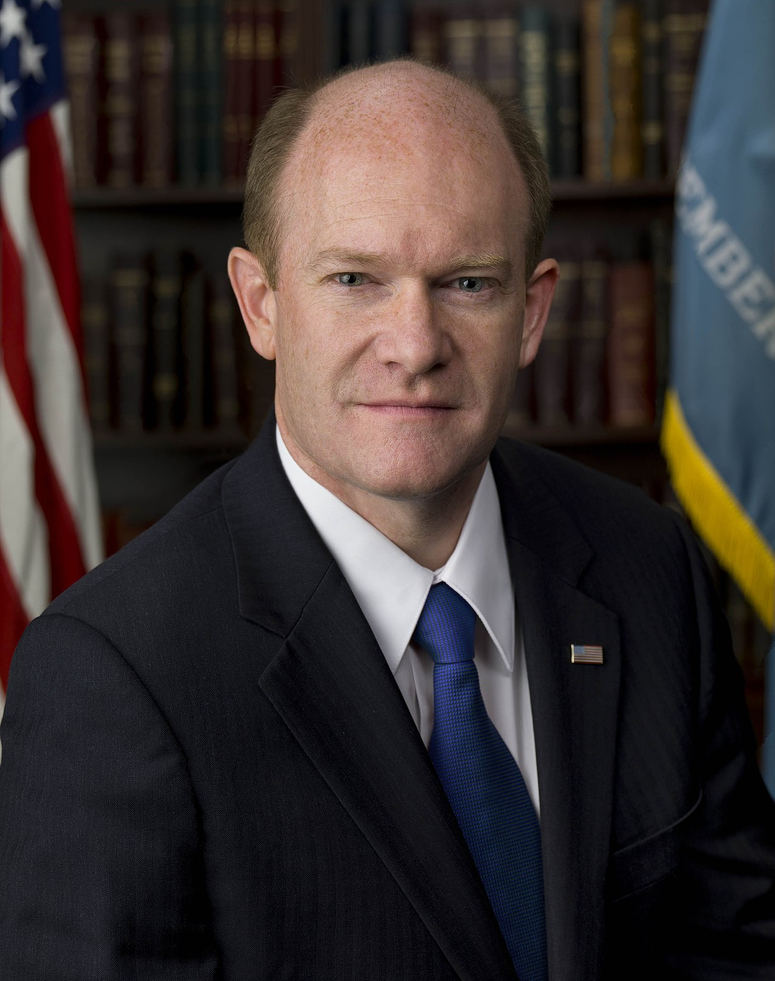
Sponsor
-
TrackAngela Alsobrooks
Co-Sponsor
-
TrackTammy Baldwin

Co-Sponsor
-
TrackMichael F. Bennet

Co-Sponsor
-
TrackRichard Blumenthal
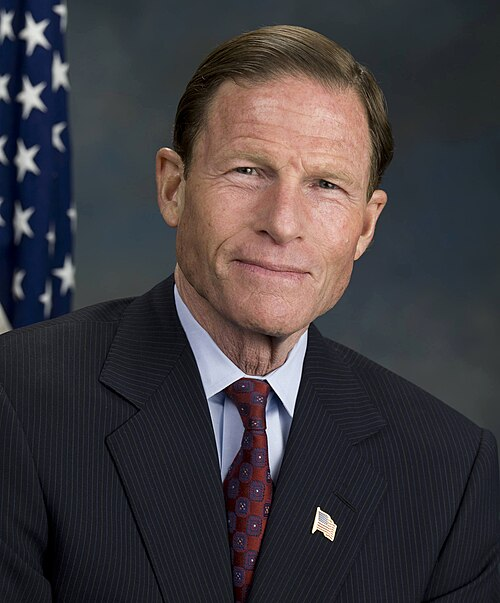
Co-Sponsor
-
TrackLisa Blunt Rochester
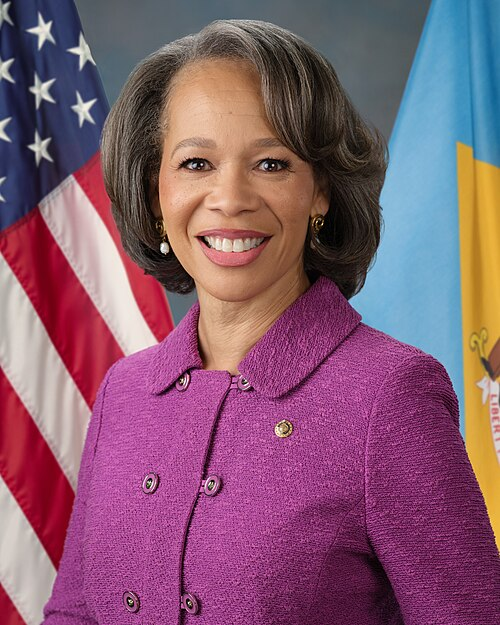
Co-Sponsor
-
TrackCory A. Booker
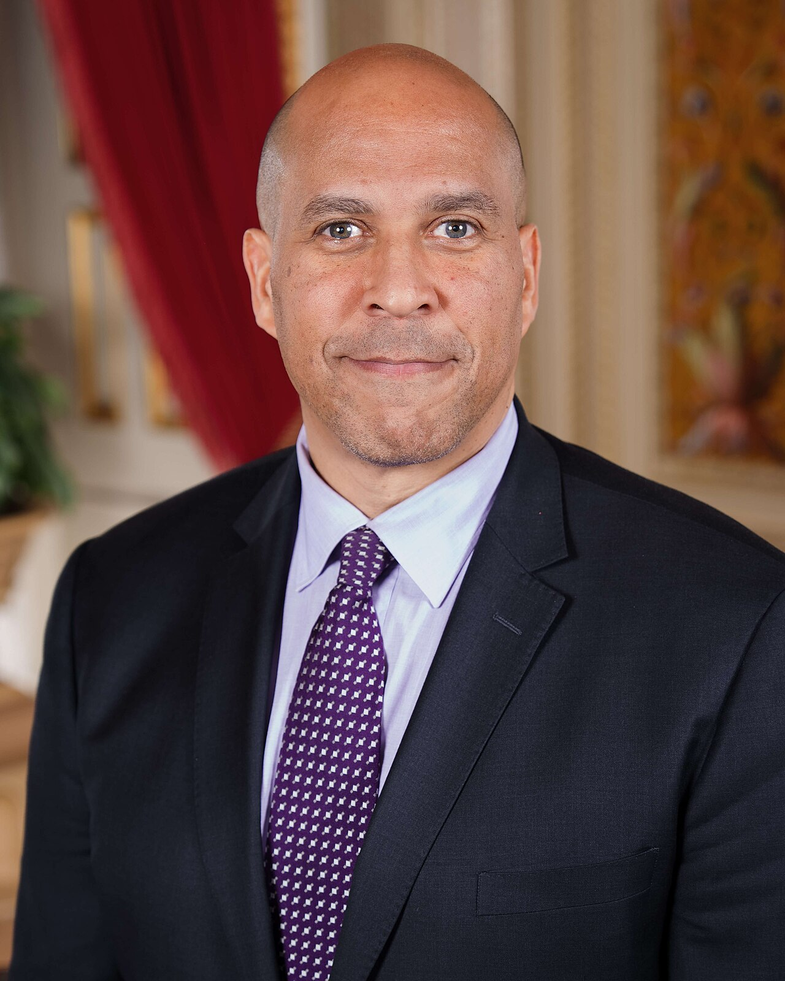
Co-Sponsor
-
TrackMaria Cantwell

Co-Sponsor
-
TrackCatherine Cortez Masto
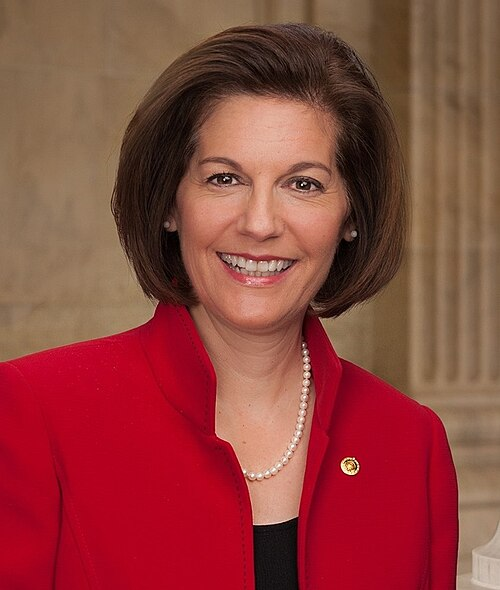
Co-Sponsor
-
TrackTammy Duckworth
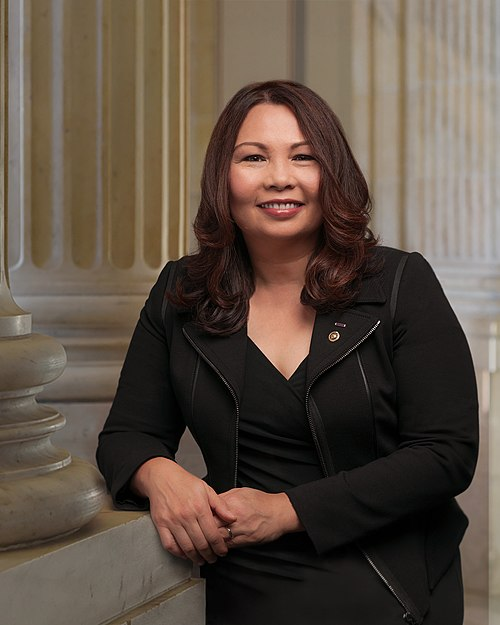
Co-Sponsor
-
TrackRichard J. Durbin
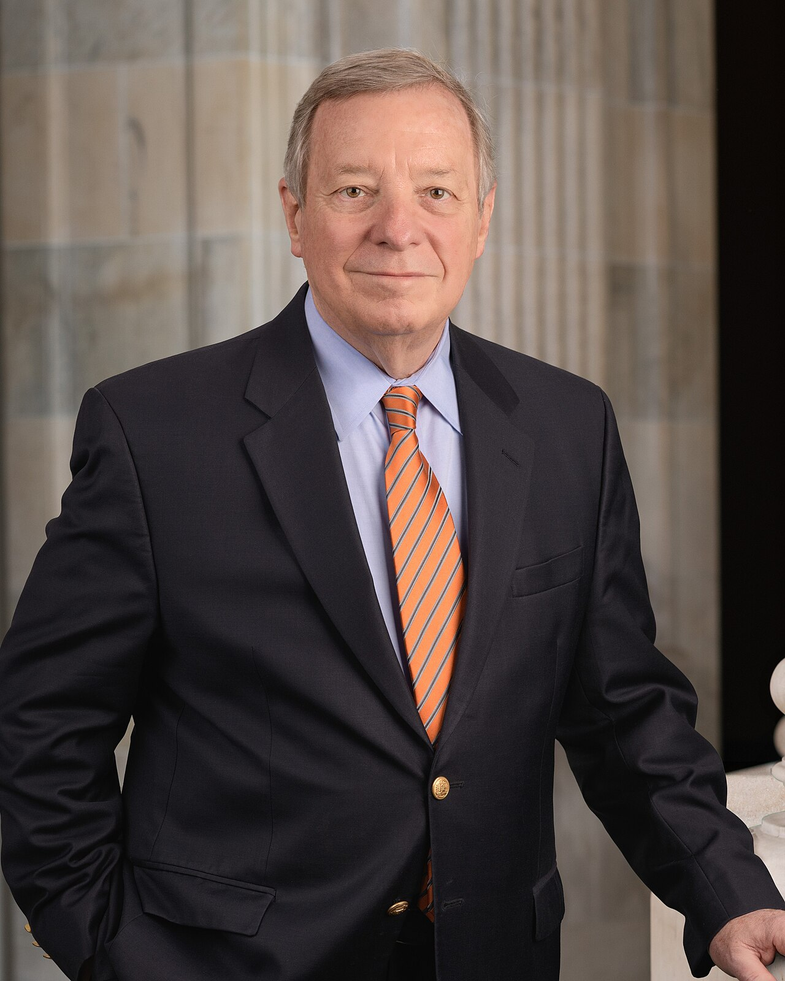
Co-Sponsor
-
TrackJohn W. Hickenlooper
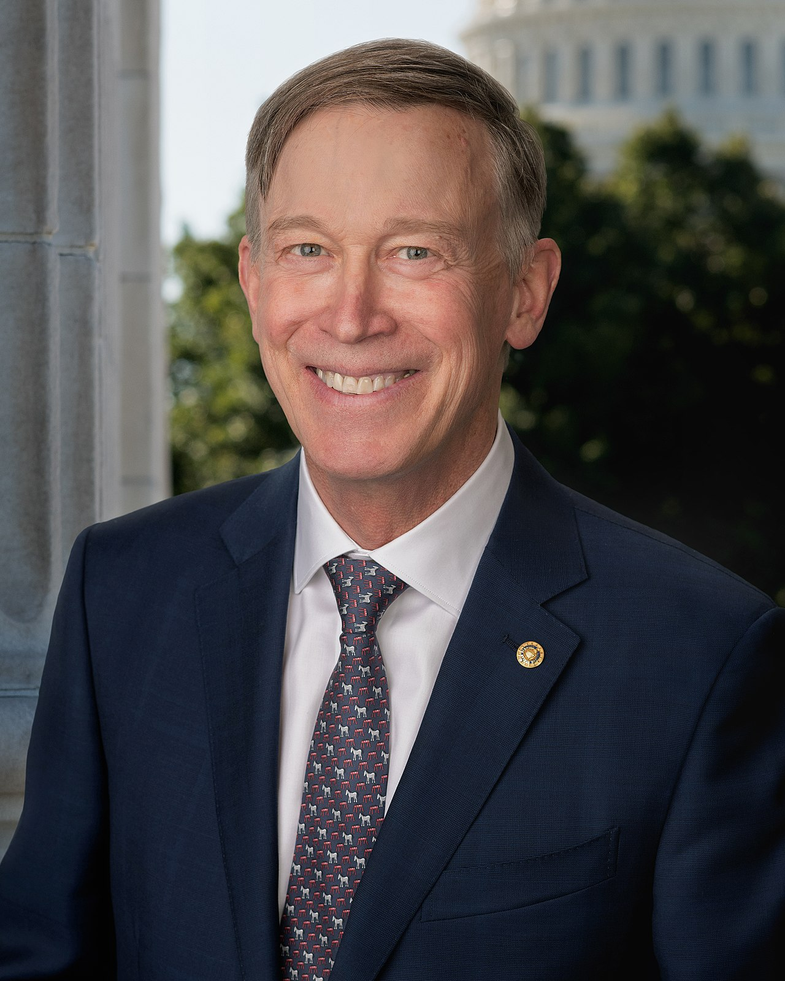
Co-Sponsor
-
TrackMazie K. Hirono

Co-Sponsor
-
TrackTim Kaine
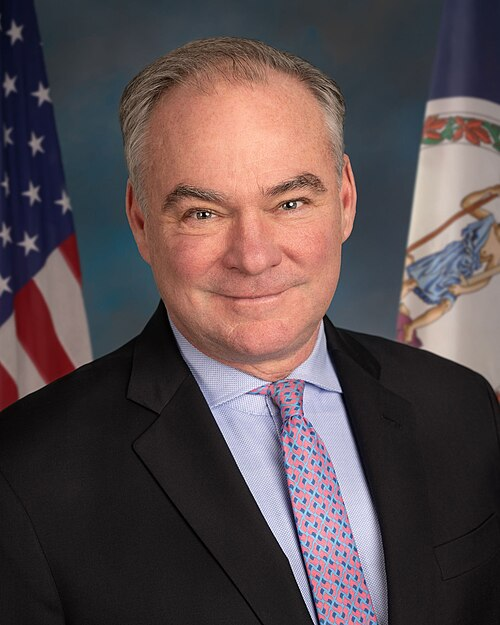
Co-Sponsor
-
TrackAndy Kim

Co-Sponsor
-
TrackAngus S. King Jr.
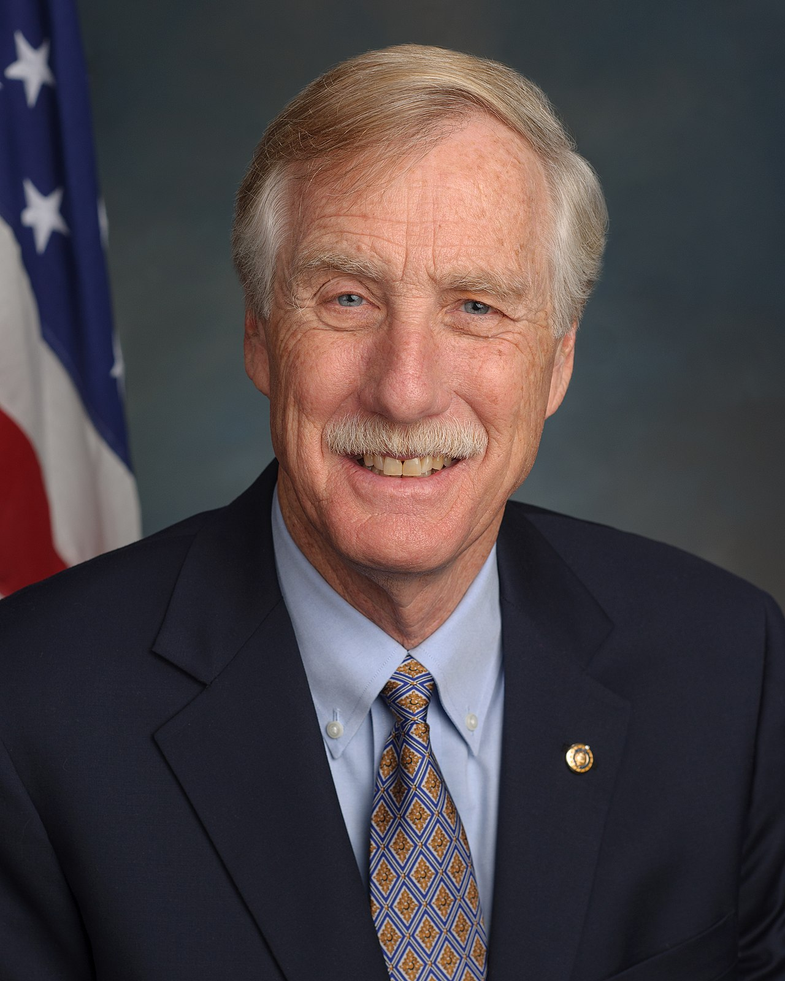
Co-Sponsor
-
TrackAmy Klobuchar
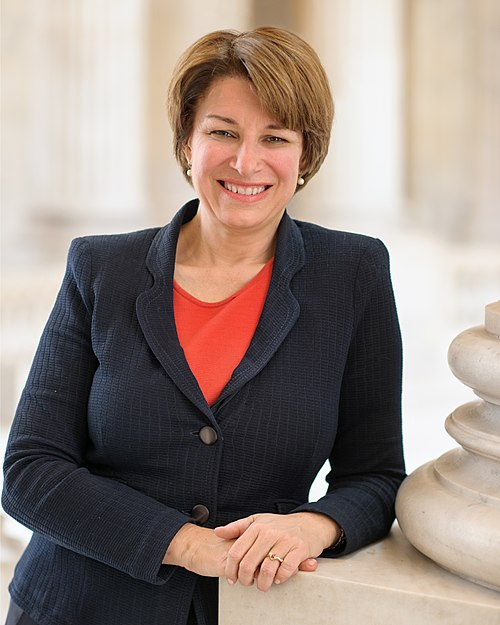
Co-Sponsor
-
TrackBen Ray Lujan
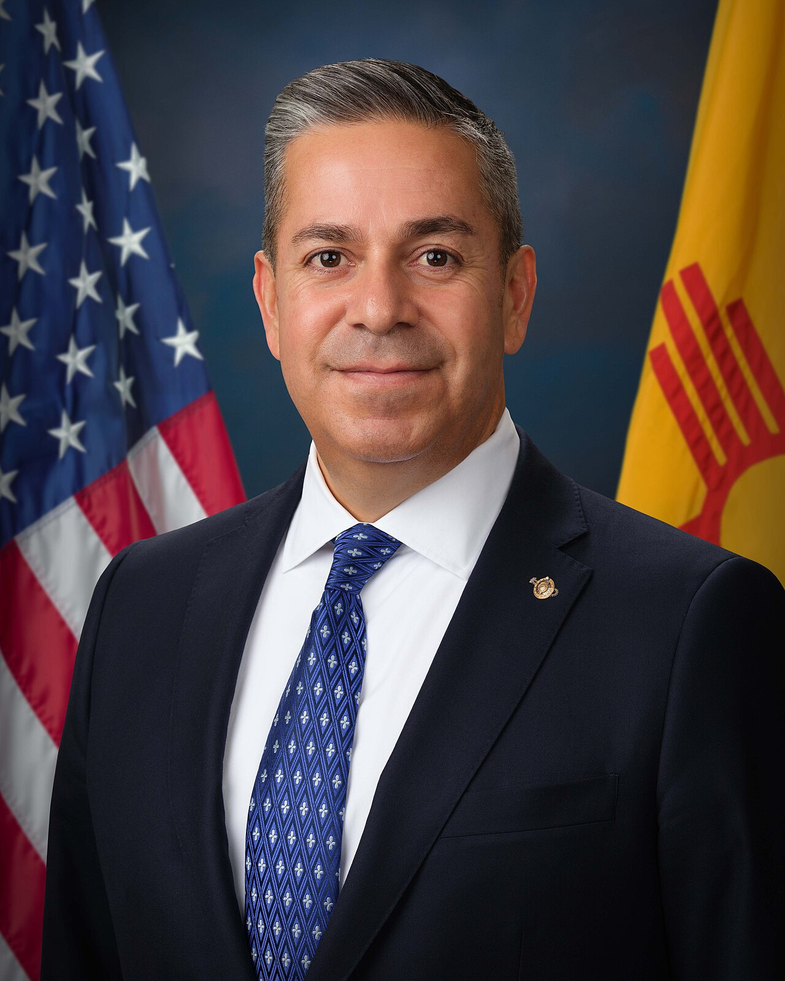
Co-Sponsor
-
TrackEdward J. Markey
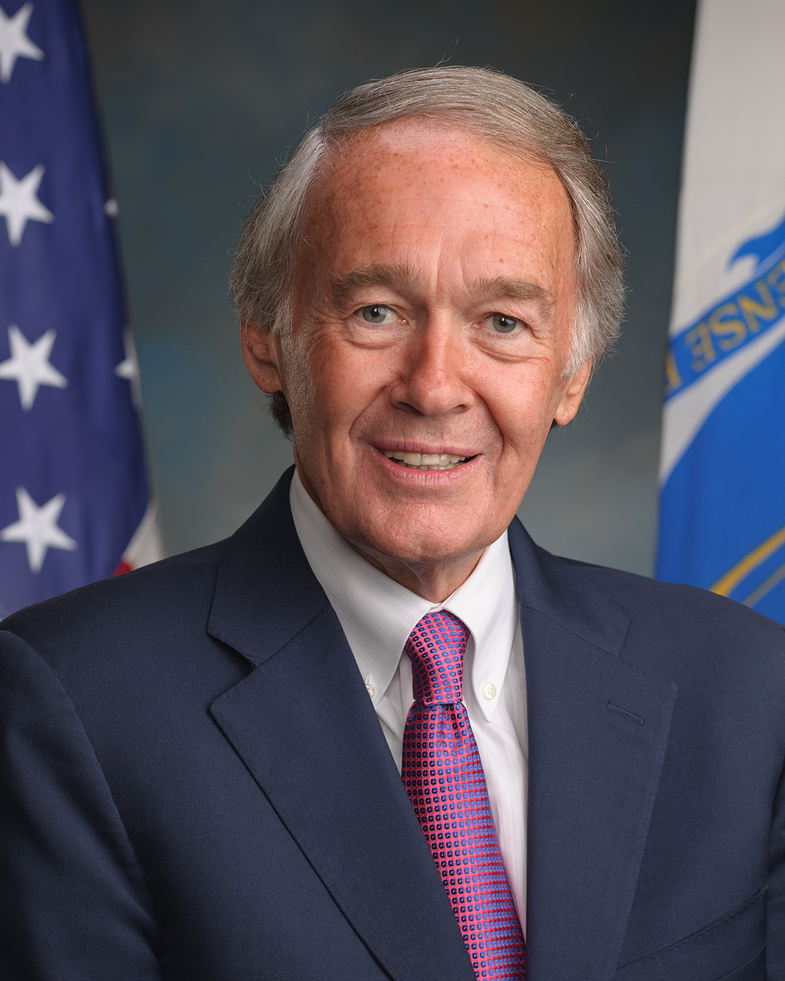
Co-Sponsor
-
TrackJeff Merkley

Co-Sponsor
-
TrackChristopher Murphy

Co-Sponsor
-
TrackPatty Murray
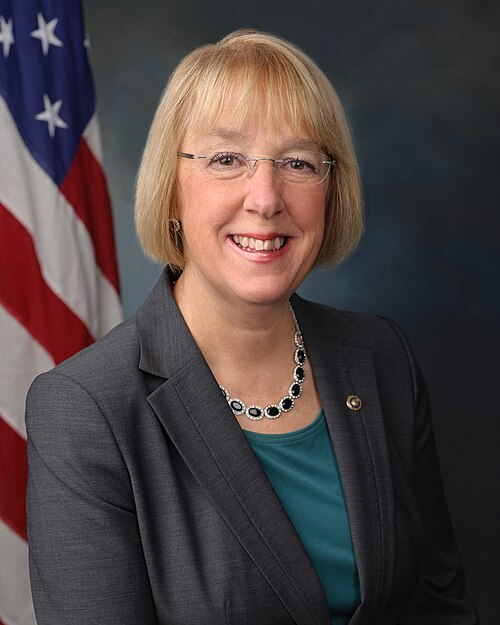
Co-Sponsor
-
TrackAlex Padilla
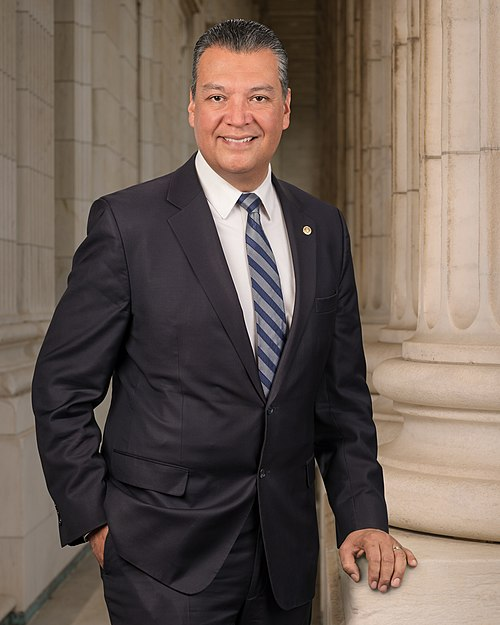
Co-Sponsor
-
TrackGary C. Peters
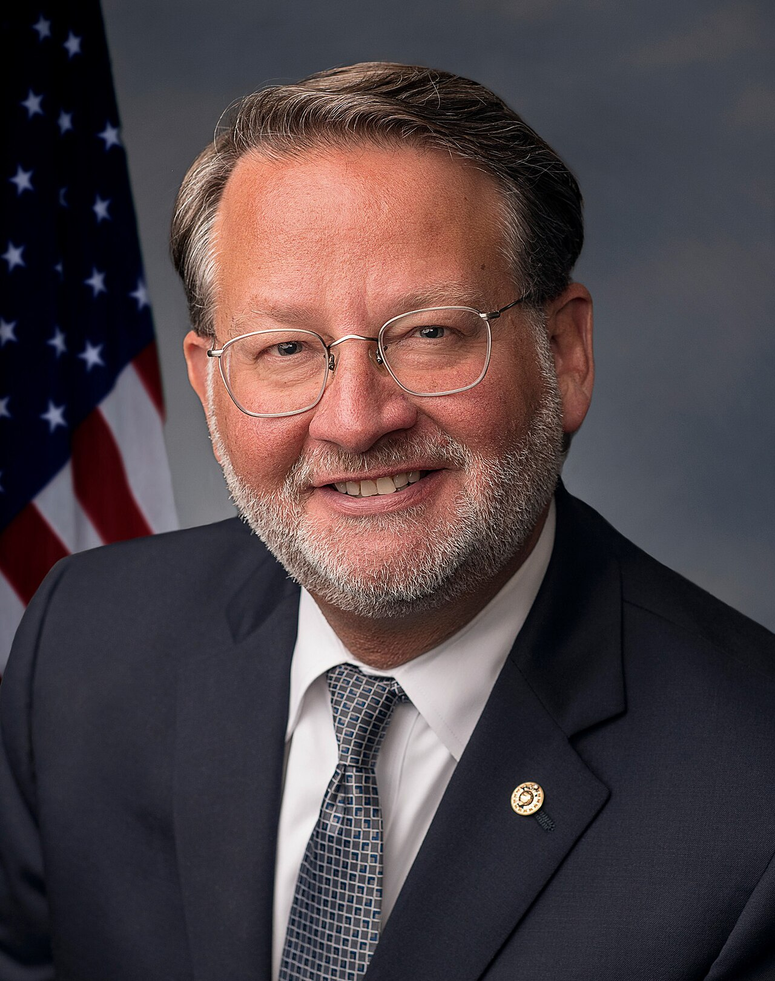
Co-Sponsor
-
TrackBernard Sanders
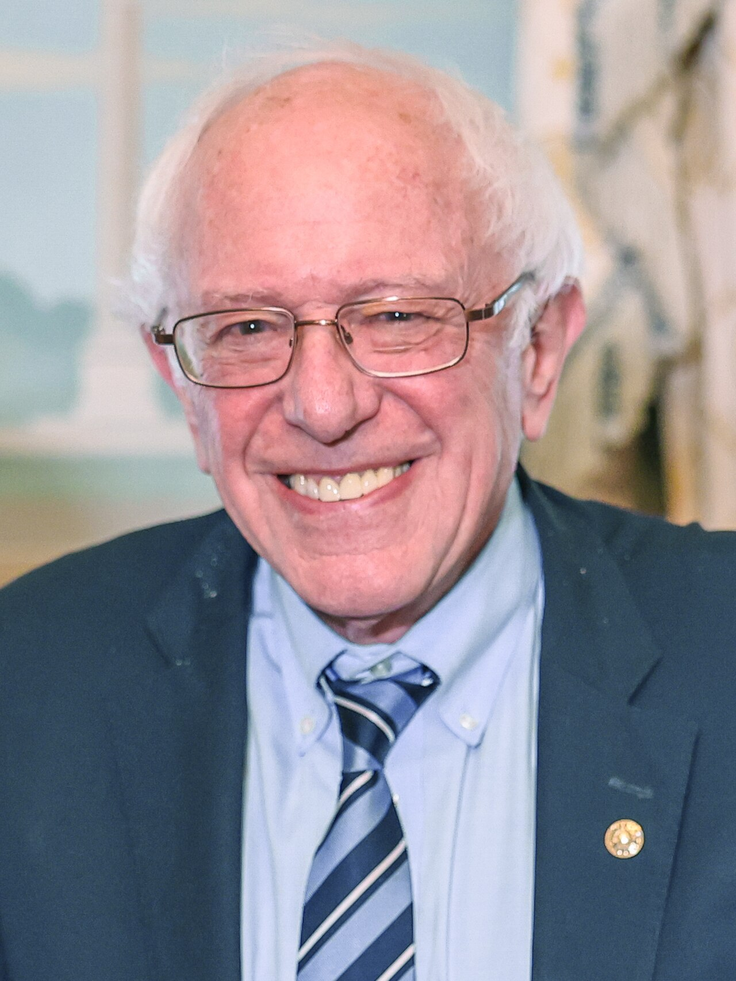
Co-Sponsor
-
TrackBrian Schatz
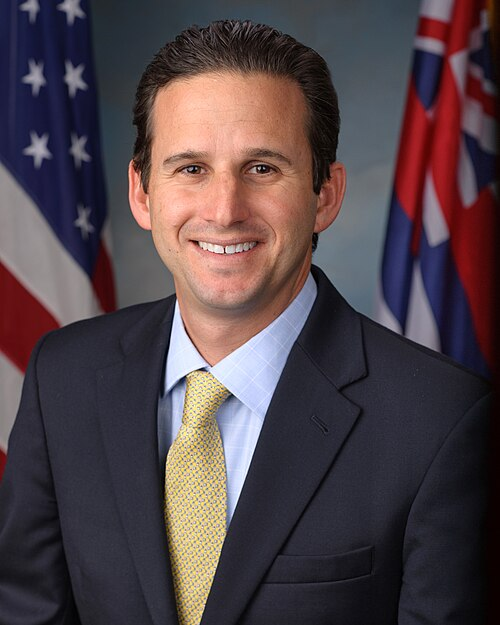
Co-Sponsor
-
TrackAdam B. Schiff
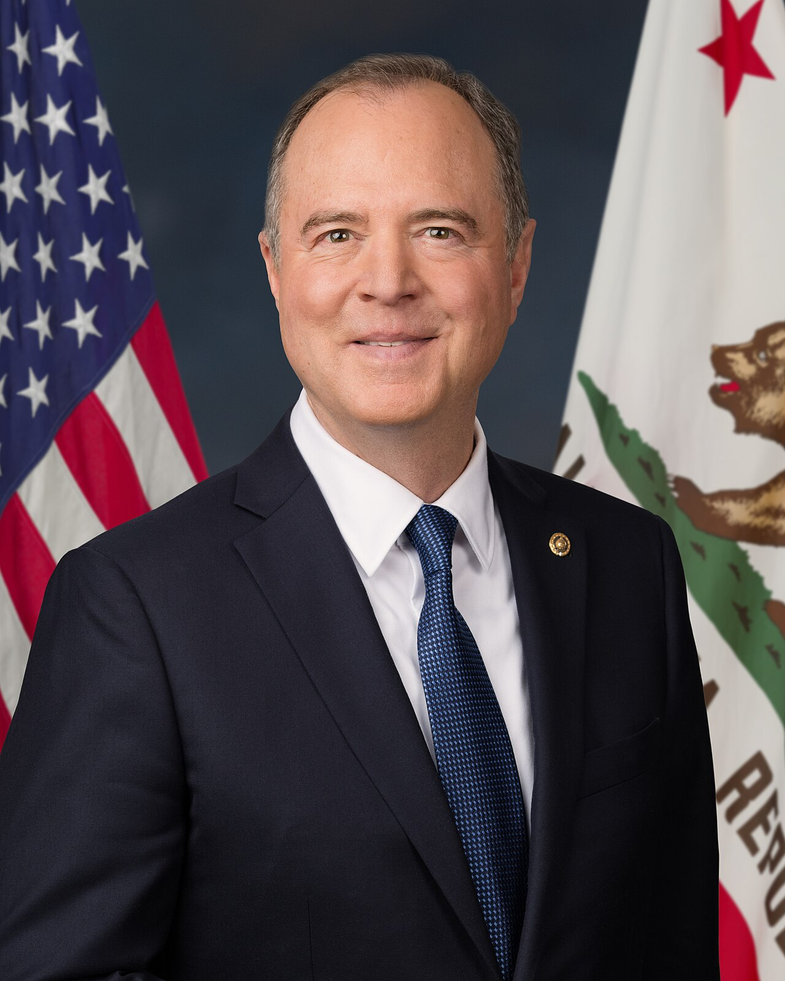
Co-Sponsor
-
TrackJeanne Shaheen
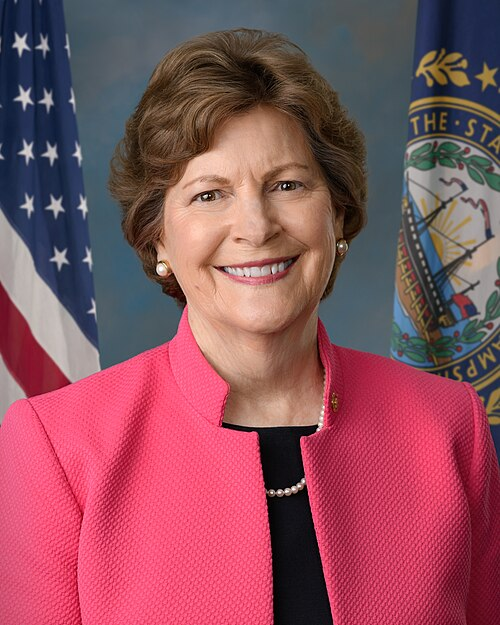
Co-Sponsor
-
TrackElissa Slotkin
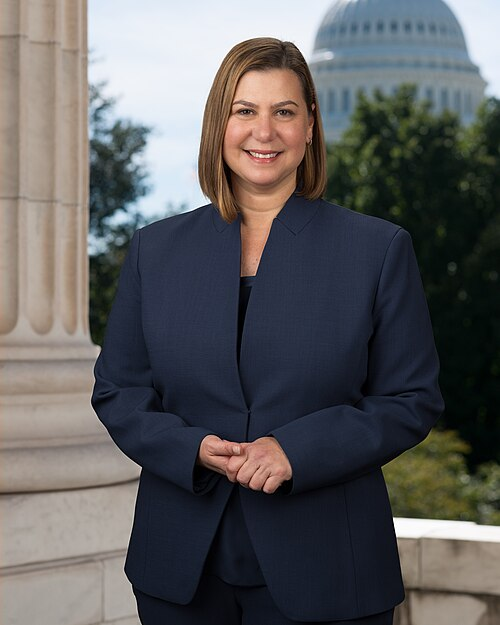
Co-Sponsor
-
TrackTina Smith
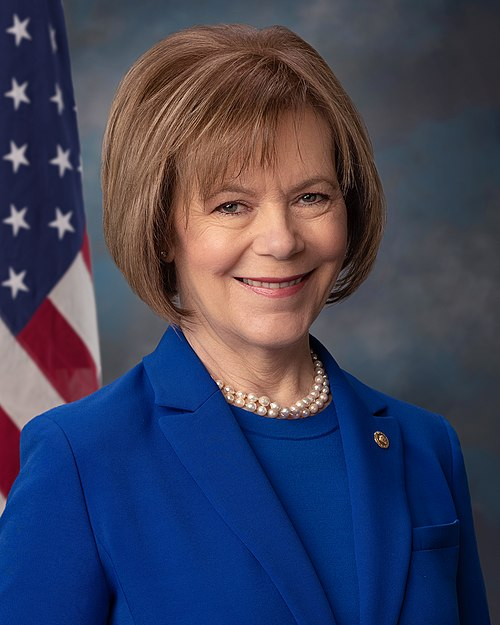
Co-Sponsor
-
TrackChris Van Hollen
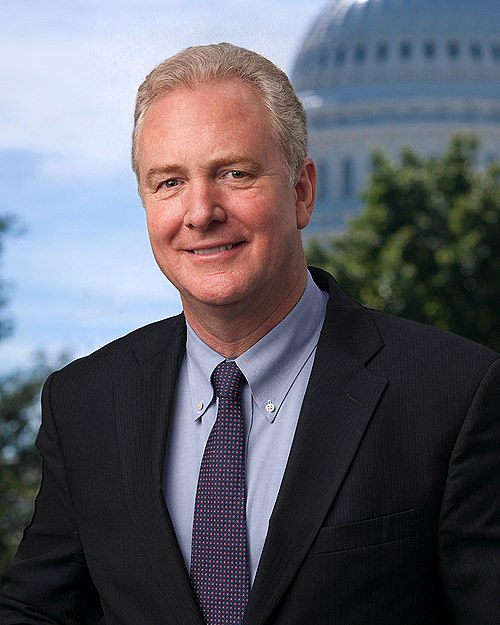
Co-Sponsor
-
TrackMark R. Warner
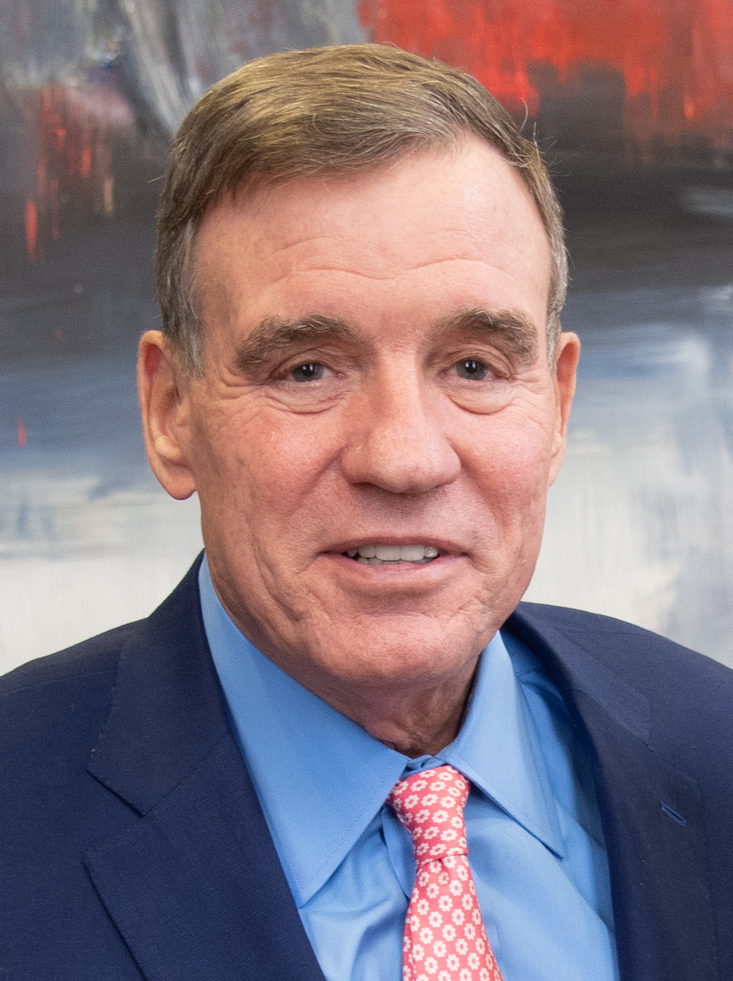
Co-Sponsor
-
TrackRaphael G. Warnock
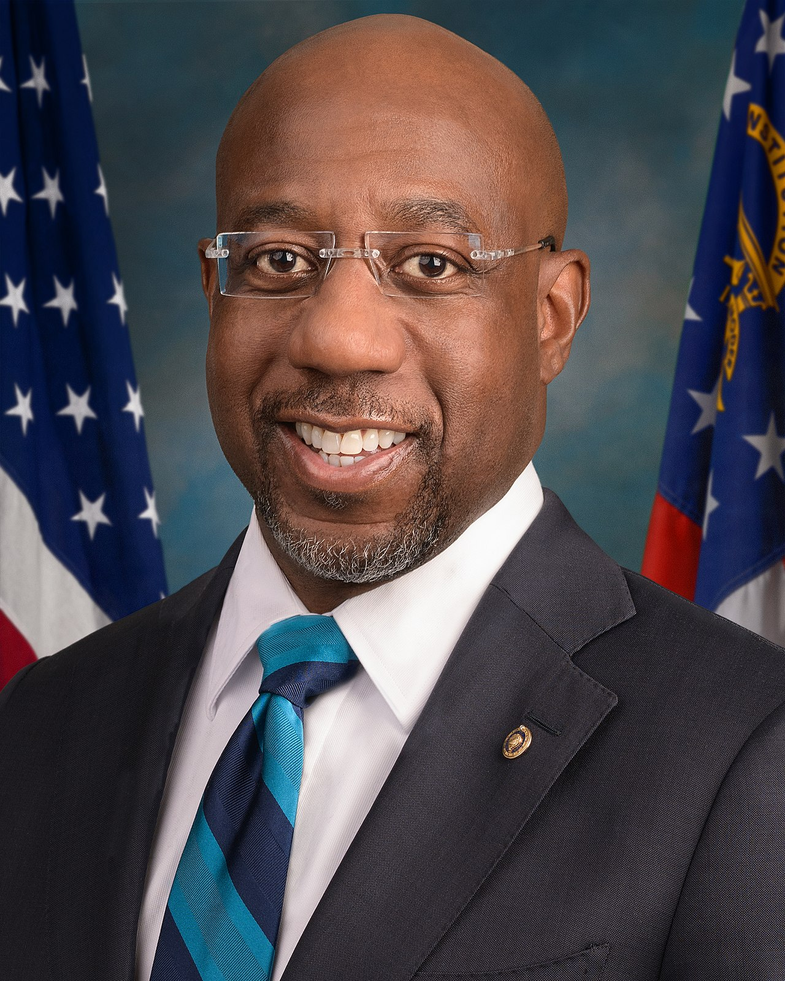
Co-Sponsor
-
TrackElizabeth Warren
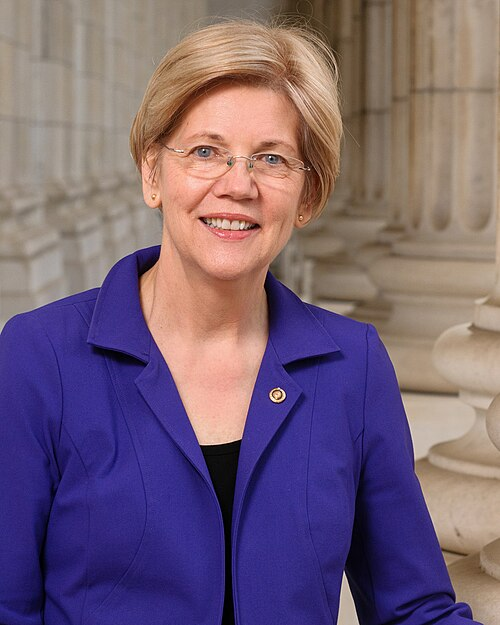
Co-Sponsor
-
TrackPeter Welch
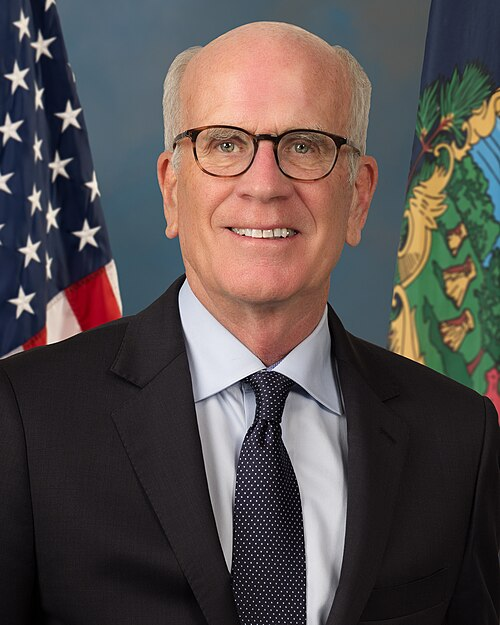
Co-Sponsor
-
TrackSheldon Whitehouse

Co-Sponsor
-
TrackRon Wyden
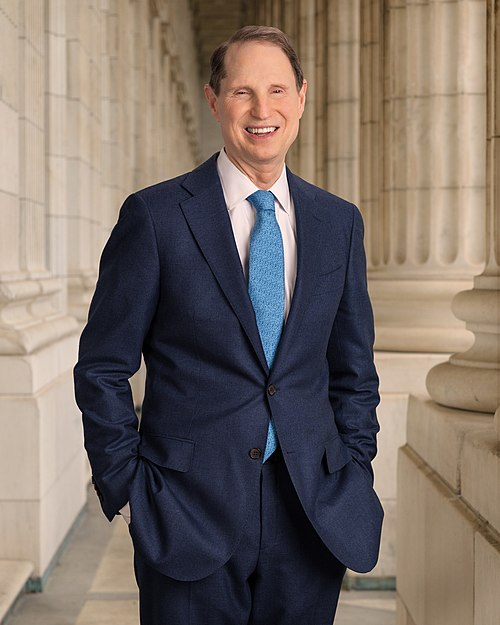
Co-Sponsor
Actions
2 actions
| Date | Action |
|---|---|
| Feb. 04, 2025 | Introduced in Senate |
| Feb. 04, 2025 | Read twice and referred to the Committee on the Judiciary. |
Corporate Lobbying
0 companies lobbying
None found.
* Note that there can be significant delays in lobbying disclosures, and our data may be incomplete.