S. 3917: The Dalilah Law
This bill, titled the "Dalilah Law," introduces several regulations concerning the issuance of commercial driver's licenses (CDLs) in the United States. Here’s a breakdown of its key points:
1. Prohibition on Issuing CDLs
The bill aims to prohibit states from issuing commercial driver's licenses to individuals who are not:
- Citizens of the United States,
- Lawful permanent residents of the United States, or
- Nonimmigrants holding specific work visas as detailed in the Immigration and Nationality Act.
The definition of a commercial driver's license and the related terms are clearly outlined, ensuring that the bill's language conforms to existing legislation.
2. Recertification Requirements
States are required to recertify all individuals currently holding CDLs within 180 days of the bill's enactment. This recertification process includes verifying that these individuals:
- Are citizens or lawful permanent residents, or
- Are nonimmigrants with valid work visas.
Additionally, individuals must demonstrate proficiency in the English language and pass required examinations conducted in English.
3. Disqualifications for Non-Compliance
Individuals who do not meet these criteria or who fail to recertify will have their CDLs revoked, and they will be disqualified from operating commercial motor vehicles for life. The bill lays out specific consequences for those who operate commercial motor vehicles without the necessary status.
4. Withholding of Federal Funding
If states do not comply with these requirements, they may lose federal funds related to transportation. The Secretary of Transportation is responsible for withholding funding from states that:
- Fail to complete the recertification process within the specified timeframe,
- Issue licenses to unqualified individuals, or
- Do not verify English proficiency during the license issuance process.
5. Federal Oversight
The bill grants the Secretary of Transportation the authority to enforce these requirements, ensuring that states adhere to the new regulations or face financial penalties.
6. Definitions and Clarifications
Key terms related to CDLs and the process are defined within the bill to avoid ambiguity, ensuring that there is a clear understanding of who is affected and how the regulations will be enforced.
Relevant Companies
- HTZ (Hertz Global Holdings, Inc.): As a major car rental company, changes in CDL regulations could directly impact their staffing needs for drivers.
- UPS (United Parcel Service, Inc.): As a logistics and package delivery company, the need for licensed commercial drivers is crucial to their operations and could be impacted by the bill.
- FDX (FedEx Corporation): Similar to UPS, FedEx relies on a large workforce of commercial drivers, and changes in licensing regulations could affect their hiring practices.
This is an AI-generated summary of the bill text. There may be mistakes.
Sponsors
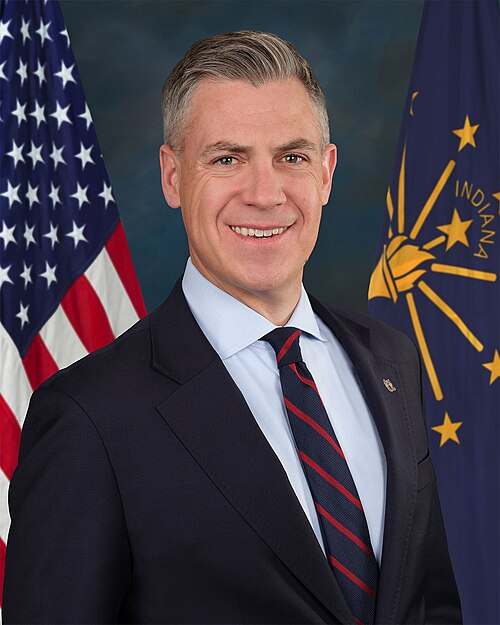
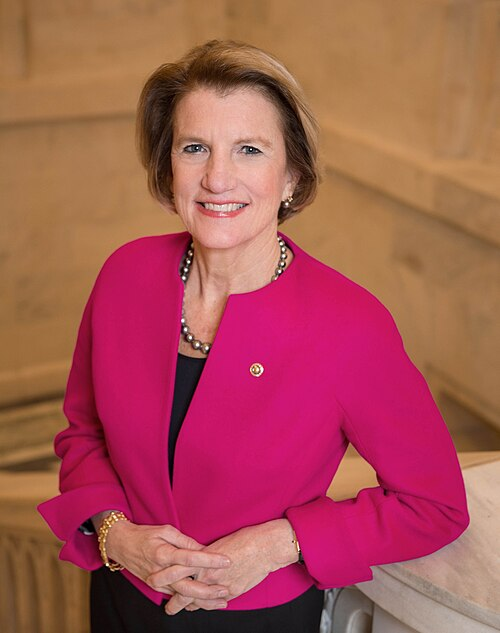
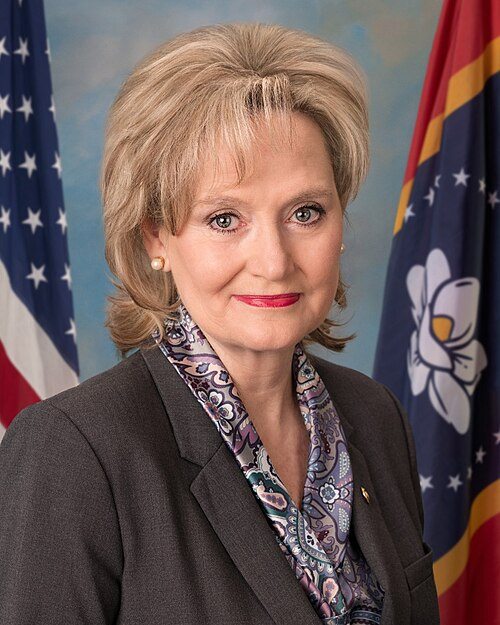
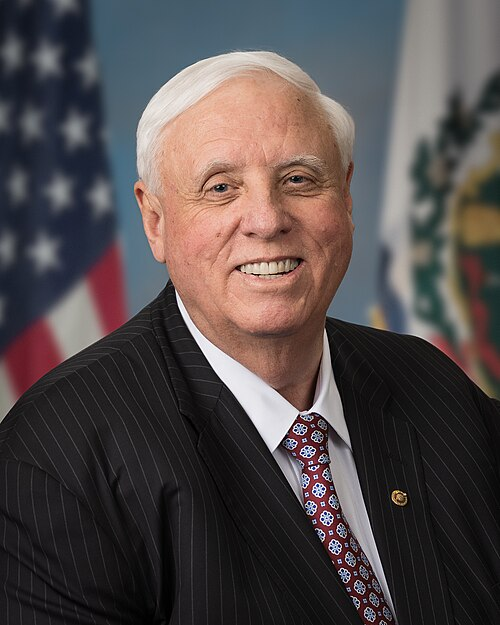
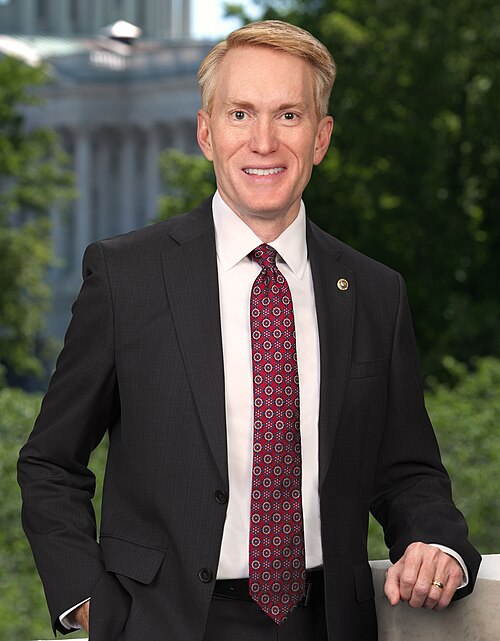
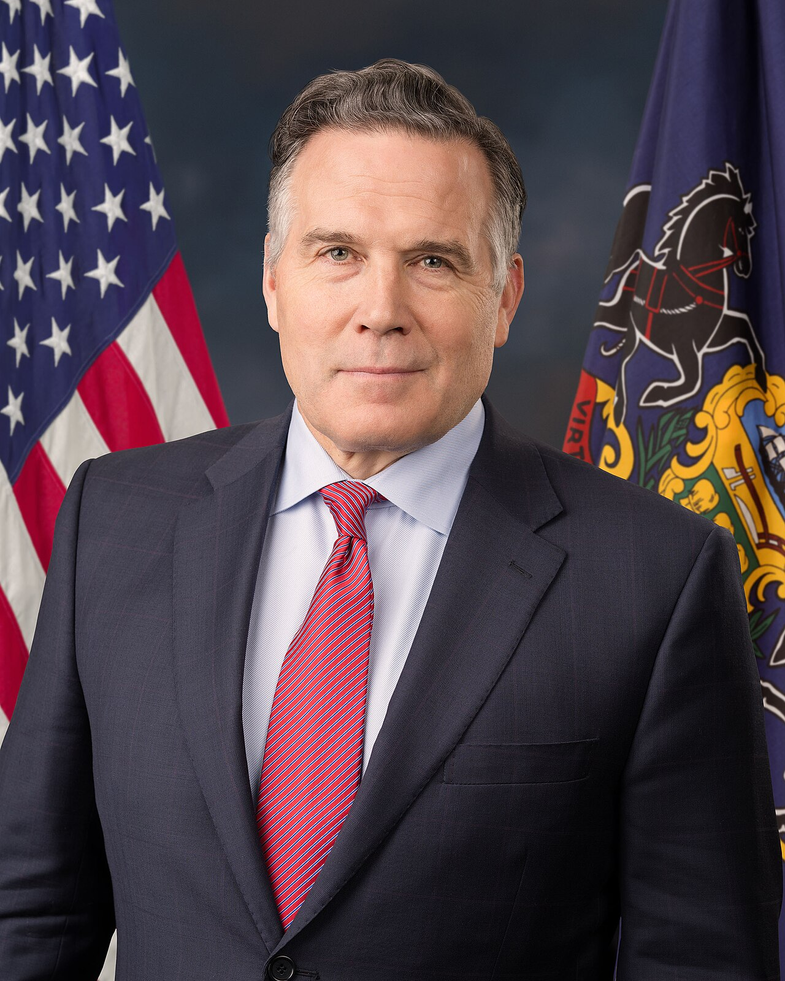
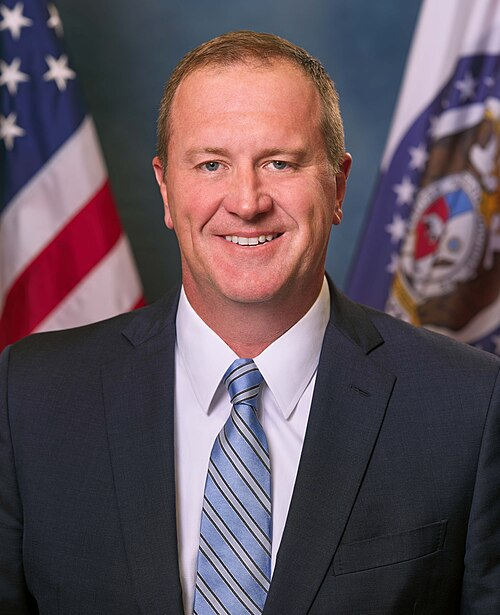
9 bill sponsors


Actions
2 actions
| Date | Action |
|---|---|
| Feb. 25, 2026 | Introduced in Senate |
| Feb. 25, 2026 | Read twice and referred to the Committee on Commerce, Science, and Transportation. |
Corporate Lobbying
0 companies lobbying
None found.
* Note that there can be significant delays in lobbying disclosures, and our data may be incomplete.