S. 3741: Biosecurity Modernization and Innovation Act of 2026
This bill, known as the Biosecurity Modernization and Innovation Act of 2026, aims to enhance the security and oversight of nucleic acid synthesis in the United States. It includes various provisions focused on regulating companies that synthesize synthetic nucleic acids or provide related equipment. Key elements of the bill include:
Regulations for Covered Providers
Covered providers, defined as those who synthesize and sell synthetic nucleic acids or distribute related equipment, will be required to:
- Implement screening protocols for sequences that may pose a biosecurity threat.
- Verify the identity and legitimacy of customers.
- Maintain a list of concerning sequences and update it regularly.
- Ensure data security and confidentiality when handling orders and customer information.
- Undergo audits to ensure compliance with established protocols.
- Participate in a conformity assessment system that can revoke providers' status if they fail to comply.
Development of Best Practices and Standards
The National Institute of Standards and Technology (NIST) will develop best practices and standards related to:
- Testing of customer and order screening protocols.
- Identifying sequences that may be of concern.
- Researching and creating models for sequence-function analysis.
Streamlining Biosecurity Oversight
The bill emphasizes the need to streamline biosecurity and biosafety authorities across federal agencies. It requires the Director of the Office of Science and Technology Policy to:
- Conduct an assessment of current oversight and recommend improvements.
- Submit a report detailing these findings and suggesting potential mergers or changes to existing authorities.
Implementation Timeline
The Secretary of Commerce is mandated to establish regulations within one year of the bill's enactment, and the Director must carry out assessments and submit reports within specified timeframes to ensure timely implementation.
Biotechnology Governance Sandbox
The bill establishes a biotechnology governance sandbox that will:
- Facilitate secure testing of innovations in biosecurity and biosafety.
- Encourage participation from non-governmental experts in governance development.
- Include research to advance technical standards for responsible biotechnology innovation.
Civil Enforcement and Penalties
Violations of the regulations could lead to civil actions brought by the Attorney General. Potential penalties include:
- Injunctions against non-compliance.
- Statutory damages up to $500,000 for individuals and $750,000 for organizations, subject to annual adjustments for inflation.
Protection of Information
The bill ensures that customer information used in compliance submissions remains confidential and protected from public disclosure.
Relevant Companies
- AMGN: As a leading biotechnology company, Amgen could be affected by regulations surrounding the synthesis of nucleic acids and compliance mechanisms.
- ILMN: Illumina, which specializes in genetic sequencing and synthesis, will likely need to adapt to the new screening protocols and customer verification processes outlined in the bill.
- REGN: Regeneron Pharmaceuticals may also be impacted, particularly in regard to compliance requirements tied to research and development involving nucleic acid technologies.
This is an AI-generated summary of the bill text. There may be mistakes.
Sponsors
10 bill sponsors
-
TrackTom Cotton

Sponsor
-
TrackJim Banks
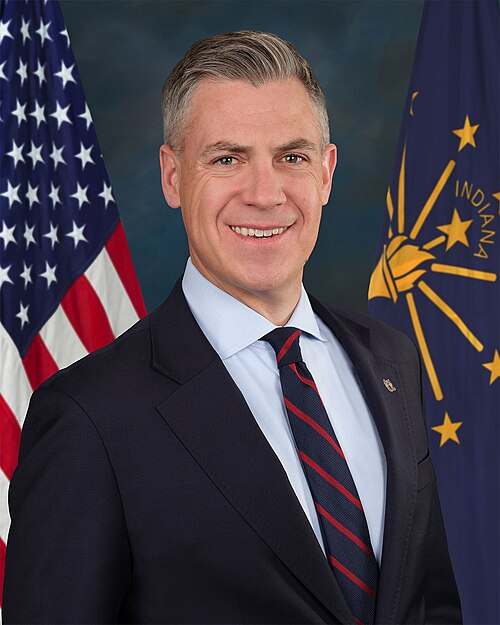
Co-Sponsor
-
TrackTed Budd
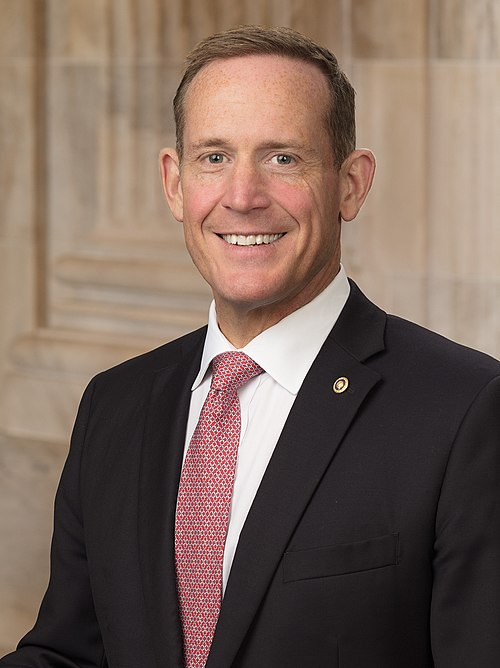
Co-Sponsor
-
TrackChristopher A. Coons
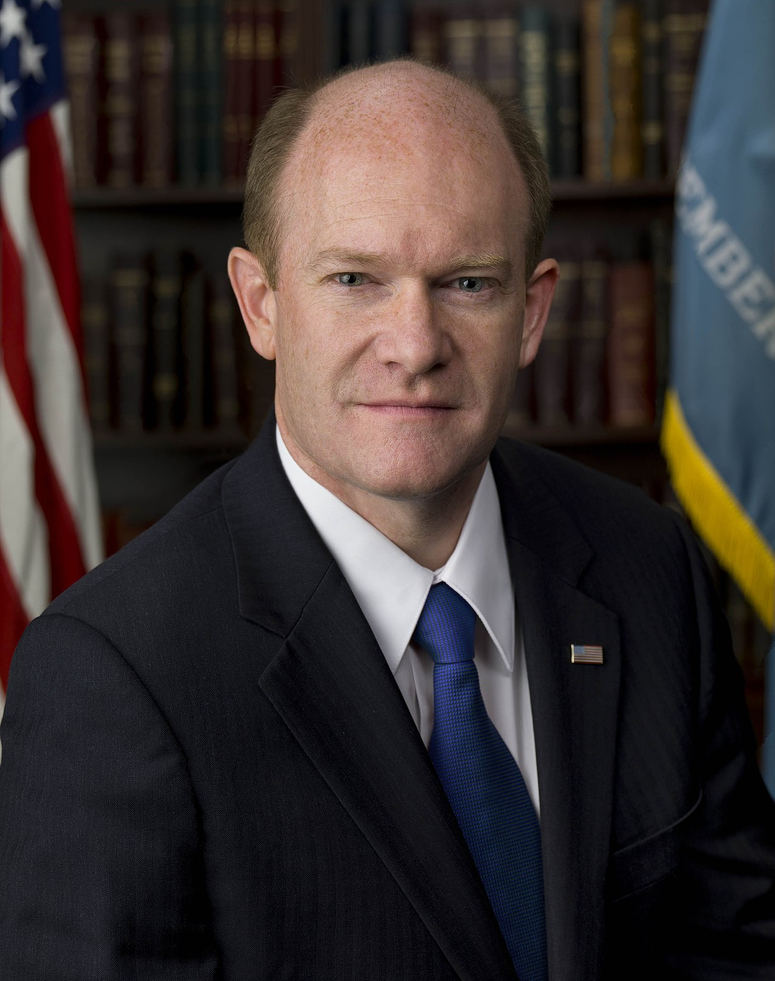
Co-Sponsor
-
TrackMargaret Wood Hassan
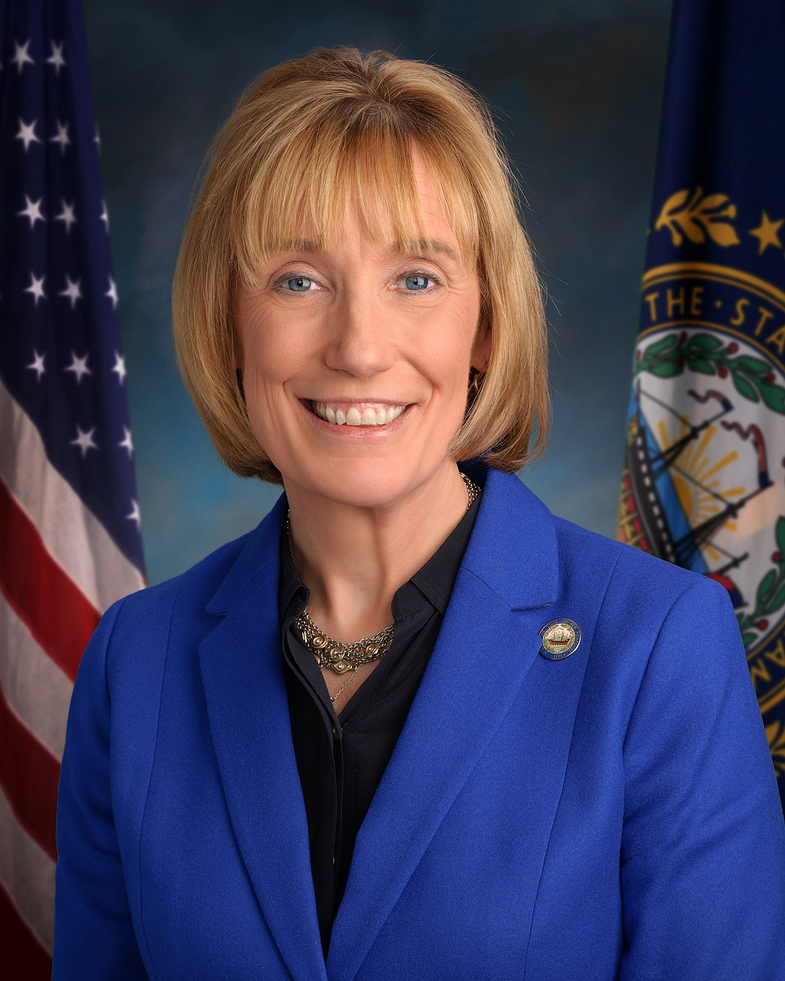
Co-Sponsor
-
TrackJohn W. Hickenlooper

Co-Sponsor
-
TrackAmy Klobuchar
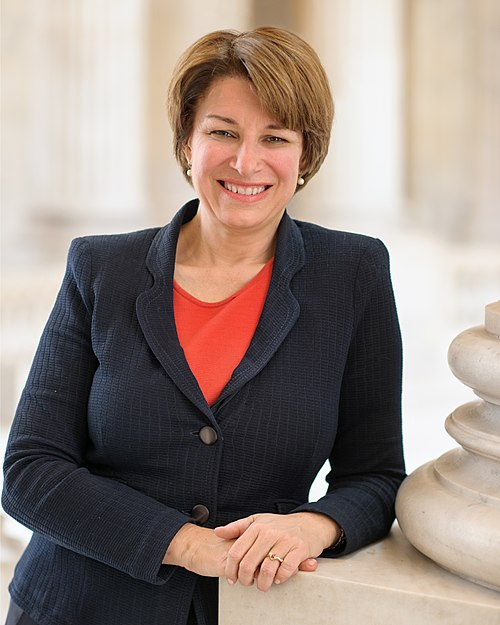
Co-Sponsor
-
TrackDavid McCormick
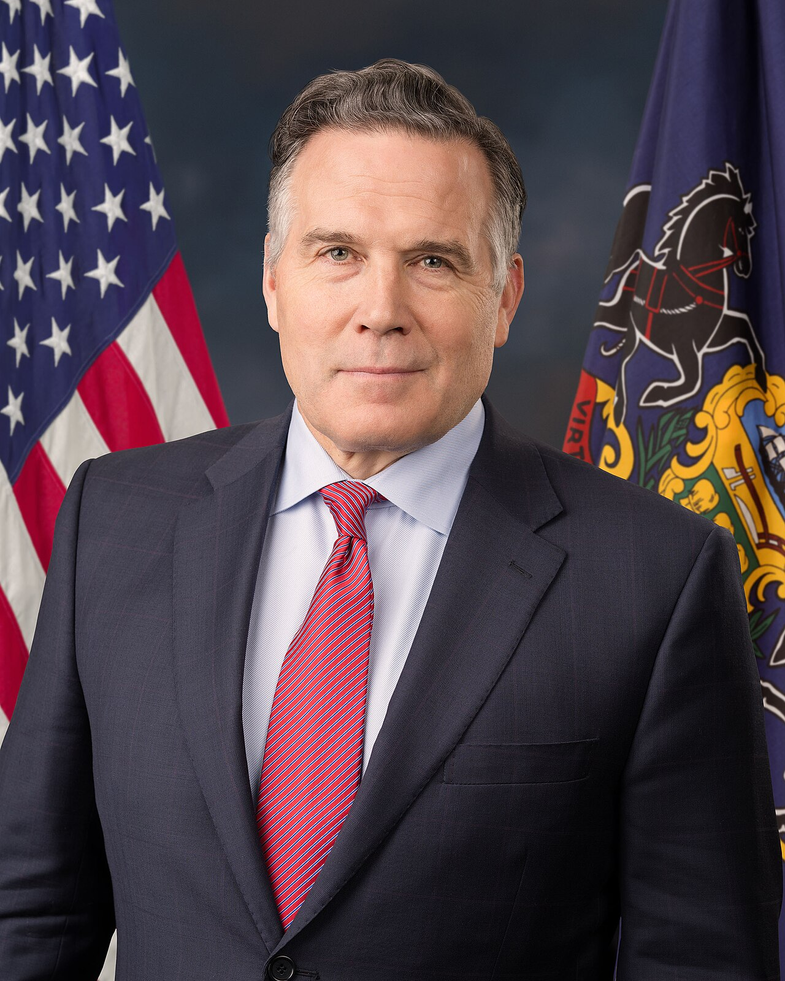
Co-Sponsor
-
TrackElissa Slotkin

Co-Sponsor
-
TrackTodd Young

Co-Sponsor
Actions
2 actions
| Date | Action |
|---|---|
| Jan. 29, 2026 | Introduced in Senate |
| Jan. 29, 2026 | Read twice and referred to the Committee on Commerce, Science, and Transportation. |
Corporate Lobbying
0 companies lobbying
None found.
* Note that there can be significant delays in lobbying disclosures, and our data may be incomplete.