S. 3401: Pathways to Prosperity Act
The Pathways to Prosperity Act aims to enhance workforce development programs at community colleges across the United States. This legislation focuses on improving access to high-quality training and educational opportunities for individuals, particularly targeting those in high-skill and high-wage job sectors. Below are the key components and functions of the bill:
Workforce Development Grants
The Act establishes a program through which the Secretary of Labor will award grants to eligible community colleges and vocational institutions. These grants will help:
- Enhance existing workforce development initiatives.
- Provide training programs that lead to recognized postsecondary credentials.
- Expand opportunities for individuals to engage in high-demand occupations.
Eligibility and Application Process
Institutions interested in receiving grants must submit detailed applications to the Secretary. These applications should outline:
- Partnerships with employers to ensure training aligns with industry needs.
- Strategies for engaging with employers to facilitate job placements after training.
- Planned workforce programs and the expected outcomes for participants.
Prioritization Criteria
In awarding grants, priority will be given to institutions that:
- Target individuals facing barriers to employment.
- Utilize competency-based assessments to recognize prior learning.
- Commit to building sustainable partnerships with local industries.
Program Requirements
Grants awarded under this act will require institutions to:
- Collaborate with employers in creating or improving training programs.
- Provide support services, such as career counseling and access to needed resources.
- Implement work-based learning opportunities, including apprenticeships and pre-apprenticeships.
Performance Evaluation
The Secretary will monitor each institution's performance annually based on specific indicators, which include:
- Completion rates of participants in workforce programs.
- Job placement and retention rates for graduates.
If institutions do not meet the established performance levels, they may receive technical assistance and must develop a performance improvement plan.
Funding and Administration
Funds allocated for these grants must be used to supplement existing federal, state, and local funds, not replace them. A portion of the funds can be used for administrative costs, but there are limits on how much can be spent in this area.
Long-term Evaluation
The Secretary is tasked with evaluating the overall effectiveness of the programs funded through this act within four years, assessing whether they meet workforce needs and support educational outcomes. Findings will be publicly available to ensure transparency and accountability.
Definitions of Key Terms
The Act provides clear definitions for terms such as "community college" and "eligible institution," specifying the types of schools that can participate in the grant program.
Relevant Companies
- Cognizant Technology Solutions (CTSH) - This technology company may see increased demand for training programs aligned with tech and IT skills, benefiting from partnerships with community colleges.
- Adobe Inc. (ADBE) - As a leader in creative software, Adobe might engage with educational institutions to develop programs that teach skills relevant for digital media and marketing professions.
- NVIDIA Corporation (NVDA) - NVIDIA could potentially collaborate with educational programs focused on AI and graphics, requiring skilled workers trained through community colleges.
This is an AI-generated summary of the bill text. There may be mistakes.
Sponsors
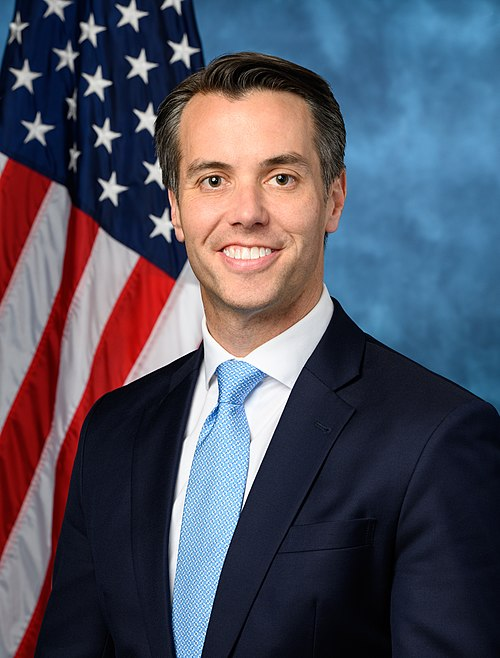
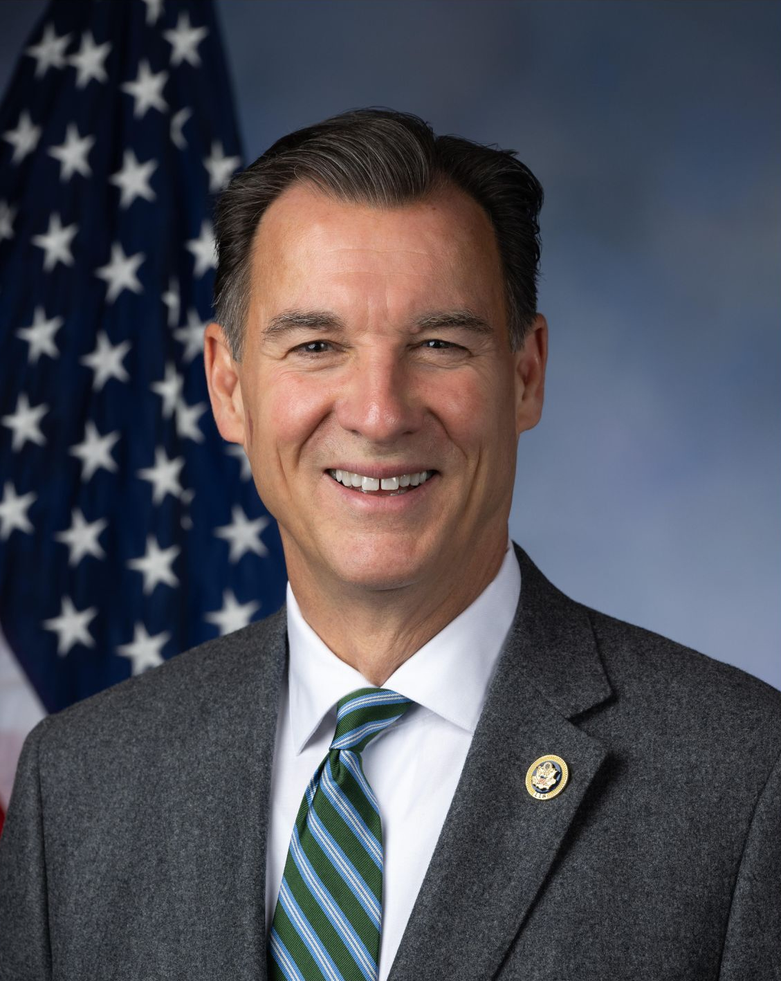
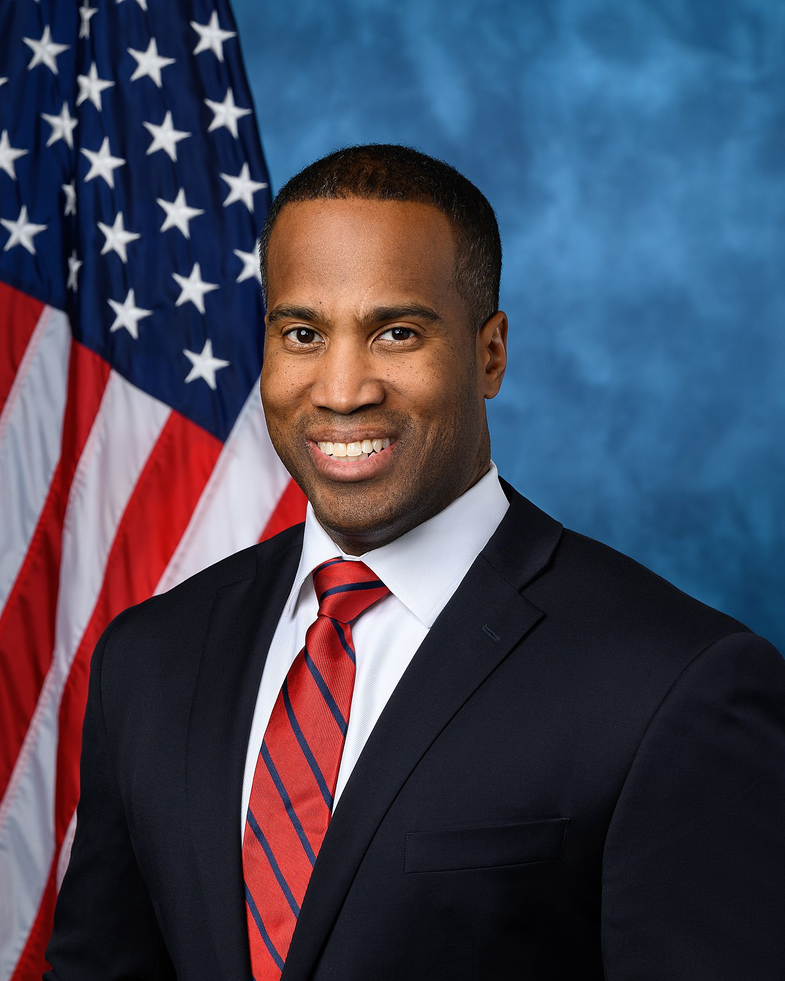
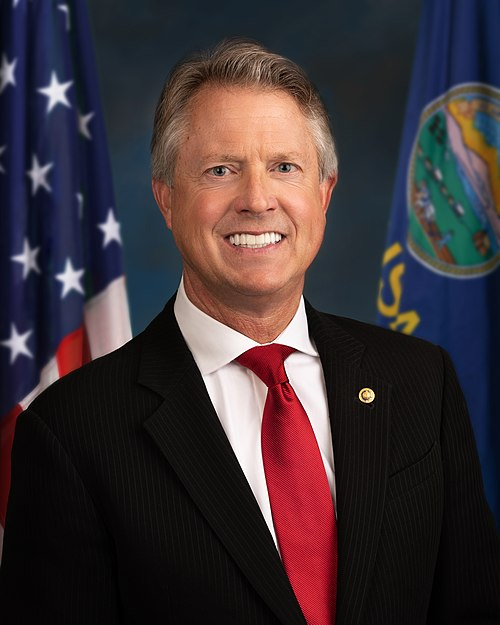
2 bill sponsors
Actions
2 actions
| Date | Action |
|---|---|
| Dec. 09, 2025 | Introduced in Senate |
| Dec. 09, 2025 | Read twice and referred to the Committee on Health, Education, Labor, and Pensions. |
Corporate Lobbying
0 companies lobbying
None found.
* Note that there can be significant delays in lobbying disclosures, and our data may be incomplete.